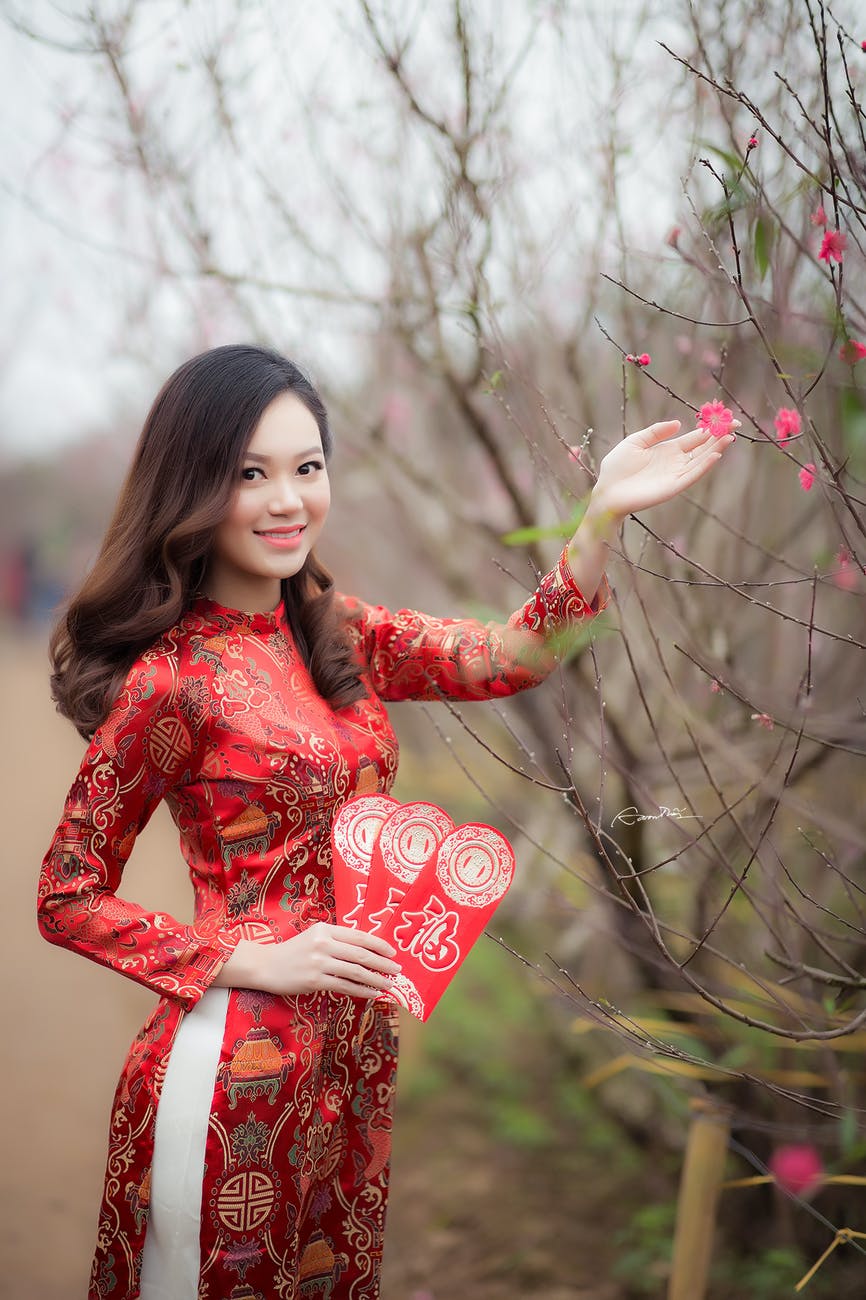
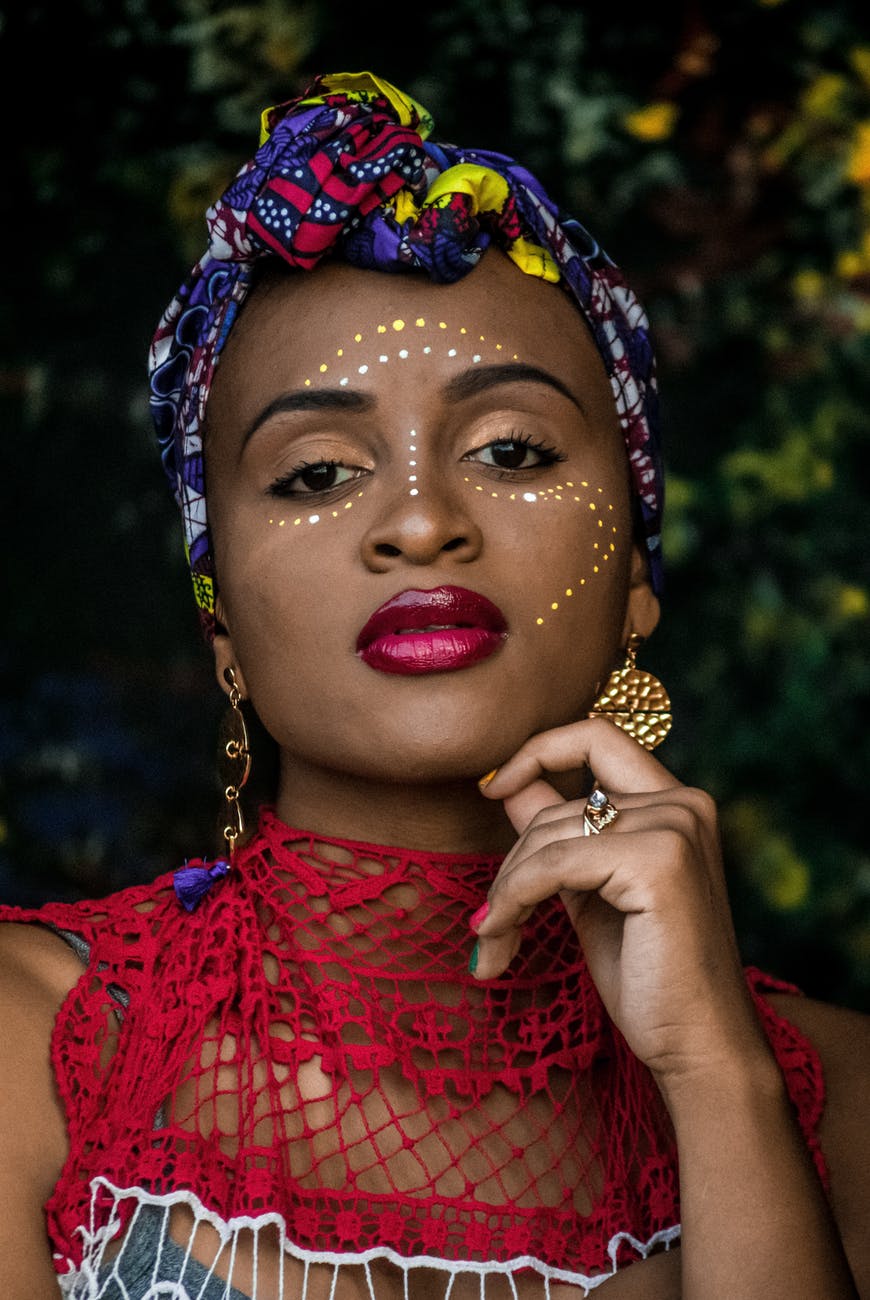
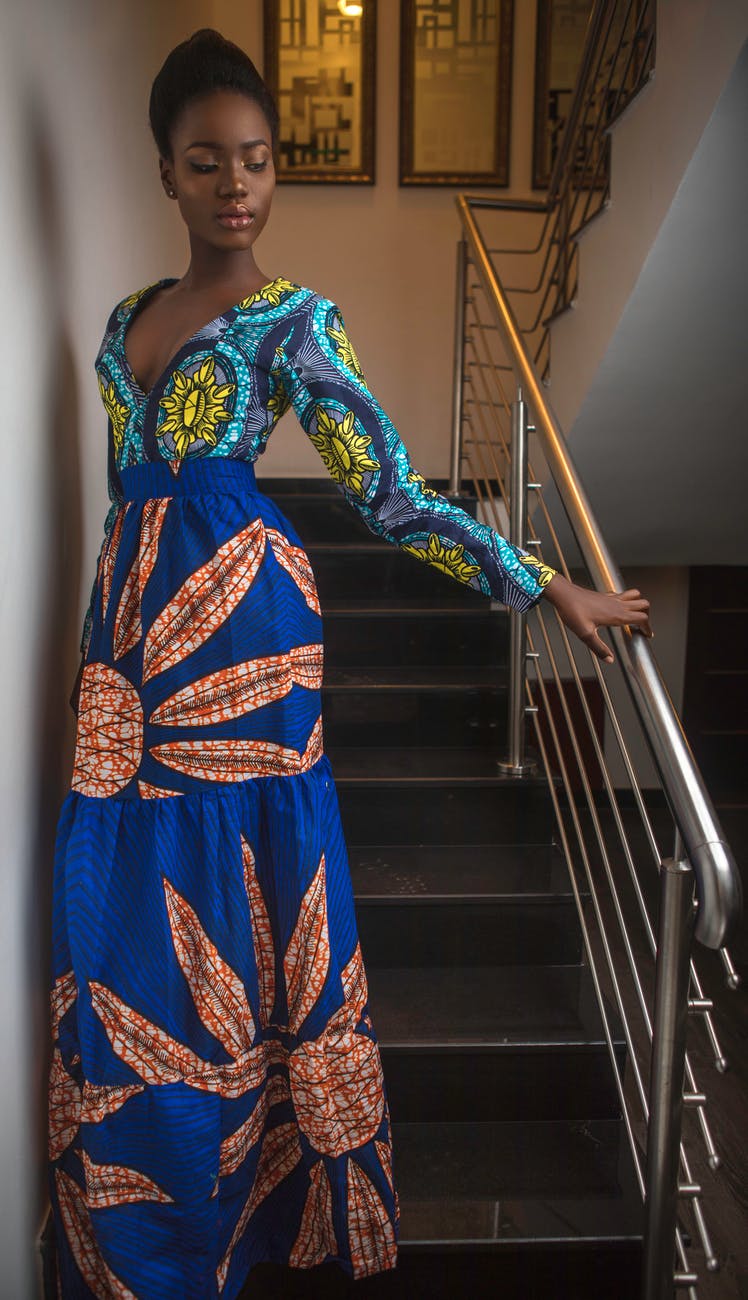
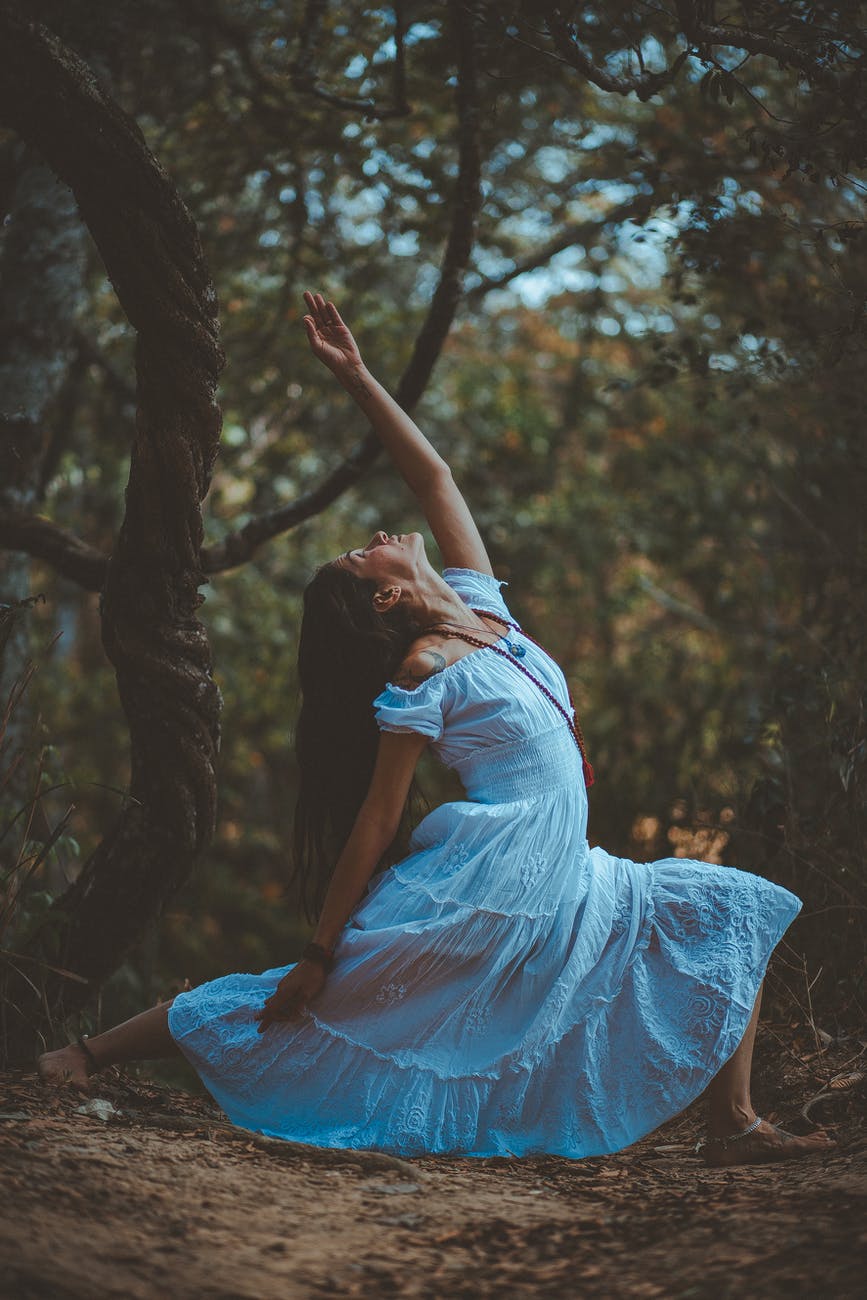
Femininity Vs. Masculinity

Femininity, noun – ‘Behaviour or qualities regarded as characteristic of a woman; feminine quality or characteristics; womanliness.’ The word was first recorded circa 1405 but its usage was rare before the late 18th century.

Oxford English Dictionary

Masculinity, noun – ‘The state or fact of being masculine; the assemblage of qualities regarded as characteristic of men; maleness, manliness.’ The word was first recorded in 1748.

Oxford English Dictionary

If femininity and masculinity are considered to be the characteristics of women and men respectively, then to explore each term further it makes sense to look at what those characteristics might be. Looking at gender differences in psychology and the brain can be problematic because it raises the issue of nature versus nurture and what constitutes positive or negative societal influences. Instead in this blog article I want to explore how femininity and masculinity are rooted in the biological designs of women and men.

Masculinity and femininity are not the same as being male or female – I consider them as different energies with associated traits. These energies perhaps don’t correlate with gender all the time, however as they mostly do that is what I’ll be looking at here. As a disclaimer, I want to add that femininity and masculinity are not limited by biology into any kind of gender roles or requirements. Rather, I think they are more flexible energies that can be transferred into any activity, regardless of whether it has been traditionally associated with that gender stereotype or not.

Women’s Biology & Femininity

Biologically, women are defined by their amazing ability to grow and give birth to new life. After birth, they continue to nourish and nurture their baby through breastfeeding. Different stages of womanhood involve: menarche (usually between the ages of 10-16, with the average age being about 12 years old, when they’re still children but transitioning into becoming women); menstrual cycles; pregnancy; childbirth; breastfeeding; and menopause (usually between the ages of 45-55, with the average age being about 51 years old).

Women are typically shorter and less muscular than men. This is partly because they need to be able to feed their baby as well as themselves, so need a more manageable food requirement to start with. Women have a curved figure because they save fat reserves around their hips and thighs to help in case of pregnancy. A wider pelvis is also needed for child bearing. Women tend to walk with smaller steps and more pelvic movement. A curvy figure also indicates health, fertility, and that they are of a suitable age for childbearing, no longer being children or having passed menopause when fat reserves tend to shift elsewhere.

Women tend to have higher pitched voices, about an octave higher than men’s. They have less facial and body hair, higher eyebrows, fuller lips, a softer jawline, and a longer life expectancy of about six to eight years even in countries where both genders have equal access to health. Women have two XX chromosomes, which it’s been suggested perhaps contributes to their better health as if one is faulty it can be backed up by the other. Oestrogen is the primary female hormone. Women only have one tenth of the amount of testosterone as men, however they are more sensitive to it.

Women are biologically designed with the ability to be nurturing mothers. They are physically more vulnerable, especially during and following pregnancy or whilst nursing and caring for infants. Women are incredibly strong to be able to go through childbirth. Active labour takes an average of eight hours for first time mothers or five hours for previous mothers, although it can last many hours longer. Besides the pain of pushing out a whole new human, many mothers say it is more the intensity of repetitive, ongoing contractions that is unbearable rather than the individual contractions themselves. No one can say that women aren’t strong, yet they remain vulnerable to outside threats. If femininity is rooted in the characteristics of being a woman, it clearly has a different kind of inner strength to masculinity. I see the essence of healthy femininity as being strong in her gentleness.

Men’s Biology & Masculinity

Biologically, men are typically taller and more muscular than women, with broader shoulders and an expanded rib cage. They have a straighter body shape without as defined a waist or hips, because they tend to instead deposit fat around their waist and abdomen. Men have a metabolism that generally burns calories faster, using that energy for immediate activity rather than saving it as fat reserves for times when food may not be as available. Besides fertilising for the conception of a child, men usually have a greater physical strength that helped them protect and provide for families at times when women were pregnant or otherwise more vulnerable.

Men tend to have deeper pitched voices, about an octave lower than women’s. They also have larger Adam’s apples for this reason, because their deeper voices require a larger voice box. Men have more body and facial hair, more angular jawlines, stronger brows, a lower life expectancy of about six to eight years, and tend to walk with larger steps and less pelvic movement than women. They have XY chromosomes and testosterone is the primary male hormone. Men have ten times more testosterone than women, which means they are generally more aggressive and competitive.

It is undeniable that men are physically stronger than women on average. They are biologically designed to be protective husbands and fathers, who are gentle enough to care for their family yet strong enough to keep their family safe when necessary. If masculinity is rooted in the characteristics of being a man, it would appear to have a different though complementary emphasis to femininity. I see the essence of healthy masculinity as being gentle in his strength.

Partnership of Femininity & Masculinity

Both men and women, femininity and masculinity, are more similar than they are different, even though they each have their own emphasis. Both are intended to work in an equal partnership together as a family and a community supporting each other, helping each other to thrive. A man’s masculinity is gentleness in his strength. A woman’s femininity is strength in her gentleness. More important than these differences is that both are called to be good, kind, balanced people who contribute positively to this wonderful yet broken world that we’ve been trusted to look after.

Michaelmas Traditions

Michelmas, also known as the Feast of St Michael and All Angels, is on the 29th September. Because it falls near the autumnal equinox, it was historically one of the four quarter days of the year (the others being Christmas in winter, Lady Day in spring, and Midsummer in summer). In British and Irish tradition, the quarter days were the days on which servants were hired at hiring fairs, rents were due, accounts were settled, lawsuits resolved, and school terms started. The purpose of quarter days was to ensure that debts and unresolved lawsuits were not allowed to linger on. Michaelmas was especially important as a quarter day because it marked the end of harvest and therefore also the end of the farming year – hence it made sense to settle accounts at that time. Michaelmas is also associated with the beginning of autumn and the shortening of days in the northern hemisphere.

‘If ducks do slide at Michaelmas,

At Christmas they will swim;

If ducks do swim at Michaelmas

At Christmas they will slide.’

Traditional rhyme

St Michael & the Angels

Michaelmas is a celebration of St Michael, the archangel mentioned in the Bible as leading God’s armies against forces of spiritual evil. In Christian tradition St Michael is an advocate and protector of God’s people, honoured for defeating the satan in the war in heaven, and portrayed as a spiritual warrior and the greatest of the angels. His name ‘Michael’ is Hebrew for ‘Who is like God?’ – a fine battle cry declaring God’s power and goodness! Because he’s seen as a military saint, St Michael has been adopted as the patron saint of chivalry, policemen, paramedics, the military, and occasionally of horsemen.

Although St Michael is the only archangel mentioned in the Bible, he is sometimes recognised as one of four archangels alongside Raphael (meaning ‘God has healed’), Gabriel (meaning ‘God is my strength’), and Uriel (meaning ‘God is my light’). These other angels are included within the ‘All Angels’ title of the Feast of St Michael and All Angels. The Bible doesn’t say much about other spiritual beings such as angels because we don’t need to know about them – we only need to know and trust in God. However, because He’s generous, God does graciously give us in the Bible a glimpse behind the scenes at the spiritual realm, and this includes the archangel Michael.

‘Then said he unto me, Fear not, Daniel: for from the first day that thou didst set thine heart to understand, and to chasten thyself before thy God, thy words were heard, and I am come for thy words. But the prince of the kingdom of Persia withstood me one and twenty days: but, lo, Michael, one of the chief princes, came to help me; and I remained there with the kings of Persia.’

Daniel 10:12-13

Activities & Celebrations

Michaelmas remains to this day the start of the new academic and legal years, since it marks the end of harvest when historically everyone had been needed to help on the farms during the summer holidays. Although schools in England now start at the beginning of September instead, universities still start their teaching around Michaelmas time. More traditional universities and private schools even refer to their autumn terms as ‘Michaelmas term’. With autumn also comes the end of the fishing season and the start of the hunting season.

Besides the autumnal organisation of hiring fairs and the new academic year, Michaelmas was a great religious feast during the Middle Ages. People celebrated with church services, sharing a meal with their family and friends, and horse races across the recently harvested stubble fields. It was a time of horse sales, goose fairs, and ploughing contests. The late-flowering purple Michaelmas daisies give colour and warmth to gardens at this time of year, so perhaps they were picked to decorate the feasting tables. Michaelmas daisies symbolise farewell and departure, much how Michaelmas Day is seen to say farewell to a productive year and to welcome in the next cycle.

‘The Michaelmas Daisies, among dead weeds,

Bloom for St Michael’s valorous deeds.

And seems the last of flowers that stood,

Till the feast of St Simon and St Jude.’

Traditional rhyme

Old Michaelmas Day

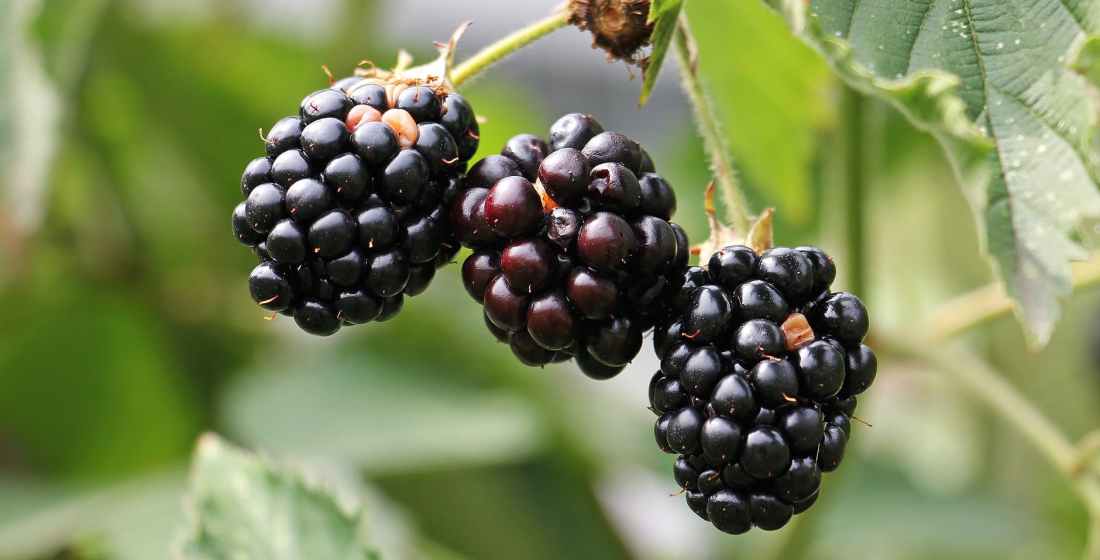
While Michaelmas Day is now on the 29th September, that was not always the case. Until the Julian calendar was dropped for the more accurate Gregorian calendar in 1752, Michaelmas used to be on the 10th October. The 10th of October is now known as Old Michaelmas Day as it has folklore of its own. According to legend, when the devil fell from heaven after fighting the archangel Michael, he fell straight into a bramble bush – which is, of course, very prickly. It’s said that the devil cursed, breathed fire, spat, and stamped all over the blackberries, making them unfit for consumption. Every year on Old Michaelmas Day the devil flies over all the bramble bushes to either spit or urinate on the blackberries, and so blackberries shouldn’t be picked after that day. In reality, blackberries begin to go bad as colder weather approaches.

‘A dark Michaelmas, a light Christmas.’

Traditional folklore saying

Michaelmas Recipes

According to folklore, the most important part of a Michaelmas feast was a roast goose as it was believed this brought good luck for the year. Even Jane Austen wrote to her sister Cassandra in 1813 that she ‘dined upon goose yesterday, which, I hope, will secure a good sale of my second edition.’ Nowadays, of course, vegetarian alternatives are available. This could be cooked with seasonal root vegetables such as honey-glazed roast carrots, honey-roasted parsnips, sweet roasted onions, and herb-infused roast potatoes. Other traditional recipes include St Michael’s bannock and Michaelmas dumplings. Nuts, blackberries, and ginger beer are also associated with Michaelmas. A few blackberry recipes for puddings include apple and blackberry crumble, blackberry and apple pie, or blackberry jam to go on the St Michael’s Bannock.

‘Eat a goose on Michaelmas Day,

Want not for money all the year.’

Traditional folklore saying

My Favourite Feminine YouTube Channels

I thought I’d share with you some of my favourite feminine YouTube channels. Some of them directly talk about femininity, etiquette, or growing towards becoming a better person. Others simply demonstrate values or characteristics that I personally associate with different aspects of femininity.

There are a lot of YouTube channels out there that discuss femininity. Many of these do have good advice, including channels that haven’t made this list. However, femininity has become a popular theme online over the past year and some YouTubers seem to have simply jumped on the trend. Some channels are more focused on superficial elements associated with femininity, such as external appearance or romantic relationships. Those topics can be fun, but in my opinion true femininity comes from the inside. It’s important we are discerning about which messages we choose to accept. We should choose to surround ourselves with the values and traits we wish to embody.

In no particular order, here are my top 30 favourite YouTube channels about femininity, etiquette, beauty, style, cooking, nature, art, culture, community, relationships, faith, Christianity, and inspiration for generally becoming a better version of myself. I hope you enjoy them too.

1 Mrs Midwest

Caitlin, otherwise known as Mrs Midwest, is a homemaker and a young wife living in the mid-west of America. She makes videos discussing femininity, homemaking, beauty, relationships, traditional lifestyle, her faith, and baking.

2 Karine Alourde

Karine discusses and analyses what makes certain women feminine, how they could improve their femininity, and what we can learn from them. These range from fictional characters to real people and a brilliant series about femininity around the world in different cultures.

3 The Feminine Fancy

Felicia is a former actress and beauty pageant queen who has expanded her love of all things feminine to talk about it as a YouTuber and blogger. Her videos discuss femininity, elegance, beauty, style, relationships, self-improvement, advice, and women’s issues.

4 Cynthia L

Cynthia is a millennial housewife and a former Miss Earth Canada beauty pageant model. She draws on this experience in many of her videos to talk about femininity, etiquette, beauty, body language, personality refinement, and homemaking.

5 That Feminine Housewife

Ina is a housewife from Norway who likes to take a more scientific approach in some of her beauty tips, examining exactly what it is that makes a woman appear more feminine. She makes videos about style, beauty, make-up, homemaking, and her interpretation of femininity.

6 School of Affluence

Anna is a certified image consultant and has attended a Swiss finishing school to gain a diploma in international etiquette and protocol. She uses that knowledge to teach about modern elegance, style, etiquette, personal transformation, and high society lifestyles.

7 Lisa Hart

Lisa is a fashion designer and blogger from France who loves old Hollywood glamour and belly dance, which she draws upon in a number of her videos. In her videos she discusses style, beauty, femininity, elegance, deportment, glamour, and grace.

8 Jonna Jinton

Jonna is an artist, musician, singer, photographer, filmmaker, and jewellery designer who lives close to nature in a small remote village in the north of Sweden. Her videos and vlogs are always works of art sharing the beauty of nature, her latest creative projects, and genuine emotions from her life.

9 Liziqi

Li Ziqi is a highly talented and very hardworking young Chinese woman who lives with her grandmother amongst the mountains of rural China. Her fairytale aesthetic videos demonstrate traditional Chinese cookery, gardening, farming, and various other traditional Chinese crafts.

10 Girl in Calico

Kaetlyn is a young American woman who enjoys cultivating a slower and more meaningful way of life through traditional living and her Christian faith. She creates beautifully aesthetic videos recording her gardening, baking, cooking, preserving, and homemaking through the seasons of the year.

11 Traditional Me

Nadee has been described as the Li Ziqi of Sri Lanka. Her high-quality videos show her gathering then cooking plants from the surrounding garden and farm into traditional Sri Lankan meals, whilst interacting with her grandmother and her teasing younger brother.

12 RayaWasHere

Raya was originally a travel vlogger but more recently she’s been shifting her content towards sustainability, personal growth, conscious living, doing social good, and nurturing the community around her. She encourages inspiration, passion, adventure, kindness, travel, culture, and self love.

13 AlexandrasGirlyTalk

Alexandra’s videos are always very well put together and appear professional in their quality. She gives advice on beauty, fashion, style, make-up, hair, and occasionally other topics she thinks girls should know about such as femininity or dating.

14 The Rachel Review

Rachel offers advice in her videos on various topics related to style, beauty, and lifestyle. These she gives based on her own approach of sophistication, femininity, elegance, and class, whilst also embracing a spirit of adventure.

15 Audrey Coyne

Audrey is a fashion enthusiast and a minimalist who aims to help people discover their unique personal style. In her videos she talks about style advice, fashion, wardrobe planning, and other related topics, as well as tips on having an attractive voice from her training as an opera singer.

16 Emily Wilson

Emily is a Roman Catholic wife and mother from California. She believes that girls and young women need to hear the truth in love, so she answers viewers’ questions, provides pep talks, and gives encouraging practical advice to help with faith, relationships, confidence, and friendships.

17 Tiffany Dawn

Tiffany is a Christian author, speaker, and YouTuber who loves to share the life advice that women don’t hear in church. In her videos she discusses boys, singleness, healthy romantic relationships, beauty, body image, eating disorders, God, faith, Bible study, and general life tips.

18 Dating Beyond Borders

Marina organises actors and actresses to demonstrate traits of different countries through cross-cultural relationships from all around the world. These videos give entertaining short stories and use romantic relationships to share a bit about the different cultures.

19 The Daily Connoisseur

Jennifer is a New York Times bestselling author of Lessons From Madame Chic and other books, as well as being a wife and a mother of four. In her videos she talks about capsule wardrobes, thoughts on style, homemaking, classy living, elegance, parenting, and etiquette.

20 The Modern Lady

Devereaux is an author and YouTuber who teaches ladies how to live with class, confidence, charisma, and elegance. She discusses social graces, classic style, and sophisticated living, as well as having a series where she interviews a variety of classy ladies.

21 IntoAMilli Lady

Karina is an entrepreneur running an online business and she also makes videos discussing women, money, and power. On her channel she talks about internal growth, elegance, beauty, wealth, business, etiquette, romantic relationships, and what she considers the ills of society.

22 Linda Sandrine

Linda now lives in America but was originally from Cameroon, meaning she has a lovely Cameroonian accent. In her videos she talks about elegance, femininity, being ladylike, beauty, health, fashion, dating, and relationships.

23 Isabel Paige

Isabel lives close to nature on a farm in the mountains of America. She shares stories from her life of learning how to farm for herself, building her own tiny house, creating vegan meals, doing yoga in the mountains, swimming in the rivers, laughing with family, and exploring a simpler lifestyle.

24 Daughter of Old

Annie is a freelance artist, a videographer, and an aspiring herbalist. She shares the everyday rhythms of her life as she works in tune with the seasons and alongside nature to find the beautiful magic in traditional crafts such as cooking, baking, and herbalism.

25 The Elliott Homestead

Shaye and her husband Stuart run a small farm in Washington State of America, where they grow their own food and home-school their four children. In their videos they share the love, purpose, and beauty they find in their life of gardening, farming, cooking, preserving, and homemaking.

26 The Darling Academy with Alena Kate Pettitt

Alena is a British author and housewife from the Cotswolds of England. She creates videos about simple, wholesome, vintage-inspired homemaking as well as etiquette, femininity, marriage, and the misunderstandings she’s been subject to as a woman desiring a traditional lifestyle.

27 The Chateau Diaries

Stephanie is the chatelaine of the 16th-century French Chateau de LaLande, which she is restoring to its former glory with family, friends, and volunteers from all over the world. Her videos share life filled with laughter, decorating, renovation, cooking, gardening, and many wonderful characters.

28 This Esme

Esme is a young equestrian who shares the adventures and fun she has learning more about horses. Her videos include vlogs with her ponies, her riding lessons, interviews with top riders, visits to equestrian events, horse care routines, equestrian travel, and exploring the equestrian community.

29 FarAwayDistance

Becca is an evangelical Christian and a school teacher from Illinois in America. She makes videos to talk about her faith as a Christian, to teach the Bible with an emphasis on being both truthful and loving, and to challenge people to grow deeper in faith and love.

30 BibleProject

Tim and Jon from BibleProject can’t be classified as a feminine YouTube channel, but they’ve helped me learn more about God and the Bible so this list would be incomplete without it. They create artistically stunning short animated videos about how to read the Bible and exploring profound themes that run throughout the Bible. Their videos are really good and I would highly recommend them, whether you consider yourself Christian or not.

Holy Cross Day Traditions

Holy Cross Day has been celebrated on the 14th September since the seventh century. It is also known as the Feast of the Cross. The day commemorates the cross on which Jesus was crucified and which was an instrument of salvation for those who choose to follow Jesus. The cross is deeply symbolic and has great meaning in Christianity. It serves as a reminder of just how much God loves us, how much we are lost without Him, how Jesus has saved us, and how we are called to follow Him in sacrificially serving and loving our neighbours. Because we owe everything we have and everything we are to God, Christians should not boast about what glory they’ve achieved in the world. Instead, we should only boast about the freedom we’ve been gifted through Christ and the cross – which is a gift free to anyone who decides to believe.

‘But God forbid that I should glory, save in the cross of our Lord Jesus Christ, by whom the world is crucified unto me, and I unto the world.’

Galatians 6:14

St Helena & St Constantine

Holy Cross Day also recalls three events. First was the finding of Jesus’ cross by St Helena while she was on pilgrimage in Jerusalem. St Helena lived from approximately AD 246 until AD 330. She was empress of the Roman Empire and the mother of the Roman emperor St Constantine. It was St Helena’s conversion to Christianity that influenced her son to legalise Christianity in AD 313 (ending some persecution) then later declare Christianity the state religion of the Roman Empire and convert himself.

The second event recalled on Holy Cross Day is the dedication of churches that St Constantine and St Helena had built on the site where Jesus had been crucified. Then the third event is the restoration of the True Cross (as Jesus’ cross is sometimes called) to Jerusalem in AD 629 after it had been taken as a trophy in the Sasanian conquest of Jerusalem a few years prior. There is of course more to the story than I’ve shared here, however that is the basic history. What matters is not any relic of the cross itself, but that it was the means through which God offered us salvation.

Celebrations & Recipes

Holy Cross Day is most commonly commemorated through church services and prayer. However, it was historically also celebrated with a feast – hence why it is called the Feast of the Cross. Recipes for Holy Cross Day could include hot cross buns, chocolate and spice hot cross buns, hot cross cookies, or any bread roll or cake decorated with a cross. Since apples are ripe for harvest around this time of year, you could bake a Dorset apple cake and then decorate the top with extra apple slices in the shape of a cross.

Holy Cross Day and St Helena are also associated with basil. According to story, while St Helena was on pilgrimage in Jerusalem and searching for the holy cross, she noticed an unfamiliar green plant growing in the earth. Because it had a strong, sweet smell she decided to dig it up to take it back to Rome with her. It was while St Helena was digging the herb up that she found fragments of Jesus’ cross, the veracity of which she only became convinced by after she had witnessed it miraculously heal a woman who had been near death. St Helena named the green herb basil, because basileus was Greek for ‘king’ and it had grown from the cross of the king of kings. Recipes including basil could be fun for Holy Cross Day. Basil could be made into pesto, tomato and basil pasta salad, spinach and basil lasagne, garlic and basil butter to go on your cross-decorated bread rolls, tomato and basil soup, or any other creative recipes using basil you can think of.

Femininity in Folk Songs

If I’m honest, really this blog post is just an excuse to share some beautiful folk songs that I enjoy from different countries. However, I do think there’s something about artistic mediums such as song that makes them good at communicating energies and emotions. Below I’ve shared ten videos of folk songs. Each of them is from a different country and they all have female singers. Can you identify any common themes in femininity and womanhood across different cultures? I acknowledge that these examples are all from northern or western Europe – that is simply because it’s difficult to find songs from other countries when I don’t understand the language! If you know of any beautiful folk songs from other parts of the world, I would love to hear, so please do share them in the comments section below.

Femininity does not have to be associated with traditional cultures or the past. Those are just the songs I’ve collected here. Femininity is expressed in a diversity of ways. It is individual to every woman and does not intend to make us identical in anyway! Rather, it shares some common themes that are rooted in our shared womanhood which allow us to flourish into the women we were each created to become.

I personally love fairytales and history so look more to the past for inspiration than some of you, my sisters, may do. Although the chances are, if you’re reading this, you are probably interested in history too! I think sometimes femininity was valued more in traditional cultures than it tends to be in society today. The baby was thrown out with the bathwater, to borrow a saying. That doesn’t have to be the case, however. We can choose to learn about and reclaim our femininity. I hope you enjoy these songs.

Slovakia

Russia

Norway

England

Faroe Islands

Ireland

Poland

Sweden

Scotland

Wales

British Seasonal Celebrations

‘For thousands of years, awareness of seasonal changes was enhanced by ritualistic celebrations. Nobody is going to forget the passing of the winter solstice when it was accompanied by a fire festival and the biggest party of the season, in the way that it’s successor, Christmas, does not go unnoticed now.’

From ‘Wild Signs and Star Paths’ by Tristan Gooley (2018)

I love nature and I love history, so perhaps it’s not surprising that I find myself drawn to the idea of seasonal celebrations. They bring the two together after all. Seasonal celebrations connect communities to their heritage as part of a greater story. They also reinforce an appreciation for the changing seasons and natural world, which is needed more than ever now so many of us are disconnected from the environment. I also think seasonal celebrations have a real potential to bring communities and families together through wholesome bonding traditions, fun shared memories, and enjoying this life that we’ve been blessed with.

As a child I always loved the magic of Christmas anticipation; hunting for Easter eggs around the churchyard (then sneaking out of church early to help hide them when I was older); learning maypole dances at school in preparation for the May Fayre; barn dances and barbeques in the summer; running around the local horticultural show with my friends; the beauty and colour of Guy Fawkes’ Night; taking part in the Remembrance Day parade with the Girl Guides; then the Christmas spirit beginning all over again with Christingle oranges and sparkling fairy lights. It’s been my experience that these festivities are often predominantly focused at children, but there’s no reason why they can’t be for all ages as they once were. Just because we’re now adults, it doesn’t mean we have to forget the magic in life or the value of innocent fun.

Below I’ve compiled a list of seasonal celebrations that were once traditional to my culture. It includes annual celebrations from the Church of England liturgical year, the British agricultural seasons, and more modern secular celebrations. Traditionally holidays were holy days – hence the name – and date back hundred of years. The word ‘holiday’ comes from the Old English ‘háligdæg’ and was first recorded during the Anglo-Saxon period around AD 950. For any international readers out there, in Britain the name ‘holiday’ is used to refer to any celebration, travel, or time off work, regardless of whether they’re religious or secular in nature. The more American ‘vacation’ instead comes from French and is connected to the word ‘vacate’ with the meaning to be unoccupied.

‘I sing of brooks, of blossoms, birds, and bowers,
Of April, May, of June, and July flowers.
I sing of May-poles, hock-carts, wassails, wakes,
Of bridegrooms, brides, and of their bridal-cakes.
I write of youth, of love, and have access
By these to sing of cleanly wantonness.
I sing of dews, of rains, and piece by piece
Of balm, of oil, of spice, and ambergris.
I sing of Time’s trans-shifting; and I write
How roses first came red, and lilies white.
I write of groves, of twilights, and I sing
The court of Mab, and of the fairy king.
I write of Hell; I sing (and ever shall)
Of Heaven, and hope to have it after all.’

‘The Argument of his Book’ by Robert Herrick (1648)

Advent

The liturgical year begins with the season of Advent in preparation and expectation for Christmas. Advent starts on the fourth Sunday before Christmas, which is usually in late November, and lasts until Christmas Eve on the 24th December. This period contains the winter solstice on the 21st December and is during the darkest time of the year. In England sunrise is around 8am and sunset is before 4pm at this time of year.

Late November – First Sunday of Advent.

30th November – St Andrew’s Day (the patron saint of Scotland).

December – Second Sunday of Advent.

6th December – St Nicholas’ Day (the patron saint of children, now known as Father Christmas).

13th December – St Lucy’s Day (previously coincided with the winter solstice).

December – Third Sunday of Advent.

17th December – O Sapientia (the seventh day before Christmas Eve).

December – Fourth Sunday of Advent.

21st December – Winter Solstice.

24th December – Christmas Eve.

Christmas

Christmas Day on the 25th December is followed by the 12 days of Christmas, celebrating and commemorating Christ’s birth – an event that changed history and demonstrated God’s love for us in the most amazing way. We don’t know exactly when Christ’s birthday was, but choosing to celebrate it around the time of the winter solstice (for the northern hemisphere) when light begins to return has symbolic significance that reinforces the story.

25th December – Christmas Day.

26th December – St Stephen’s Day (the first Christian martyr) or Boxing Day.

28th December – The Holy Innocents.

31st December – New Year’s Eve or Hogmanay.

1st January – The Naming & Circumcision of Jesus or New Year’s Day.

5th January – Twelfth Night.

Epiphany

The season of Epiphany starts with Epiphany itself on the 6th January, which celebrates the visit of the wise men to the infant Jesus and the recognition that Jesus Christ was the Son of God. The season lasts until Candlemas on the 2nd February, which commemorates the presentation of Jesus at the temple 40 days after his birth. This covers most of January and the coldest (although no longer darkest) month of the year in the northern hemisphere.

6th January – Epiphany.

First Sunday of Epiphany – The Baptism of Christ or Plough Sunday.

Monday after Plough Sunday – Plough Monday.

18th to 25th January – Week of Prayer for Christian Unity.

21st January – St Agnes’ Day (the patron saint of virgins).

25th January – The Conversion of Paul or Burns’ Night.

2nd February – Candlemas.

Ordinary Time

The periods of the liturgical year outside Advent, Christmastide, Epiphanytide, Lent, and Eastertide are called ‘ordinary time’. This is because they are not focused on any of the major Christian celebrations. The period of ordinary time between Epiphany and Lent lasts about five Sundays. During this time the church stops looking back to Jesus’ birth and later looks forwards to Jesus’ death and resurrection. The last day of this ordinary time is celebrated as Pancake Day.

14th February – St Valentine’s Day (the patron saint of lovers).

February or March – Shrove Tuesday or Pancake Day.

Lent

Lent is a time of reflection, penitence, and solemn observance in preparation for the celebration of Easter. It lasts 40 days, which is about six weeks, in commemoration of the 40 days that Jesus spent journeying in the desert. During Lent many Christians fast from certain luxuries such as sugar, dairy, and meat or take up new spiritual disciplines. In England it historically coincided with the ‘hungry gap’ of late winter and early spring when there was no fresh produce available from vegetable gardens. Near the end of Lent is Good Friday, commemorating the crucifixion and death of Jesus Christ.
February or March – Ash Wednesday.

1st March – St David’s Day (the patron saint of Wales).

March or April, Fourth Sunday of Lent – Mothering Sunday.

17th March – St Patrick’s Day (the patron saint of Ireland).

Fifth Sunday of Lent – Passiontide.

21st March – spring equinox.

25th March – Lady Day or The Annunciation.

March or April – Holy Week.

Sunday of Holy Week – Palm Sunday.

Thursday of Holy Week – Maundy Thursday.

Friday of Holy Week – Good Friday.

Easter

Easter lasts for 50 days from Easter Day until Pentecost. This time celebrates the resurrection of Jesus Christ from the dead and with it how He has rescued us to give us new life. Along with Christmas, Easter is the most important celebration of the year. The date of Easter Day itself is determined by the moon and changes each year, as it is held on the Sunday following the paschal moon. Like several other celebrations, the meaning of Easter is reinforced by the symbolism of the natural season. In the northern hemisphere Easter takes place after the spring equinox when the earth is growing and coming to life again.

March or April, Sunday following the paschal moon – Easter Day.

March or April – Easter Week.

1st April – April Fool’s Day.

23rd April – St George’s Day (the patron saint of England).

1st May – May Day.

Three weekdays before Ascension Day – Rogationtide.

40th day after Easter Day, May or June – Feast of the Ascension.

31st May – The Visit of the Blessed Virgin Mary to Elizabeth.

50th day after Easter Day, May or June – Pentecost or Whit Sunday.

Ordinary Time

The season from Pentecost until Advent is designated as ‘ordinary time’ in the liturgical calendar. This period lasts about 24 Sundays from early summer until early winter, covering all of summer and autumn with the historically busy harvest season. Around the summer solstice on the 21st June, sunrise is before 5am while sunset is well after 9pm in England. This gives over 16 hours of daylight – double the just eight hours of daylight during the depths of winter.
May or June – Trinity Sunday.

Thursday after Trinity Sunday – Corpus Christi.

21st June – Father’s Day or summer solstice.

24th June – The Birth of John the Baptist or Midsummer’s Day.

15th July – St Swithun’s Day (traditionally associated with folklore about the weather).

1st August – Lammastide.

6th August – The Transfiguration of Our Lord.

15th August – The Blessed Virgin Mary.

14th September – Holy Cross Day.

Late September or early October, Sunday nearest the harvest moon – Harvest Festival or Harvest Thanksgiving.

21st September – autumnal equinox.

29th September – Michaelmas (the archangel).

First Sunday in October – Dedication Festival.

4th October – St Francis’ Day (the patron saint of animals).

31st October – All Hallows’ Eve or Hallowe’en.

1st November – All Hallows’ Day.

2nd November – All Souls’ Day.

5th November – Bonfire Night or Guy Fawkes’ Night.

11th November – Martinmas (the patron saint of the poor) or Remembrance Day.

23rd November – St Clement’s Day or Old Clem’s Night (the patron saint of blacksmiths).

25th November – St Catherine’s Day or Catterntide (the patron saint of lace makers).

Sunday before Advent – Christ the King.

Book Review: The Young Lady’s Friend

The Young Lady’s Friend by Mrs John Farrar, otherwise known as Eliza Ware Farrar, was first published in Boston, America, in 1838. Intended as a coming-of-age guide for middle-class young ladies upon leaving school aged 15-20, the book offers guidance and advice on how they should navigate the new stage of their life in the society of the time.

Eliza Ware Farrar was born in France in 1791. During the French Revolution she left France with her family for England, where she was educated. She later moved to America, where she married her American husband in 1828, who was a professor at Harvard. Eliza Ware Farrar had several children’s books published during the 1830s, however her most important work was The Young Lady’s Friend. This was widely popular in both America and England, reprinted as late as 1880. She died in 1870, aged 78.

A lot of the book’s interest comes from its historic context and learning about the position of young ladies in the culture of the time. Some of the advice given and certain attitudes are very much outdated, showing their cultural context. However, I think there is still value to be taken from other parts of Eliza Ware Farrar’s advice. She encourages her readers to embark upon a life of constant self-improvement, founded in her Christian faith, and promotes intellectual learning alongside practical service and consideration for others. The full text is freely available online and can be read here. Below I’ve shared a selection of quotations that I thought were interesting or helpful.

On Time Management

‘By having regular hours for the different employments of the day, you will avoid the great waste of time, which is occasioned by uncertainty as to what you shall do next.’

Eliza Ware Farrar

‘If the minutes were counted, that are daily spent in idle reverie or idler talk, in thinking of setting about a task that is not relished, and in looking for things that should never have been mislaid, they would soon amount to hours, and prove sufficient to the acquisition of some elegant art, or the study of some useful science.’

Eliza Ware Farrar

‘Never use up a rainy morning in doing a variety of little jobs, and think, because you despatch a great many, you have well bestowed your time; leave small affairs for odd half-hours, and use your uninterrupted morning for something that cannot be done in half-hours.’

Eliza Ware Farrar

‘As a general rule for living neatly and saving time, it is better to keep clean than to make clean.’

Eliza Ware Farrar

On Pouring Tea

‘There is more to be learned about pouring out teas and coffee, than most young ladies are willing to believe… I have often seen persons pour out tea, who, not being at all aware that the first cup is the weakest, and that the tea grows stronger as you proceed, have bestowed the poorest cup upon the greatest stranger, and given the strongest to a very young member of the family who would have been better without any. Where several cups of equal strength are wanted, you should pour a little into each, and then go back inverting the order as you fill them up, and then the strength will be apportioned properly.’

Eliza Ware Farrar

On Hospitality

‘When friends come to see you, uninvited, do the best you can to entertain them well, but make no comment or apology; for that always sounds to your guests like a reproach for taking you unawares.’

Eliza Ware Farrar

On Nursing

‘Whatever infirmities of temper are betrayed by the sick, consider yourself bound by the charities of your office, as nurse, to bear them patiently, and never to speak of them. The only legitimate use to be made of them is that of learning to avoid similar faults, when you are yourself equally tempted.’

Eliza Ware Farrar

On Dress

‘A pure taste in dress may be gratified at a small expense; for it does not depend on the costliness of the materials employed, but on the just proportions observed in the forms, and an harmonious arrangement of colours.’

Eliza Ware Farrar

‘All styles of dress, therefore, which impede the motions of the wearer, which do not sufficiently protect the person, which add unnecessarily to the heat of summer, or to the cold of winter, which do not suit the age and occupations of the wearer, or which indicate an expenditure unsuited to her means, are inappropriate, and therefore destitute of one of the essential elements of beauty.’

Eliza Ware Farrar

‘The same honesty and self-respect… should prevent your wearing anything, even out of sight, that you would be ashamed to have seen, if sudden indisposition caused it to be exposed before strangers.’

Eliza Ware Farrar

‘If your clothes are washed every week, you only want changes enough to last two weeks; that allows you time to mend your clothes after they come out of the wash.’

Eliza Ware Farrar

On Filial Behaviour

‘It is to be feared, that some young ladies think themselves excused from the duty of filial reverence, because they are more highly educated than their parents; they have more knowledge, more refinement, and therefore they may dictate, contradict, and set up their judgements in opposition to their fathers’ and mothers’. But this is a great mistake; no superiority of culture can change the relation of child and parent, or annul the duties that grow out of it. The better your education has been, the more cause for gratitude to those who have procured for you this blessing… the more your influence is needed in the family, the more important it is, that you should not impair it,’

Eliza Ware Farrar

‘There is besides a great meanness in turning against your parents the weapons which their kindness has put in your hands. The acquirements of their children often make parents feel their own deficiencies very painfully; and nothing but the most respectful behaviour, on the part of the offspring, can lessen the mortification,’

Eliza Ware Farrar

‘The sympathy you will so often need from affectionate parents, you must abundantly repay, or you will become selfish and exacting.’

Eliza Ware Farrar

‘If you happen to be alone in your mother’s parlour when a friend of hers enters, who is a stranger to you, you should rise to receive her, as if you were mistress of the house; place a chair for her, and enter conversation with her, till your mother appears, when you may quietly withdraw, unless she so introduces you, as to indicate her wish that you should stay and make the acquaintance.’

Eliza Ware Farrar

On Brothers

‘The important relation which sisters bear to brothers cannot be fully appreciated, without a greater knowledge of the world and its temptations to young men, than girls in their teens can be supposed to possess; and therefore I would beg you to profit by my experience in this matter, and to believe me when I assure you, that your companionship and influence may be powerful agents in preserving your brothers from dissipation, in saving them from dangerous intimacies, and maintaining in their minds a high standard of female excellence.’

Eliza Ware Farrar

‘If your brothers are younger than you, encourage them to be perfectly confidential with you; win their friendship by your sympathy in all their concerns, and let them see that their interests and their pleasures are liberally provided for in the family arrangements.’

Eliza Ware Farrar

‘If you are so happy as to have elder brothers, you should be equally as assiduous in cultivating their friendship, though the advances must of course be differently made. As they have long been accustomed to treat you as a child, you may meet with some repulses when you aspire to become a companion and friend; but do not be discouraged by this. The earlier maturity of girls, will soon render you their equal in sentiment, if not in knowledge, and your ready sympathy will soon convince them of it. They will be agreeably surprised, when they find their former plaything and messenger become their quick-sighted and intelligent companion, understanding at a glance what is passing in their hearts; and love and confidence on your part will soon be repaid in kind.’

Eliza Ware Farrar

‘ Brothers and sisters may greatly aid each other in judging of their friends of the opposite sex. Brothers can throw important light on the character and merits of young men, because they see them when acting out their natures before their comrades, and relieved from the restraints of the drawing-room; and you can in return, greatly assist your brothers in coming to wise and just conclusions concerning their female friends.’

Eliza Ware Farrar

On Family

‘If your heart is right towards God, and you feel that the great business of life is the education of your immortal spirits for eternity, you will easily bear with the infirmities of others, because you will be fully impressed with a sense of your own;’

Eliza Ware Farrar

‘It is a mistake to suppose that the nearness of the relationship makes it allowable; the more intimate our connection with any one, the more necessary it is to guard ourselves against taking unwarrantable liberties. For the very reason that you are obliged to be so much together, you should take care to do nothing disagreeable to each other.’

Eliza Ware Farrar

‘Genuine politeness is a great fosterer of family love; it allays accidental irritation, by preventing harsh retorts or rude contractions; it softens the boisterous, stimulates the indolent, suppresses selfishness, and, by forming a habit of consideration for others, harmonises the whole.’

Eliza Ware Farrar

On Female Friendships

‘You can always judge better of a person’s character by her manner of talking with others, than what she addresses directly to you, and by what she says of others, than by what she says to them.’

Eliza Ware Farrar

‘Inadvertently betraying the secrets of one friend to another is a cruel injury and a fruitful source of difficulty. Do not suffer yourself to be easily bound to secrecy, for keeping a secret is a very troublesome and disagreeable thing; but, when you are thus pledged, be scrupulously faithful.’

Eliza Ware Farrar

‘Speak of yourself only to your intimate friends, and of them, let the number be very limited and very well chosen.’

Eliza Ware Farrar

‘If you would cultivate refinement of manners, you must never allow yourself to be rude or boisterous with your young companions.’

Eliza Ware Farrar

‘Whilst you strive to bear being laughed at yourself, be very careful how you inflict that pain on others. When a good-humoured laugh has involuntarily been indulged in, at the expense of one of the company, you should always try to say or do something directly after, which shall assure the person laughed at, that she has lost no esteem or regard by being the object of your merriment.’

Eliza Ware Farrar

On Gossip

‘It is very difficult, and requires all “the wisdom of the serpent and the harmlessness of the dove,” to talk of people, without violating the laws of charity or of truth; it is therefore best to avoid it.’

Eliza Ware Farrar

‘When you receive your young friends at your own house, you should consider yourself responsible for the direction which the conversation takes; and, if it is becoming uncharitable or unprofitable, you should feel bound to give it a safer and better impulse. The introduction of a beautiful annual, or portfolio of prints and drawings, will often answer the purpose;’

Eliza Ware Farrar

‘Beware lest you become a meddler, in the vain hope of being a peace-maker.’

Eliza Ware Farrar

‘Remember the liability of a letter to miscarry, to be opened by the wrong person, to be seen by other eyes than those for whom it is meant, and be very careful what you write to the disadvantage of any one.’

Eliza Ware Farrar

On Behaviour to Gentlemen

‘What a pity it is, that that thousandth chance of a gentleman becoming your lover, should deprive you of the pleasure of a free, unembarrassed, intellectual intercourse with all the single men of your acquaintance! Yet such is too commonly the case with young ladies, who have read a great many novels and romances, and whose heads are always running on love and lovers.’

Eliza Ware Farrar

‘The less your mind dwells on lovers and matrimony, the more agreeable and profitable will be your intercourse with gentlemen.’

Eliza Ware Farrar

‘Converse always with your female friends, as if a gentleman were of the party, and with young men, as if your female companions were present.’

Anonymous

‘Love, in the heart of a woman, should partake largely of the nature of gratitude; she should love, because she is already loved by one deserving her regard; and if you never allowed yourself to think of gentlemen in the light of lovers or husbands until you were asked to do so, you would escape much suffering.’

Eliza Ware Farrar

On Refusing Gentlemen

‘The offer of a man’s heart and hand, is the greatest compliment he can pay you, and, however undesirable to you those gifts may be, they should be courteously and kindly declined, and, since a refusal is, to most men, not only a disappointment, but a mortification, it should always be prevented, if possible. Men have various ways of cherishing and declaring their attachment; those who indicate the bias of their feelings in many intelligible ways, before they make a direct offer, can generally be spared the pain of a refusal.’

Eliza Ware Farrar

‘It is his secret [that you rejected a gentleman], and you have no right to tell it to anyone; but if your parents are your confidential friends on all other occasions, he will not blame you for telling them. Your young female friends should never be allowed to tease or banter you into the betrayal of this secret.’

Eliza Ware Farrar

‘If, when your own behaviour has been unexceptional, your refusal to marry a man produces resentment, it argues some fault of character in him, and can only be lamented in silence.’

Eliza Ware Farrar

‘Never think the less of a man because he has been refused, even if it be by a lady whom you do not highly value. It is nothing to his disadvantage.’

Eliza Ware Farrar

On Good Manners

‘If you wish to be a well-bred lady, you must carry your good manners everywhere with you. It is not a thing that can be laid aside and put on at pleasure… When you try to assume it for some special purpose, it will sit awkwardly upon you, and often fail you, at your utmost need.’

Eliza Ware Farrar

‘It [proper etiquette] is a trifle, compared to the more serious business of life, but still, even these trifles mark a defect of character.’

Eliza Ware Farrar

‘All unmeaning and unnecessary movements are contrary to the rules of grace and good-breeding. When not intentionally in motion, your body and limbs should be in perfect rest.’

Eliza Ware Farrar

‘Your enjoyment of a party depends far less on what you find there, than on what you carry with you.’

Eliza Ware Farrar

On Conversation

‘The frequent use of some favourite word or phrase, is a common defect in conversation, and can only be guarded against by asking your friends to point it out to you, whenever they observe such a habit; for your own ear, having become accustomed to it, may not detect it.’

Eliza Ware Farrar

‘Good conversation is one of the highest attainments of civilised society. It is the readiest way in which gifted minds exert their influence, and as such, is worthy of all consideration and cultivation.’

Eliza Ware Farrar

‘Some persons seem to forget that mere talking is not conversing; that it requires two to make a conversation, and that each must be, in turn, a listener; but no one can be an agreeable companion, who is not as willing to listen as to talk.’

Eliza Ware Farrar

Friendship Podcasts (Part Nine)

Here is the ninth and final part in this series. By this point there are some common themes and repeated ideas amongst different people, but that can be helpful for reinforcing shared opinions about friendship. Everyone seems to agree that friendship is difficult and something that has to be invested in, but that it’s worth the persistence and is a skill that can be practised.

Friendship with Amelia Liana – The Estée Lalonde Show

‘Do you think girl friends are always going to be inherently bitchy towards each another? Like, are girls really as catty as people sometimes stereotype? They can be, but also they can’t be. I also think that’s like a younger mentality… There’s that phrase “never trust a girl who doesn’t have girl friends”… There’s like a phrase of never trust a girl who can’t keep their girl friend relationships alive, and in a way I can understand that... I think that probably is the root of some bitchiness and cattiness is feeling a little threatened.

Estée Lalonde & Amelia Liana

‘I think no friendship is the same. Some people it’s more of like a surface level friendship, whereas like me and you it’s a much deeper friendship. Don’t get me wrong, we talk about surface level stuff all the time too much everyday, but when we need to get deep we want to get personal, like no one knows the ins and outs of my life more than you do.’

Estée Lalonde & Amelia Liana

‘How do you think we got to the friendship stage we are now? Well, I don’t think it happened immediately. I think it took a couple years. And it was kind of by coincidence. I remember we always liked each other, obviously, but we didn’t always hang out… but I think eventually we just built this trust and trust is just, like, so crucial… I think something else that happened with us is that when we shared something negative, and we started this rule kind of from the beginning, we wouldn’t bring it up to the other person unless they brought it up to us.’

Estée Lalonde & Amelia Liana

Friendship (PART 2) – Shmanners

‘This is probably the question everyone wants to know: how to make friends in your thirties, or I guess after school as an adult, however you want to phrase it. Right, and I think the real key to this is that you have to actively do it. There is no passiveness about making new friends and that’s the hard part. You have to go places, you have to talk to people, you have to participate in activities. You have to make a concerned effort, that is what’s hard… The answer is be vulnerable… Everybody wants to make friends.’

Travis & Teresa McElroy

Friendship – In Our Time: Philiosophy

‘He [Augustine] decides he was a fool to love this man, this friend, as if he were a god. And what you get in Augustine’s thought is kind of a triangulation that friendship is only good and substantial and trustworthy when it’s triangulated within the love of God. You love your friend through God.’

Mark Vernon

‘I would say in the eighteenth century friendship became a secular religion, actually… The eighteenth century’s the great period of clubs and societies… philosophers like David Hume and Adam Smith, they actually valued their culture as, I think they thought, the first true culture of friendship actually, because what they believed was that actually it was only in a commercial society, a market economy, you could really value friendship. Because before, for the whole of human history, friendship had been tangled up in other kinds of commitments and bond and obligation. And now, you could leave the market to get on with that and meanwhile off to the side you could enjoy these friendships.’

John Mullan

‘Although friendship was very important to him [Adam Smith] on a personal level, for these thinkers and writers, Adam Smith in his Theory of Moral Sentiments, one of the ways you can read that book is there’s a struggle to try to give friendship and moral sensibilities between people a public platform as well as a private place, and the trouble that Adam Smith has is that in a modern commercial society, the most important value is not happiness, it’s not virtue like the Greeks thought, it’s pure cooperation. As long as people cooperate and obey the law, then that society can function. And so friendship can’t really, doesn’t really rise to the fore as a great value in modern society because it’s not really needed.’

Mark Vernon

‘The novels of the eighteenth century, many of the great novels, are written in fictional letters, recording the consciousness of their characters through the writing of letters to friends, as if that’s the best way of catching a person’s personality.’

John Mullan

‘Not since the Greeks has friendship been considered a problem worthy of a solution.’

Nietzsche

198: How friendship affects your immune system | Lydia Denworth – The mindbodygreen Podcast

‘How much do you go out of your way to make your friends feel good?’

Lydia Denworth

‘We often get something different from the different friends in our lives.’

Lydia Denworth

#587: Understanding the Wonderful, Frustrating Dynamic of Friendship – The Art of Manliness

‘Friendships thrive on equality… there is some aspect of our relationship that functions as a leveller… Friendships are always about something, and so many times that common interest, we treat each other as equals in regard to that.’

Bill Rawlins

EP 36: The Adult Friendship Crisis – Every Day Therapy

‘We have this assumption that we’re meant to be friends with everybody, and we’re not. We naturally fit with some types of people and have trouble with others based upon our personalities, our histories, our who we are, just naturally how we like to exist. And one thing I’d like to say about that, is it takes some of the pressure off to develop a friendship with everybody. But I can be kind to anybody, and that’s a launching space too.’

Dr Sally H Falwell

Friendship Podcasts (Part Eight)

Here is part eight in our ongoing series that shares some of the wisdom different women have about friendship. Below are a few quotations selected from a variety of podcasts.

How to Make & Maintain a Healthy Friendship, Julie Mickler – Lillian McDermott Radio Show

‘A friend is a diamond. Sometimes it’s in the rough; sometimes it’s really polished – but once you recognise that friend it’s very special.’

Lillian McDermott

‘Stepping out of my new comfort zone and stepping into a new comfort zone is what has allowed me to do the things, and all we need is 20 seconds of courage. That’s it. And when you muster those 20 seconds of courage you can do just about anything.’

Lillian McDermott

‘One thing that I learnt to shift… I cared more about listening to other people’s lives than I cared about sharing my own life… Listen to the other person and their story, and interject when they were asking me questions. That was a great shift for me.’

Lillian McDermott

‘You’ll see after a while. If the inquiry doesn’t get returned, you’ll kind of know [that they’re probably not a great friend for you].’

Julie Mickler

Ep 368 Female friendship: The good, the bad and the lonely – The Irish Times Women’s Podcast

‘I kind of realised that actually, I think it’s true of me and I think of a lot of people, there were loads of people, particularly women, in my orbit who I liked and admired, ’cause I worked with them or I knew them through, you know, a mutual friend of the handful I had back at home, who I liked and I kind of thought and often considered “I wish I was friends with that person”. But I never told them, I never asked them to socialise, kind of asked them out as it were, declared my intentions and said “You! You have excellent hair. Let’s go for tea!”‘

Laura Kennedy

‘It’s good to have people around you, if you don’t drink, whose social life doesn’t orient around it because you need those people. You know, you can do things that aren’t about pubs, essentially.’

Laura Kennedy

043 SelfWork: When Friendships End – The SelfWork Podcast

‘One of the first steps [after losing a friend] is to refrain from social media, or just to get off for a while. It is so tempting if not downright seductive to watch your ex-friend from the safety of Facebook or Instagram, and if they’ve unfriended you, you can really get obsessed and play detective, pulling other friends to help you figure out what’s on their page, which is really not too good for that friendship frankly. And all that detective work, all it really does is to prolong your own grieving and increase your sense of being replaced in their life. That’s a different type of grief, when something’s over and then when you’re replaced or you feel replaced that can really hurt your own sense of worth.’

Dr Margaret Rutherford

‘The second idea is to focus on creating fresh experiences and relationships in your own life. This can be hard if you have mutual friends. You don’t want them to feel as if they’re in the middle. And you don’t want your friends to bash your old friend or ex friend either. He was your friend for a long time, or she was, and bashing them will get you nowhere. So you really want to be proactive.’
Dr Margaret Rutherford

‘What was the friendship’s long-term value to you? Whatever inherent gift did that friendship bring to you that will always be yours? The friendship that ended for me, she taught me how to dance… and I’ll always be grateful for that. And as I said, what can you even learn from its ending?’

Dr Margaret Rutherford

Friendships & Breakups with Estée Lalonde – What I Know Now with Amelia Liana

‘… realising that another person really can’t make you happy, if that makes sense. They can bring happiness into your life, but they can’t really fill that soul kind of happiness. And they’re not suppose to.’

Amelia Liana & Estée Lalonde

Feminine Style Inspiration

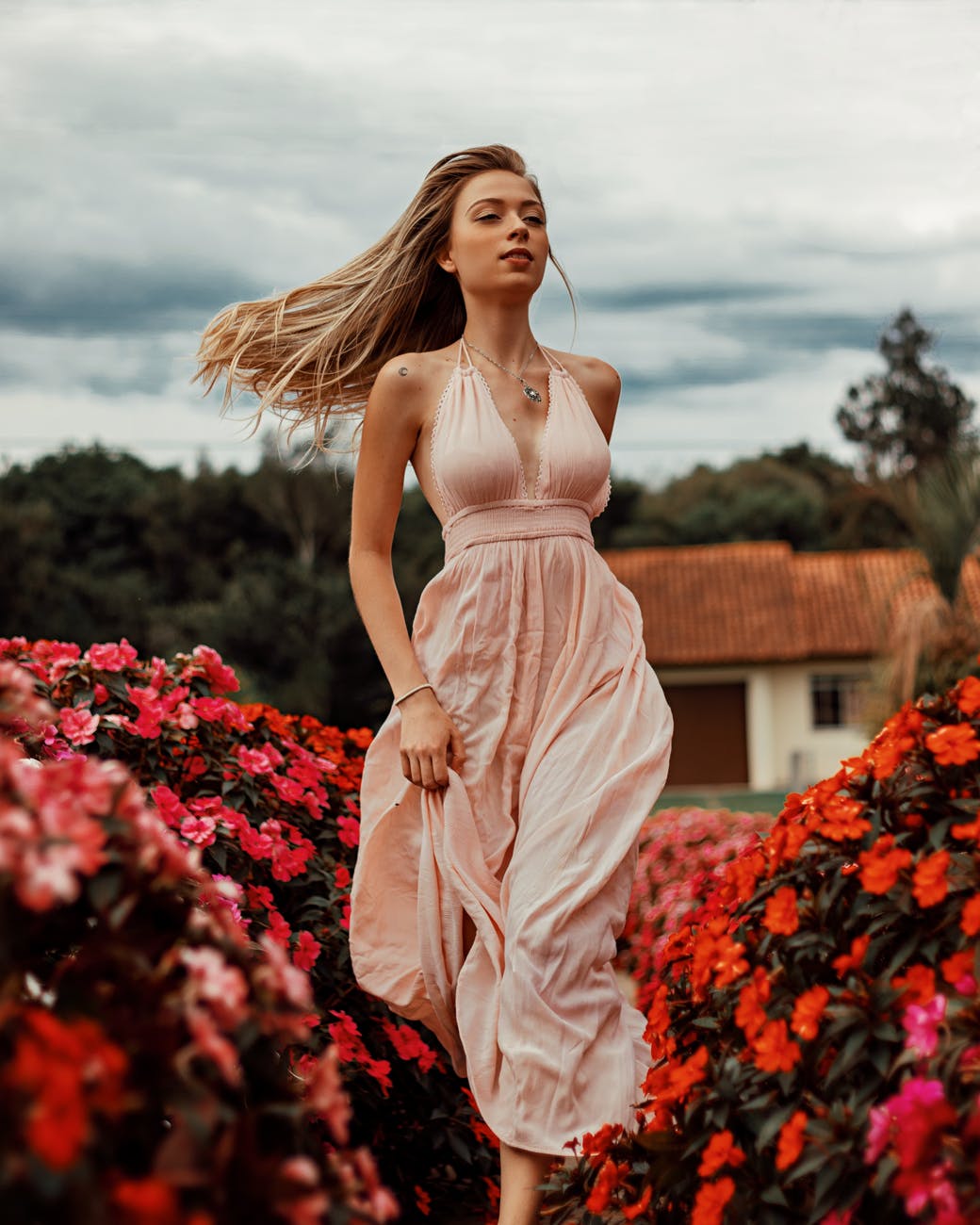
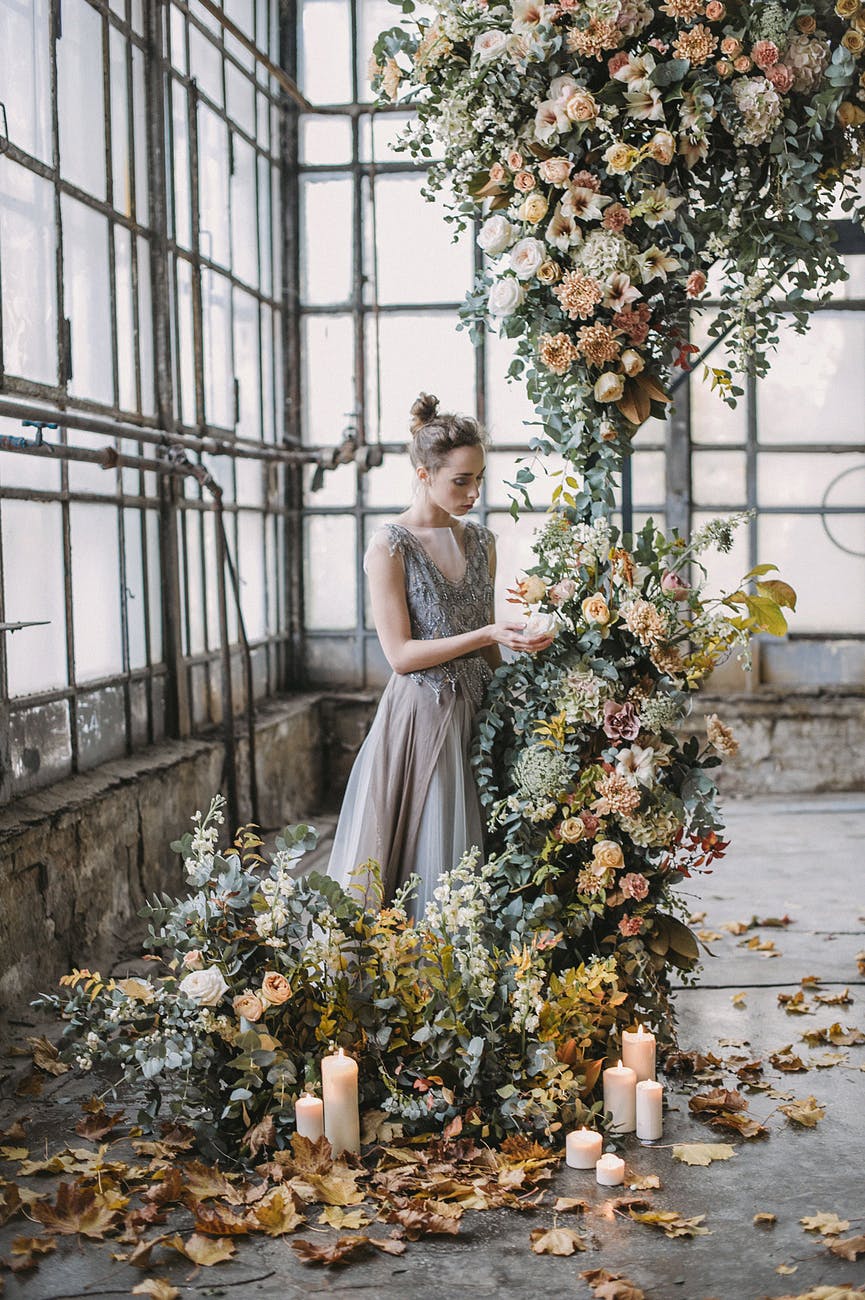
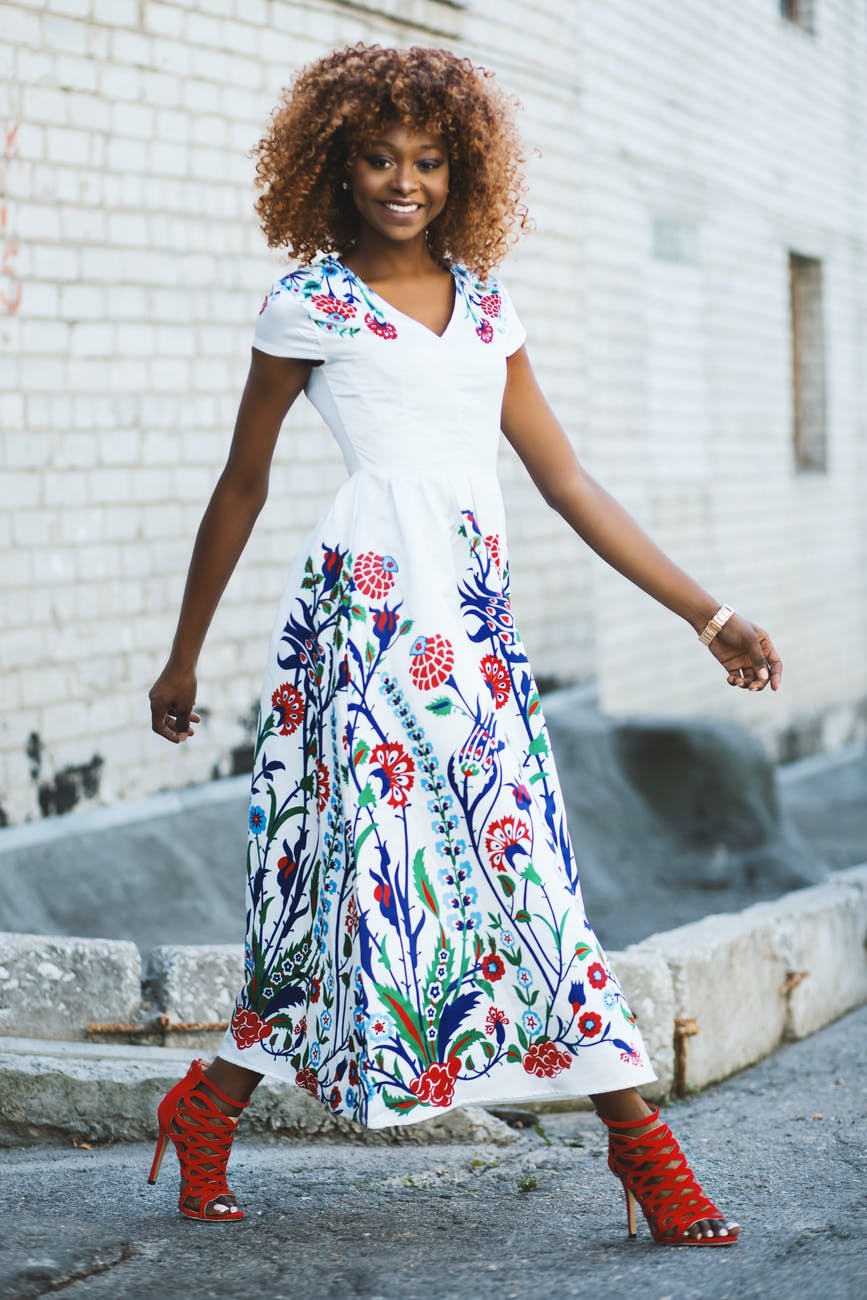
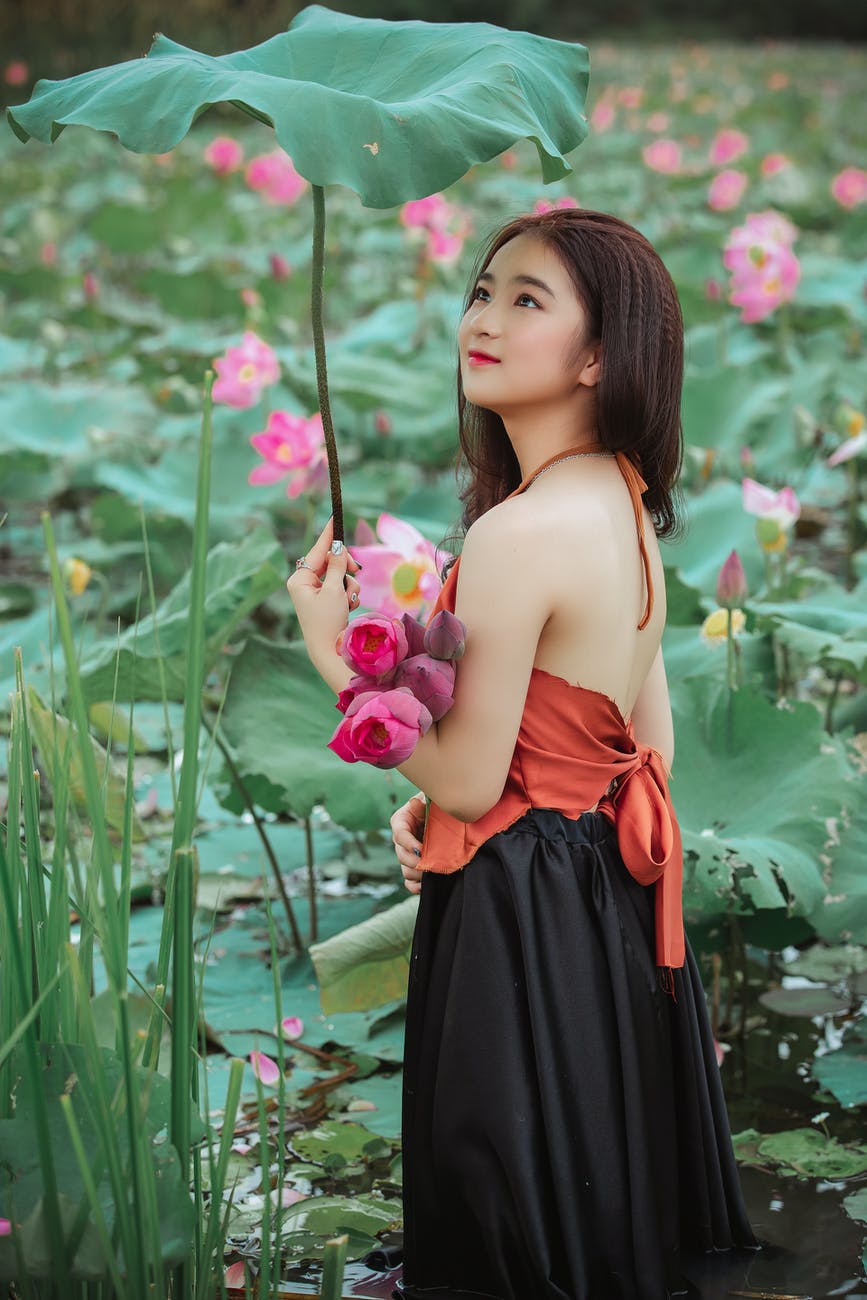
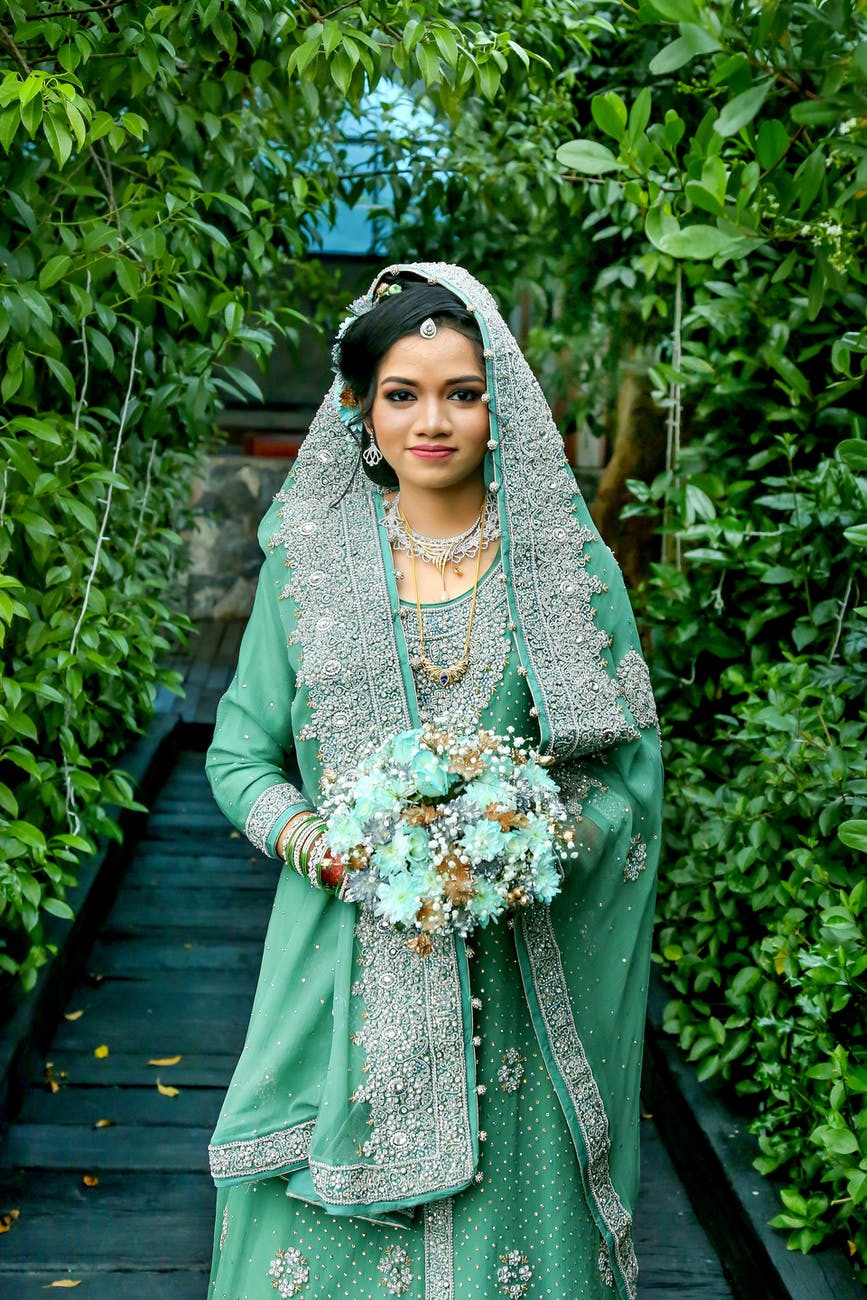
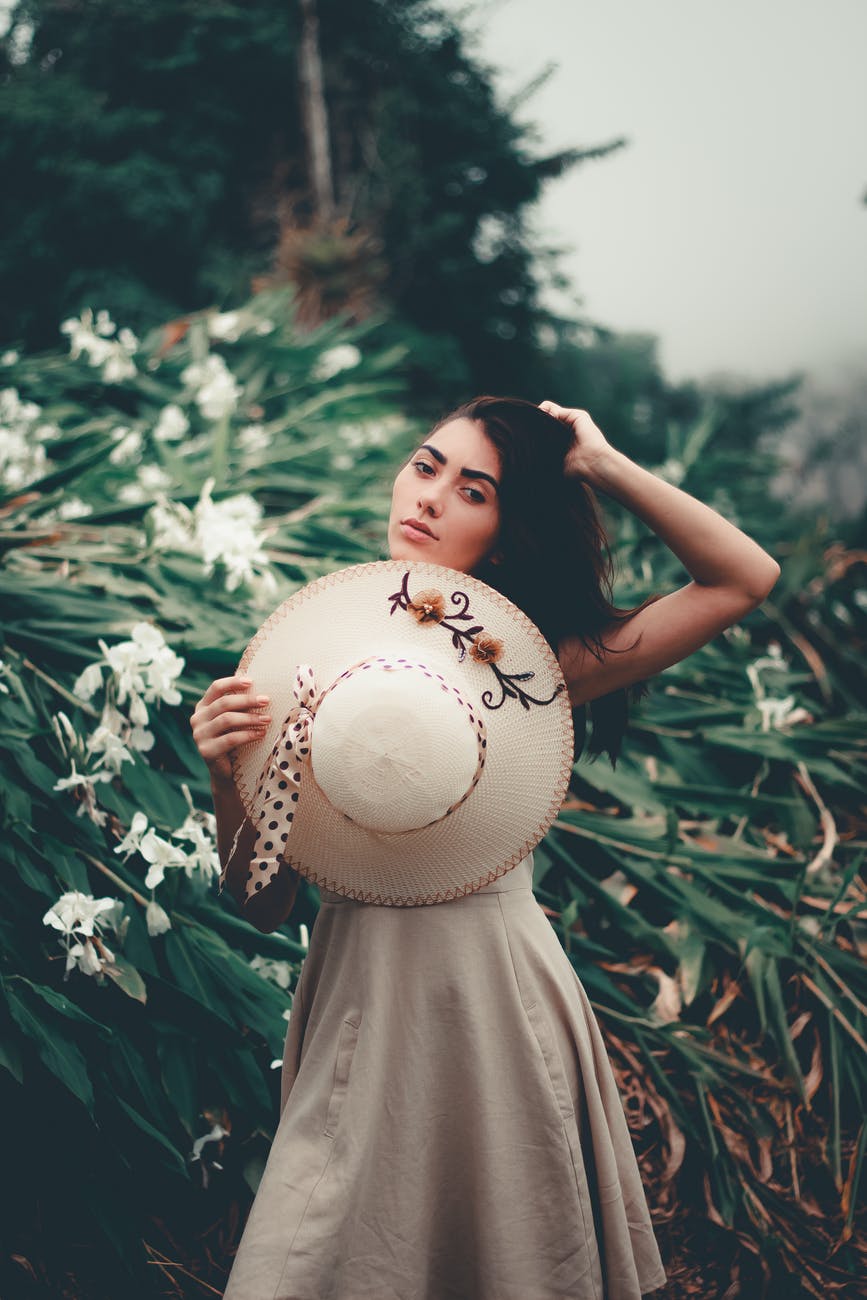
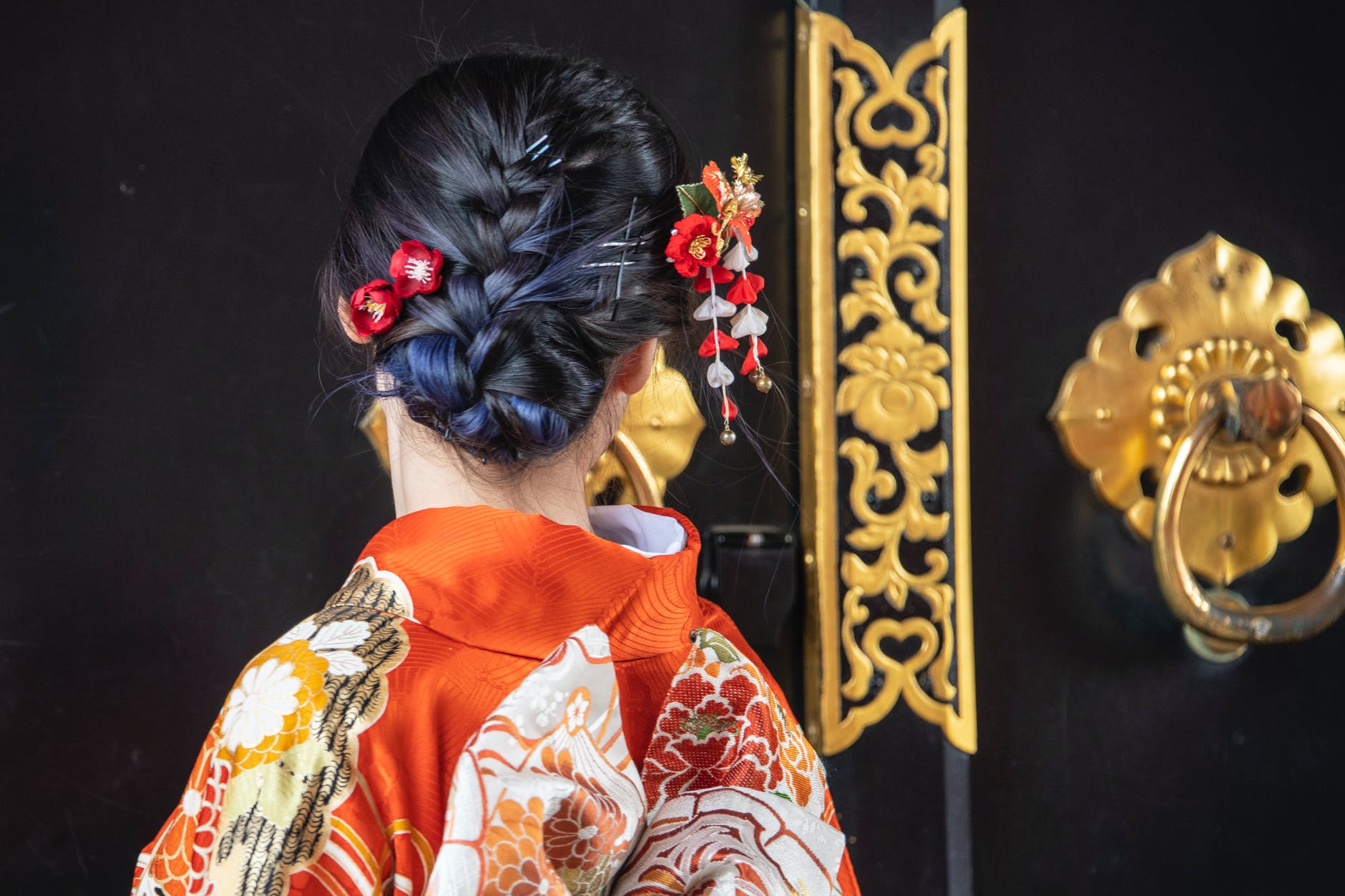
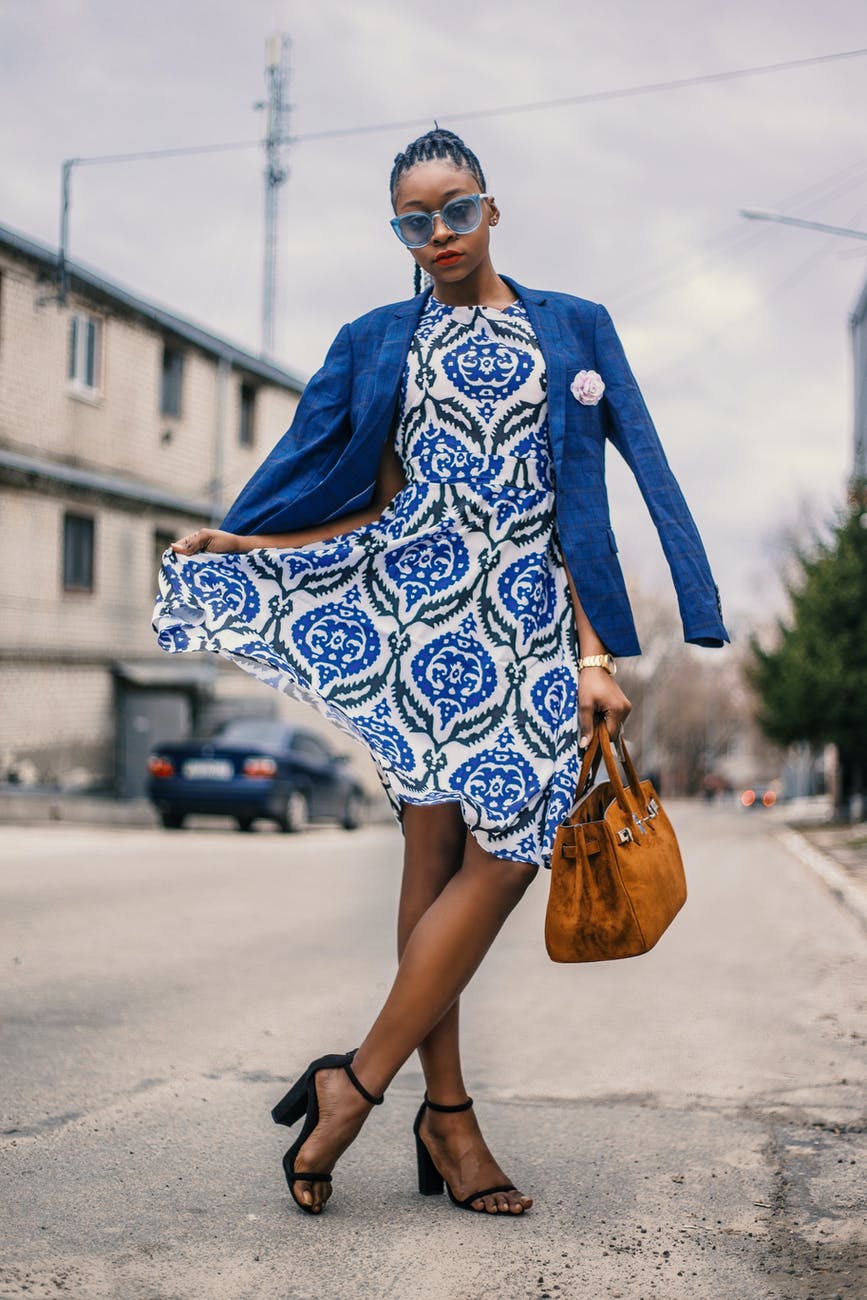
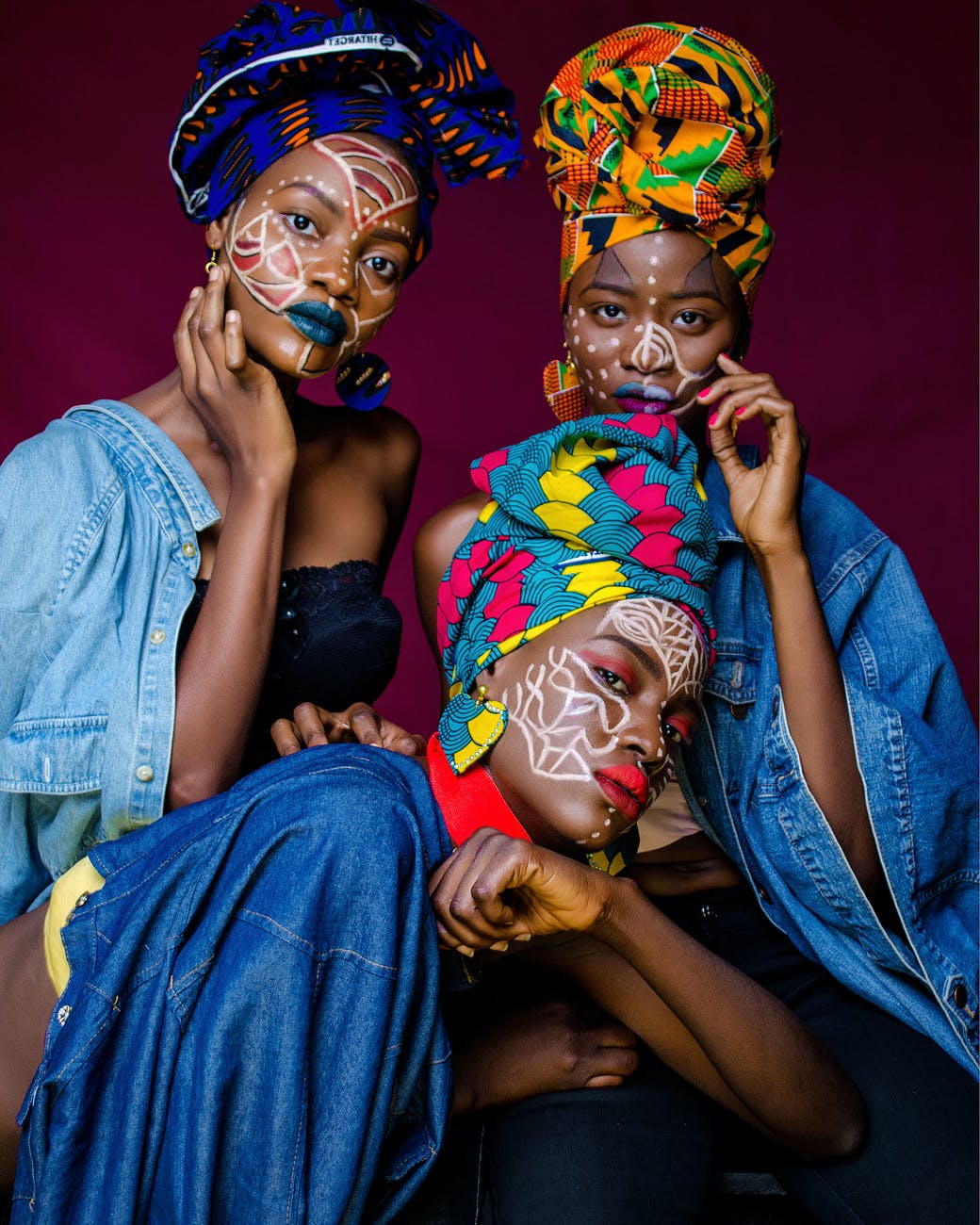
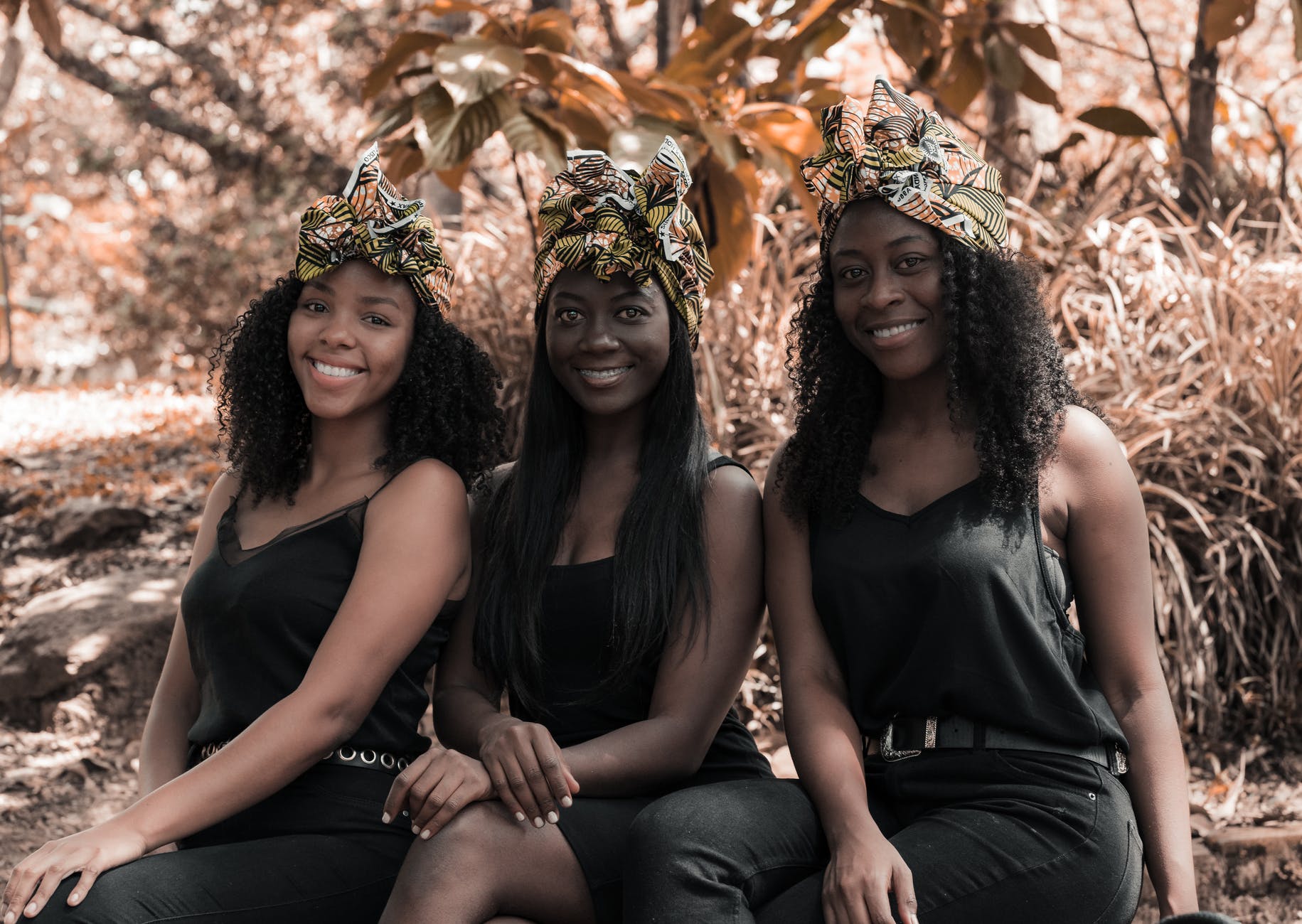
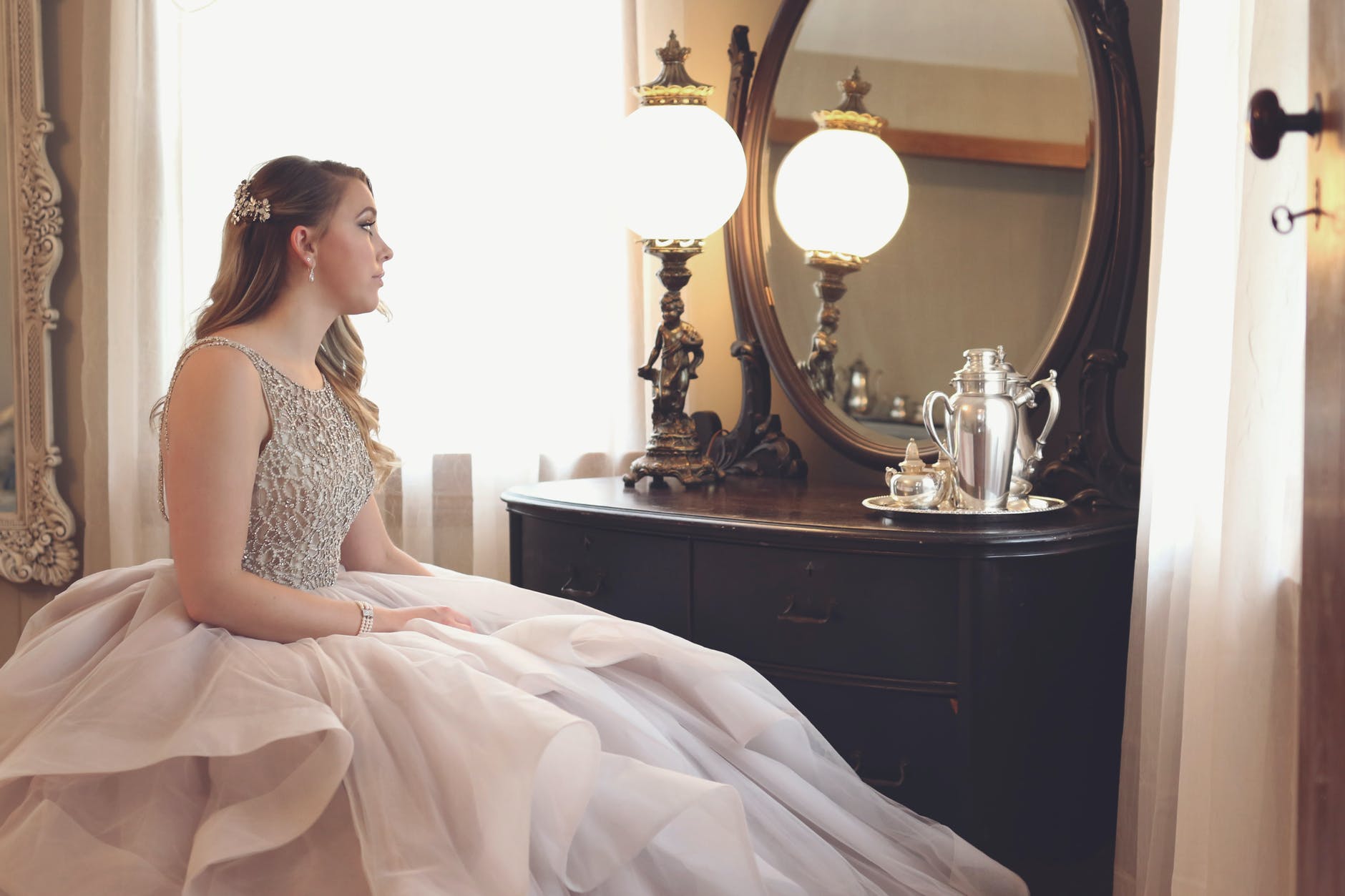
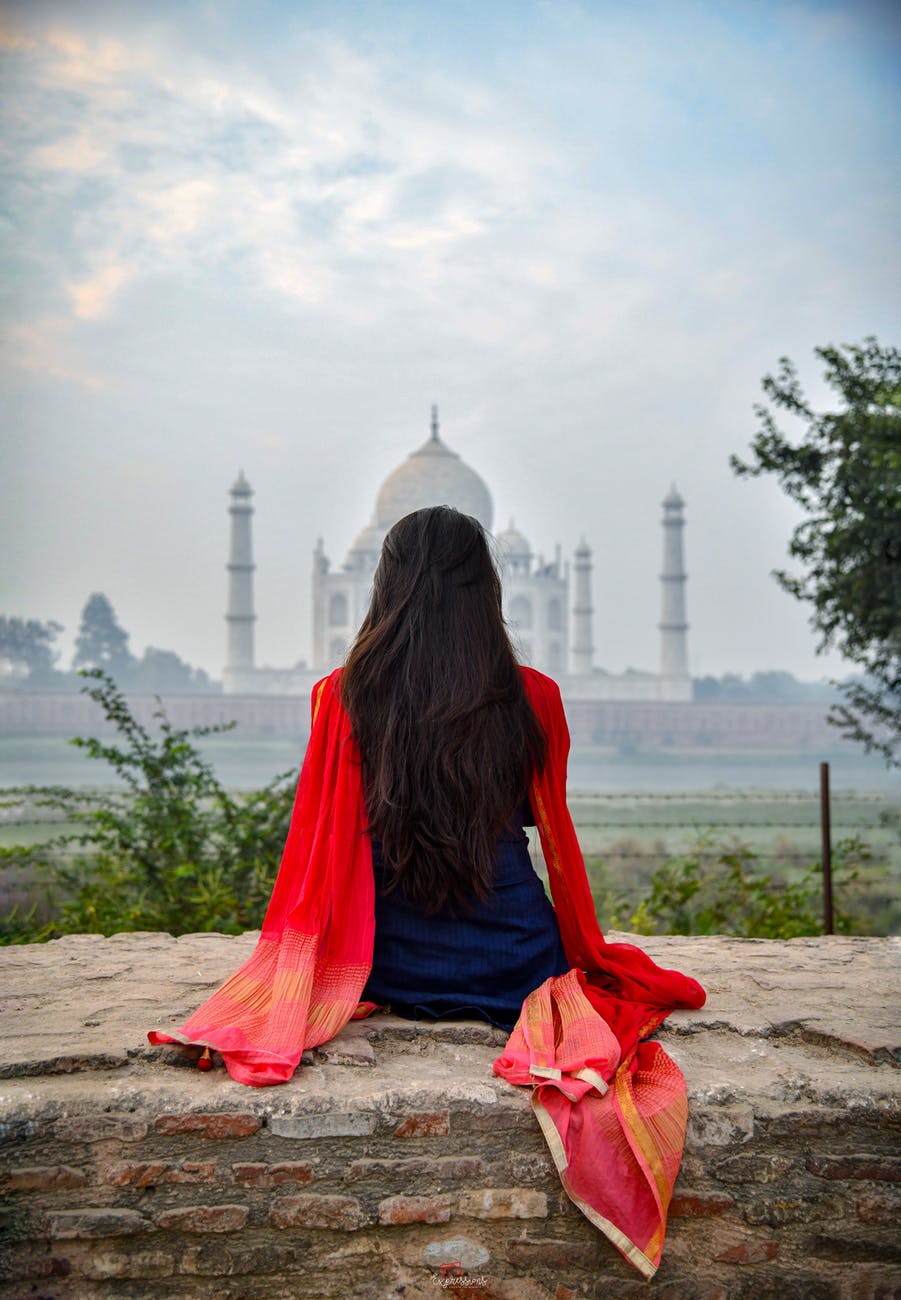
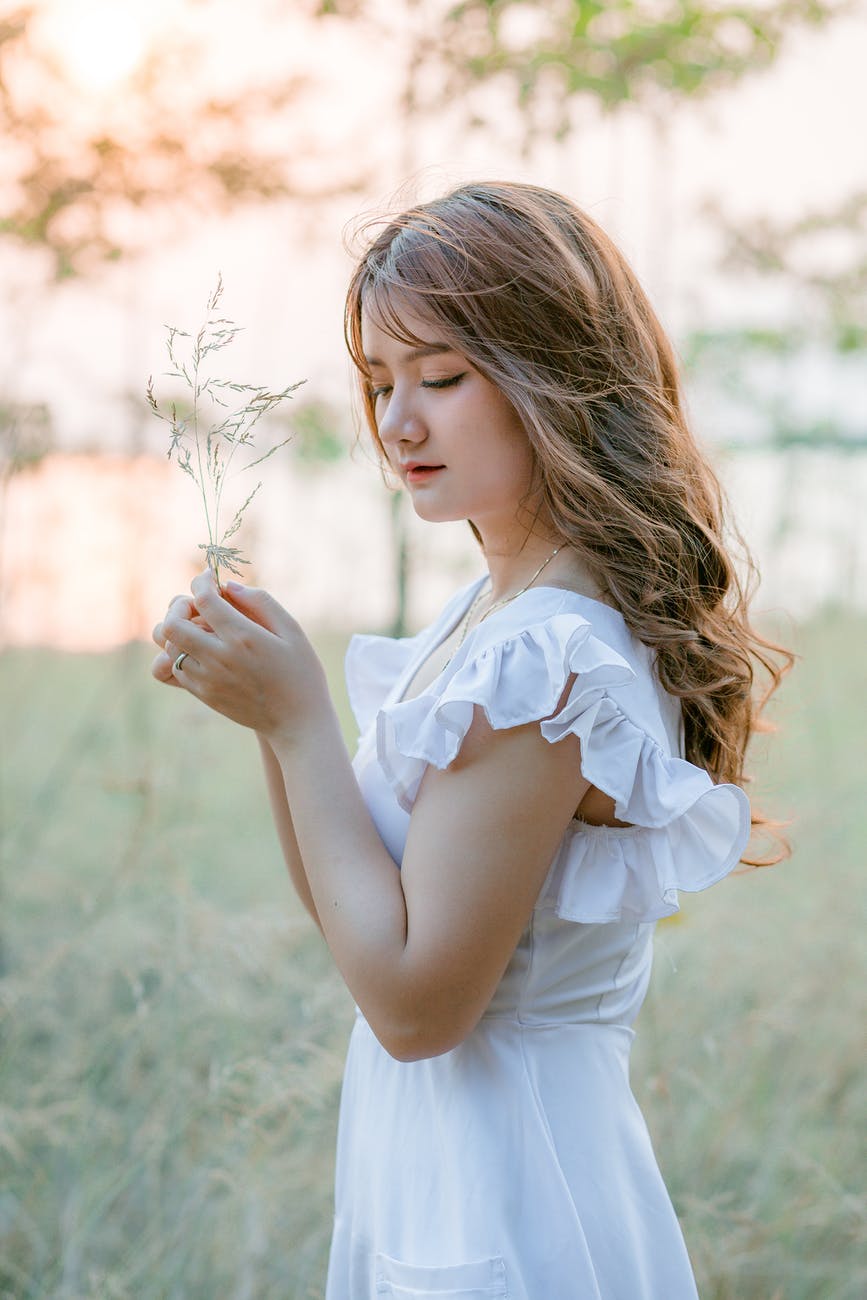
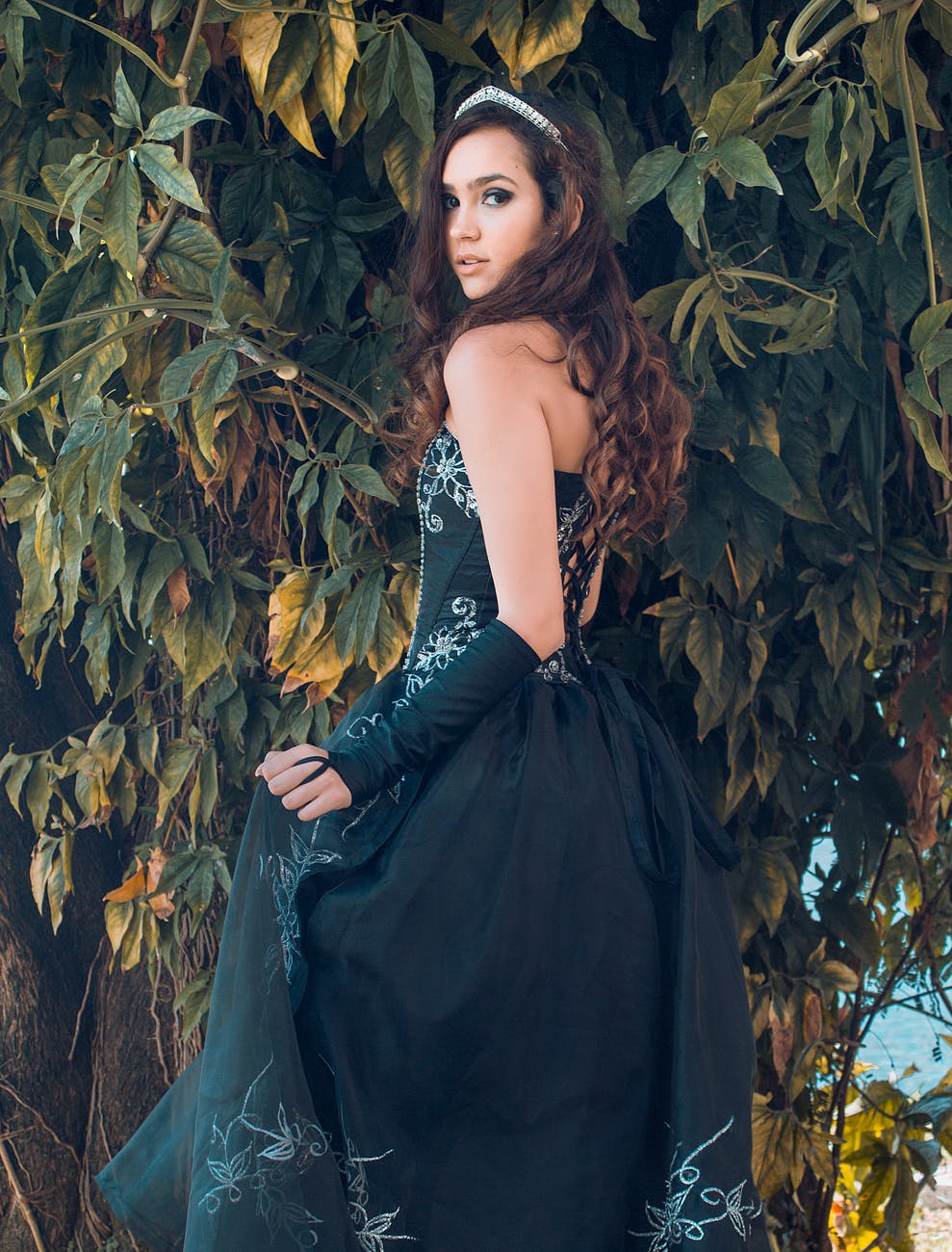
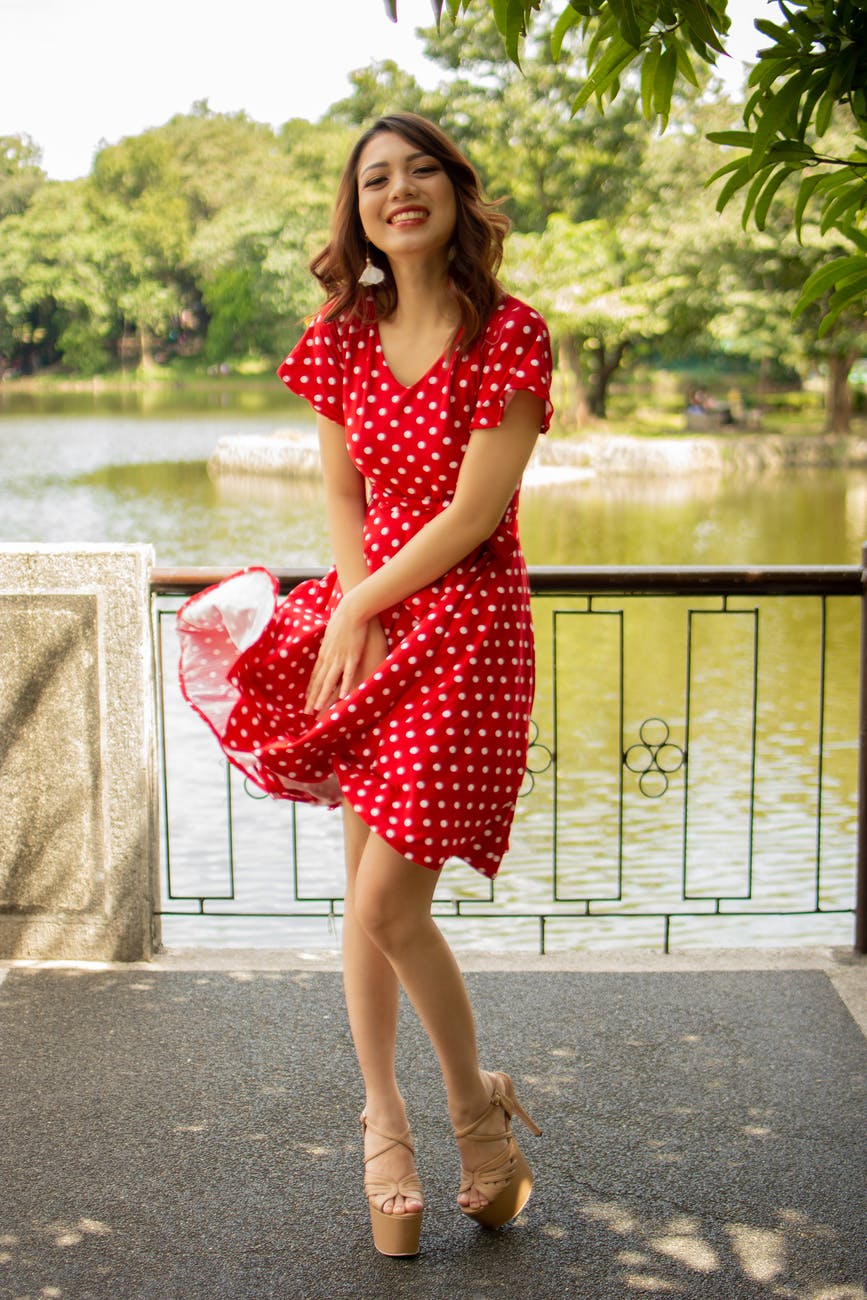
When I search the free photo library for images to include in my blog articles, I always come across so many beautiful photographs. I never get the chance to use most of these. I thought I would share some here instead, to act as style inspiration. Absorbing beauty can help us recognise what makes something beautiful and to then replicate that in bringing together our own outfits. The following photographs are also a celebration of women and femininity. Depending on your internet, you may have to be patient while they load as I’ve shared a lot of images. I hope you enjoy!

Which photographs do you most feel drawn to? Do you recognise any themes in femininity? Have a beautiful and inspired day, my sisters around the world!