In a way I view my blog as a scrapbook and a place to gather interesting information, thoughts, links, and resources. I hope it can act as a library for those of you also seeking to grow as feminine women. Below I’ve shared several videos by different women who I think have wisdom to share on a range of topics. Clearly there are too many videos to listen to in one sitting, but if femininity is a topic that interests you, then this list is worth coming back to when you have time. There is much to be learnt from listening to the ideas and experiences of other women, and I wanted to share some voices you may not otherwise come across. I hope you can learn something of interest from them.
‘Being female is a matter of birth. Being a woman is a matter of age. Being a lady is a matter of choice.’
Anonymous
‘Do not live someone else’s idea of womanhood. Womanhood is you.’
Viola Davis
‘We start marketing to women and we start marketing to men, and it all of a sudden becomes, the aim becomes this biblical womanhood, biblical manhood. The aim isn’t that – I’m already a woman! My aim is to be a disciple of Christ. My aim is eternal communion with the triune God and one another.’
Aimee Byrd
What does it mean to become a more feminine woman? It’s been nearly one and a half years now since I started writing Feminine Finishing School and contemplating this question. I think healthy femininity comes from being strong in our gentleness and embracing both aspects of that. There are fun adornments we can add to express our femininity such as beautifying our appearance, learning etiquette, and developing creative skills, but those are not the most important part of femininity. Our first aim should be growing in Christlikeness, and then we can add extra accomplishments that match our personal expressions of femininity.
Feminine women are not separated from masculine men or anyone else. We are all humans who should strive to be true images of God. Our goal should be to develop the fruit of the Holy Spirit (Galatians 5:22-23): love, joy, peace, patience, kindness, goodness, faith, gentleness, and self-control. Most important of all is that we are living witnesses of God’s love. We should love God with all our heart, all our soul, all our mind, and all our strength, and we must love our neighbours as ourselves (Mark 12:30-31). If we don’t love, then is doesn’t matter how beautiful we may appear or how charming or sophisticated we may seem through etiquette. Love is the most important and should be the source of our femininity.
‘If I speak in the tongues of men or of angels, but do not have love, I am only a resounding gong or a clanging cymbal. If I have the gift of prophecy and can fathom all mysteries and all knowledge, and if I have a faith that can move mountains, but do not have love, I am nothing. If I give all I possess to the poor and give over my body to hardship that I may boast, but do not have love, I gain nothing.
Love is patient, love is kind. It does not envy, it does not boast, it is not proud. It does not dishonour others, it is not self-seeking, it is not easily angered, it keeps no record of wrongs. Love does not delight in evil but rejoices with the truth. It always protects, always trusts, always hopes, always perseveres.’
1 Corinthians 13:1-7
However, with that said and established as a foundation, stepping from childhood into mature femininity requires some guidance. Femininity offers a unique power of its own and is a life-long journey of self-growth. A woman is a girl who’s grown up, defined by her strength and experience, rather than someone defining themselves in opposition to men. I’ve written blog posts before about what I consider to be the keys to healthy femininity, but the question is: how is that expressed in the different stages of female experience?
The Feminine Journey
Girl, noun – ‘A female child. The counterpart of boy.’ or ‘A young or relatively young woman.’ First recoded circa 1300.
Oxford English Dictionary
Woman, noun – ‘An adult female human being. The counterpart of man.’ and ‘With specific reference to age: a female person who has reached adulthood… female person who is considered mature. Frequently contrasted with girl.’ Origins from early Old English
Oxford English Dictionary
Lady, noun – ‘Originally used as a polite form of address to a woman, especially (in early use) to one of elevated or higher social standing.’ or ‘A woman having the characteristics traditionally associated with high social standing; a refined or genteel woman.’ or ‘The female head of a household; a woman who has authority over servants.’ or ‘A woman who is the object of (especially chivalrous) love or devotion.’ Origins from early Old English.
Oxford English Dictionary
The Power of Femininity
Femininity is a woman’s power that comes from being true to herself while stepping into her life-giving qualities. A feminine woman is authentic and honest, unafraid of expressing her true self, and seeks to positively contribute to the world around her through life-giving qualities such as kindness, compassion, creativity, wisdom, and joyfulness. She seeks to improve herself to grow towards her potential, whilst having grace towards any mistakes she may have made in the past. Femininity means cultivating Christlike qualities and celebrating her existence as a woman. She aims to bring metaphorical life to the people and situations she encounters, not metaphorical death. She works to overcome death-bringing qualities such as unkindness, injustice, gossip, bullying, impatience, bitterness, and selfishness. Femininity manifests in different ways at different stages of life. It’s also expressed in diverse ways according to the individuality of each women. However, the core essence of femininity is the same: embracing the strength in your gentleness, finding authenticity through being unafraid of your vulnerabilities, and seeking to bring metaphorical life into the world.
Becoming a Good Woman
Stepping into adulthood and transitioning from a girl into a woman means learning our inner strength and accepting responsibility to take on whatever life throws at us. Being a woman means experiencing the highs and lows of life, the triumphs and failures, the love and the pain of living, and trusting we will get through somehow even when things don’t go as planned. Being a woman means having a self-assurance in knowing our self and our basic values, knowing what we will and will not compromise. It means being able to participate independently in our society, accepting adult responsibility, and caring for those we’ve been entrusted with in life.
Becoming a True Lady
Choosing to become a lady means further developing the social graces, education, consideration for others, leadership skills, knowledge of etiquette, self-awareness, and poise to become a considerate leader. Whereas a woman has embraced the power within herself to become autonomous and influence her family, a lady continually improves and refines herself and has further discovered how to influence her wider community or society. A feminine woman knows herself and positively influences her family. A feminine lady seeks to always grow herself and positively influence her wider society. Good women and ladies share the same feminine power, but true ladies have developed and expanded that feminine power to another level.
Summary
Girls are children and are led by their parents and teachers as they learn about the world around them. Women are adults and are able to lead themselves in that world. True ladies are committed to self-improvement and have learnt to lead not just themselves but also their communities towards becoming and creating a better world.
I thought I’d share with you some of my favourite feminine YouTube channels. Some of them directly talk about femininity, etiquette, or growing towards becoming a better person. Others simply demonstrate values or characteristics that I personally associate with different aspects of femininity.
There are a lot of YouTube channels out there that discuss femininity. Many of these do have good advice, including channels that haven’t made this list. However, femininity has become a popular theme online over the past year and some YouTubers seem to have simply jumped on the trend. Some channels are more focused on superficial elements associated with femininity, such as external appearance or romantic relationships. Those topics can be fun, but in my opinion true femininity comes from the inside. It’s important we are discerning about which messages we choose to accept. We should choose to surround ourselves with the values and traits we wish to embody.
In no particular order, here are my top 30 favourite YouTube channels about femininity, etiquette, beauty, style, cooking, nature, art, culture, community, relationships, faith, Christianity, and inspiration for generally becoming a better version of myself. I hope you enjoy them too.
1 Mrs Midwest
Caitlin, otherwise known as Mrs Midwest, is a homemaker and a young wife living in the mid-west of America. She makes videos discussing femininity, homemaking, beauty, relationships, traditional lifestyle, her faith, and baking.
2 Karine Alourde
Karine discusses and analyses what makes certain women feminine, how they could improve their femininity, and what we can learn from them. These range from fictional characters to real people and a brilliant series about femininity around the world in different cultures.
3 The Feminine Fancy
Felicia is a former actress and beauty pageant queen who has expanded her love of all things feminine to talk about it as a YouTuber and blogger. Her videos discuss femininity, elegance, beauty, style, relationships, self-improvement, advice, and women’s issues.
4 Cynthia L
Cynthia is a millennial housewife and a former Miss Earth Canada beauty pageant model. She draws on this experience in many of her videos to talk about femininity, etiquette, beauty, body language, personality refinement, and homemaking.
5 That Feminine Housewife
Ina is a housewife from Norway who likes to take a more scientific approach in some of her beauty tips, examining exactly what it is that makes a woman appear more feminine. She makes videos about style, beauty, make-up, homemaking, and her interpretation of femininity.
6 School of Affluence
Anna is a certified image consultant and has attended a Swiss finishing school to gain a diploma in international etiquette and protocol. She uses that knowledge to teach about modern elegance, style, etiquette, personal transformation, and high society lifestyles.
7 Lisa Hart
Lisa is a fashion designer and blogger from France who loves old Hollywood glamour and belly dance, which she draws upon in a number of her videos. In her videos she discusses style, beauty, femininity, elegance, deportment, glamour, and grace.
8 Jonna Jinton
Jonna is an artist, musician, singer, photographer, filmmaker, and jewellery designer who lives close to nature in a small remote village in the north of Sweden. Her videos and vlogs are always works of art sharing the beauty of nature, her latest creative projects, and genuine emotions from her life.
9 Liziqi
Li Ziqi is a highly talented and very hardworking young Chinese woman who lives with her grandmother amongst the mountains of rural China. Her fairytale aesthetic videos demonstrate traditional Chinese cookery, gardening, farming, and various other traditional Chinese crafts.
10 Girl in Calico
Kaetlyn is a young American woman who enjoys cultivating a slower and more meaningful way of life through traditional living and her Christian faith. She creates beautifully aesthetic videos recording her gardening, baking, cooking, preserving, and homemaking through the seasons of the year.
11 Traditional Me
Nadee has been described as the Li Ziqi of Sri Lanka. Her high-quality videos show her gathering then cooking plants from the surrounding garden and farm into traditional Sri Lankan meals, whilst interacting with her grandmother and her teasing younger brother.
12 RayaWasHere
Raya was originally a travel vlogger but more recently she’s been shifting her content towards sustainability, personal growth, conscious living, doing social good, and nurturing the community around her. She encourages inspiration, passion, adventure, kindness, travel, culture, and self love.
13 AlexandrasGirlyTalk
Alexandra’s videos are always very well put together and appear professional in their quality. She gives advice on beauty, fashion, style, make-up, hair, and occasionally other topics she thinks girls should know about such as femininity or dating.
14 The Rachel Review
Rachel offers advice in her videos on various topics related to style, beauty, and lifestyle. These she gives based on her own approach of sophistication, femininity, elegance, and class, whilst also embracing a spirit of adventure.
15 Audrey Coyne
Audrey is a fashion enthusiast and a minimalist who aims to help people discover their unique personal style. In her videos she talks about style advice, fashion, wardrobe planning, and other related topics, as well as tips on having an attractive voice from her training as an opera singer.
16 Emily Wilson
Emily is a Roman Catholic wife and mother from California. She believes that girls and young women need to hear the truth in love, so she answers viewers’ questions, provides pep talks, and gives encouraging practical advice to help with faith, relationships, confidence, and friendships.
17 Tiffany Dawn
Tiffany is a Christian author, speaker, and YouTuber who loves to share the life advice that women don’t hear in church. In her videos she discusses boys, singleness, healthy romantic relationships, beauty, body image, eating disorders, God, faith, Bible study, and general life tips.
18 Dating Beyond Borders
Marina organises actors and actresses to demonstrate traits of different countries through cross-cultural relationships from all around the world. These videos give entertaining short stories and use romantic relationships to share a bit about the different cultures.
19 The Daily Connoisseur
Jennifer is a New York Times bestselling author of Lessons From Madame Chic and other books, as well as being a wife and a mother of four. In her videos she talks about capsule wardrobes, thoughts on style, homemaking, classy living, elegance, parenting, and etiquette.
20 The Modern Lady
Devereaux is an author and YouTuber who teaches ladies how to live with class, confidence, charisma, and elegance. She discusses social graces, classic style, and sophisticated living, as well as having a series where she interviews a variety of classy ladies.
21 IntoAMilli Lady
Karina is an entrepreneur running an online business and she also makes videos discussing women, money, and power. On her channel she talks about internal growth, elegance, beauty, wealth, business, etiquette, romantic relationships, and what she considers the ills of society.
22 Linda Sandrine
Linda now lives in America but was originally from Cameroon, meaning she has a lovely Cameroonian accent. In her videos she talks about elegance, femininity, being ladylike, beauty, health, fashion, dating, and relationships.
23 Isabel Paige
Isabel lives close to nature on a farm in the mountains of America. She shares stories from her life of learning how to farm for herself, building her own tiny house, creating vegan meals, doing yoga in the mountains, swimming in the rivers, laughing with family, and exploring a simpler lifestyle.
24 Daughter of Old
Annie is a freelance artist, a videographer, and an aspiring herbalist. She shares the everyday rhythms of her life as she works in tune with the seasons and alongside nature to find the beautiful magic in traditional crafts such as cooking, baking, and herbalism.
25 The Elliott Homestead
Shaye and her husband Stuart run a small farm in Washington State of America, where they grow their own food and home-school their four children. In their videos they share the love, purpose, and beauty they find in their life of gardening, farming, cooking, preserving, and homemaking.
26 The Darling Academy with Alena Kate Pettitt
Alena is a British author and housewife from the Cotswolds of England. She creates videos about simple, wholesome, vintage-inspired homemaking as well as etiquette, femininity, marriage, and the misunderstandings she’s been subject to as a woman desiring a traditional lifestyle.
27 The Chateau Diaries
Stephanie is the chatelaine of the 16th-century French Chateau de LaLande, which she is restoring to its former glory with family, friends, and volunteers from all over the world. Her videos share life filled with laughter, decorating, renovation, cooking, gardening, and many wonderful characters.
28 This Esme
Esme is a young equestrian who shares the adventures and fun she has learning more about horses. Her videos include vlogs with her ponies, her riding lessons, interviews with top riders, visits to equestrian events, horse care routines, equestrian travel, and exploring the equestrian community.
29 FarAwayDistance
Becca is an evangelical Christian and a school teacher from Illinois in America. She makes videos to talk about her faith as a Christian, to teach the Bible with an emphasis on being both truthful and loving, and to challenge people to grow deeper in faith and love.
30 BibleProject
Tim and Jon from BibleProject can’t be classified as a feminine YouTube channel, but they’ve helped me learn more about God and the Bible so this list would be incomplete without it. They create artistically stunning short animated videos about how to read the Bible and exploring profound themes that run throughout the Bible. Their videos are really good and I would highly recommend them, whether you consider yourself Christian or not.
The Young Lady’s Friend by Mrs John Farrar, otherwise known as Eliza Ware Farrar, was first published in Boston, America, in 1838. Intended as a coming-of-age guide for middle-class young ladies upon leaving school aged 15-20, the book offers guidance and advice on how they should navigate the new stage of their life in the society of the time.
Eliza Ware Farrar was born in France in 1791. During the French Revolution she left France with her family for England, where she was educated. She later moved to America, where she married her American husband in 1828, who was a professor at Harvard. Eliza Ware Farrar had several children’s books published during the 1830s, however her most important work was The Young Lady’s Friend. This was widely popular in both America and England, reprinted as late as 1880. She died in 1870, aged 78.
A lot of the book’s interest comes from its historic context and learning about the position of young ladies in the culture of the time. Some of the advice given and certain attitudes are very much outdated, showing their cultural context. However, I think there is still value to be taken from other parts of Eliza Ware Farrar’s advice. She encourages her readers to embark upon a life of constant self-improvement, founded in her Christian faith, and promotes intellectual learning alongside practical service and consideration for others. The full text is freely available online and can be read here. Below I’ve shared a selection of quotations that I thought were interesting or helpful.
On Time Management
‘By having regular hours for the different employments of the day, you will avoid the great waste of time, which is occasioned by uncertainty as to what you shall do next.’
Eliza Ware Farrar
‘If the minutes were counted, that are daily spent in idle reverie or idler talk, in thinking of setting about a task that is not relished, and in looking for things that should never have been mislaid, they would soon amount to hours, and prove sufficient to the acquisition of some elegant art, or the study of some useful science.’
Eliza Ware Farrar
‘Never use up a rainy morning in doing a variety of little jobs, and think, because you despatch a great many, you have well bestowed your time; leave small affairs for odd half-hours, and use your uninterrupted morning for something that cannot be done in half-hours.’
Eliza Ware Farrar
‘As a general rule for living neatly and saving time, it is better to keep clean than to make clean.’
Eliza Ware Farrar
On Pouring Tea
‘There is more to be learned about pouring out teas and coffee, than most young ladies are willing to believe… I have often seen persons pour out tea, who, not being at all aware that the first cup is the weakest, and that the tea grows stronger as you proceed, have bestowed the poorest cup upon the greatest stranger, and given the strongest to a very young member of the family who would have been better without any. Where several cups of equal strength are wanted, you should pour a little into each, and then go back inverting the order as you fill them up, and then the strength will be apportioned properly.’
Eliza Ware Farrar
On Hospitality
‘When friends come to see you, uninvited, do the best you can to entertain them well, but make no comment or apology; for that always sounds to your guests like a reproach for taking you unawares.’
Eliza Ware Farrar
On Nursing
‘Whatever infirmities of temper are betrayed by the sick, consider yourself bound by the charities of your office, as nurse, to bear them patiently, and never to speak of them. The only legitimate use to be made of them is that of learning to avoid similar faults, when you are yourself equally tempted.’
Eliza Ware Farrar
On Dress
‘A pure taste in dress may be gratified at a small expense; for it does not depend on the costliness of the materials employed, but on the just proportions observed in the forms, and an harmonious arrangement of colours.’
Eliza Ware Farrar
‘All styles of dress, therefore, which impede the motions of the wearer, which do not sufficiently protect the person, which add unnecessarily to the heat of summer, or to the cold of winter, which do not suit the age and occupations of the wearer, or which indicate an expenditure unsuited to her means, are inappropriate, and therefore destitute of one of the essential elements of beauty.’
Eliza Ware Farrar
‘The same honesty and self-respect… should prevent your wearing anything, even out of sight, that you would be ashamed to have seen, if sudden indisposition caused it to be exposed before strangers.’
Eliza Ware Farrar
‘If your clothes are washed every week, you only want changes enough to last two weeks; that allows you time to mend your clothes after they come out of the wash.’
Eliza Ware Farrar
On Filial Behaviour
‘It is to be feared, that some young ladies think themselves excused from the duty of filial reverence, because they are more highly educated than their parents; they have more knowledge, more refinement, and therefore they may dictate, contradict, and set up their judgements in opposition to their fathers’ and mothers’. But this is a great mistake; no superiority of culture can change the relation of child and parent, or annul the duties that grow out of it. The better your education has been, the more cause for gratitude to those who have procured for you this blessing… the more your influence is needed in the family, the more important it is, that you should not impair it,’
Eliza Ware Farrar
‘There is besides a great meanness in turning against your parents the weapons which their kindness has put in your hands. The acquirements of their children often make parents feel their own deficiencies very painfully; and nothing but the most respectful behaviour, on the part of the offspring, can lessen the mortification,’
Eliza Ware Farrar
‘The sympathy you will so often need from affectionate parents, you must abundantly repay, or you will become selfish and exacting.’
Eliza Ware Farrar
‘If you happen to be alone in your mother’s parlour when a friend of hers enters, who is a stranger to you, you should rise to receive her, as if you were mistress of the house; place a chair for her, and enter conversation with her, till your mother appears, when you may quietly withdraw, unless she so introduces you, as to indicate her wish that you should stay and make the acquaintance.’
Eliza Ware Farrar
On Brothers
‘The important relation which sisters bear to brothers cannot be fully appreciated, without a greater knowledge of the world and its temptations to young men, than girls in their teens can be supposed to possess; and therefore I would beg you to profit by my experience in this matter, and to believe me when I assure you, that your companionship and influence may be powerful agents in preserving your brothers from dissipation, in saving them from dangerous intimacies, and maintaining in their minds a high standard of female excellence.’
Eliza Ware Farrar
‘If your brothers are younger than you, encourage them to be perfectly confidential with you; win their friendship by your sympathy in all their concerns, and let them see that their interests and their pleasures are liberally provided for in the family arrangements.’
Eliza Ware Farrar
‘If you are so happy as to have elder brothers, you should be equally as assiduous in cultivating their friendship, though the advances must of course be differently made. As they have long been accustomed to treat you as a child, you may meet with some repulses when you aspire to become a companion and friend; but do not be discouraged by this. The earlier maturity of girls, will soon render you their equal in sentiment, if not in knowledge, and your ready sympathy will soon convince them of it. They will be agreeably surprised, when they find their former plaything and messenger become their quick-sighted and intelligent companion, understanding at a glance what is passing in their hearts; and love and confidence on your part will soon be repaid in kind.’
Eliza Ware Farrar
‘ Brothers and sisters may greatly aid each other in judging of their friends of the opposite sex. Brothers can throw important light on the character and merits of young men, because they see them when acting out their natures before their comrades, and relieved from the restraints of the drawing-room; and you can in return, greatly assist your brothers in coming to wise and just conclusions concerning their female friends.’
Eliza Ware Farrar
On Family
‘If your heart is right towards God, and you feel that the great business of life is the education of your immortal spirits for eternity, you will easily bear with the infirmities of others, because you will be fully impressed with a sense of your own;’
Eliza Ware Farrar
‘It is a mistake to suppose that the nearness of the relationship makes it allowable; the more intimate our connection with any one, the more necessary it is to guard ourselves against taking unwarrantable liberties. For the very reason that you are obliged to be so much together, you should take care to do nothing disagreeable to each other.’
Eliza Ware Farrar
‘Genuine politeness is a great fosterer of family love; it allays accidental irritation, by preventing harsh retorts or rude contractions; it softens the boisterous, stimulates the indolent, suppresses selfishness, and, by forming a habit of consideration for others, harmonises the whole.’
Eliza Ware Farrar
On Female Friendships
‘You can always judge better of a person’s character by her manner of talking with others, than what she addresses directly to you, and by what she says of others, than by what she says to them.’
Eliza Ware Farrar
‘Inadvertently betraying the secrets of one friend to another is a cruel injury and a fruitful source of difficulty. Do not suffer yourself to be easily bound to secrecy, for keeping a secret is a very troublesome and disagreeable thing; but, when you are thus pledged, be scrupulously faithful.’
Eliza Ware Farrar
‘Speak of yourself only to your intimate friends, and of them, let the number be very limited and very well chosen.’
Eliza Ware Farrar
‘If you would cultivate refinement of manners, you must never allow yourself to be rude or boisterous with your young companions.’
Eliza Ware Farrar
‘Whilst you strive to bear being laughed at yourself, be very careful how you inflict that pain on others. When a good-humoured laugh has involuntarily been indulged in, at the expense of one of the company, you should always try to say or do something directly after, which shall assure the person laughed at, that she has lost no esteem or regard by being the object of your merriment.’
Eliza Ware Farrar
On Gossip
‘It is very difficult, and requires all “the wisdom of the serpent and the harmlessness of the dove,” to talk of people, without violating the laws of charity or of truth; it is therefore best to avoid it.’
Eliza Ware Farrar
‘When you receive your young friends at your own house, you should consider yourself responsible for the direction which the conversation takes; and, if it is becoming uncharitable or unprofitable, you should feel bound to give it a safer and better impulse. The introduction of a beautiful annual, or portfolio of prints and drawings, will often answer the purpose;’
Eliza Ware Farrar
‘Beware lest you become a meddler, in the vain hope of being a peace-maker.’
Eliza Ware Farrar
‘Remember the liability of a letter to miscarry, to be opened by the wrong person, to be seen by other eyes than those for whom it is meant, and be very careful what you write to the disadvantage of any one.’
Eliza Ware Farrar
On Behaviour to Gentlemen
‘What a pity it is, that that thousandth chance of a gentleman becoming your lover, should deprive you of the pleasure of a free, unembarrassed, intellectual intercourse with all the single men of your acquaintance! Yet such is too commonly the case with young ladies, who have read a great many novels and romances, and whose heads are always running on love and lovers.’
Eliza Ware Farrar
‘The less your mind dwells on lovers and matrimony, the more agreeable and profitable will be your intercourse with gentlemen.’
Eliza Ware Farrar
‘Converse always with your female friends, as if a gentleman were of the party, and with young men, as if your female companions were present.’
Anonymous
‘Love, in the heart of a woman, should partake largely of the nature of gratitude; she should love, because she is already loved by one deserving her regard; and if you never allowed yourself to think of gentlemen in the light of lovers or husbands until you were asked to do so, you would escape much suffering.’
Eliza Ware Farrar
On Refusing Gentlemen
‘The offer of a man’s heart and hand, is the greatest compliment he can pay you, and, however undesirable to you those gifts may be, they should be courteously and kindly declined, and, since a refusal is, to most men, not only a disappointment, but a mortification, it should always be prevented, if possible. Men have various ways of cherishing and declaring their attachment; those who indicate the bias of their feelings in many intelligible ways, before they make a direct offer, can generally be spared the pain of a refusal.’
Eliza Ware Farrar
‘It is his secret [that you rejected a gentleman], and you have no right to tell it to anyone; but if your parents are your confidential friends on all other occasions, he will not blame you for telling them. Your young female friends should never be allowed to tease or banter you into the betrayal of this secret.’
Eliza Ware Farrar
‘If, when your own behaviour has been unexceptional, your refusal to marry a man produces resentment, it argues some fault of character in him, and can only be lamented in silence.’
Eliza Ware Farrar
‘Never think the less of a man because he has been refused, even if it be by a lady whom you do not highly value. It is nothing to his disadvantage.’
Eliza Ware Farrar
On Good Manners
‘If you wish to be a well-bred lady, you must carry your good manners everywhere with you. It is not a thing that can be laid aside and put on at pleasure… When you try to assume it for some special purpose, it will sit awkwardly upon you, and often fail you, at your utmost need.’
Eliza Ware Farrar
‘It [proper etiquette] is a trifle, compared to the more serious business of life, but still, even these trifles mark a defect of character.’
Eliza Ware Farrar
‘All unmeaning and unnecessary movements are contrary to the rules of grace and good-breeding. When not intentionally in motion, your body and limbs should be in perfect rest.’
Eliza Ware Farrar
‘Your enjoyment of a party depends far less on what you find there, than on what you carry with you.’
Eliza Ware Farrar
On Conversation
‘The frequent use of some favourite word or phrase, is a common defect in conversation, and can only be guarded against by asking your friends to point it out to you, whenever they observe such a habit; for your own ear, having become accustomed to it, may not detect it.’
Eliza Ware Farrar
‘Good conversation is one of the highest attainments of civilised society. It is the readiest way in which gifted minds exert their influence, and as such, is worthy of all consideration and cultivation.’
Eliza Ware Farrar
‘Some persons seem to forget that mere talking is not conversing; that it requires two to make a conversation, and that each must be, in turn, a listener; but no one can be an agreeable companion, who is not as willing to listen as to talk.’
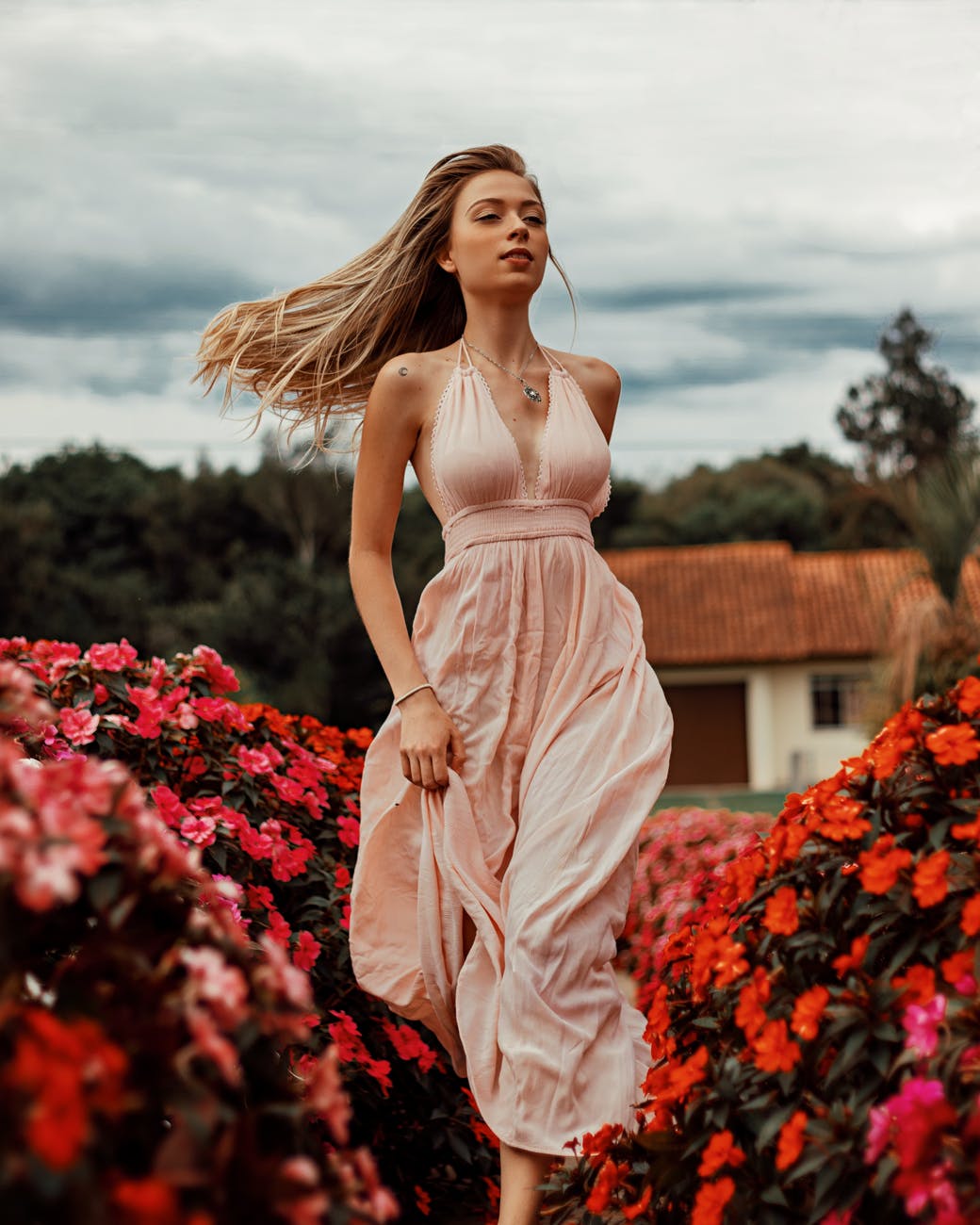
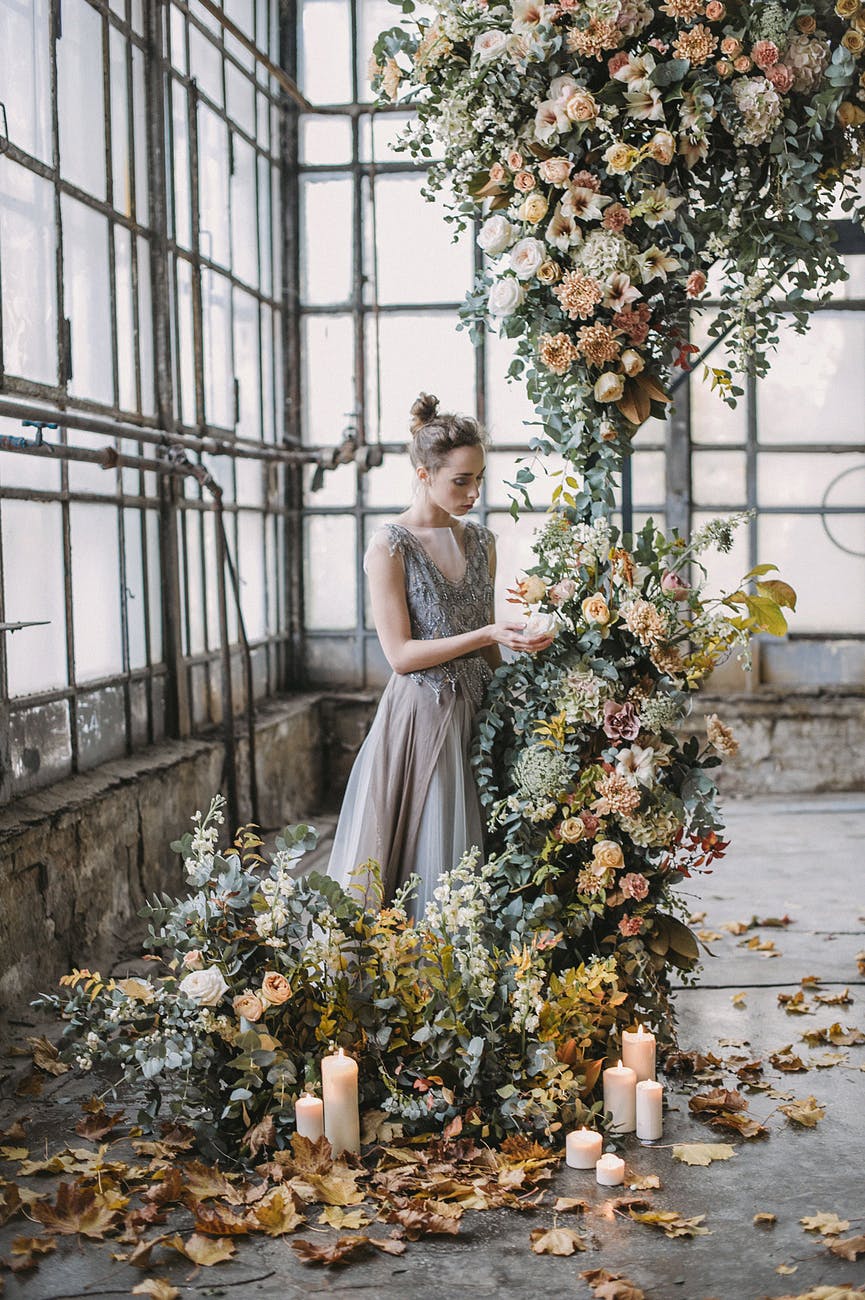
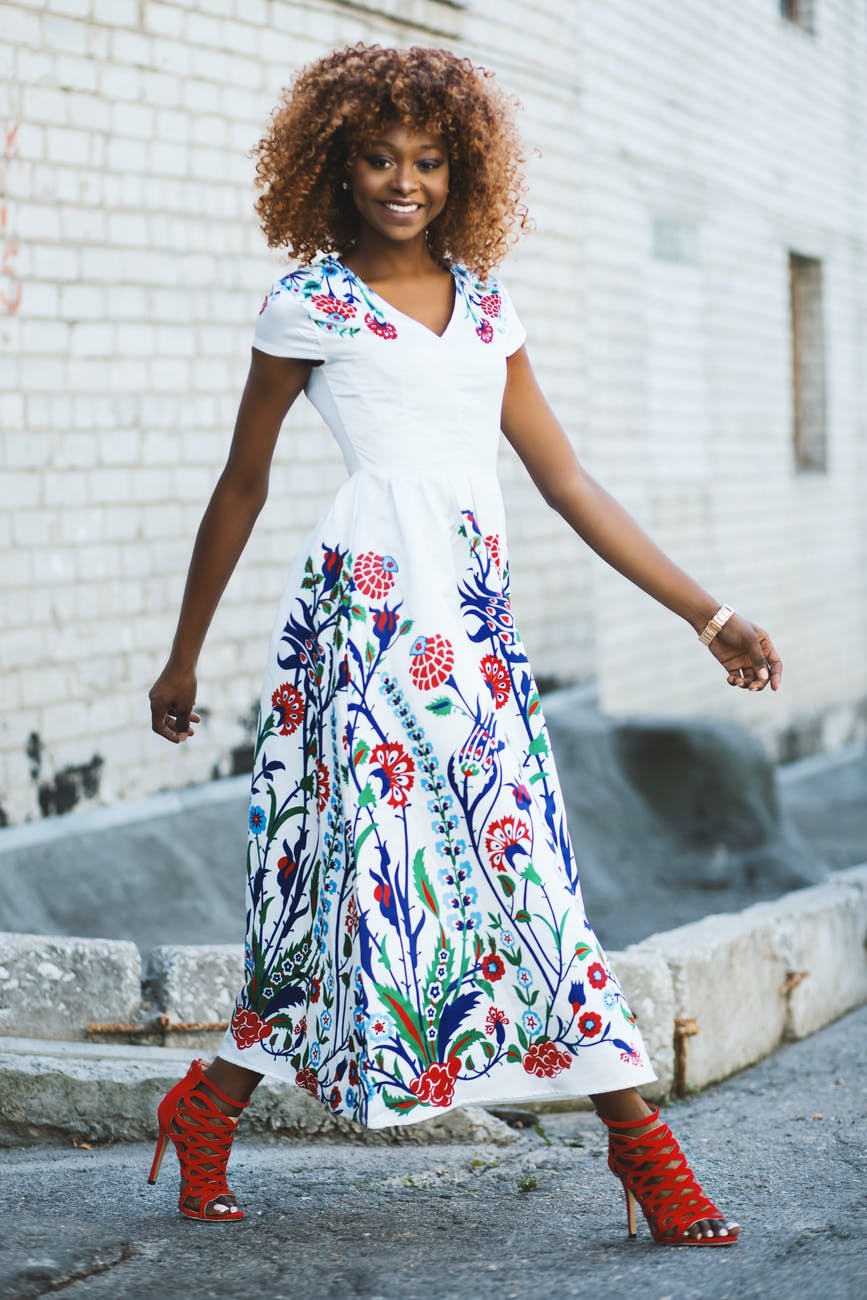
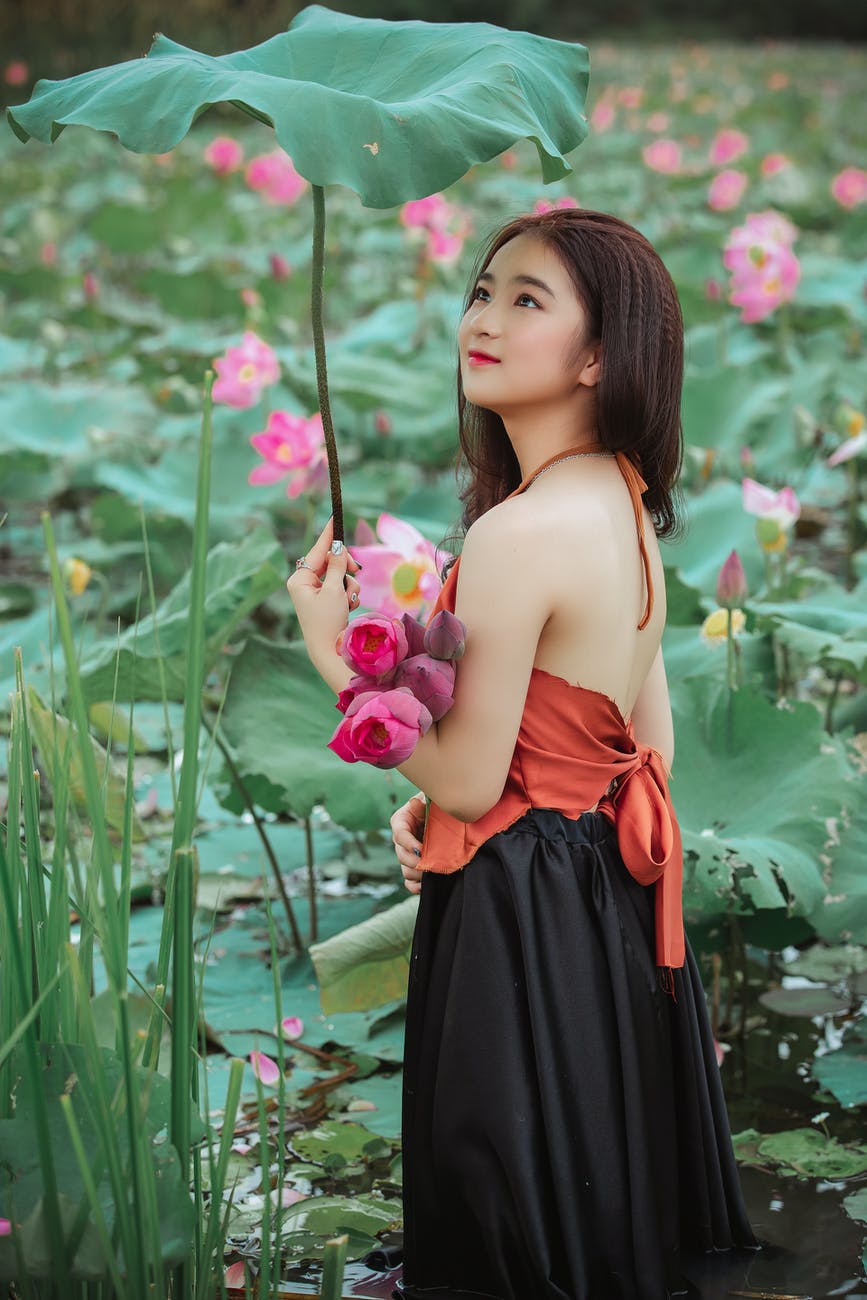
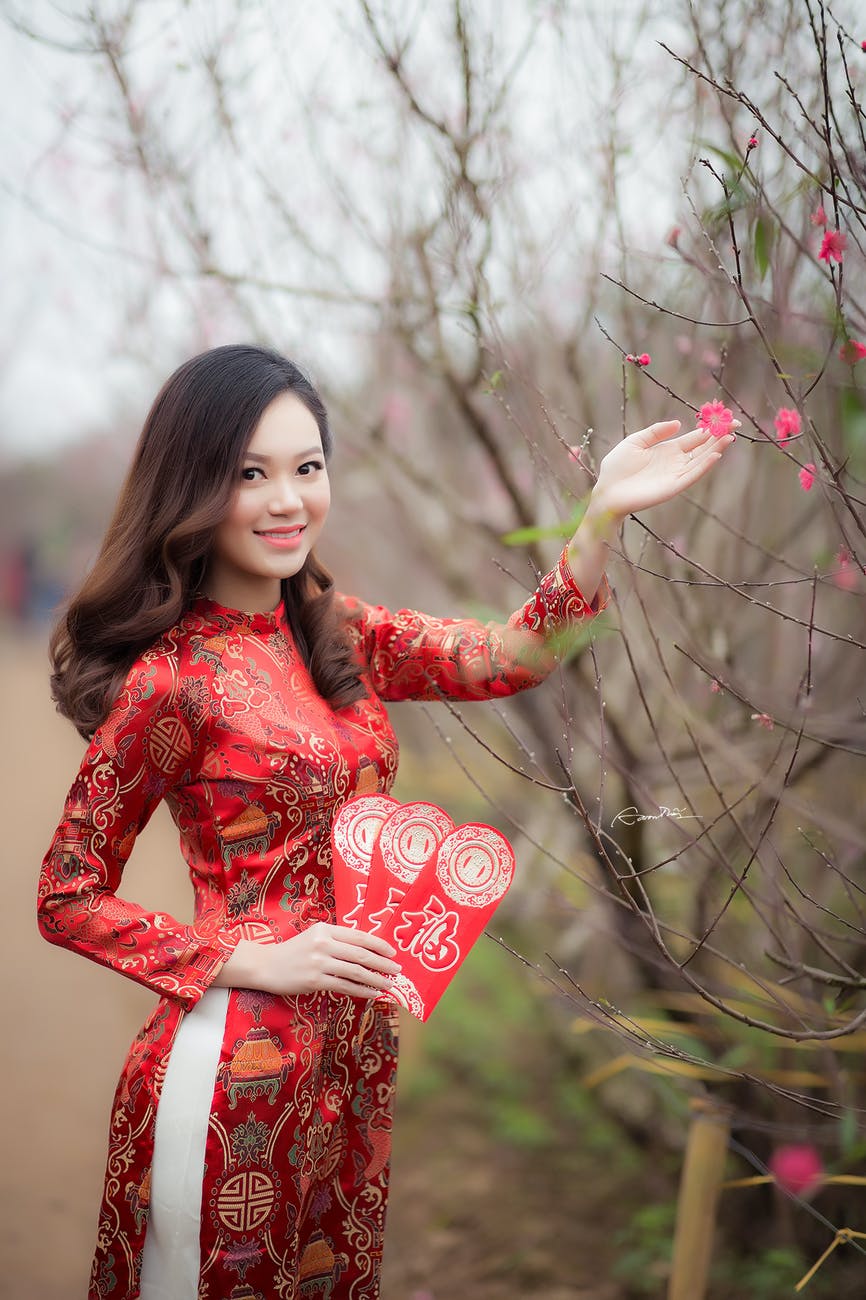
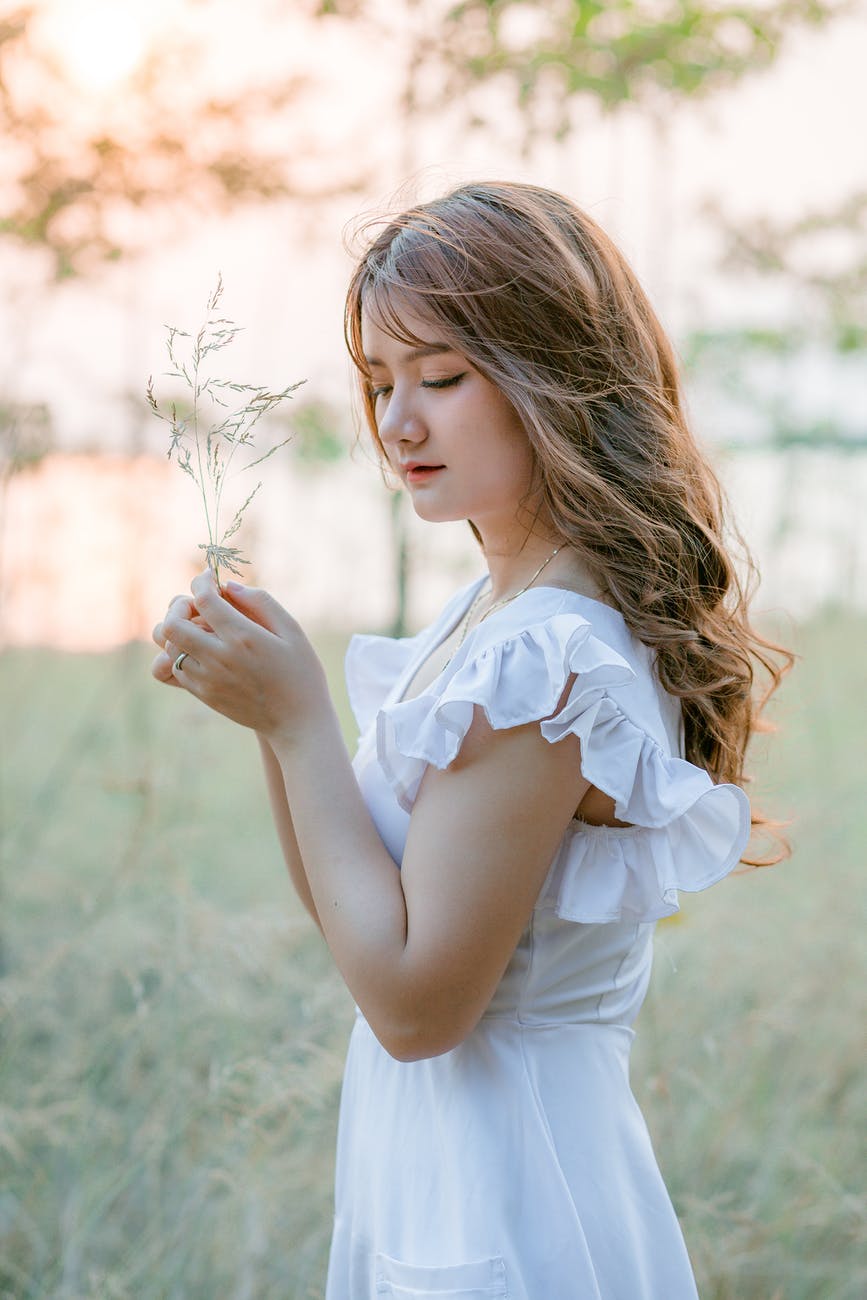
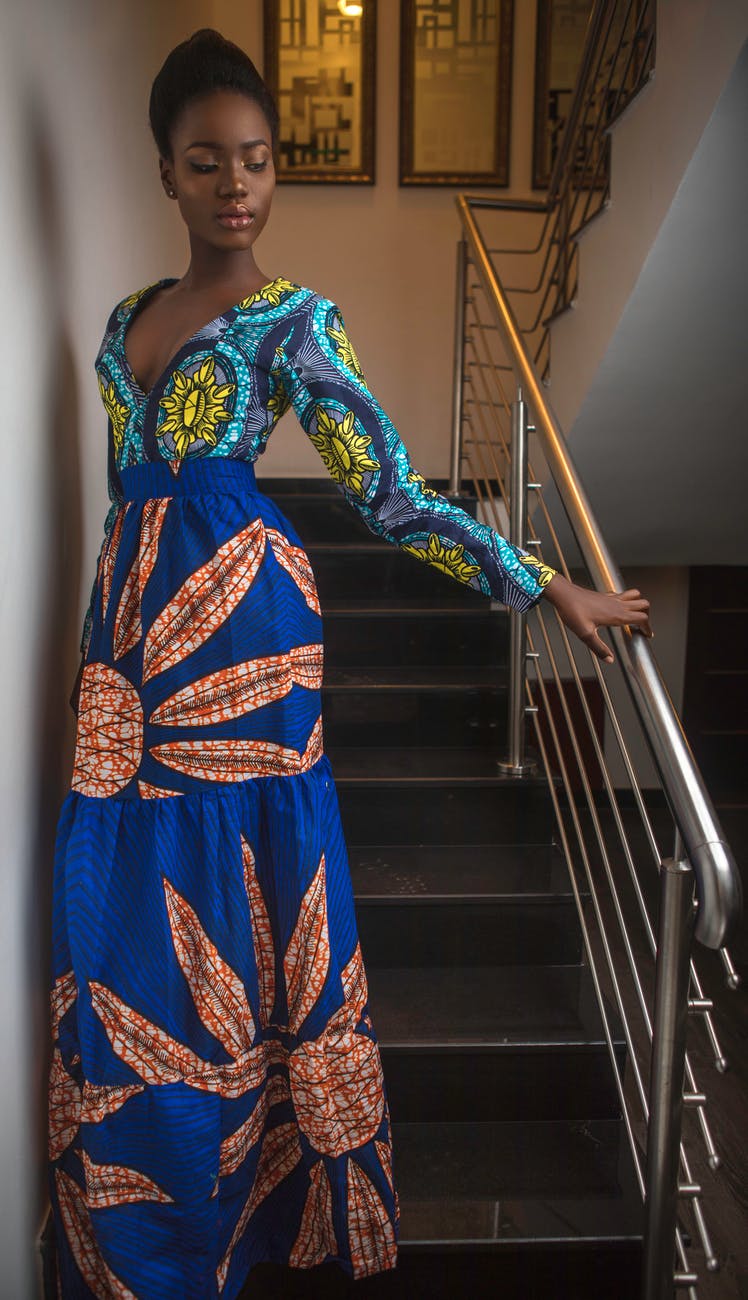
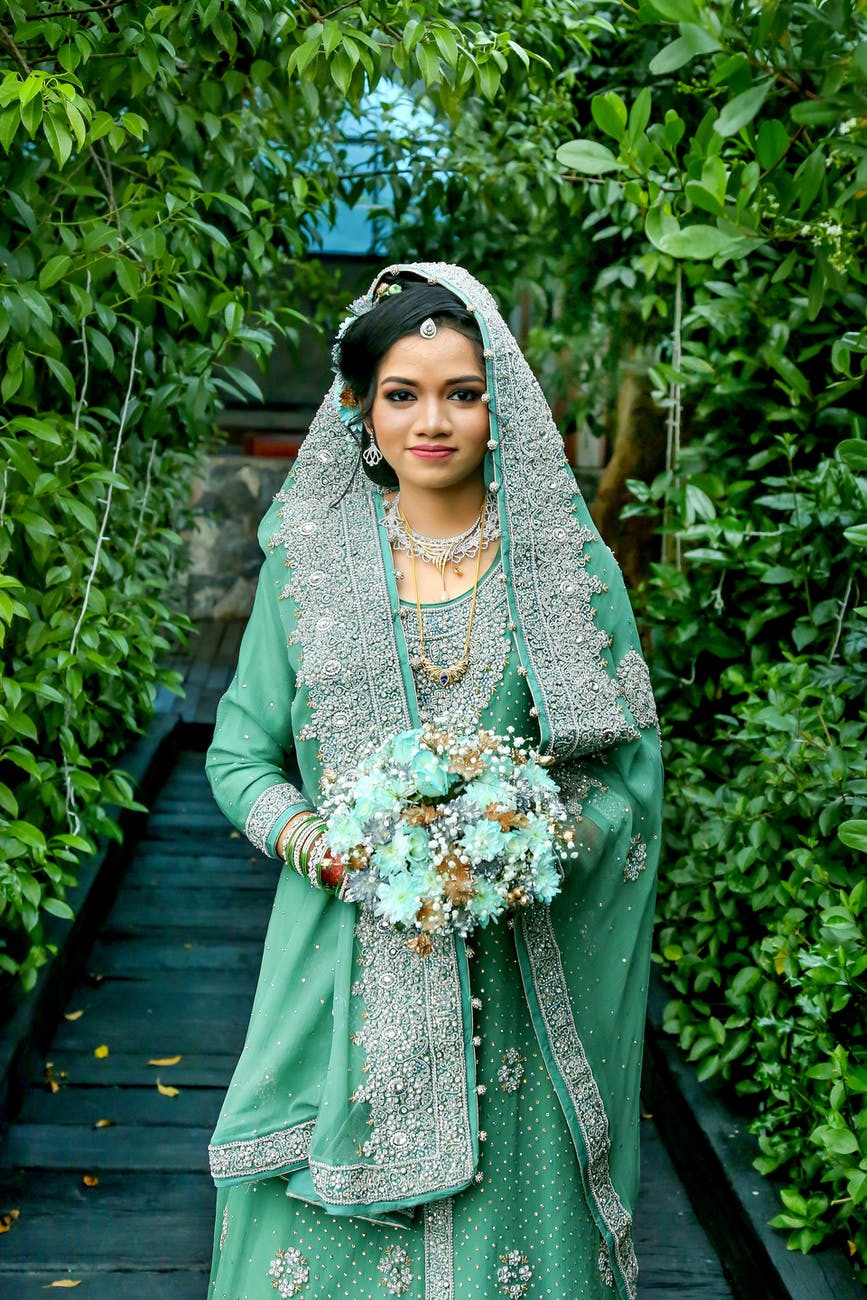
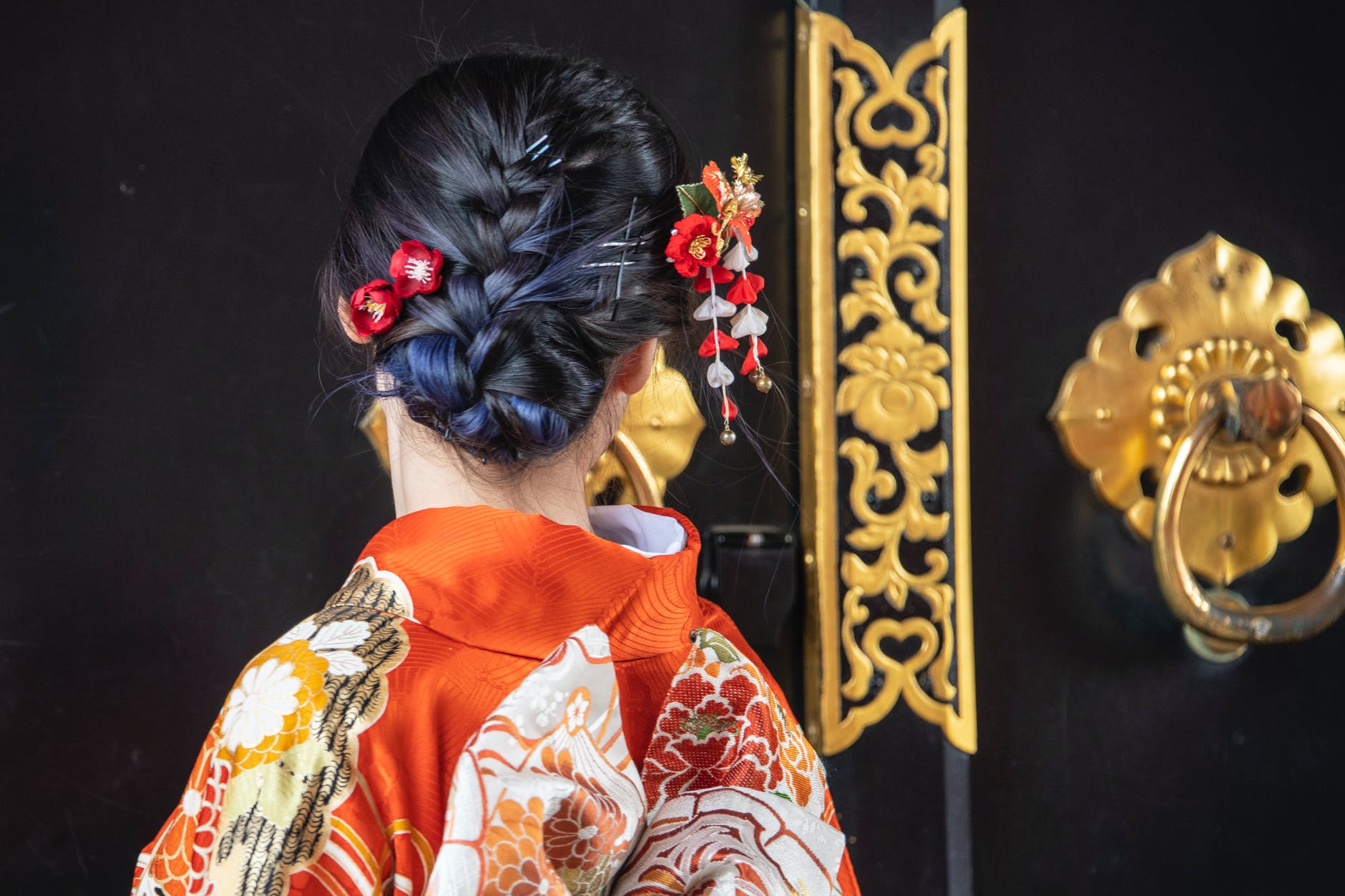
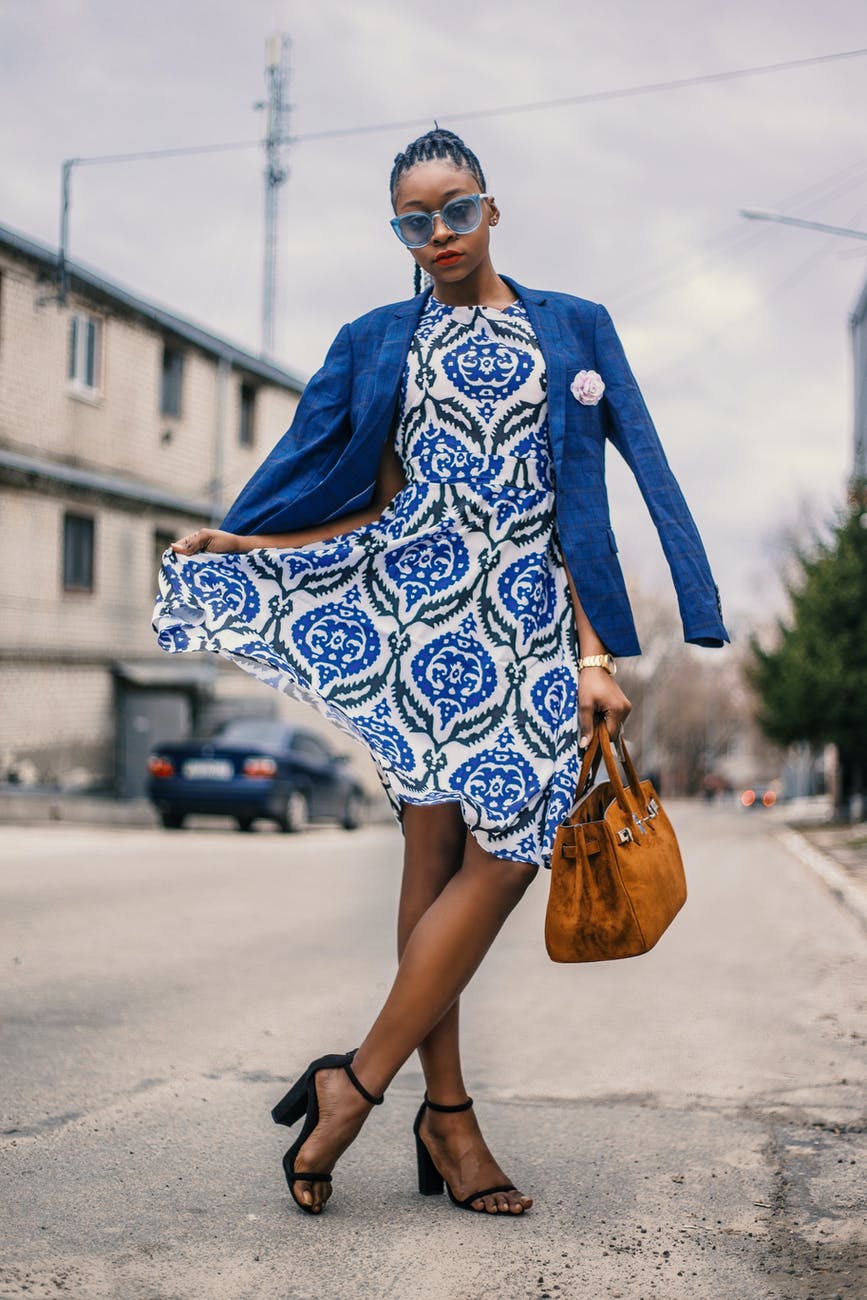
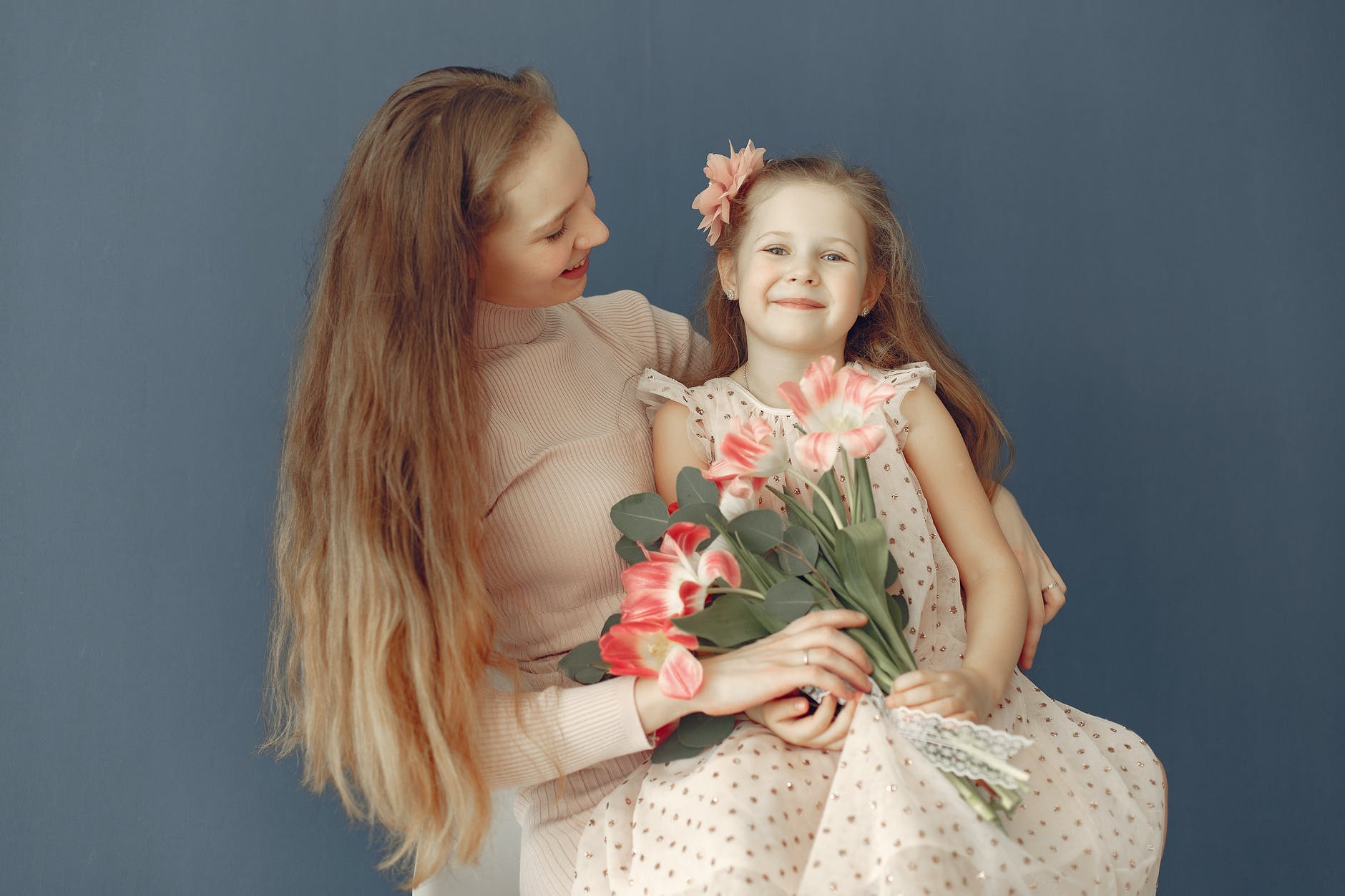
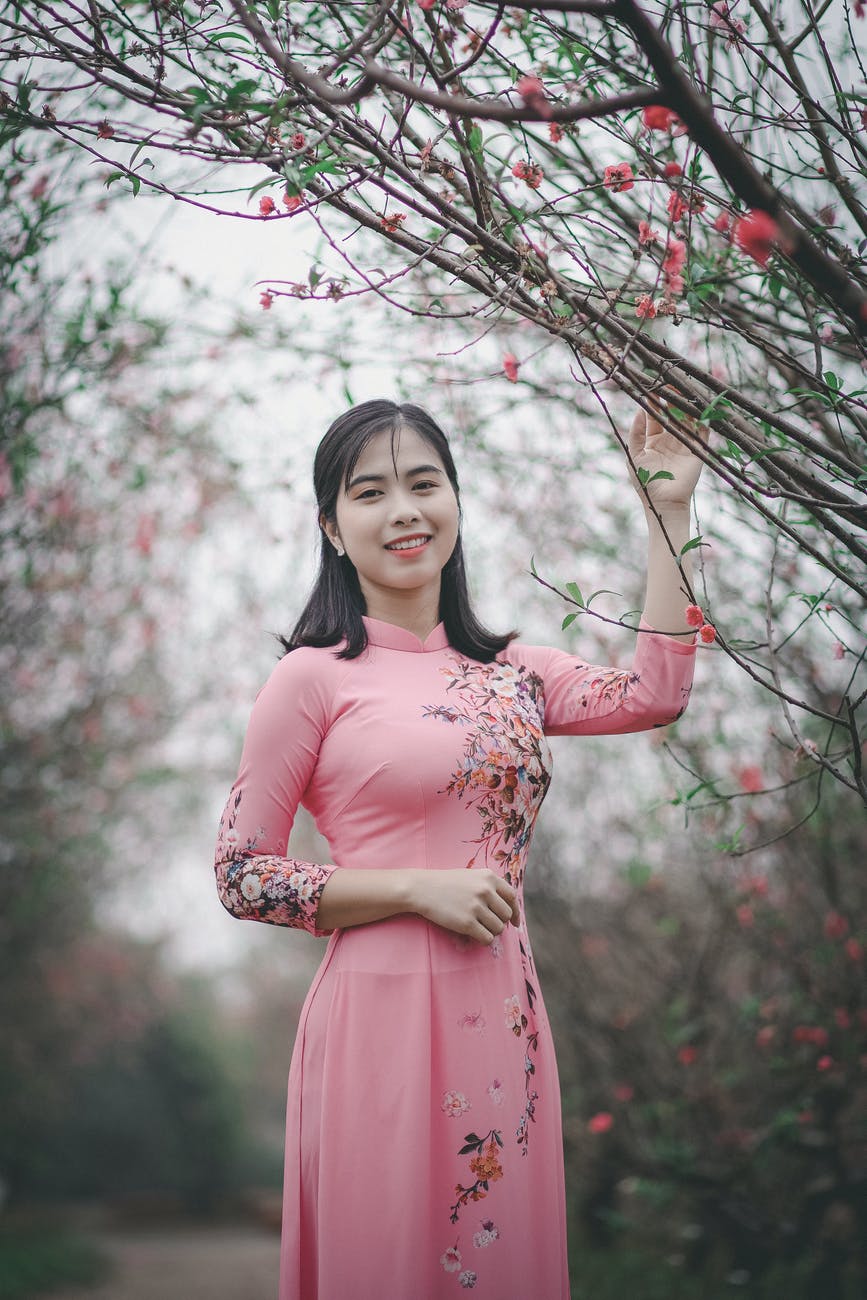
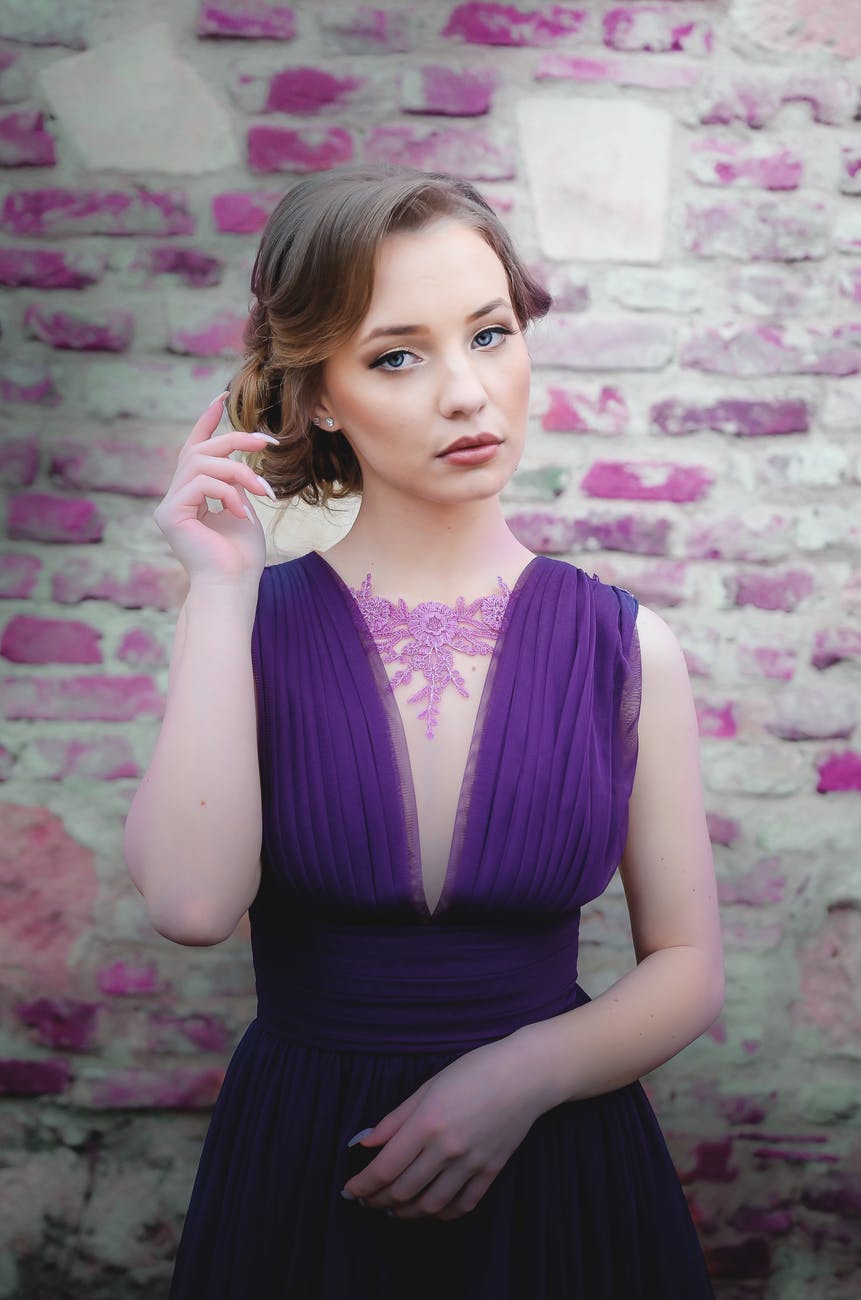
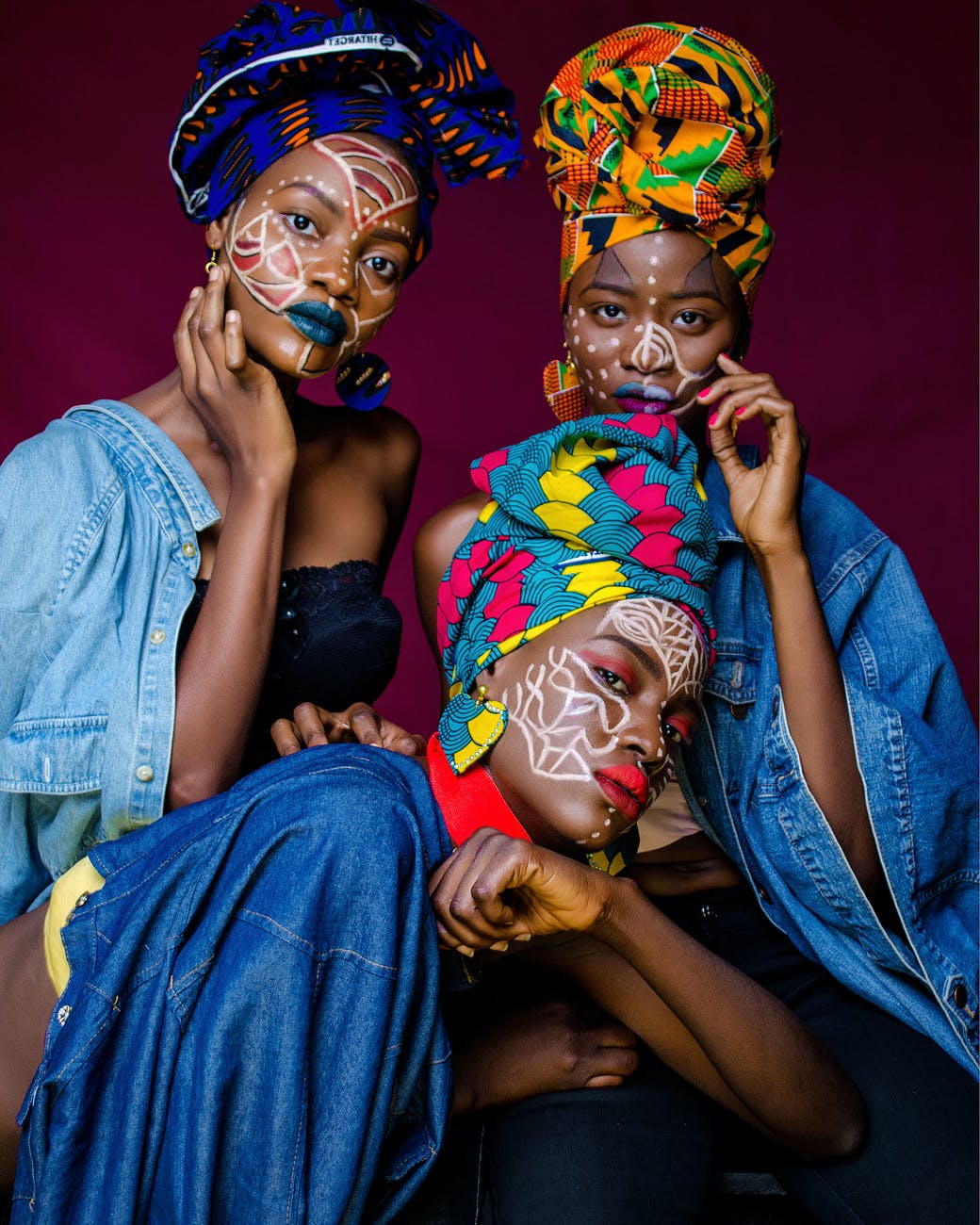
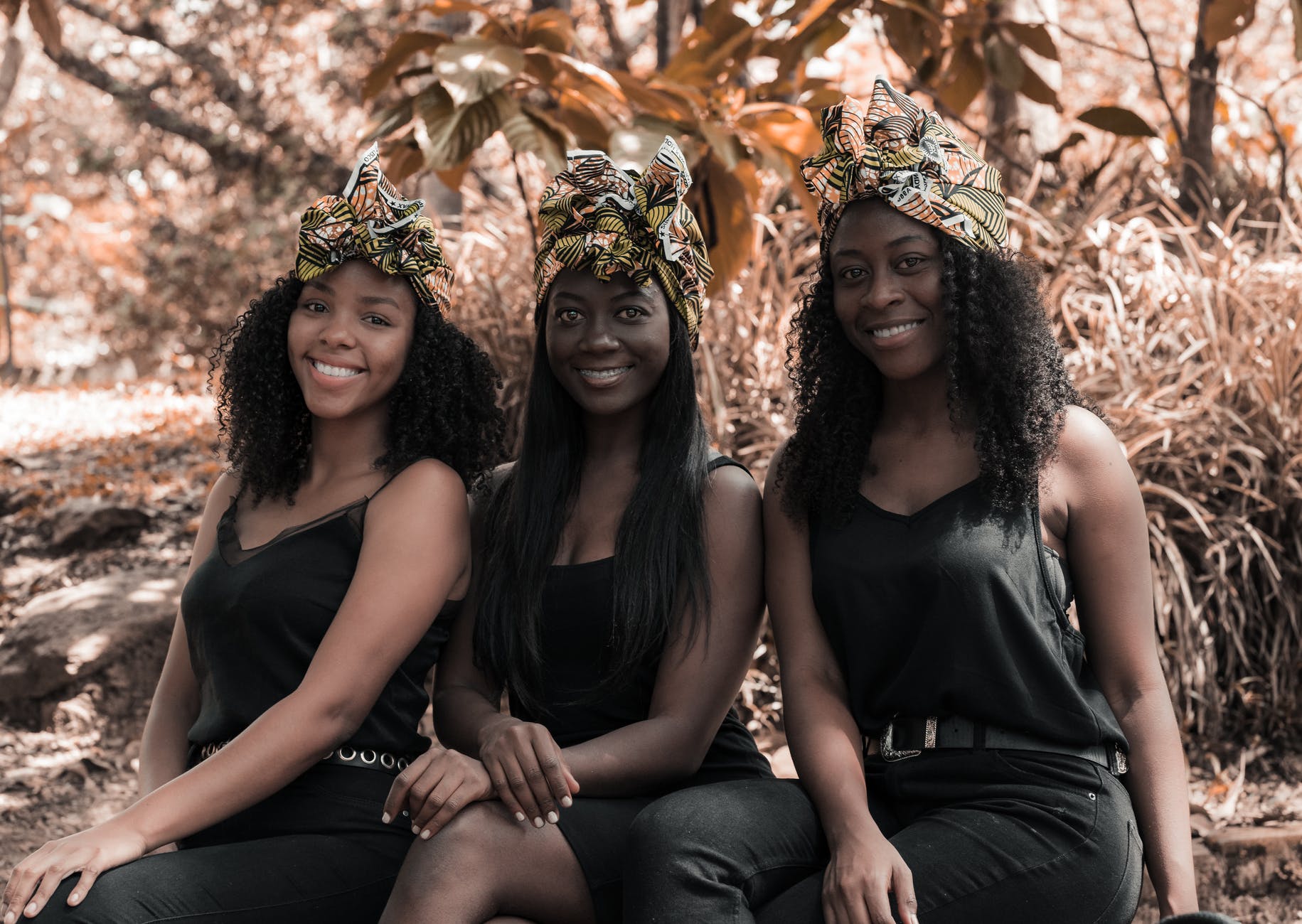
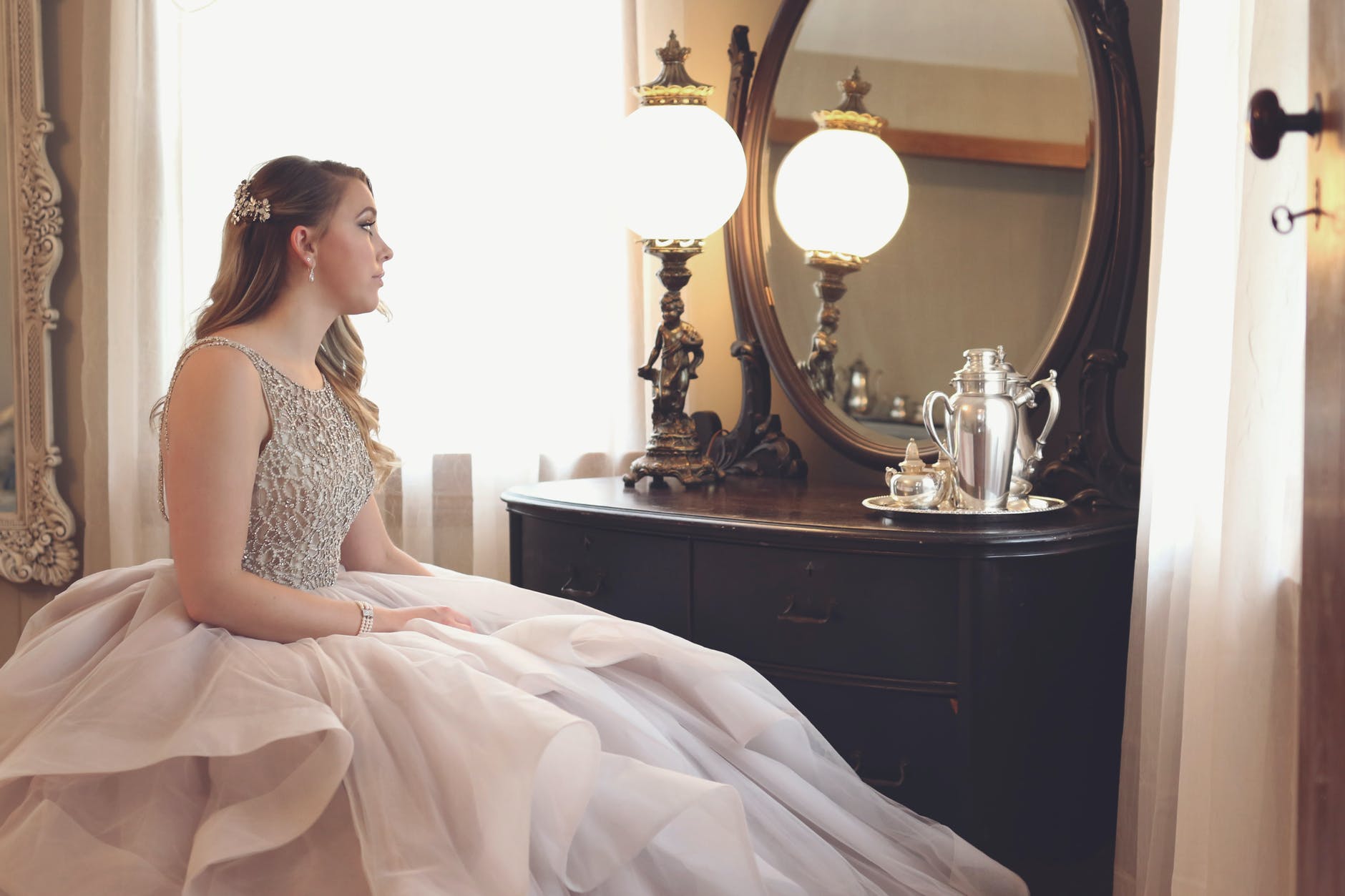
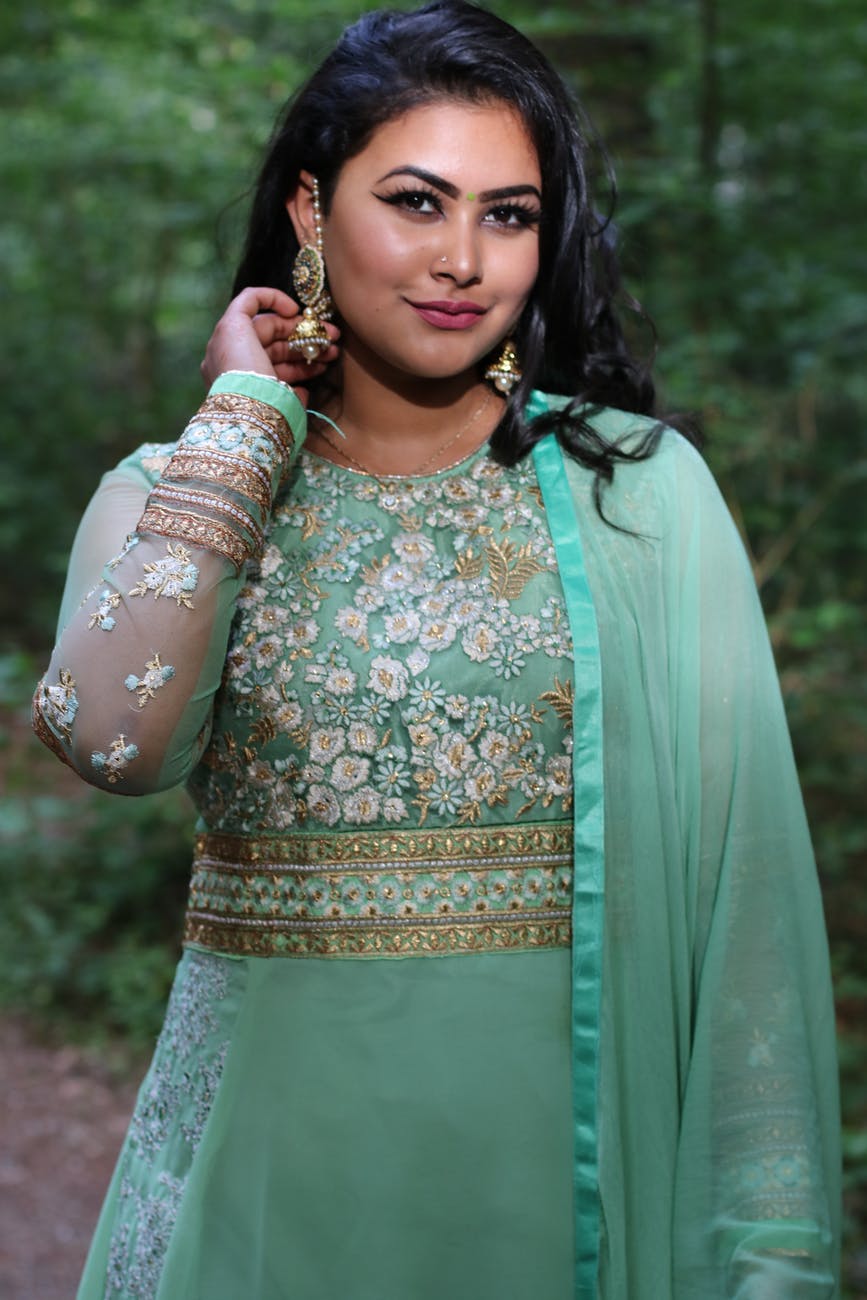
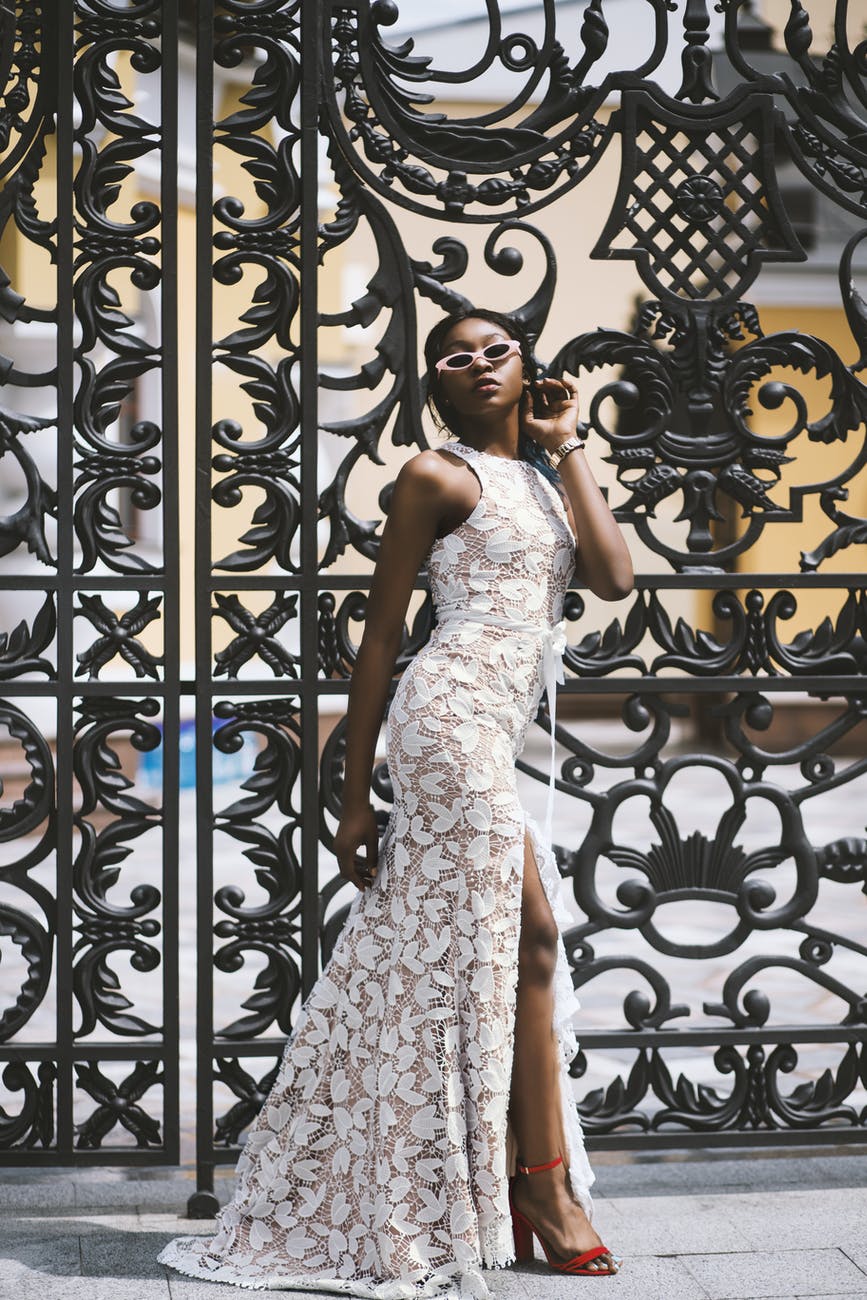
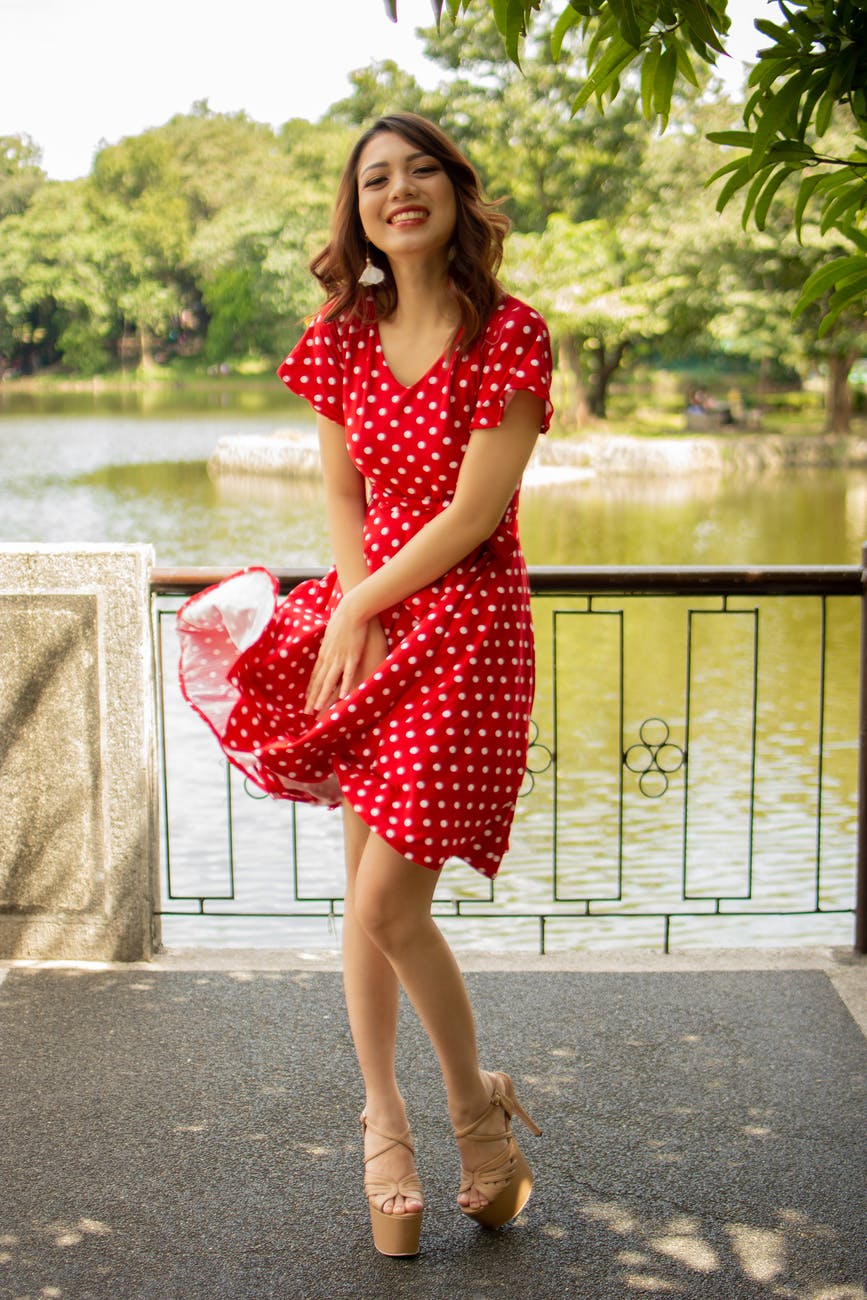
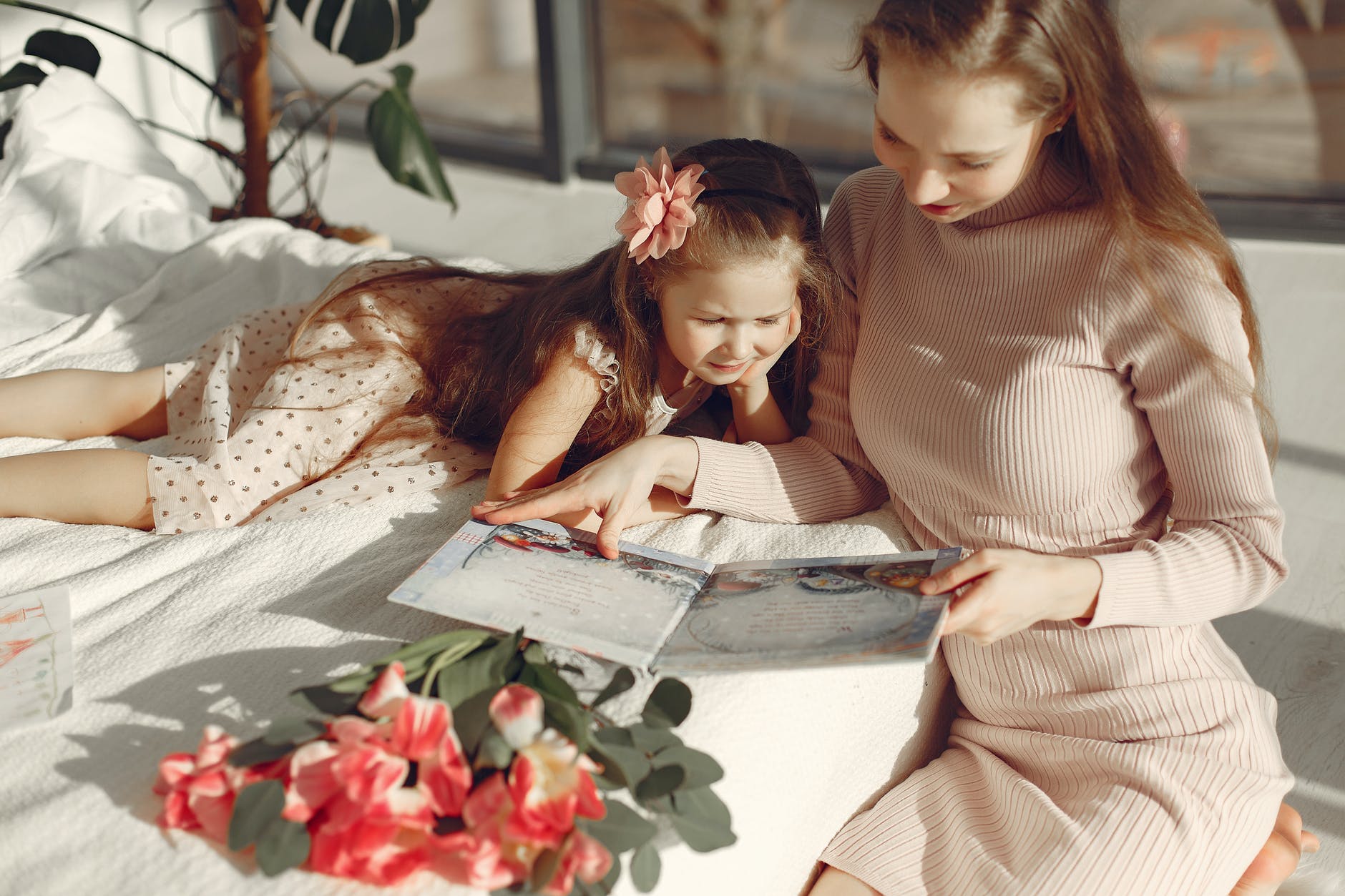
When I search the free photo library for images to include in my blog articles, I always come across so many beautiful photographs. I never get the chance to use most of these. I thought I would share some here instead, to act as style inspiration. Absorbing beauty can help us recognise what makes something beautiful and to then replicate that in bringing together our own outfits. The following photographs are also a celebration of women and femininity. Depending on your internet, you may have to be patient while they load as I’ve shared a lot of images. I hope you enjoy!
Which photographs do you most feel drawn to? Do you recognise any themes in femininity? Have a beautiful and inspired day, my sisters around the world!
According to the Oxford English Dictionary, the word ‘elegance’ was adopted into English from the Middle French élégance during the Medieval period. By the Tudor period at end of the fifteenth century, it had come to refer to refined manners and courtesy as well as a refined appearance. If we seek to become elegant ladies, it’s good to understand what the term actually means.
‘With reference to appearance, movement, etc.: grace or simple beauty, combined with good taste; freedom from awkwardness, coarseness, or clumsiness; refined tastefulness.’
‘With reference to social conduct: refined propriety; pleasing decorousness; graciousness.’
Oxford English Dictionary
To be elegant means to be both graceful and gracious. It involves the cultivation of good taste, the refinement of manners, and the seeking of harmonious simplicity. True elegance is beautiful and pleasing to those you interact with. It offers social confidence through freedom from awkward or embarrassing behaviours. The idea of elegance seems to be inextricably bound with that of refinement. The Oxford English Dictionary states refinement to be ‘the removing of impurities or unwanted elements by some process, or series of processes.’ This is significant in that it points out that elegance is a journey of self-improvement and education. It’s a process rather than being automatic, and is therefore achievable to us all.
Have Self-Respect
Much of elegant behaviour should flow out of having a healthy sense of dignity and respect for yourself. An elegant lady knows her own worth and won’t put up with people who treat her disrespectfully, although she remains aware of her flaws and has a modest humility as well. She can stand up for herself, when appropriate to do so, and is prepared to communicate her boundaries. She treats herself with respect even when there is no one else to see – meaning she maintains standards as a matter of habit regardless of whether she’s at home alone or out socialising. She takes care to make sure that both she and her home are always presentable during daylight hours, even if she’s not expecting company. She knows that sloppy surroundings inevitably affect her mindset, and an elegant lady wants to set herself up for success.
Be Respectful of Others
Elegance also means behaving in a respectful manner towards other people, even if and especially when she doesn’t deem them to have earned her respect. An elegant lady is kindly, gracious, considerate, polite, and ensures she acts in a way that behoves the true lady she is. She seeks to be genuinely interested in other people and to put their needs first, again when appropriate. She has learnt to judge what behaviour is appropriate for different situations, and chooses to act in a way that is good and proper. An elegant lady leans into etiquette whilst seeking also to transform her heart to be more compassionate and genuinely gracious. She is aware that the words she speaks have an affect on all who hear them, so she strives to only speak that which is true and in a way that is kind, removing any coarse or clumsy language.
Seek Refined Improvement
Elegance involves refinement, and refinement is an ongoing process. An elegant lady keeps her mind active by constantly learning new things to further her journey of self-improvement. This isn’t just a mental journey, but an emotional and spiritual one as well. An elegant lady seeks to fulfil the potential of who she was created to be. By becoming the best version of herself she can become a better blessing to the people in her life.
‘Beyond being true to oneself, many of one’s social obligations are met simply by making others feel at ease… A ready smile is an easy and excellent first defence in almost all awkward situations.’
Fleur Britton
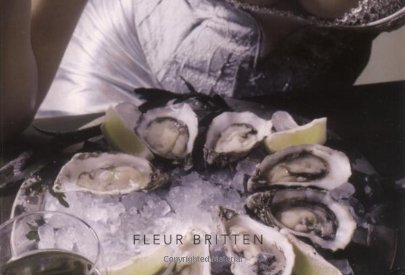
Debrett’s Etiquette for Girls by Fleur Britton was first printed in London in 2006. Published under the long-standing name of Debrett’s, it was an attempt by the organisation (best known for their listing of Peerage and Baronetage since 1769) to rebrand themselves for the twenty-first century, and is a more controversial etiquette book. Aimed at young women aged 16-30, Debrett’s Etiquette for Girls garnered interest outside that demographic as well. It feels noticeably different to the other two etiquette books I’ve reviewed recently. Rather than putting an emphasis on cultivating the inner qualities of politeness, etiquette is presented as an arguably shallower set of social skills that can help the reader get ahead in life. Parts of Debrett’s Etiquette for Girls reflect the changing morals of Western society – certain chapters would have been unthinkable just a few decades earlier.
The book has large glossy photos that depict glamorous yet elusive ‘girls about town’ – never quite showing their eyes or whole faces, and offering only glimpses of a lifestyle. These are coupled with long paragraphs of small text. Topics discussed include: social graces, image management, dining (including how to eat fancy seafood and handle fine wines), day to night events (ranging from formal dinners to night clubs and the gym), special occasions (from polo matches, yachts, and private jets to festivals, hotels, and meeting royalty or celebrities), ‘Man Management’ (the largest chapter in the book – which advises on meeting the parents and engagements as well as blind dates and one-night stands), hospitality (whether country guests, drinks parties, or flatmates), face to face interactions, written communications, gossip, ‘bitchiness’, office politics, and some ‘Golden Rules’ of etiquette.
As can be seen by listing some of the topics, Debrett’s Etiquette for Girls is a thoroughly modern etiquette book in ways both good and bad, depending on your opinions. It’s focus is on aspiring to a specific lifestyle of high society glamour, and is clearly aimed at relatively well-to-do city girls who want office careers, enjoy partying, and have no problem with society’s casual attitude to dating. Just to make it clear, I’m not making a value judgement either way on that. I’m just noting the contrast to other etiquette books. Debrett’s Etiquette for Girls exists within a twenty-first-century realm of visual merchandising and personal brands. There are definitely things I’m taking from the book, but I think it’s important to keep a critical distance and remember that the lifestyle it’s trying to sell does not have to be the ultimate dream for everyone. What I do appreciate is that the book is at least conscious of the double-standards girls must negotiate in the modern day. There is uncertainty while the rules are changing in the midst of tensions about misogyny, feminism, chivalry, and an equality that still has its limitations. Because of this, Debrett’s Etiquette for Girls calls itself ‘a modern survival manual’ and claims that ‘etiquette has re-entered the zeitgeist.’
‘Manners make life more bearable. They are there to conceal our selfish, childish instincts.’
‘Manners are made up of trivialities of deportment, which can be easily learnt if one does not happen to know them. Manner is personality, the outward manifestation of one’s innate character and attitude towards life.’
Emily Post
Emily Post first published her book Etiquette: in Society, in Business, in Politics, and at Home in New York in 1922, the era of the ‘roaring twenties’. She was an American lady, born in 1872 and living until 1960. Emily Post is occasionally heralded as the ‘mistress of manners’ in America, due to the popularity of her book. The 1920s were a lively time of modernity, during which progress seeped into the established traditions. This can be felt in the contrast with Florence Hartley’s Victorian etiquette book – although many of the conventions were still the same, there is an underlying energy along with references to a new, freely social youth. A large part of Emily Post’s popularity was that her book fed into the American dream of being able to get ahead. Etiquette is presented as something anyone can learn if they so desire.
Emily Post’s Etiquette: in Society, in Business, in Politics, and at Home is a sizeable volume. The free audio book (which I’ve linked below) adds to a total of over 20 hours long. It was intended to be a complete guide for both ladies and gentlemen of the time, and has much advice that remains relevant today, even whilst other parts are of more of a historical interest. Emily Post covers a range of topics including: greetings, conversation, visits, dinners, balls and dances, debutantes, weddings, Christenings, funerals, hospitality, letter writing, business, dress, teaching children etiquette, everyday manners, and travelling.
A recurring group of fictional characters – or pseudonymous characters at least – play out situations throughout the book, initiating readers into their sophisticated society. Aspects of their existence are now out of touch, such as the assumption of employing at least one servant and the formality of introductions. Despite that, the principles underpinning good manners are enduring. Emily Post herself notes a relaxing of certain formalities in her own time. She writes a lot about of etiquette of various social occasions, the organisation of weddings, and letter writing, ending on an optimistic note about what she hopes the future of America to be. Since it’s freely available online, I’ve shared below a number of quotations advising on different topics.
On Conversation
‘People who talk too easily are apt to talk too much, and at times imprudently, and those with good imaginations are unreliable in their statements. On the other hand, the “man of silence” who never speaks unless he has something worth while to say, is apt to wear well among his intimates, but is not likely to add much to the gaiety of the party.’
Emily Post
‘The charming talker is neither more nor less than a fisherman – or fisherwoman rather, since in America women make more effort to be agreeable than men do. Sitting next to a stranger, she wonders which “fly” she had better choose to interest him. She tries one topic – not much of a nibble – so she tries another topic, or perhaps a third, before he rises to the bait.’
Emily Post
On Social Interest
‘Many things are of interest when briefly told and for the first time; nothing interests when too long dwelt upon; and little interests when told a second time.’
Emily Post
‘On the other hand, to be bored is a bad habit and one only too easy to fall into. As a matter of fact, it is impossible, almost, to meet anyone who has not something of interest to tell you if you are but clever enough yourself to find out what it is.’
Emily Post
On Hospitality
‘There never lived a lady of great cultivation and charm whose home – whether a palace, a farm cottage, or a tiny apartment – did not reflect the charm of its owner.’
Emily Post
‘Some people have the gift of hospitality. Others, whose intentions are just as kind and whose houses are perfection in luxury of appointments, seem to petrify at every approach. Such people appearing at a picnic colour the entire scene with the blue light of their austerity. Such are usually not masters but slaves of etiquette. Their chief concern is whether this is correct or whether that is properly done, or is this or that such a one as they care to know. They seem… to be anxiously asking themselves, have I failed today or have I not? Introspective people who are fearful of others and fearful of themselves are never successful hosts or hostesses.’
Emily Post
‘It is still unforgivable to eat a man’s bread and remain his enemy. It is unforgivable to criticise your host or in his presence to criticise his friends. It is unforgivable to be rude to anyone under your own roof or under the roof of a friend. If you must quarrel with your enemy, seek public or neutral ground, since quarrels and hospitality must never be mingled.’
Emily Post
On Politeness
‘To be courteously polite and yet keep one’s walls up is a thing every thoroughbred person knows how to do, and a thing everyone who is trying to become such must learn how to do. A rule can’t be given because there isn’t any… a well-bred person always lives within the rules of his personal reserve. A vulgarian has no walls, or at least none that do not collapse at the slightest touch. But those who think they appear superior by being rude to others, whom fortune has placed below them, might as well, did they but know it, shout their own unexalted origin to the world at large since by no other method could it be more widely published.’
Emily Post
On Dining
‘To give a perfect dinner of ceremony is the supreme accomplishment of a hostess.’
Emily Post
‘The turning of the table is accomplished by the hostess, who merely turns from the gentleman on her left probably, with whom she has been talking through the soup and the fish course, to the one on her right. As she turns, the lady to whom the gentleman on the right has been talking turns to the gentleman further on, and in a moment everyone at the table is talking to a new neighbour.’
Emily Post
‘One inextricable rule of etiquette is that you must talk to your next-door neighbour at dinner table. You must. That is all there is about it. Even if you are placed next to someone with whom you have had a bitter quarrel, consideration for your hostess, who would be distressed if she knew you had been put in a disagreeable place, and further consideration for the rest of the table which is otherwise blocked, exact that you make no outward sign of your repugnance and that you make a pretence, at least for a little while, of talking together.’
Emily Post
On Balls
‘To refuse to dance with one man and then immediately dance with another, is an open affront to the first one, excusable only if he was intoxicated or otherwise actually offensive so that the affront was both intentional and justifiable. But under ordinary circumstances, if she is dancing she must dance with everyone who asks her. If she is not dancing, she must not make exceptions.’
Emily Post
‘It is always the privilege of the girl to stop dancing. The man is suppose to dance on and on until she or the music stops.’
Emily Post
On Popularity
‘The great ballroom success, first and foremost, dances well. Almost always, she is pretty… Let us suppose therefore that she dances well, that she has a certain degree of looks, that she is fairly intelligent. The next most important thing, after dancing well, is to be unafraid and look as though she were having a good time… There is one thing that every girl who would really be popular should learn, in fact she must learn: self-unconsciousness. The best advice might be to follow somewhat the precepts of mental science, and make herself believe that a good time exists in her own mind. If she can become possessed with the idea that she is having a good time, and look as though she were, the psychological effect is astonishing.’
Emily Post
‘A gift of more value than beauty is charm, which in a measure is another word for sympathy or the power to put yourself in the place of others, to be interested in whatever interests them so as to be pleasing to them if possible, but not to occupy your thoughts and futilely wondering what they may think about you. Would you know the secret of popularity? It is unconsciousness of self, altruistic interest, and inward kindliness outwardly expressed in good manners.’
Emily Post
‘If you know anyone who is always in demand, not only for dinners, but for trips on private cars and yachts, and long visits in country houses, you may be very sure of one thing: the popular person is first of all unselfish or else extremely gifted; very often both.’
Emily Post
On Standards
‘This is a rather noteworthy fact: all people of good position talk alike, behave alike, and live alike. Ill-mannered servants, incorrect liveries or services, sloppily dished food, carelessness in any of the details that to well-bred people constitute the decencies of living, are no more tolerated in the smallest cottage than in the house.’
Emily Post
‘Well-bred people never deteriorate in manner. Their behaviour is precisely the same whether at Great Estates or in camp. A gentleman may be in his shirt sleeves actually, but he never gets into shirt sleeves mentally – he has no inclination to.’
Emily Post
On Being a Lady
‘The instincts of a lady are much the same as those of a gentleman. She is equally punctilious about her debts, equally averse to pressing her advantage; especially if her adversary is helpless or poor.’
Emily Post
‘All thoroughbred women, and men, are considerate of others less fortunately placed, especially of those in their employ. One of the tests by which to distinguish between the woman of breeding and the woman merely of wealth, is to notice the way she speaks to dependants… When you see a woman in silks and sables and diamonds speak to a little errand girl or a footman or a scullery maid as though they were the dirt under her feet, you may be sure of one thing; she hasn’t come a very long way from the ground herself.’
Emily Post
On Everyday Manners
‘Just as no chain is stronger than its weakest link, no manners can be expected to stand a strain beyond their daily test at home. Those who are used to losing their temper in the bosom of their family will sooner or later lose it in public. Families which exert neither courtesy nor charm when alone, can no more deceive other people into believing that either attribute belongs to them than they could hope to make painted faces look like “real” complexions.’
Emily Post
‘In the present day of rush and hurry, there is little time for “home” example. To the over-busy or gaily fashionable, “home” might as well be a railroad station, and members of a family passengers who see each other only for a few hurried minutes before taking trains in opposite directions. The days are gone when the family sat in the evening around the fire, or a “table with a lamp,” when it was customary to read aloud or to talk. Few people “talk well” in these days; fewer read aloud, and fewer still endure listening to any book literally word by word.’
Emily Post
On Travelling
‘To do nothing that can either annoy or offend the sensibilities of others, sums up the principal rules for conduct under all circumstances—whether staying at home or travelling. But in order to do nothing that can annoy or give offence, it is necessary for us to consider the point of view of those with whom we come in contact; and in travelling abroad it is necessary to know something of foreign customs which affect the foreign point of view.’
Emily Post
Learn More
Chapter timestamps: Introduction: Manners and Morals – 00:00:00 Chapter 1: What is Best Society? – 00:16:54 Chapter 2: Introductions – 00:23:03 Chapter 3: Greetings – 00:53:27 Chapter 4: Salutations of Courtesy – 01:01:23 Chapter 5: On the Street and in Public – 01:12:01 Chapter 6: At Public Gatherings – 01:28:41 Chapter 7: Conversation – 01:53:47 Chapter 8: Words, Phrases, and Pronunciation – 02:15:33 Chapter 9: One’s Position in the Community – 02:32:32 Chapter 10: Cards and Visits – 02:49:23 Chapter 11: Invitations, Acceptances and Regrets 03:42:50 Chapter 12, Part 1: The Well-Appointed House – 04:14:54 Chapter 12, Part 2: The Well-Appointed House – 04:39:55 Chapter 12, Part 3: The Well-Appointed House – 05:06:31 Chapter 13: Teas and Other Afternoon Parties – 05:31:25 Chapter 14, Part 1: Formal Dinners – 05:55:01 Chapter 14, Part 2: Formal Dinners – 06:17:13 Chapter 14, Part 3: Formal Dinners – 06:45:32 Chapter 14, Part 4: Formal Dinners – 07:05:17 Chapter 14, Part 5: Formal Dinners – 07:27:11 Chapter 15: Dinner-Giving with Limited Equipment – 07:49:12 Chapter 16: Luncheons, Breakfasts and Suppers – 08:01:56 Chapter 17, Part 1: Balls and Dances – 08:27:40 Chapter 17, Part 2: Balls and Dances – 08:53:12 Chapter 18: The Debutante – 09:20:52 Chapter 19: The Chaperon and Other Conventions – 09:44:05
Chapter timestamps: Chapter 20: Engagements – 00:00:00 Chapter 21, Part 1: First Preparations before a Wedding – 00:27:15 Chapter 21, Part 2: First Preparations before a Wedding – 00:52:38 Chapter 21, Part 3: First Preparations before a Wedding – 01:20:18 Chapter 22, Part 1: The Day of the Wedding – 01:39:49 Chapter 22, Part 2: The Day of the Wedding – 02:03:12 Chapter 22, Part 3: The Day of the Wedding – 02:26:37 Chapter 23: Christenings – 02:45:18 Chapter 24: Funerals – 02:58:25 Chapter 25, Part 1: The Country House and Its Hospitality – 03:52:50 Chapter 25, Part 2: The Country House and Its Hospitality – 04:31:18 Chapter 26: The House Party in Camp – 05:07:04 Chapter 27, Part 1: Notes and Shorter Letters – 05:24:21 Chapter 27, Part 2: Notes and Shorter Letters – 05:41:44 Chapter 27, Part 3: Notes and Shorter Letters – 05:57:16 Chapter 27, Part 4: Notes and Shorter Letters – 06:16:08 Chapter 27, Part 5: Notes and Shorter Letters – 06:35:32 Chapter 28: Longer Letters – 06:51:48 Chapter 29: The Fundamentals of Good Behaviour – 07:17:37 Chapter 30: Clubs and Club Etiquette – 07:30:10 Chapter 31: Games and Sports – 08:03:02 Chapter 32: Etiquette in Business and Politics – 08:16:49 Chapter 33, Part 1: Dress – 08:37:11 Chapter 33, Part 2: Dress – 08:58:18 Chapter 34: The Clothes of a Gentleman – 09:23:06 Chapter 35: The Kindergarten of Etiquette – 09:42:07 Chapter 36: Every-Day Manners at Home – 10:14:31 Chapter 37, Part 1: Travelling At Home and Abroad – 10:30:21 Chapter 37, Part 2: Travelling At Home and Abroad – 10:58:38 Chapter 38: The Growth of Good Taste in America – 11:32:14
‘Politeness is goodness of heart put into daily practice.’
Florence Hartley
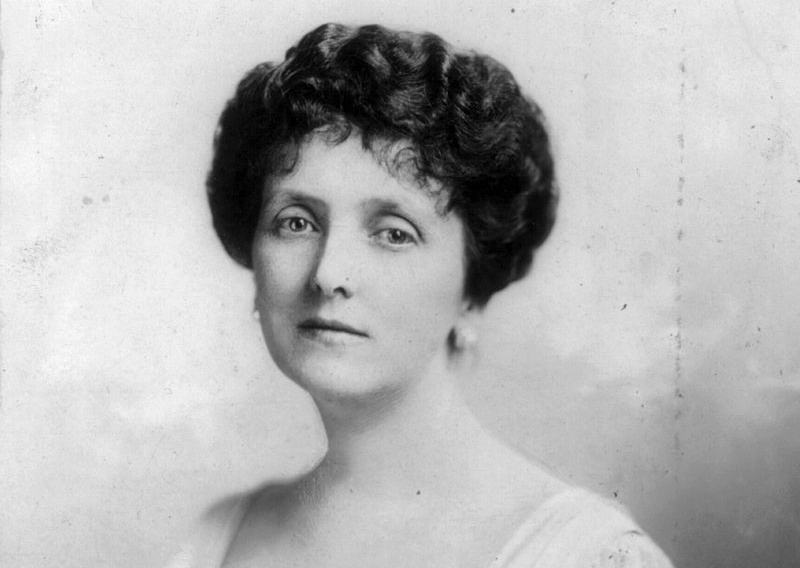
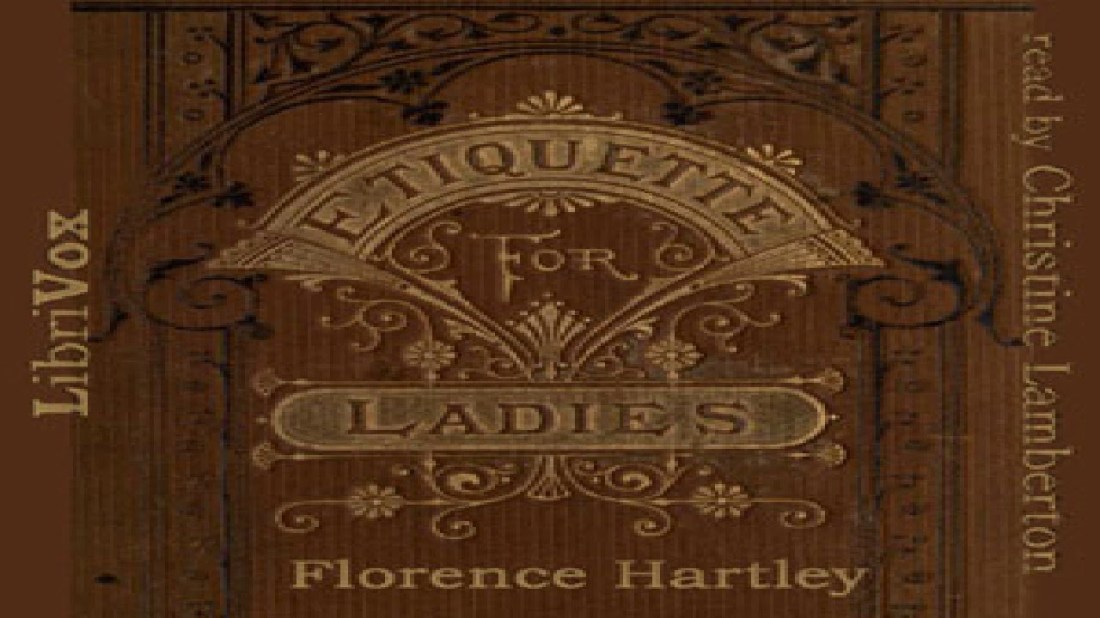
The Ladies’ Book of Etiquette, and Manual of Politeness. A Complete Hand Book for the Use of the Lady in Polite Society was written by Florence Hartley, an American lady of the mid-Victorian period. It was first published in Boston in 1860, and is now freely available online to the public. An equivalent book of etiquette for gentlemen was published in the same year by a Cecil B Hartley, who I suppose to have been some male relation of Florence Hartley. Besides etiquette, Florence Hartley also wrote on needlework and was an advocate for women’s health. Her books received favourable reviews during her own time, but little is known about her life.
Since it is Victorian, some parts of Florence Hartley’s book are naturally dated – for instance the constant requirement for an escort or chaperone, the suspicion of servants, the formality of bowing in greeting, and the abundance of socialising hours available to the Victorian lady of leisure. Despite this, there’s much advice that is still relevant today. The underlying principles of good manners are universal, carrying across into all cultural contexts, even though the specific behaviour of etiquette manifests differently. Florence Hartley’s discussion of ‘true Christian politeness’ for ladies explores a range of topics including: conversation, dress, travelling, hospitality, visiting, letter writing, deportment, conduct in church, social events, accomplishments, servants, engagements, and weddings.
I appreciate quirky old books, and so personally find the historic material as interesting as the etiquette still applicable today. For Florence Hartley, etiquette seems to be most exemplified in hospitality and therefore this is a large focus in the book, with information for both hostess and guest. She included a considerable chapter on accomplishments, where in addition to the usual accomplishments she promotes conversational skills, horse riding, and gives detailed instructions on needlework. Besides working on such accomplishments, ladies were advised to walk four or five miles a day, and the visiting hours of Victorian society tended to be between 11am and 3pm. Since The Ladies’ Book of Etiquette, and Manual of Politeness is no longer under copyright restrictions, I have taken advantage of that by sharing a liberal selection of quotations below, along with a link to the free audiobook.
On Politeness & Etiquette
‘To be truly polite, remember, you must be polite at all times and under all circumstances.’
Florence Hartley
‘True politeness will be found – its basis in the human heart – the same in all these varied scenes and situations, but the outward forms of etiquette will vary everywhere. Even in the same scene, time will alter every form and render the exquisite polish of last year, obsolete rudeness next year.’
Florence Hartley
‘If you neglect these little details at home, and in private, they will be performed awkwardly and with an air of restraint when you are in company. By making them habitual, they will become natural and appear easily, and sit gracefully upon you.’
Florence Hartley
On Conversation
‘To be able to converse really well, you must read much. Treasure in your memory the pearls of what you read. You must have a quick comprehension. Observe passing events and listen attentively whenever there is any opportunity of acquiring knowledge.’
Florence Hartley
‘You may unintentionally start a subject which annoys or troubles the friend with whom you may be conversing; in that case do not stop abruptly when you perceive that it causes pain, and above all do not make the matter worse by apologising. Turn to another subject as soon as possible and pay no attention to the agitation your unfortunate remark may have excited.’
Florence Hartley
‘One good rule can be always followed by young ladies: to converse with a lady friend as if there were gentlemen present, and to converse with a gentleman as if in the room with other ladies.’
Florence Hartley
On Invitations & Hospitality
‘The severest test of good breeding in a lady is in the position of hostess.’
Florence Hartley
‘As a first rule, with regards to paying a visit, the best one is never to accept a general invitation. Instances are very common where women – I cannot say ladies – have upon a slight acquaintance and a “when you are in C, I should be very happy to have you visit me,” actually gone to C from their own home and, with bag and baggage, quartered themselves upon the hospitality of their newly made friend for weeks at a time. Even where there is a long-standing friendship, it is not well to visit uninvited.’
Florence Hartley
‘Your enjoyment of a party depends far less on what you find there than on what you carry with you… If you go to C, and to here, and to make the best of whatever occurs, with a disposition to admire all that is beautiful and to sympathise in the pleasures of others, you can hardly fail to spend the time pleasantly. The less you think of yourself and your claims to attention the better. If you are much attended to, receive it modestly and consider it as a happy accident. If you are little noticed, use your leisure in observing others.’
Florence Hartley
On Gracious Dignity
‘Leave him to think that the ladies in America [or whatever country you are from] are well-bred, however much he may dislike some little national peculiarity.’
Florence Hartley
‘If you receive an impertinent letter, treat it with contempt. Do not answer it.’
Florence Hartley
On Accomplishments
‘Take the young lady, after a solid basis has been laid in her mind of the more important branches of education, and rear upon that basis the structure of lighter education: the accomplishments. To cultivate these, disregarding the more solid information, is to build your castle without any solid foundation and is not only absurd, but unsteady.’
Florence Hartley
‘First upon the list of accomplishments comes the art of conversing well. It is always ready. Circumstances in society will constantly throw you into positions where you can use no other accomplishment.’
Florence Hartley
Learn More
Chapter timestamps: Introduction – 00:00:30 Chapter 1: Conversation – 00:08:00 Chapter 2: Dress – 00:28:20 Chapter 3: Travelling – 00:58:40 Chapter 4: How to Behave at a Hotel – 01:10:17 Chapter 5: Evening Parties, Etiquette for the Hostess – 01:17:58 Chapter 6: Evening Parties, Etiquette for the Guest – 01:37:50 Chapter 7: Visiting, Etiquette for the Hostess – 01:48:19 Chapter 8: Visiting, Etiquette for the Guest – 02:00:30 Chapter 9: Morning Receptions or Calls, Etiquette for the Hostess – 02:21:06 Chapter 10: Morning Receptions or Calls, Etiquette for the Guest – 02:30:57 Chapter 11: Dinner Company, Etiquette for the Hostess – 02:44:38 Chapter 12: Dinner Company, Etiquette for the Guest – 03:06:05 Chapter 13: Table Etiquette – 03:23:32 Chapter 14: Conduct in the Street – 03:31:23 Chapter 15: Letter Writing – 03:46:35 Chapter 16: Polite Deportment and Good Habits – 04:44:00 Chapter 17: Conduct in Church – 05:13:10 Chapter 18: Ballroom Etiquette, For the Hostess – 05:20:25 Chapter 19: Ballroom Etiquette, For the Guest – 05:35:54 Chapter 20: Places of Amusement – 05:47:57 Chapter 21, Part 1: Accomplishments – 05:59:45 Chapter 21, Part 2: Accomplishments – 06:49:03 Chapter 21, Part 3: Accomplishments – 07:28:38 Chapter 22: Servants – 08:07:47 Chapter 23: On a Young Lady’s Conduct When Contemplating Marriage – 08:35:50 Chapter 24: Bridal Etiquette – 09:14:49 Chapter 25: Hints on Health – 09:23:40 Chapter 26: Miscellaneous – 10:11:53
Femininity at its best is a warm, creative, nurturing energy that seeks to help life flourish. As we grow towards becoming more feminine, we want to radiate joy and express an inner peace founded on wisdom that has become almost intuitive, we dwell in it so much. I think that as we practice habits that help us become better people and more feminine women, we should find ourselves gradually beginning to flow more from a place of love in our everyday lives. At the core of femininity is perhaps a love of life itself in all its beautiful diversity and a love for all the living. It’s because we recognise the inherent value of creation that we strive to help it thrive.
Nurturing, nourishing, creating, beautifying, guiding, and sharing wisdom are all life-giving acts. We each express our femininity in individual ways – some women may be more whimsical artists or gentle souls, whilst others may be bold campaigners or encouraging leaders. All of these are life-giving. In a flourishing garden there is much variety and beauty. It is only where things are dead that everything is the same, or in a blank monoculture that doesn’t support other forms of life. I think one key to maintaining and motivating our femininity is to revel in, be awed by, and celebrate life. Celebrations draw communities, families, friends, and relationships together. They unite people and provide an opportunity to nurture one another, as well as giving a means to express creativity and grow traditions that can point to a greater wisdom.
Femininity needs to celebrate life because celebration fosters appreciation for creativity, community, and the gift of living. One form of celebration is music. I find that music can be helpful for tuning into an energy and mode of being, so below I’ve shared several songs that I feel tap into different parts of femininity. You may have other pieces of music that express femininity to you, yet I hope these might form a source of inspiration. Know that you are loved and so can live from that place of love. God bless!








































































 Feminine Finishing School