Deciding to grow into your true femininity as a woman means choosing to become the best version of yourself. This is never a finished process but rather a life-long journey. We can always learn and improve more. Femininity is not merely a fashion style or a personality type; it’s something that runs deep in the character of what it means to be female. This doesn’t mean it necessarily comes naturally to be feminine all the time. We must overcome our selfish, lazy, greedy instincts as humans in order to tap into our higher true potential of who we were made to be. I have previously identified what I think three core traits of femininity are. The first of these is nurture – but how can we become more nurturing as women? Femininity is inseparable from nurturing because that’s what motherhood, family, friends, community, hospitality, and homemaking are all about.
Loving Hearts
To become nurturing we must first have loving hearts. We should let our hearts be soft to feel compassion and empathy for others, especially those who are more vulnerable than us. This may mean we particularly feel for children, animals, the poor, the oppressed, or people undergoing difficult circumstances or mental health struggles. We should practice putting ourselves in other people’s shoes, remembering that everyone has their own backstory and fears. I think gentleness is something we can cultivate and we can learn to find something to love in everyone around us. Once we position our heart from a place of love, that compassion will naturally begin to overflow in our everyday actions. Having a loving heart means genuinely caring for the people around us, helping them feel safe in our presence, and seeking out ways to nurture those in need.
Protective Boundaries
Having a loving heart doesn’t mean we let people take advantage of us. A loving heart must be kept safe by protective boundaries or we are of no use to anyone. We need to be able to judge and discern both people and situations so that we can continue to nurture those that matter most. Our safety comes first and we mustn’t let it be compromised. If you sense a dangerous situation, get out of there. Nurturing also means nurturing ourselves so, even if it’s not potentially harmful and they’re all good things to do, sometimes we will have to prioritise what is most important to us and say no to things. Femininity is about being strong in our gentleness, and so a gentle heart must have strong boundaries. Be kind always, but don’t let your kindness get taken advantage of or manipulated. It’s not your responsibility to help everyone. You’re not the saviour of the world. Nurture those you can, then pray for other people to reach those you can’t.
Encouraging Spirits
When you have a loving heart and protective boundaries in place, let your nurturing power touch others’ lives by communicating with an encouraging spirit. Words are impactful. They can make someone’s day or devastate them. Words last longer than just the time it takes for you to speak them, so be intentional and make sure that yours build people up. Encourage the people in your life. Lift them up, inspire them, show them who you see they could be, and support them in growing into their beautiful potential. Encouragement is in actions as well as words. Make sure that your energy and presence helps bring out the best in those around you. Reinforce positive behaviour by acknowledging it. If you have a close enough relationship that the other person feels safe with you, then hold them accountable as well and let them know you believe they can be better. Nurturing is about helping life to grow, flourish, and thrive. Try to leave everyone a little better than you found them. That is the true power of feminine nurture.
When we decide to focus on developing our femininity and to grow into our potential as women, it’s helpful to look for role models to inspire and motivate us. One of the wonders of the internet is that it opens up nearly the whole world to us. We can learn from people we would otherwise never have encountered and discover perspectives outside our local neighbourhood. However, the internet means that anyone can give themselves a platform, regardless of how well or poorly qualified they may be to speak on a subject. This means it’s necessary for us to discern who we choose to listen to and whether we should wholeheartedly accept everything they say as truth.
Discerning YouTube Influencers
Over the past year and a half, I’ve become aware of many people speaking about femininity on YouTube. Some of these I’ve personally disagreed with and so chosen to avoid their influence and interpretations. Others I’ve embraced and been grateful to have their encouragement speaking into my life. However, it’s important to not just accept someone’s surface façade. Helpful truth can be mixed up with unhelpful lies. If we open the door to one, the other may slip in too if we’re not on our guard. This doesn’t mean we shouldn’t listen to perspectives we disagree with. It just means we need to stay conscious of questioning the underlying narratives. I believe a key part of mature femininity is wisdom. To be truly feminine we must avoid naivety, be aware of potential manipulation, and remember to think critically.
Critique With Kindness
I don’t agree with gossip or needlessly damaging people’s reputations. However, I do think it is important to practice critical thinking and to logically evaluate the worldviews and opinions being promoted. It’s important not to spread hatred or harass figures who are speaking online and already receive abuse from internet trolls. Even if we disagree with or dislike someone’s ideology or parts of their ideology, we should still be loving towards the person behind them. There is a way to critique respectfully if we feel the need to publicly address certain issues. Love should challenge injustice and deception in order to bring about change, but it should also be kind so that we contribute towards making a better world instead of contributing towards the already all too plentiful hate.
Growing on Our Journey
We don’t know YouTubers or other such influencers personally, so our knowledge is limited. From the information available to us, we should look at the evidence and assess it for ourselves with critical thinking, with love, and with wisdom. We can come to a fair evaluation but should acknowledge that we may not necessarily be correct. Sometimes there can be a fine line between critically addressing what someone is teaching and cruelly trashing their reputation. We must be careful not to get drawn across that line. At certain points in our journey we may find it’s time to relinquish certain teachers or influencers who we found helpful earlier on in our journey but have now outgrown. It is fine to do so. Sometimes people are just there to teach us something at a certain stage of our life. Our goal is not to become like those role models but rather to become who we were made to be. We can appreciate the past but look forwards at the same time.
Feminine Finishing School
With this said, it’s right to turn the attention to this blog – Feminine Finishing School. I am not infallible. I have good intentions and try to be self-aware, but I want to remind you to never take my word or interpretations as gospel. I’m still learning and I’m only human after all. This blog is a place I can explore topics such as femininity, etiquette, and Bible study as I learn more about them myself. We’re all flawed and limited in our perspectives, although we can strive to educate ourselves on issues where we lack experience. Remember to think critically for yourself, no matter who you are listening to or what you’re reading. Be guided by your own moral compass and, if you’re Christian, through praying to God.
In a way I view my blog as a scrapbook and a place to gather interesting information, thoughts, links, and resources. I hope it can act as a library for those of you also seeking to grow as feminine women. Below I’ve shared several videos by different women who I think have wisdom to share on a range of topics. Clearly there are too many videos to listen to in one sitting, but if femininity is a topic that interests you, then this list is worth coming back to when you have time. There is much to be learnt from listening to the ideas and experiences of other women, and I wanted to share some voices you may not otherwise come across. I hope you can learn something of interest from them.
‘Being female is a matter of birth. Being a woman is a matter of age. Being a lady is a matter of choice.’
Anonymous
‘Do not live someone else’s idea of womanhood. Womanhood is you.’
Viola Davis
‘We start marketing to women and we start marketing to men, and it all of a sudden becomes, the aim becomes this biblical womanhood, biblical manhood. The aim isn’t that – I’m already a woman! My aim is to be a disciple of Christ. My aim is eternal communion with the triune God and one another.’
Aimee Byrd
What does it mean to become a more feminine woman? It’s been nearly one and a half years now since I started writing Feminine Finishing School and contemplating this question. I think healthy femininity comes from being strong in our gentleness and embracing both aspects of that. There are fun adornments we can add to express our femininity such as beautifying our appearance, learning etiquette, and developing creative skills, but those are not the most important part of femininity. Our first aim should be growing in Christlikeness, and then we can add extra accomplishments that match our personal expressions of femininity.
Feminine women are not separated from masculine men or anyone else. We are all humans who should strive to be true images of God. Our goal should be to develop the fruit of the Holy Spirit (Galatians 5:22-23): love, joy, peace, patience, kindness, goodness, faith, gentleness, and self-control. Most important of all is that we are living witnesses of God’s love. We should love God with all our heart, all our soul, all our mind, and all our strength, and we must love our neighbours as ourselves (Mark 12:30-31). If we don’t love, then is doesn’t matter how beautiful we may appear or how charming or sophisticated we may seem through etiquette. Love is the most important and should be the source of our femininity.
‘If I speak in the tongues of men or of angels, but do not have love, I am only a resounding gong or a clanging cymbal. If I have the gift of prophecy and can fathom all mysteries and all knowledge, and if I have a faith that can move mountains, but do not have love, I am nothing. If I give all I possess to the poor and give over my body to hardship that I may boast, but do not have love, I gain nothing.
Love is patient, love is kind. It does not envy, it does not boast, it is not proud. It does not dishonour others, it is not self-seeking, it is not easily angered, it keeps no record of wrongs. Love does not delight in evil but rejoices with the truth. It always protects, always trusts, always hopes, always perseveres.’
1 Corinthians 13:1-7
However, with that said and established as a foundation, stepping from childhood into mature femininity requires some guidance. Femininity offers a unique power of its own and is a life-long journey of self-growth. A woman is a girl who’s grown up, defined by her strength and experience, rather than someone defining themselves in opposition to men. I’ve written blog posts before about what I consider to be the keys to healthy femininity, but the question is: how is that expressed in the different stages of female experience?
The Feminine Journey
Girl, noun – ‘A female child. The counterpart of boy.’ or ‘A young or relatively young woman.’ First recoded circa 1300.
Oxford English Dictionary
Woman, noun – ‘An adult female human being. The counterpart of man.’ and ‘With specific reference to age: a female person who has reached adulthood… female person who is considered mature. Frequently contrasted with girl.’ Origins from early Old English
Oxford English Dictionary
Lady, noun – ‘Originally used as a polite form of address to a woman, especially (in early use) to one of elevated or higher social standing.’ or ‘A woman having the characteristics traditionally associated with high social standing; a refined or genteel woman.’ or ‘The female head of a household; a woman who has authority over servants.’ or ‘A woman who is the object of (especially chivalrous) love or devotion.’ Origins from early Old English.
Oxford English Dictionary
The Power of Femininity
Femininity is a woman’s power that comes from being true to herself while stepping into her life-giving qualities. A feminine woman is authentic and honest, unafraid of expressing her true self, and seeks to positively contribute to the world around her through life-giving qualities such as kindness, compassion, creativity, wisdom, and joyfulness. She seeks to improve herself to grow towards her potential, whilst having grace towards any mistakes she may have made in the past. Femininity means cultivating Christlike qualities and celebrating her existence as a woman. She aims to bring metaphorical life to the people and situations she encounters, not metaphorical death. She works to overcome death-bringing qualities such as unkindness, injustice, gossip, bullying, impatience, bitterness, and selfishness. Femininity manifests in different ways at different stages of life. It’s also expressed in diverse ways according to the individuality of each women. However, the core essence of femininity is the same: embracing the strength in your gentleness, finding authenticity through being unafraid of your vulnerabilities, and seeking to bring metaphorical life into the world.
Becoming a Good Woman
Stepping into adulthood and transitioning from a girl into a woman means learning our inner strength and accepting responsibility to take on whatever life throws at us. Being a woman means experiencing the highs and lows of life, the triumphs and failures, the love and the pain of living, and trusting we will get through somehow even when things don’t go as planned. Being a woman means having a self-assurance in knowing our self and our basic values, knowing what we will and will not compromise. It means being able to participate independently in our society, accepting adult responsibility, and caring for those we’ve been entrusted with in life.
Becoming a True Lady
Choosing to become a lady means further developing the social graces, education, consideration for others, leadership skills, knowledge of etiquette, self-awareness, and poise to become a considerate leader. Whereas a woman has embraced the power within herself to become autonomous and influence her family, a lady continually improves and refines herself and has further discovered how to influence her wider community or society. A feminine woman knows herself and positively influences her family. A feminine lady seeks to always grow herself and positively influence her wider society. Good women and ladies share the same feminine power, but true ladies have developed and expanded that feminine power to another level.
Summary
Girls are children and are led by their parents and teachers as they learn about the world around them. Women are adults and are able to lead themselves in that world. True ladies are committed to self-improvement and have learnt to lead not just themselves but also their communities towards becoming and creating a better world.
Rudyard Kipling’s poem ‘If—’ has been highly popular and achieved cultural-artefact status in Britain. It was written around 1895 and addressed to his son, advising him on how to become a man of character and integrity. Ever since its publication in 1910, ‘If—’ has inspired many parodies or imitations. Several of these have transformed the paternal advice into poems speaking to daughters about womanhood. Some of these adaptations have more helpful messages than others.
Below I have shared the original poem and three versions addressed to girls. The first is by J P McEvoy, an American writer, who published his ‘“If” for Girls’ in 1924. The second is Elizabeth Lincoln Otis’ poem ‘An “If” for Girls’ from 1931. Finally is Irish poet Alice Kinsella’s poem ‘When’, which she wrote for International Women’s Day in 2017, and which was then performed by a group of 16 different female poets. Whilst Rudyard Kipling’s ‘If—’ is addressed to his son, the advice can perhaps equally apply to girls. Each of these writers has a different interpretation of advice for daughters, and it is interesting to note the differences.
‘If—’ by Rudyard Kipling (1895)
In writing ‘If—’ Rudyard Kipling was inspired by Scottish colonial politician Leander James Starr, who was made the scapegoat of the failed Jameson Raid that brought about the Boer War a few years later from 1899-1902. The poem is an example of Victorian-era stoicism, self-discipline, and the British cultural virtue of a stiff upper lip. It celebrates heroism, dignity, stoicism, fortitude, self-discipline, resolution, integrity, inner strength, and courage in the face of disaster.
‘If you can keep your head when all about you Are losing theirs and blaming it on you, If you can trust yourself when all men doubt you, But make allowance for their doubting too; If you can wait and not be tired by waiting, Or being lied about, don’t deal in lies, Or being hated, don’t give way to hating, And yet don’t look too good, nor talk too wise:
If you can dream—and not make dreams your master; If you can think—and not make thoughts your aim; If you can meet with Triumph and Disaster And treat those two impostors just the same; If you can bear to hear the truth you’ve spoken Twisted by knaves to make a trap for fools, Or watch the things you gave your life to, broken, And stoop and build ’em up with worn-out tools:
If you can make one heap of all your winnings And risk it on one turn of pitch-and-toss, And lose, and start again at your beginnings And never breathe a word about your loss; If you can force your heart and nerve and sinew To serve your turn long after they are gone, And so hold on when there is nothing in you Except the Will which says to them: ‘Hold on!’
If you can talk with crowds and keep your virtue, Or walk with Kings—nor lose the common touch, If neither foes nor loving friends can hurt you, If all men count with you, but none too much; If you can fill the unforgiving minute With sixty seconds’ worth of distance run, Yours is the Earth and everything that’s in it, And—which is more—you’ll be a Man, my son!’
‘If—’ by Rudyard Kipling (1895)
‘”If” for Girls’ by J P McEvoy (1924)
J P McEvoy’s ‘”If” for Girls’ seems to me to be the most similar in tone to Rudyard Kipling’s original poem, however the adaptation has messages of its own. ‘”If” for Girls’ has a more domestic and relational approach. It encourages hopefulness in all circumstances, humility, gentleness, moderation, appropriate boundaries, and a strong faith that empowers girls to assert themselves and stand up for what they believe to be right. Notably, it has a more overtly Christian perspective that points girls to seek God in all circumstances of life.
‘If you can hear the whispering about you, And never yield to deal in whispers, too; If you can bravely smile when loved ones doubt you, And never doubt, in turn, what loved ones do; If you can keep a sweet and gentle spirit In spite of fame or fortune, rank or place, And though you win your goal or only near it, Can win with poise and lose with equal grace;
If you can meet with Unbelief, believing, And hallow in your heart a simple Creed, If you can meet Deception, undeceiving, And learn to look to God for all you need; If you can be what girls should be to mothers: Chums in joy and comrades in distress, And be unto others as you’d have the others Be unto you – No more, and yet no less;
If you can keep within your heart the power To say that firm, unconquerable “No”; If you can brave a present shadowed hour, Rather than yield to build a future woe; If you can love, yet not let loving master, But keep yourself within your own self’s clasp, And not let dreaming lead you to disaster, Nor pity’s fascination loose your grasp;
If you can lock your heart on confidences, Nor ever needlessly in turn confide; If you can put behind you all pretenses Of mock humility or foolish pride: If you can keep the simple, homely virtue Of walking right with God – then have no fear That anything in all the world can hurt you- And – which is more – you’ll be a Woman, dear.’
‘”If” for Girls’ by J P McEvoy (1924)
‘An “If” for Girls’ by Elizabeth Lincoln Otis (1931)
Little is known about Elizabeth Lincoln Otis. Her poem ‘An “If” for Girls’ contains some good advice, yet it also comes across as rather patronising and sexist by today’s standards. The poem is focused on external accomplishments over inner character, promoting high requirements for some ideal of perfection. The skills it recommends are good things to learn and some of them were likely considered progressive in her own time. However, the poem’s focus remains limited to becoming a pleasing wife and good mother, prepared to accommodate the wishes of men. For example, the poem’s ideal woman should be able to dance but must not have ‘a craze for dancing’, because to have her own passionate hobbies or interests would be an inconvenience to the men in her life. Being a good wife, mother, and homemaker are admirable goals, but girls should be encouraged to explore their own interests rather than try to fit into some mould.
‘If you can dress to make yourself attractive, Yet not make puffs and curls your chief delight; If you can swim and row, be strong and active, But of the gentler graces lose not sight; If you can dance without a craze for dancing, Play without giving play too strong a hold, Enjoy the love of friends without romancing, Care for the weak, the friendless and the old;
If you can master French and Greek and Latin, And not acquire, as well, a priggish mien, If you can feel the touch of silk and satin Without despising calico and jean; If you can ply a saw and use a hammer, Can do a man’s work when the need occurs, Can sing when asked, without excuse or stammer, Can rise above unfriendly snubs and slurs; If you can make good bread as well as fudges, Can sew with skill and have an eye for dust, If you can be a friend and hold no grudges, A girl whom all will love because they must;
If sometime you should meet and love another And make a home with faith and peace enshrined, And you its soul—a loyal wife and mother— You’ll work out pretty nearly to my mind The plan that’s been developed through the ages, And win the best that life can have in store, You’ll be, my girl, the model for the sages— A woman whom the world will bow before.’
‘An “If” for Girls’ by Elizabeth Lincoln Otis (1931)
‘When’ by Alice Kinsella (2017)
Alice Kinsella’s poem ‘When’ immediately strikes a more confident, assured tone just from the title. It is no longer a case of ‘If’ but ‘When’. Her feminist poem feels the injustices of life and recognises that daughters will be hurt, yet promotes an inner strength and fire of a fighting spirit that will never give up on what is right regardless. In her poem, women know their vulnerability as well as their power, and are supportive as a sisterhood to every other woman. Becoming a worthy woman is a process that comes more from experiencing life as a woman and refusing to give up, rather than from the specific accomplishments of other poems. Being a woman is a lived experience rather than ‘some myth of virtue’. The world unfortunately will try to break women down, but they must learn to get up again and still laugh at the days to come.
‘When you can say the words that are not listened to But keep on saying them because you know they’re true; When you can trust each other when all men doubt you And from support of other women make old words new; When you can wait, and know you’ll keep on waiting That you’ll be lied to, but not sink to telling lies; When you know you may hate, but not be consumed by hating And know that beauty doesn’t contradict the wise;
When you can dream – and know you have no master; When you can think – let those thoughts drive your aim; When you receive desire and abuse from some Bastard And treat both manipulations just the same; When you hear every trembling word you’ve spoken Retold as lies, from a dishonest heart; When you have had your life, your body, broken But stop, breathe, and rebuild yourself right from the start;
When you can move on but not forget your beginnings And do what’s right no matter what the cost; Lose all you’ve worked for, forget the aim of winning And learn to find the victory in your loss; When you can see every woman struggle – to create a legacy, for after they are gone And work with them, when nothing else connects you Except the fight in you which says: ‘Hold on!’
When you can feel the weight of life within you But know that you alone are just enough; When you know not to judge on some myth of virtue To be discerning, but not too tough; When you know that you have to fight for every daughter Even though you are all equal to any son; When you know this, but still fill your days with laughter You’ll have the earth, because you are a woman!’
Femininity, noun – ‘Behaviour or qualities regarded as characteristic of a woman; feminine quality or characteristics; womanliness.’ The word was first recorded circa 1405 but its usage was rare before the late 18th century.
Oxford English Dictionary
Masculinity, noun – ‘The state or fact of being masculine; the assemblage of qualities regarded as characteristic of men; maleness, manliness.’ The word was first recorded in 1748.
Oxford English Dictionary
If femininity and masculinity are considered to be the characteristics of women and men respectively, then to explore each term further it makes sense to look at what those characteristics might be. Looking at gender differences in psychology and the brain can be problematic because it raises the issue of nature versus nurture and what constitutes positive or negative societal influences. Instead in this blog article I want to explore how femininity and masculinity are rooted in the biological designs of women and men.
Masculinity and femininity are not the same as being male or female – I consider them as different energies with associated traits. These energies perhaps don’t correlate with gender all the time, however as they mostly do that is what I’ll be looking at here. As a disclaimer, I want to add that femininity and masculinity are not limited by biology into any kind of gender roles or requirements. Rather, I think they are more flexible energies that can be transferred into any activity, regardless of whether it has been traditionally associated with that gender stereotype or not.
Women’s Biology & Femininity
Biologically, women are defined by their amazing ability to grow and give birth to new life. After birth, they continue to nourish and nurture their baby through breastfeeding. Different stages of womanhood involve: menarche (usually between the ages of 10-16, with the average age being about 12 years old, when they’re still children but transitioning into becoming women); menstrual cycles; pregnancy; childbirth; breastfeeding; and menopause (usually between the ages of 45-55, with the average age being about 51 years old).
Women are typically shorter and less muscular than men. This is partly because they need to be able to feed their baby as well as themselves, so need a more manageable food requirement to start with. Women have a curved figure because they save fat reserves around their hips and thighs to help in case of pregnancy. A wider pelvis is also needed for child bearing. Women tend to walk with smaller steps and more pelvic movement. A curvy figure also indicates health, fertility, and that they are of a suitable age for childbearing, no longer being children or having passed menopause when fat reserves tend to shift elsewhere.
Women tend to have higher pitched voices, about an octave higher than men’s. They have less facial and body hair, higher eyebrows, fuller lips, a softer jawline, and a longer life expectancy of about six to eight years even in countries where both genders have equal access to health. Women have two XX chromosomes, which it’s been suggested perhaps contributes to their better health as if one is faulty it can be backed up by the other. Oestrogen is the primary female hormone. Women only have one tenth of the amount of testosterone as men, however they are more sensitive to it.
Women are biologically designed with the ability to be nurturing mothers. They are physically more vulnerable, especially during and following pregnancy or whilst nursing and caring for infants. Women are incredibly strong to be able to go through childbirth. Active labour takes an average of eight hours for first time mothers or five hours for previous mothers, although it can last many hours longer. Besides the pain of pushing out a whole new human, many mothers say it is more the intensity of repetitive, ongoing contractions that is unbearable rather than the individual contractions themselves. No one can say that women aren’t strong, yet they remain vulnerable to outside threats. If femininity is rooted in the characteristics of being a woman, it clearly has a different kind of inner strength to masculinity. I see the essence of healthy femininity as being strong in her gentleness.
Men’s Biology & Masculinity
Biologically, men are typically taller and more muscular than women, with broader shoulders and an expanded rib cage. They have a straighter body shape without as defined a waist or hips, because they tend to instead deposit fat around their waist and abdomen. Men have a metabolism that generally burns calories faster, using that energy for immediate activity rather than saving it as fat reserves for times when food may not be as available. Besides fertilising for the conception of a child, men usually have a greater physical strength that helped them protect and provide for families at times when women were pregnant or otherwise more vulnerable.
Men tend to have deeper pitched voices, about an octave lower than women’s. They also have larger Adam’s apples for this reason, because their deeper voices require a larger voice box. Men have more body and facial hair, more angular jawlines, stronger brows, a lower life expectancy of about six to eight years, and tend to walk with larger steps and less pelvic movement than women. They have XY chromosomes and testosterone is the primary male hormone. Men have ten times more testosterone than women, which means they are generally more aggressive and competitive.
It is undeniable that men are physically stronger than women on average. They are biologically designed to be protective husbands and fathers, who are gentle enough to care for their family yet strong enough to keep their family safe when necessary. If masculinity is rooted in the characteristics of being a man, it would appear to have a different though complementary emphasis to femininity. I see the essence of healthy masculinity as being gentle in his strength.
Partnership of Femininity & Masculinity
Both men and women, femininity and masculinity, are more similar than they are different, even though they each have their own emphasis. Both are intended to work in an equal partnership together as a family and a community supporting each other, helping each other to thrive. A man’s masculinity is gentleness in his strength. A woman’s femininity is strength in her gentleness. More important than these differences is that both are called to be good, kind, balanced people who contribute positively to this wonderful yet broken world that we’ve been trusted to look after.
I thought I’d share with you some of my favourite feminine YouTube channels. Some of them directly talk about femininity, etiquette, or growing towards becoming a better person. Others simply demonstrate values or characteristics that I personally associate with different aspects of femininity.
There are a lot of YouTube channels out there that discuss femininity. Many of these do have good advice, including channels that haven’t made this list. However, femininity has become a popular theme online over the past year and some YouTubers seem to have simply jumped on the trend. Some channels are more focused on superficial elements associated with femininity, such as external appearance or romantic relationships. Those topics can be fun, but in my opinion true femininity comes from the inside. It’s important we are discerning about which messages we choose to accept. We should choose to surround ourselves with the values and traits we wish to embody.
In no particular order, here are my top 30 favourite YouTube channels about femininity, etiquette, beauty, style, cooking, nature, art, culture, community, relationships, faith, Christianity, and inspiration for generally becoming a better version of myself. I hope you enjoy them too.
1 Mrs Midwest
Caitlin, otherwise known as Mrs Midwest, is a homemaker and a young wife living in the mid-west of America. She makes videos discussing femininity, homemaking, beauty, relationships, traditional lifestyle, her faith, and baking.
2 Karine Alourde
Karine discusses and analyses what makes certain women feminine, how they could improve their femininity, and what we can learn from them. These range from fictional characters to real people and a brilliant series about femininity around the world in different cultures.
3 The Feminine Fancy
Felicia is a former actress and beauty pageant queen who has expanded her love of all things feminine to talk about it as a YouTuber and blogger. Her videos discuss femininity, elegance, beauty, style, relationships, self-improvement, advice, and women’s issues.
4 Cynthia L
Cynthia is a millennial housewife and a former Miss Earth Canada beauty pageant model. She draws on this experience in many of her videos to talk about femininity, etiquette, beauty, body language, personality refinement, and homemaking.
5 That Feminine Housewife
Ina is a housewife from Norway who likes to take a more scientific approach in some of her beauty tips, examining exactly what it is that makes a woman appear more feminine. She makes videos about style, beauty, make-up, homemaking, and her interpretation of femininity.
6 School of Affluence
Anna is a certified image consultant and has attended a Swiss finishing school to gain a diploma in international etiquette and protocol. She uses that knowledge to teach about modern elegance, style, etiquette, personal transformation, and high society lifestyles.
7 Lisa Hart
Lisa is a fashion designer and blogger from France who loves old Hollywood glamour and belly dance, which she draws upon in a number of her videos. In her videos she discusses style, beauty, femininity, elegance, deportment, glamour, and grace.
8 Jonna Jinton
Jonna is an artist, musician, singer, photographer, filmmaker, and jewellery designer who lives close to nature in a small remote village in the north of Sweden. Her videos and vlogs are always works of art sharing the beauty of nature, her latest creative projects, and genuine emotions from her life.
9 Liziqi
Li Ziqi is a highly talented and very hardworking young Chinese woman who lives with her grandmother amongst the mountains of rural China. Her fairytale aesthetic videos demonstrate traditional Chinese cookery, gardening, farming, and various other traditional Chinese crafts.
10 Girl in Calico
Kaetlyn is a young American woman who enjoys cultivating a slower and more meaningful way of life through traditional living and her Christian faith. She creates beautifully aesthetic videos recording her gardening, baking, cooking, preserving, and homemaking through the seasons of the year.
11 Traditional Me
Nadee has been described as the Li Ziqi of Sri Lanka. Her high-quality videos show her gathering then cooking plants from the surrounding garden and farm into traditional Sri Lankan meals, whilst interacting with her grandmother and her teasing younger brother.
12 RayaWasHere
Raya was originally a travel vlogger but more recently she’s been shifting her content towards sustainability, personal growth, conscious living, doing social good, and nurturing the community around her. She encourages inspiration, passion, adventure, kindness, travel, culture, and self love.
13 AlexandrasGirlyTalk
Alexandra’s videos are always very well put together and appear professional in their quality. She gives advice on beauty, fashion, style, make-up, hair, and occasionally other topics she thinks girls should know about such as femininity or dating.
14 The Rachel Review
Rachel offers advice in her videos on various topics related to style, beauty, and lifestyle. These she gives based on her own approach of sophistication, femininity, elegance, and class, whilst also embracing a spirit of adventure.
15 Audrey Coyne
Audrey is a fashion enthusiast and a minimalist who aims to help people discover their unique personal style. In her videos she talks about style advice, fashion, wardrobe planning, and other related topics, as well as tips on having an attractive voice from her training as an opera singer.
16 Emily Wilson
Emily is a Roman Catholic wife and mother from California. She believes that girls and young women need to hear the truth in love, so she answers viewers’ questions, provides pep talks, and gives encouraging practical advice to help with faith, relationships, confidence, and friendships.
17 Tiffany Dawn
Tiffany is a Christian author, speaker, and YouTuber who loves to share the life advice that women don’t hear in church. In her videos she discusses boys, singleness, healthy romantic relationships, beauty, body image, eating disorders, God, faith, Bible study, and general life tips.
18 Dating Beyond Borders
Marina organises actors and actresses to demonstrate traits of different countries through cross-cultural relationships from all around the world. These videos give entertaining short stories and use romantic relationships to share a bit about the different cultures.
19 The Daily Connoisseur
Jennifer is a New York Times bestselling author of Lessons From Madame Chic and other books, as well as being a wife and a mother of four. In her videos she talks about capsule wardrobes, thoughts on style, homemaking, classy living, elegance, parenting, and etiquette.
20 The Modern Lady
Devereaux is an author and YouTuber who teaches ladies how to live with class, confidence, charisma, and elegance. She discusses social graces, classic style, and sophisticated living, as well as having a series where she interviews a variety of classy ladies.
21 IntoAMilli Lady
Karina is an entrepreneur running an online business and she also makes videos discussing women, money, and power. On her channel she talks about internal growth, elegance, beauty, wealth, business, etiquette, romantic relationships, and what she considers the ills of society.
22 Linda Sandrine
Linda now lives in America but was originally from Cameroon, meaning she has a lovely Cameroonian accent. In her videos she talks about elegance, femininity, being ladylike, beauty, health, fashion, dating, and relationships.
23 Isabel Paige
Isabel lives close to nature on a farm in the mountains of America. She shares stories from her life of learning how to farm for herself, building her own tiny house, creating vegan meals, doing yoga in the mountains, swimming in the rivers, laughing with family, and exploring a simpler lifestyle.
24 Daughter of Old
Annie is a freelance artist, a videographer, and an aspiring herbalist. She shares the everyday rhythms of her life as she works in tune with the seasons and alongside nature to find the beautiful magic in traditional crafts such as cooking, baking, and herbalism.
25 The Elliott Homestead
Shaye and her husband Stuart run a small farm in Washington State of America, where they grow their own food and home-school their four children. In their videos they share the love, purpose, and beauty they find in their life of gardening, farming, cooking, preserving, and homemaking.
26 The Darling Academy with Alena Kate Pettitt
Alena is a British author and housewife from the Cotswolds of England. She creates videos about simple, wholesome, vintage-inspired homemaking as well as etiquette, femininity, marriage, and the misunderstandings she’s been subject to as a woman desiring a traditional lifestyle.
27 The Chateau Diaries
Stephanie is the chatelaine of the 16th-century French Chateau de LaLande, which she is restoring to its former glory with family, friends, and volunteers from all over the world. Her videos share life filled with laughter, decorating, renovation, cooking, gardening, and many wonderful characters.
28 This Esme
Esme is a young equestrian who shares the adventures and fun she has learning more about horses. Her videos include vlogs with her ponies, her riding lessons, interviews with top riders, visits to equestrian events, horse care routines, equestrian travel, and exploring the equestrian community.
29 FarAwayDistance
Becca is an evangelical Christian and a school teacher from Illinois in America. She makes videos to talk about her faith as a Christian, to teach the Bible with an emphasis on being both truthful and loving, and to challenge people to grow deeper in faith and love.
30 BibleProject
Tim and Jon from BibleProject can’t be classified as a feminine YouTube channel, but they’ve helped me learn more about God and the Bible so this list would be incomplete without it. They create artistically stunning short animated videos about how to read the Bible and exploring profound themes that run throughout the Bible. Their videos are really good and I would highly recommend them, whether you consider yourself Christian or not.
If I’m honest, really this blog post is just an excuse to share some beautiful folk songs that I enjoy from different countries. However, I do think there’s something about artistic mediums such as song that makes them good at communicating energies and emotions. Below I’ve shared ten videos of folk songs. Each of them is from a different country and they all have female singers. Can you identify any common themes in femininity and womanhood across different cultures? I acknowledge that these examples are all from northern or western Europe – that is simply because it’s difficult to find songs from other countries when I don’t understand the language! If you know of any beautiful folk songs from other parts of the world, I would love to hear, so please do share them in the comments section below.
Femininity does not have to be associated with traditional cultures or the past. Those are just the songs I’ve collected here. Femininity is expressed in a diversity of ways. It is individual to every woman and does not intend to make us identical in anyway! Rather, it shares some common themes that are rooted in our shared womanhood which allow us to flourish into the women we were each created to become.
I personally love fairytales and history so look more to the past for inspiration than some of you, my sisters, may do. Although the chances are, if you’re reading this, you are probably interested in history too! I think sometimes femininity was valued more in traditional cultures than it tends to be in society today. The baby was thrown out with the bathwater, to borrow a saying. That doesn’t have to be the case, however. We can choose to learn about and reclaim our femininity. I hope you enjoy these songs.
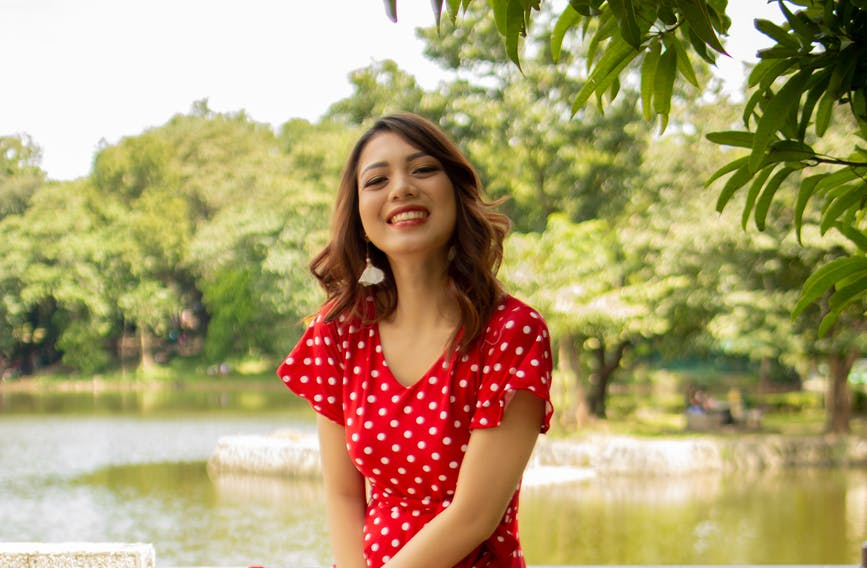
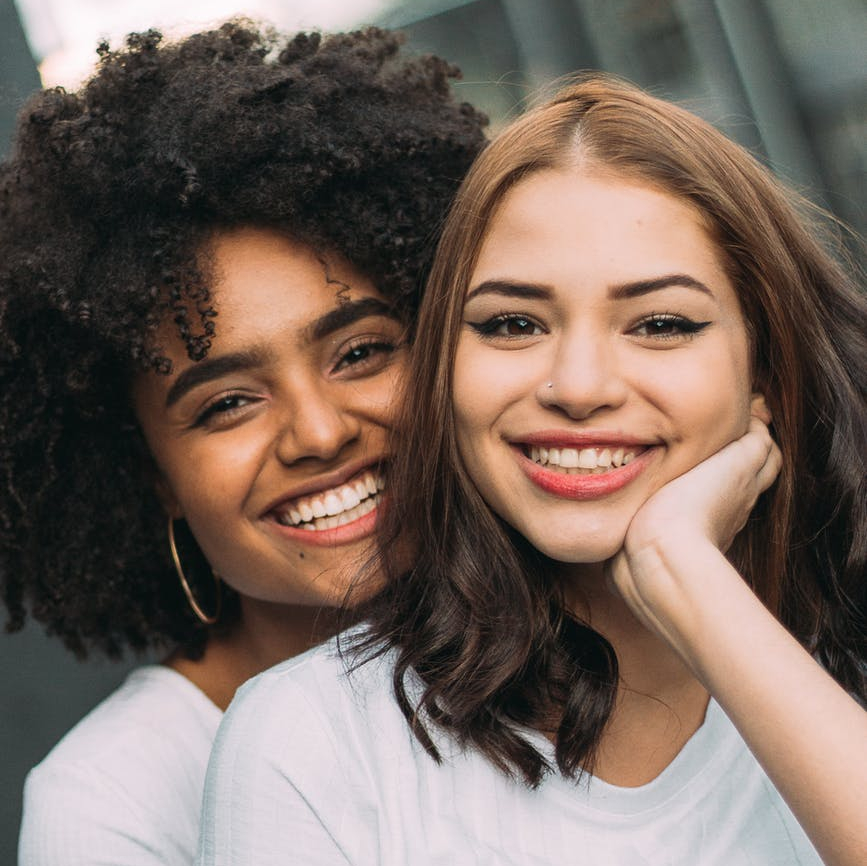
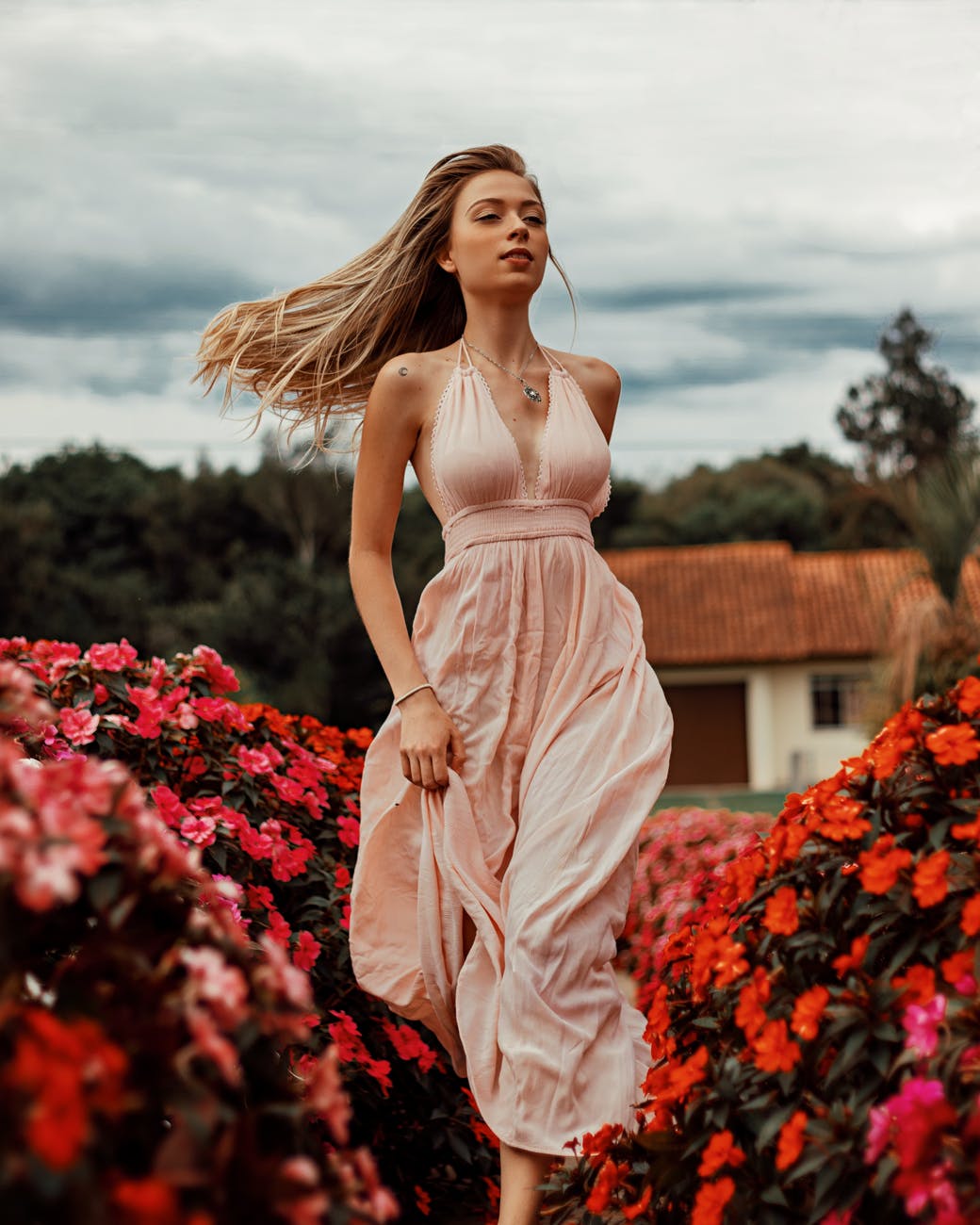
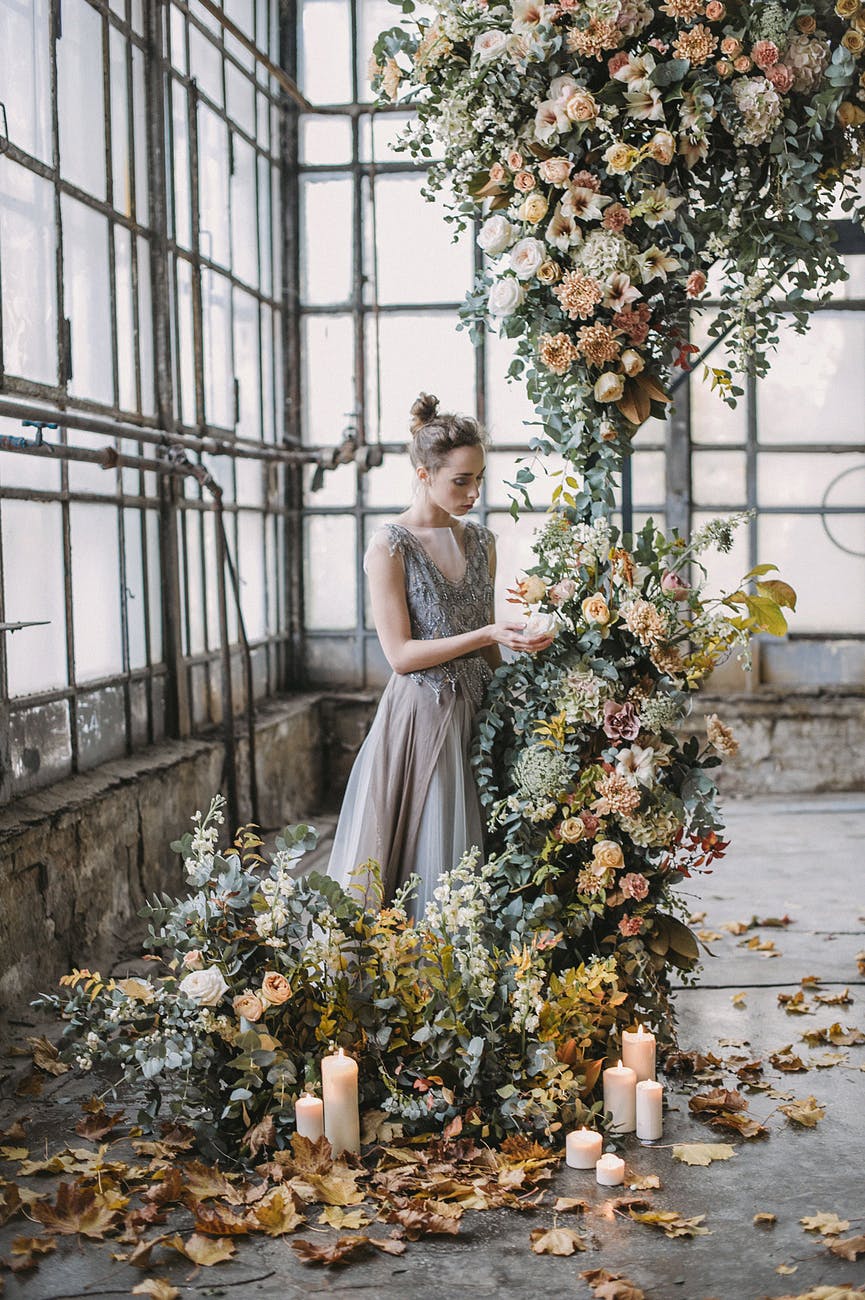
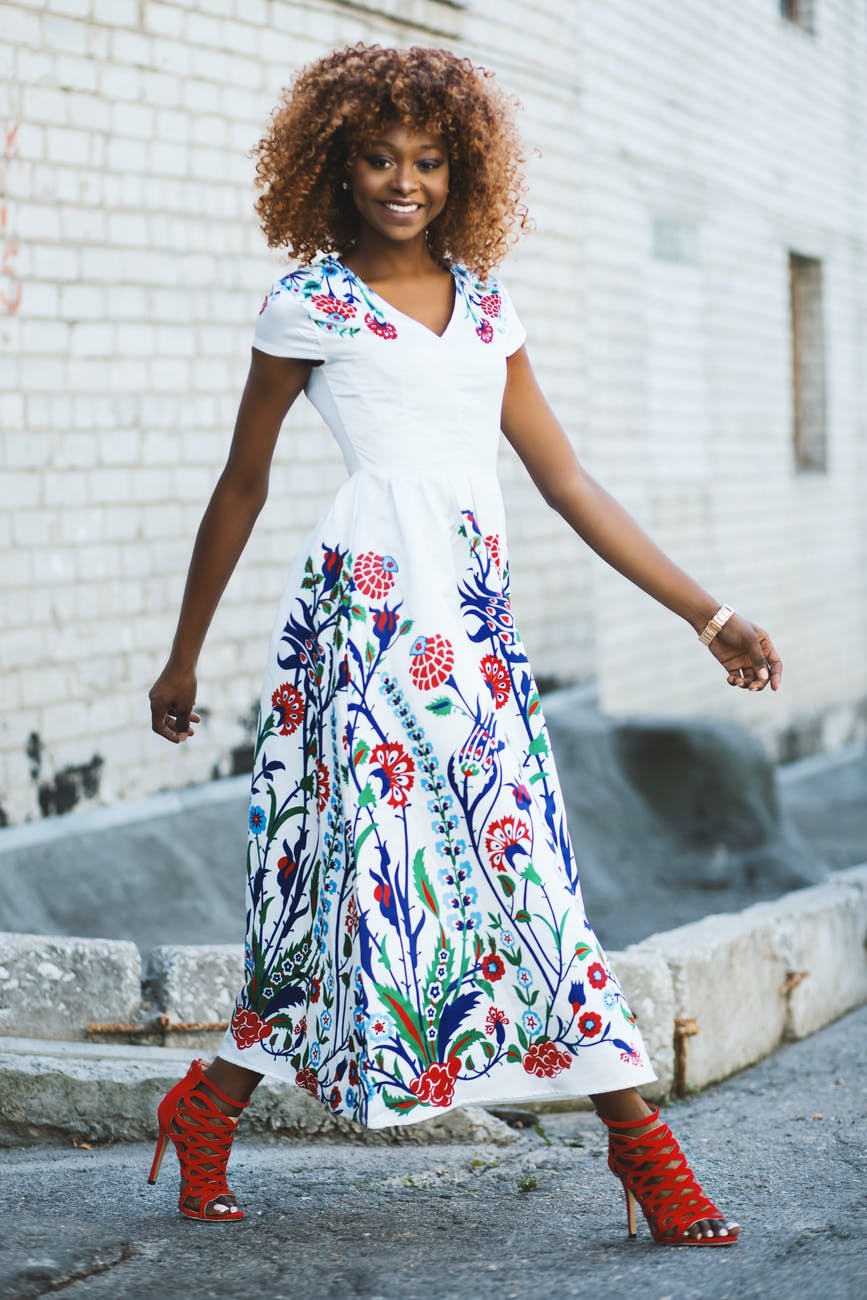
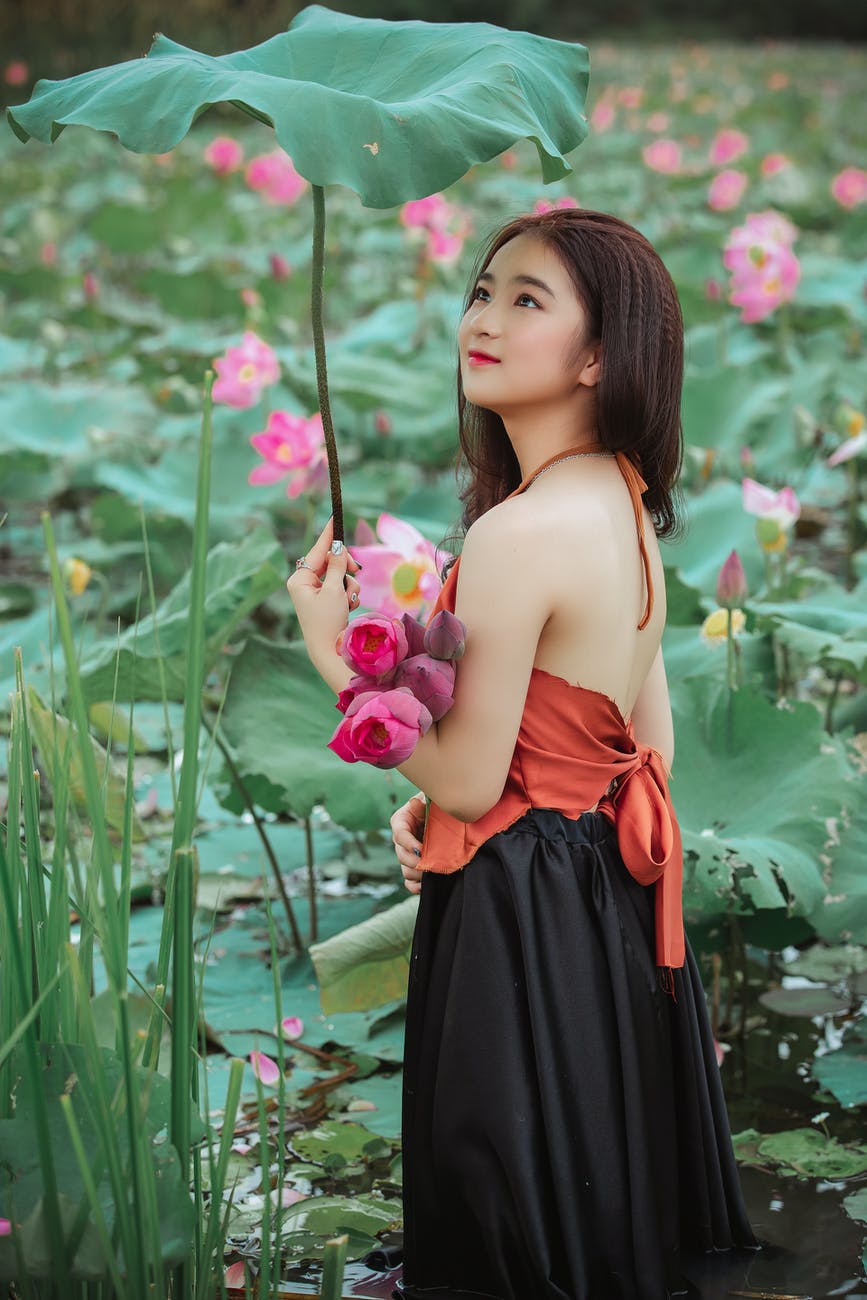
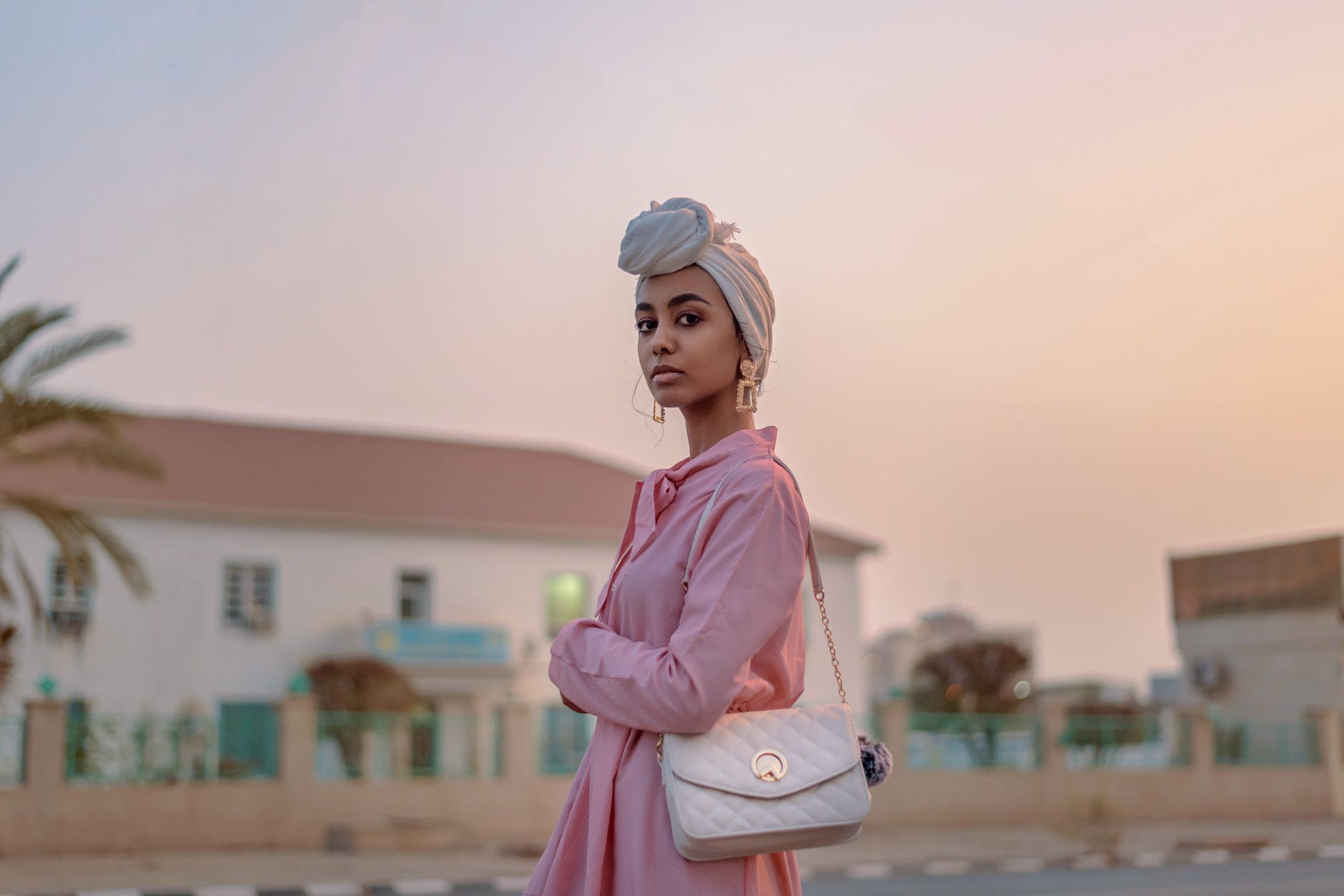
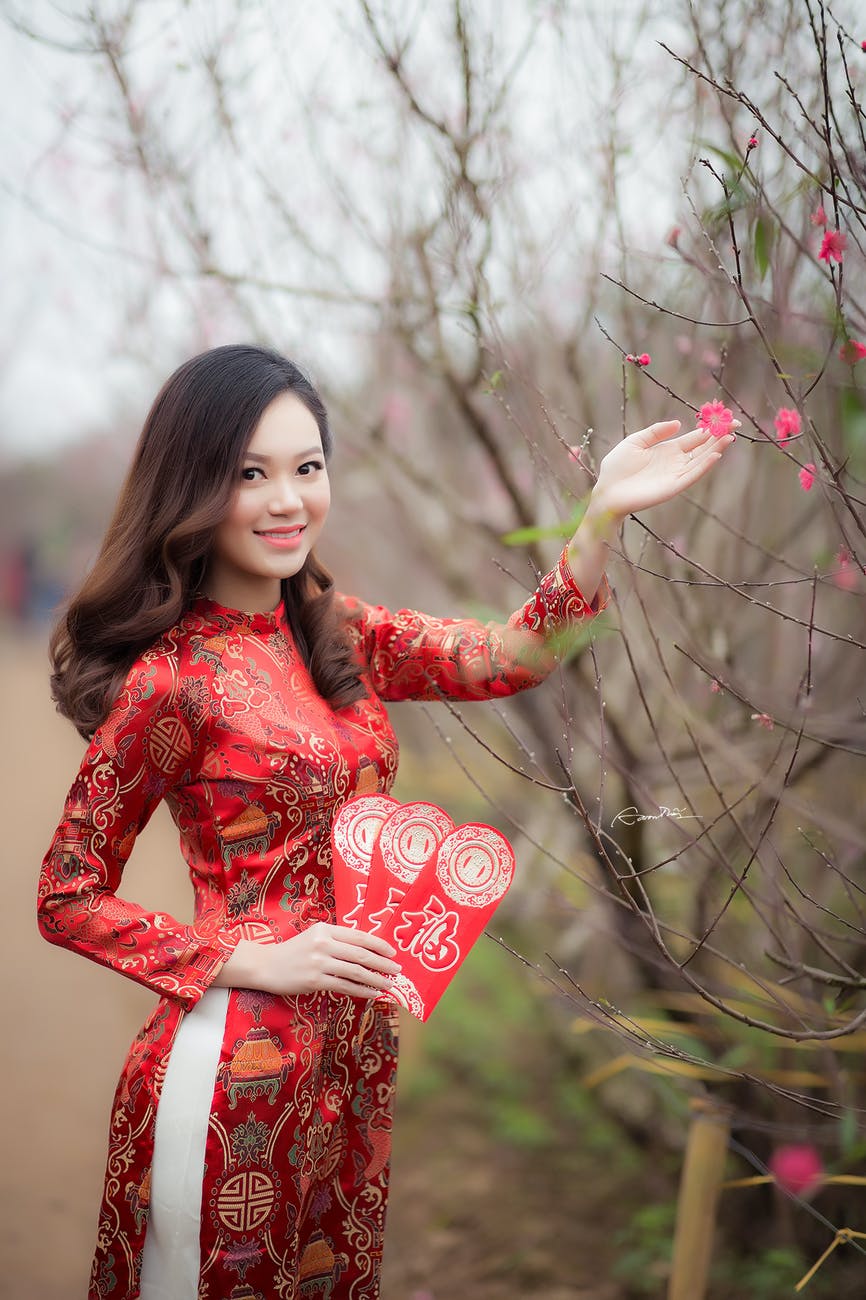
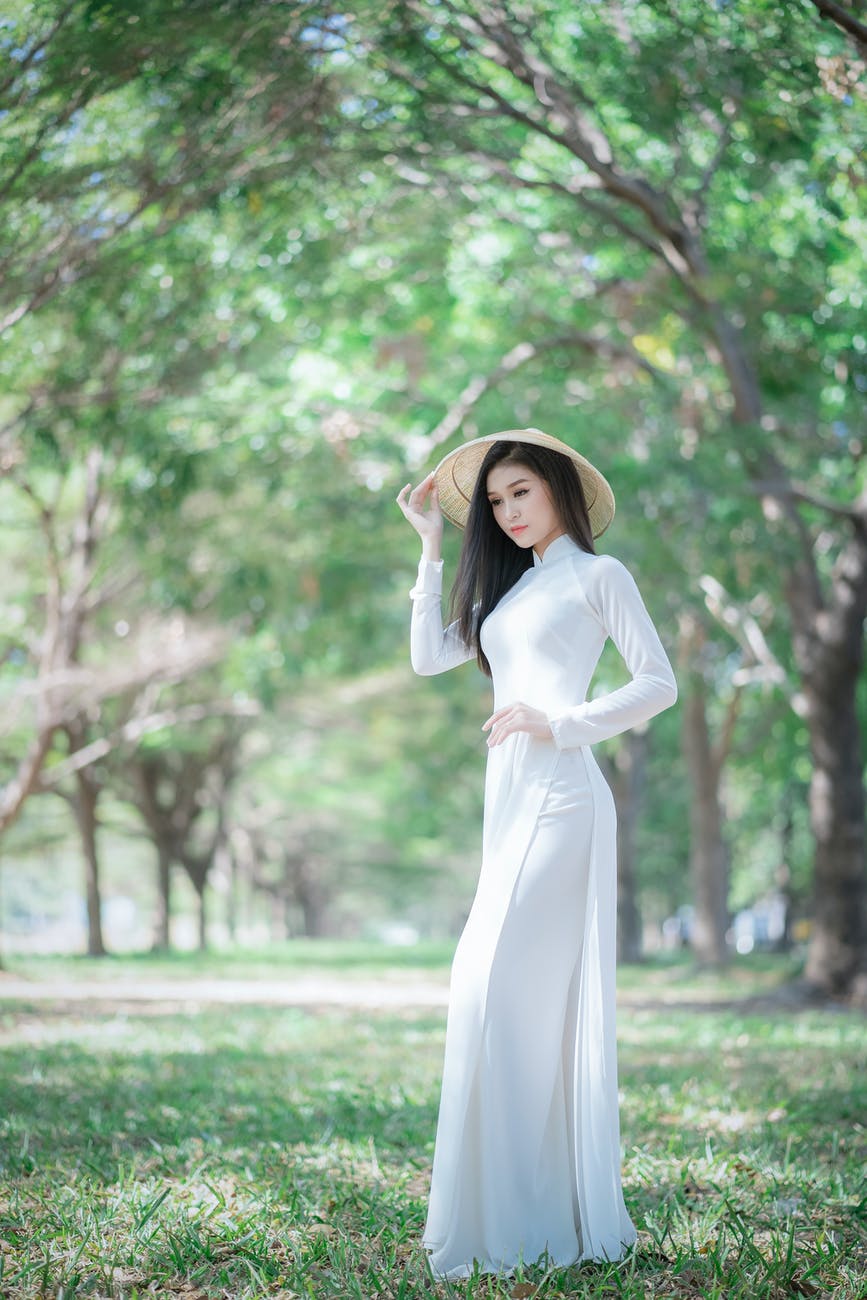
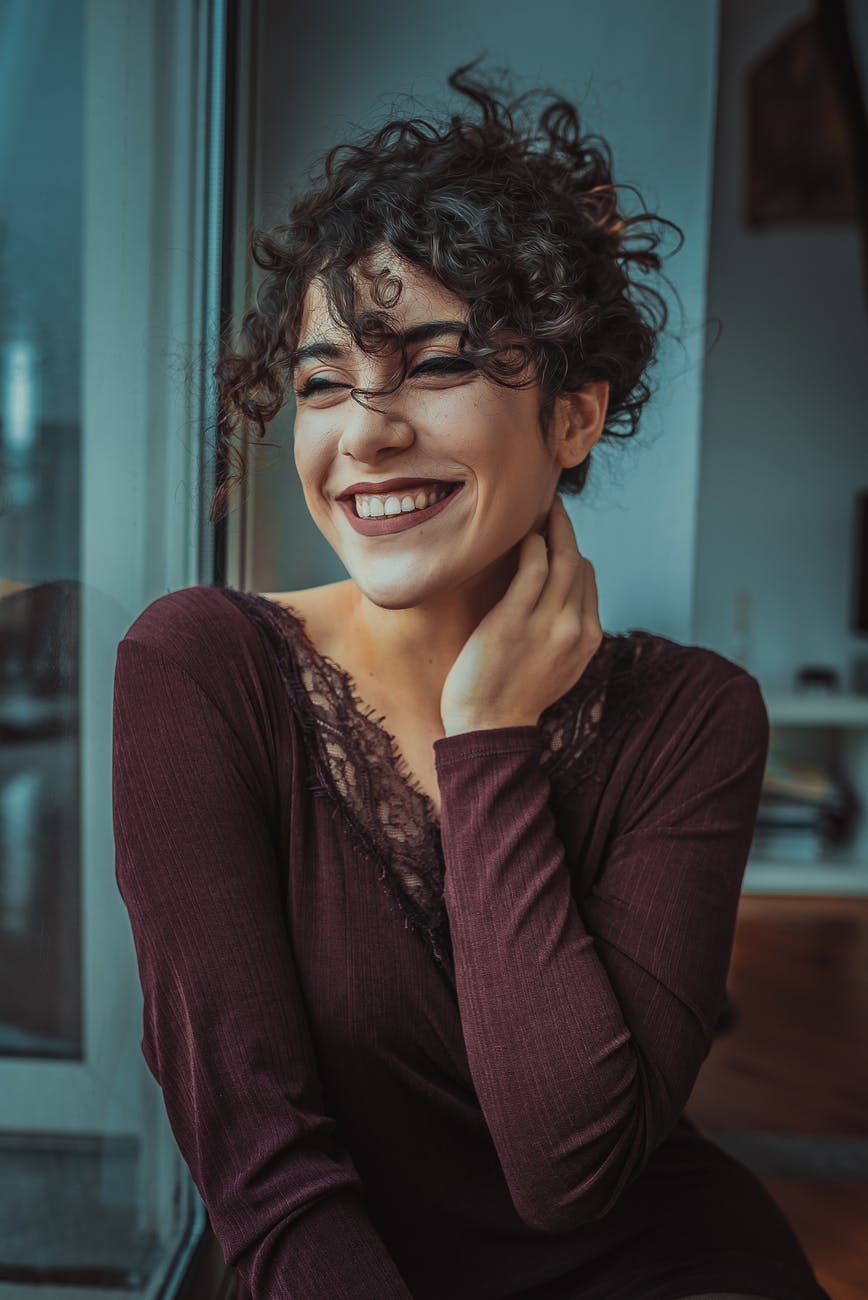
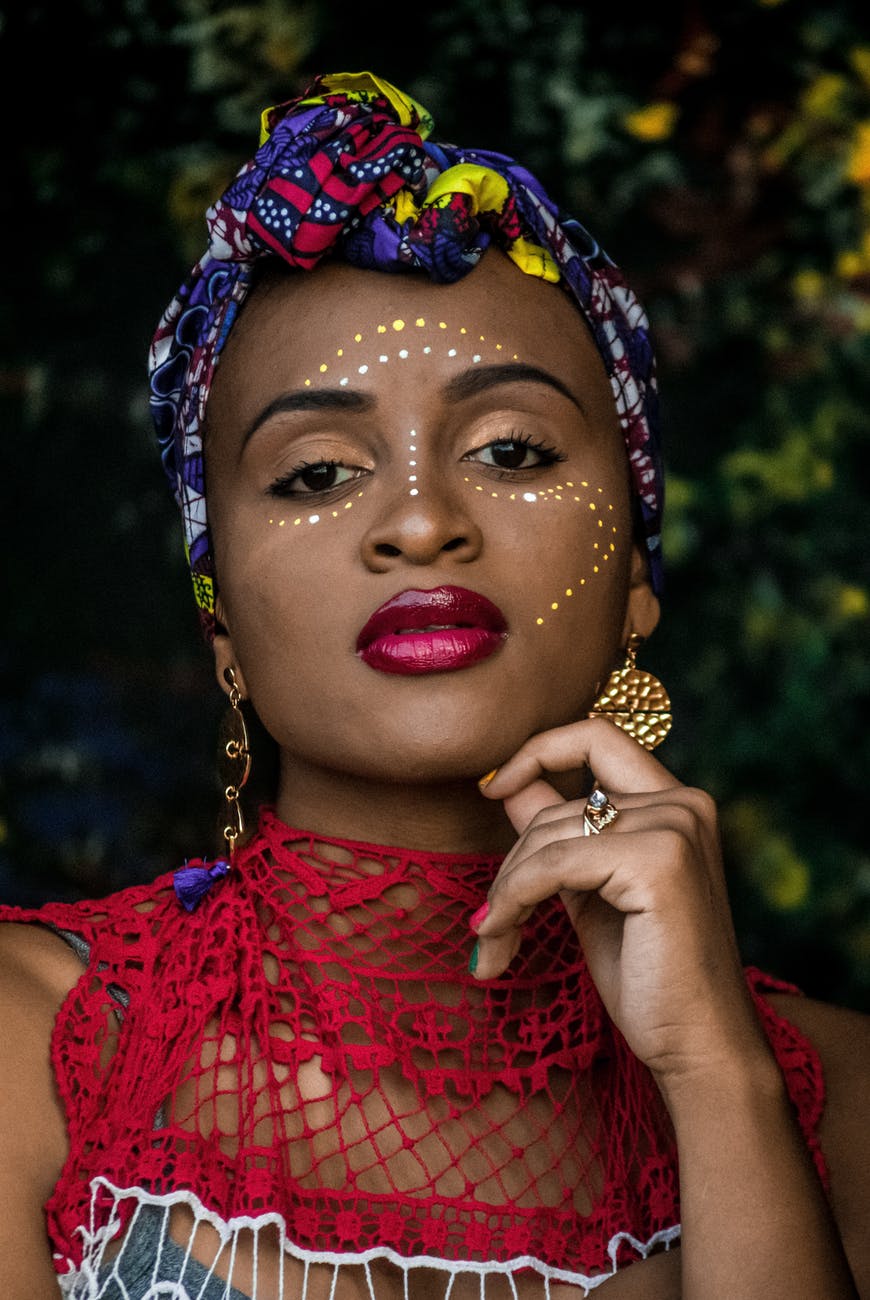
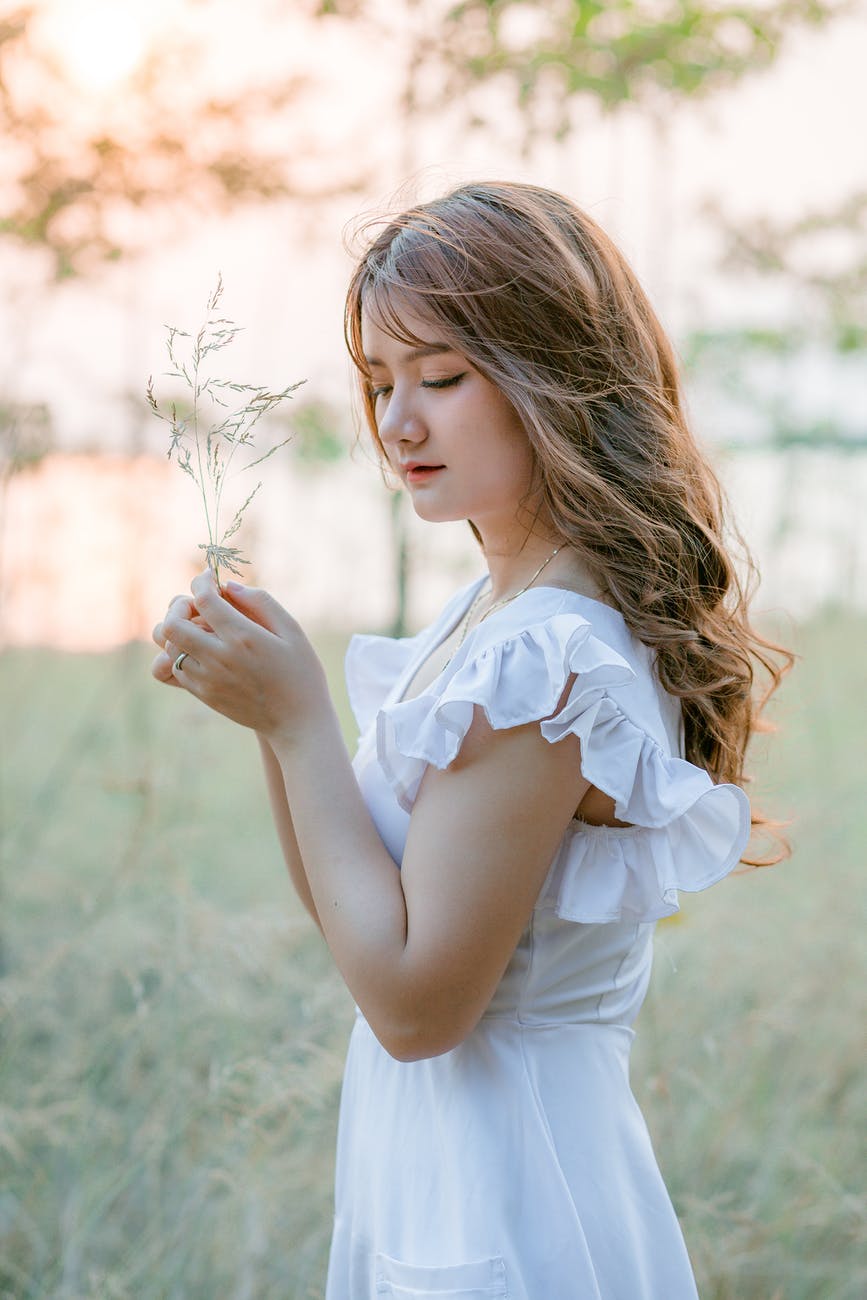
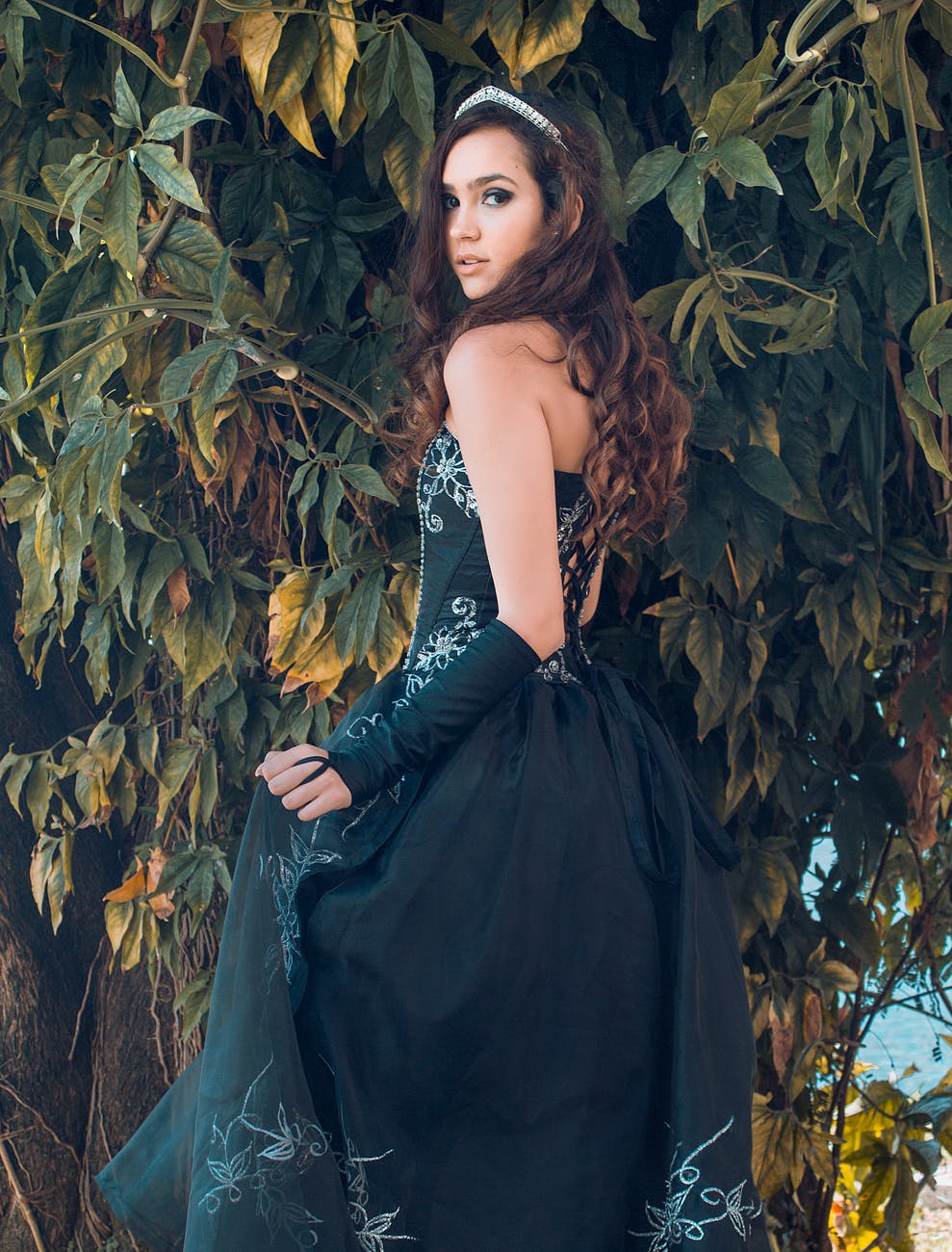
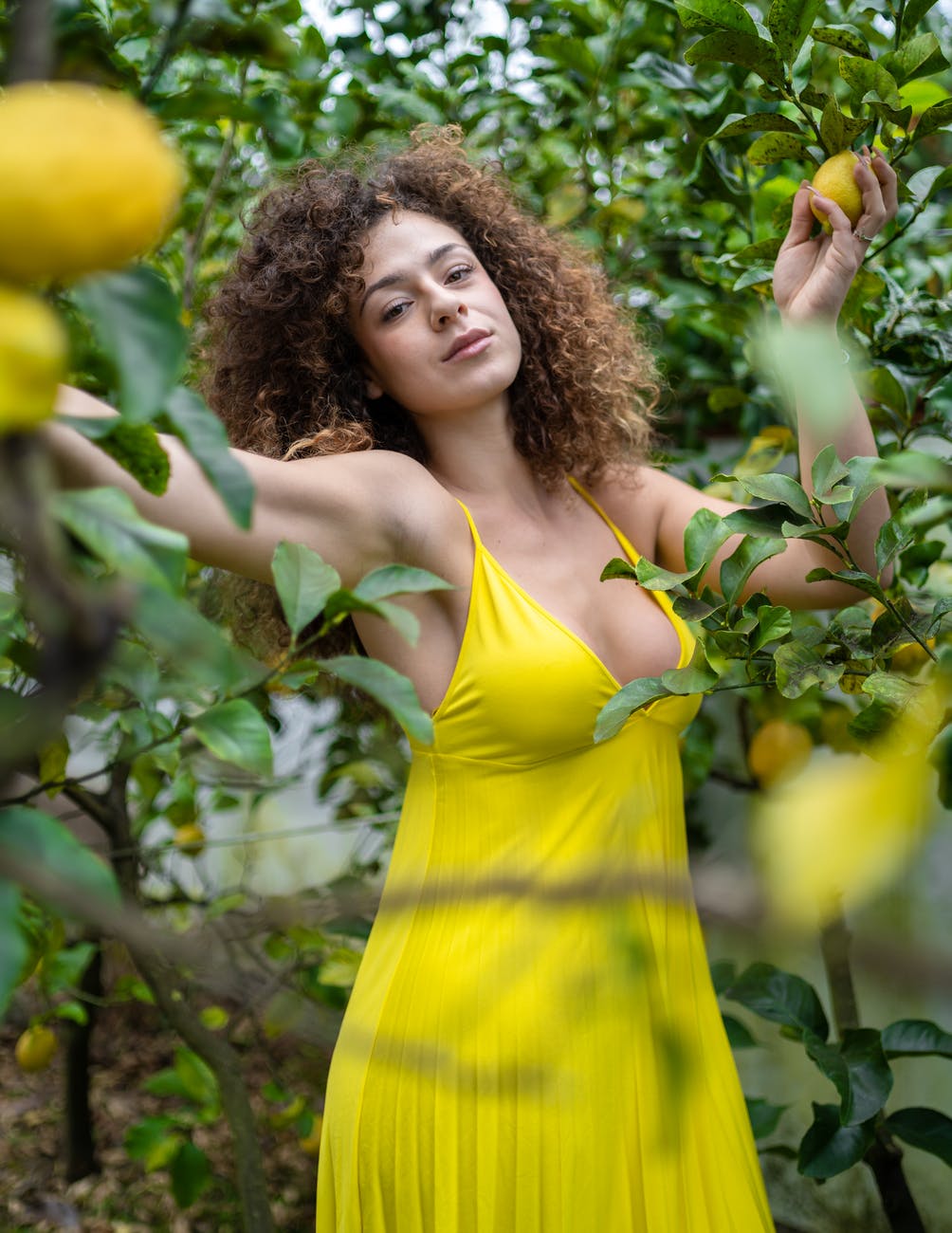
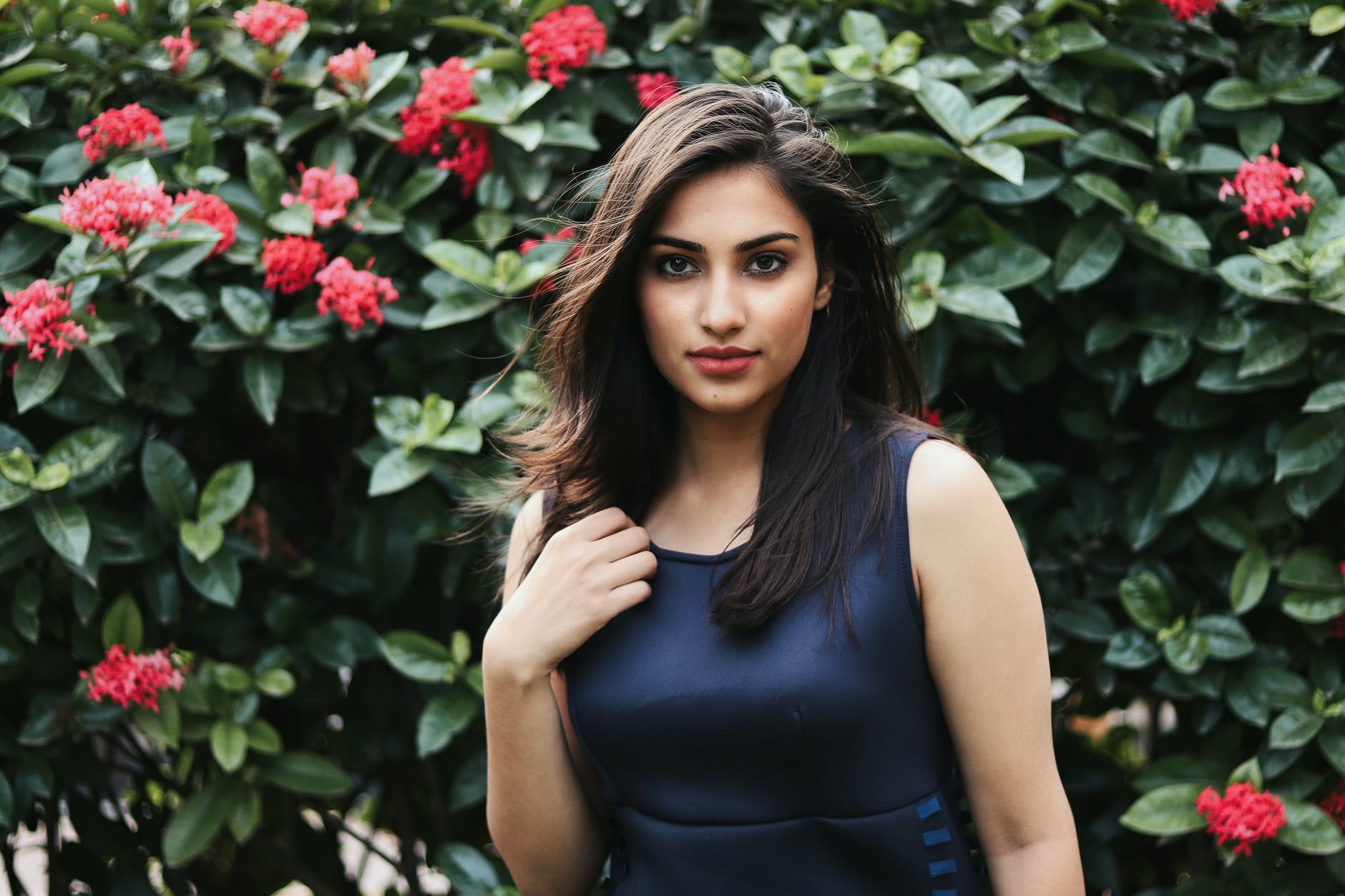
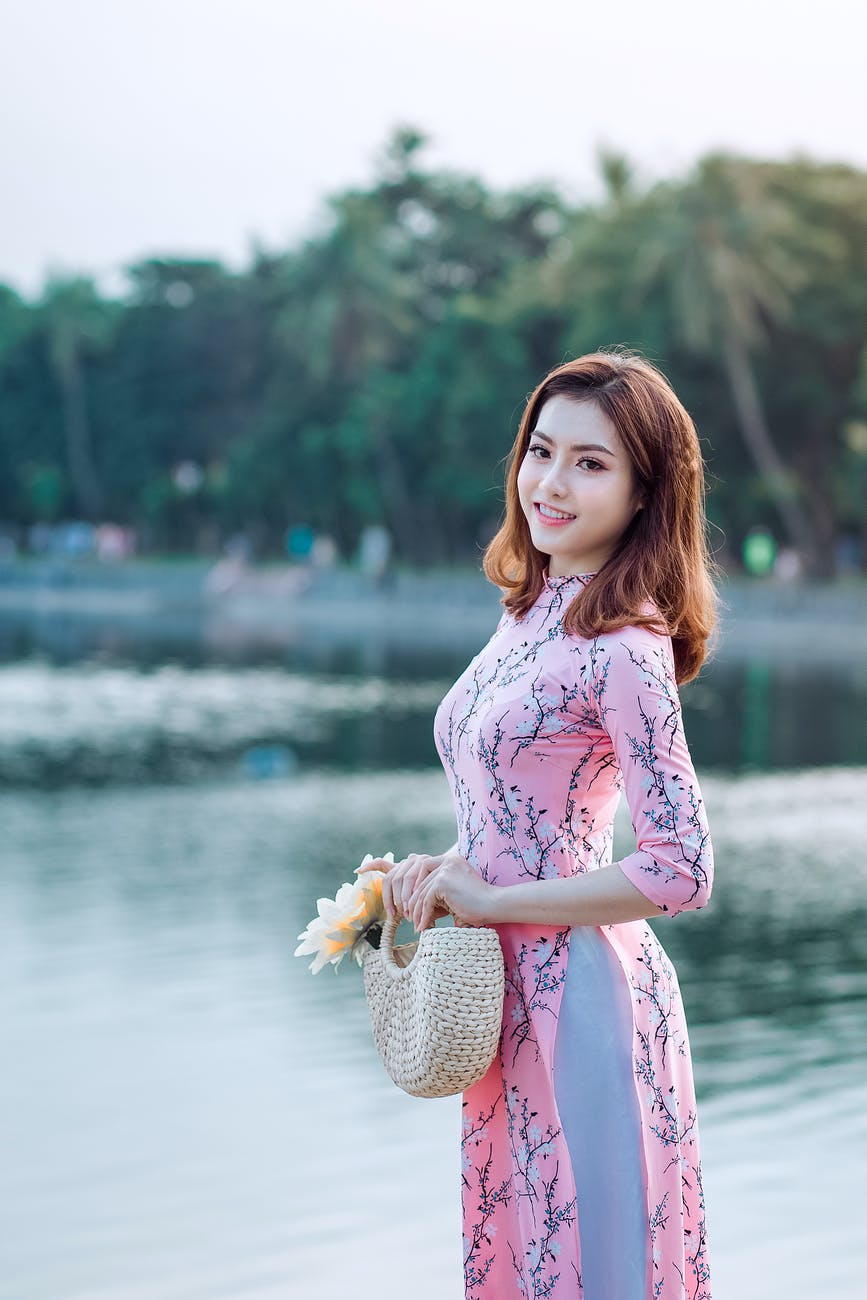
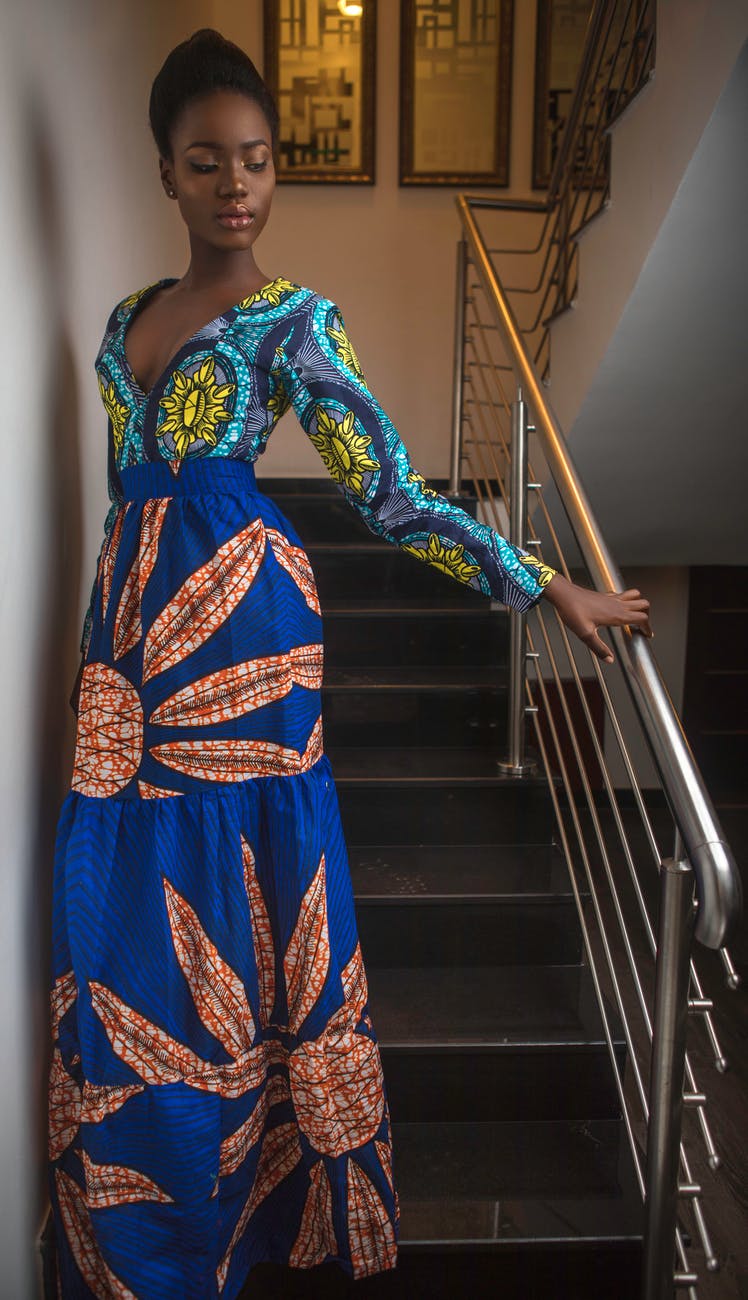
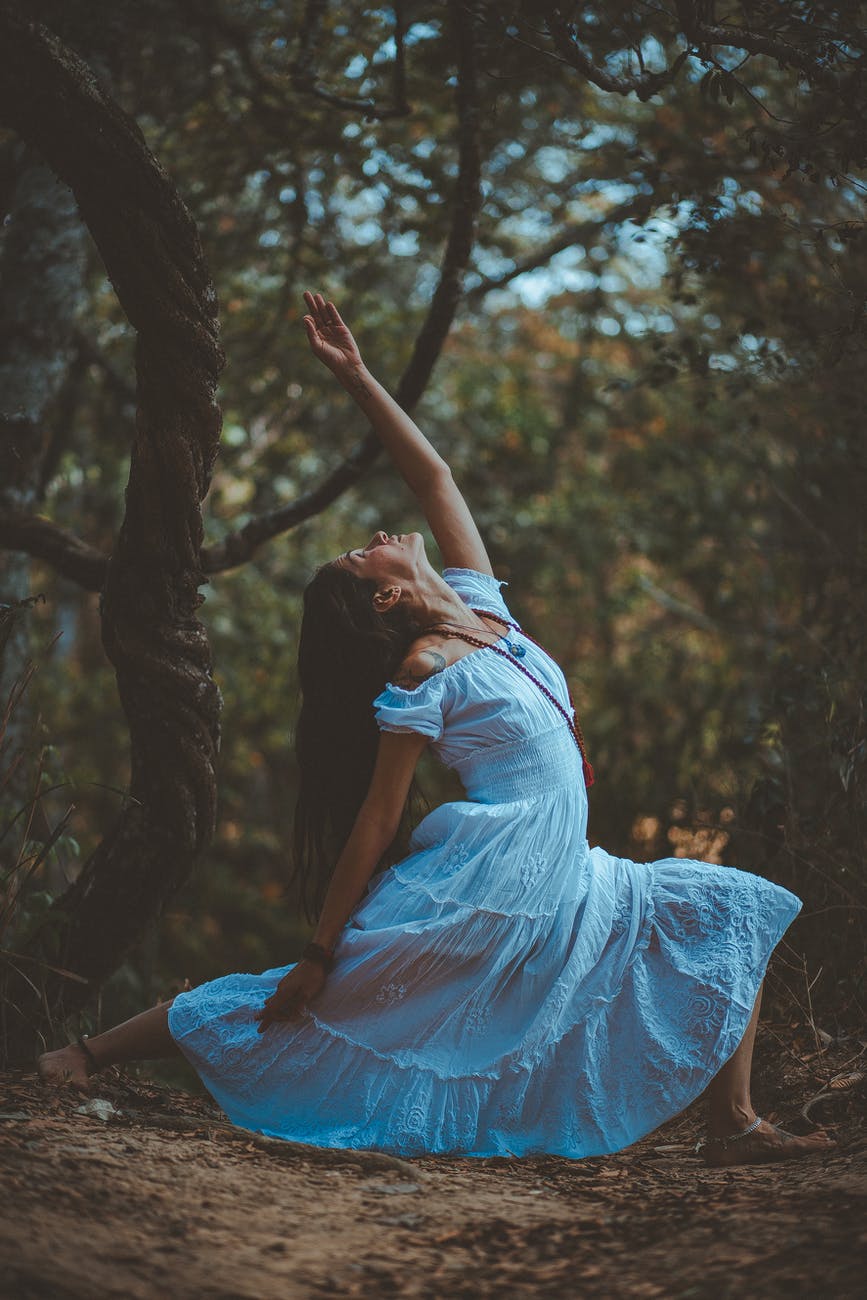
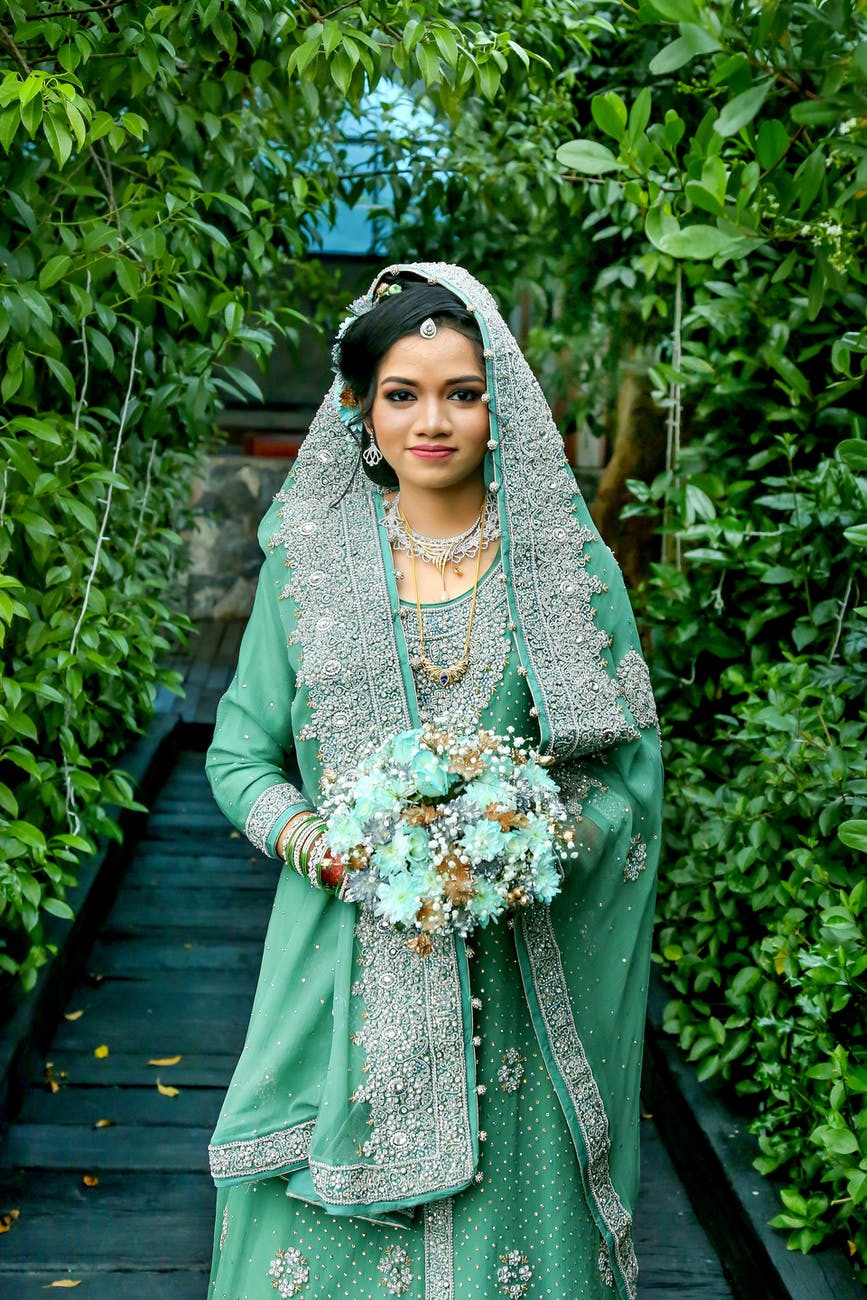
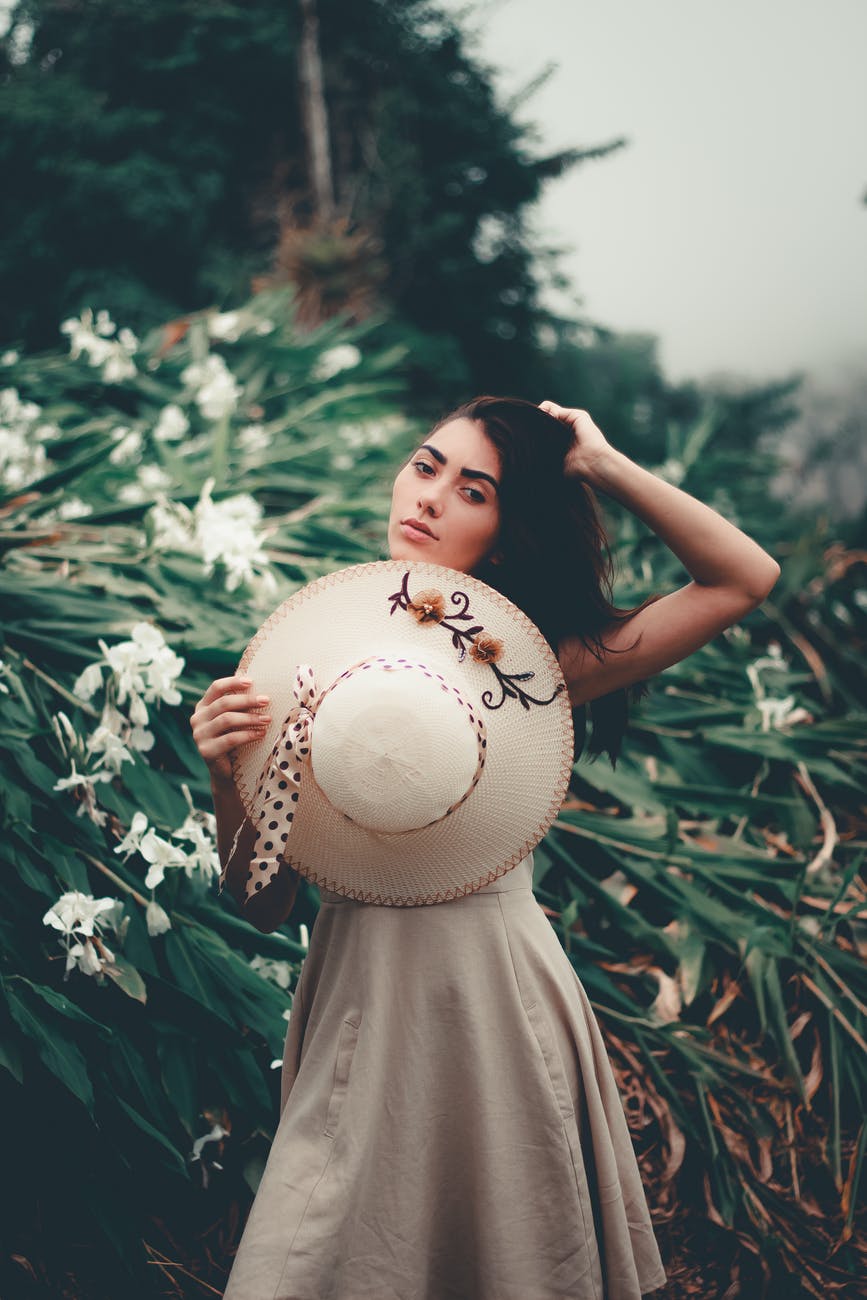
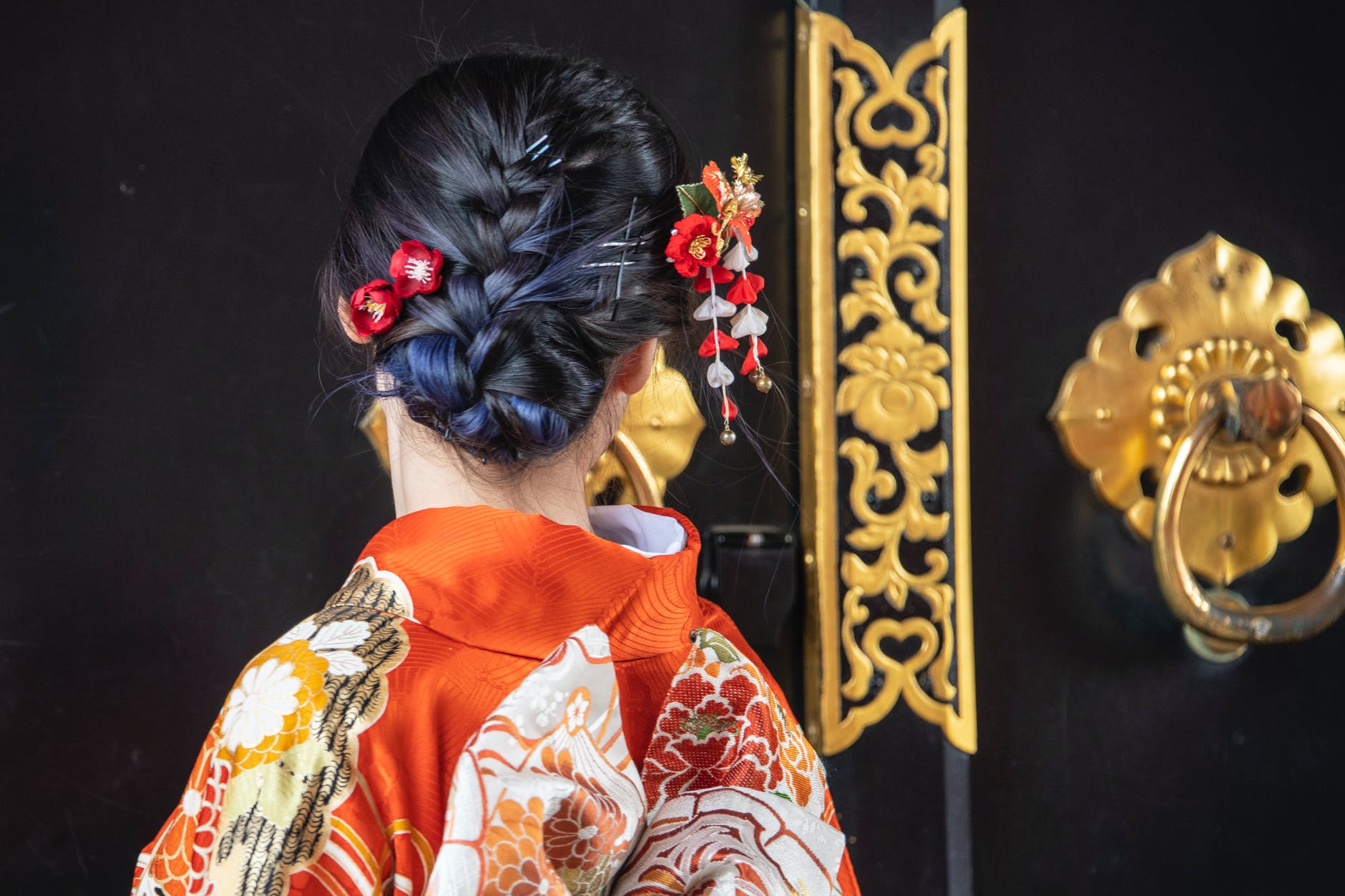
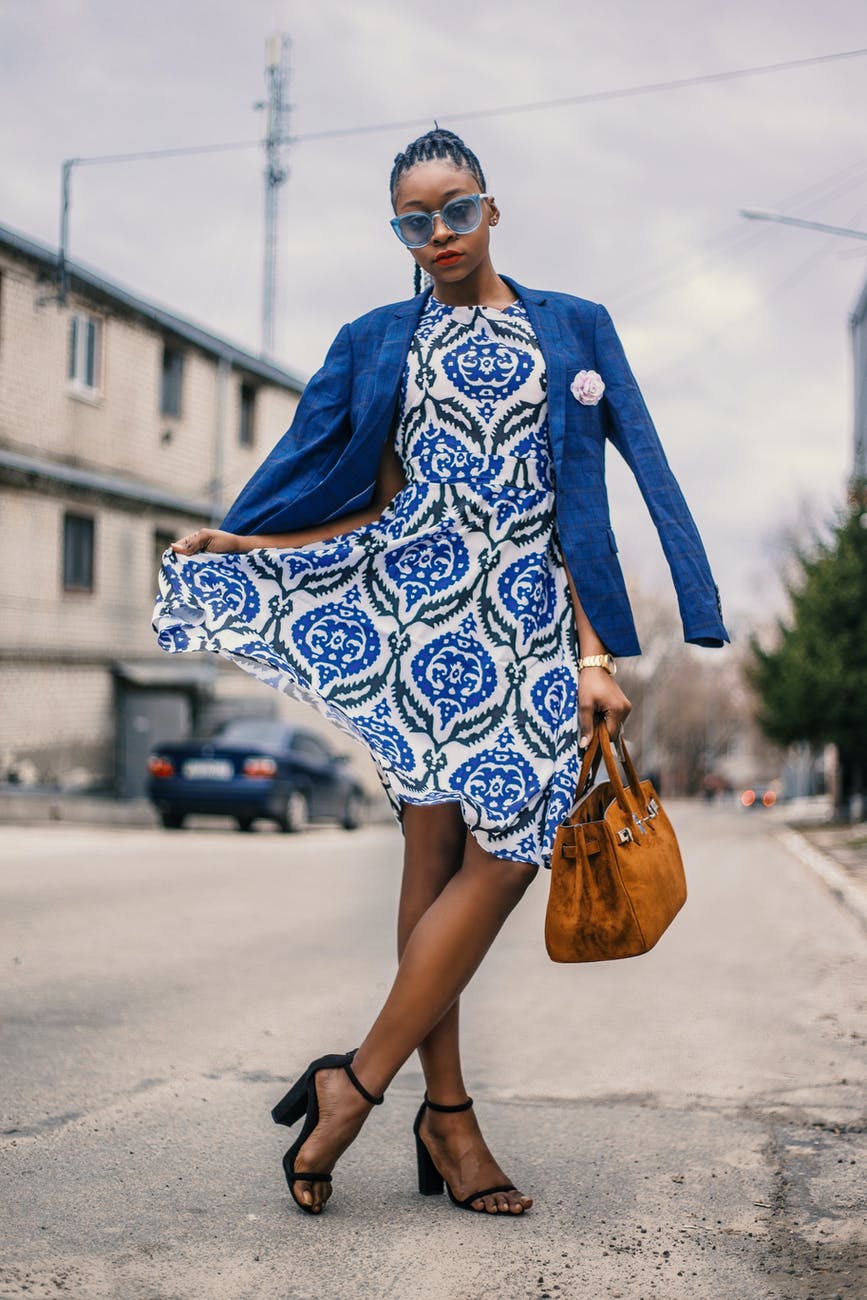
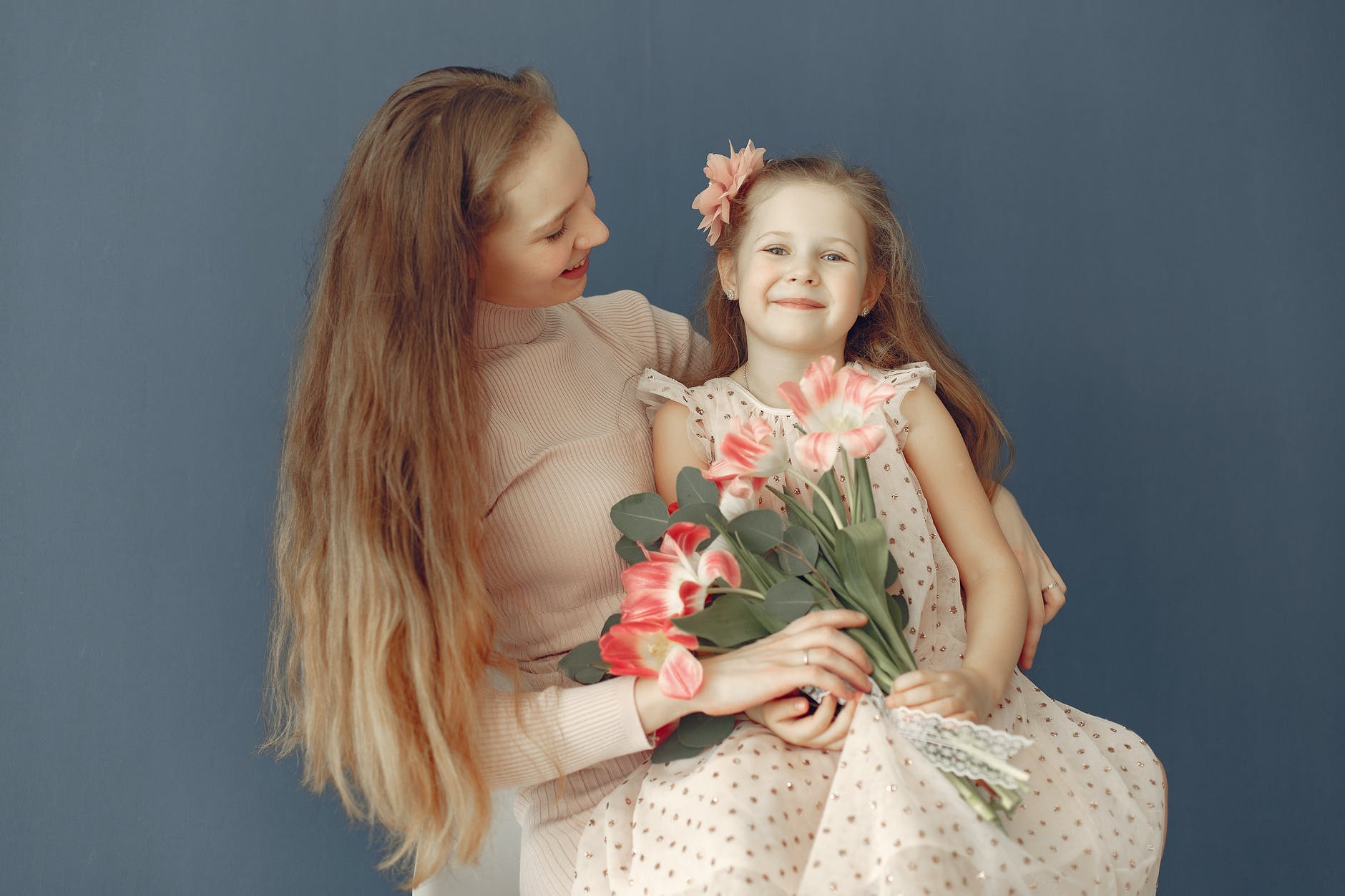
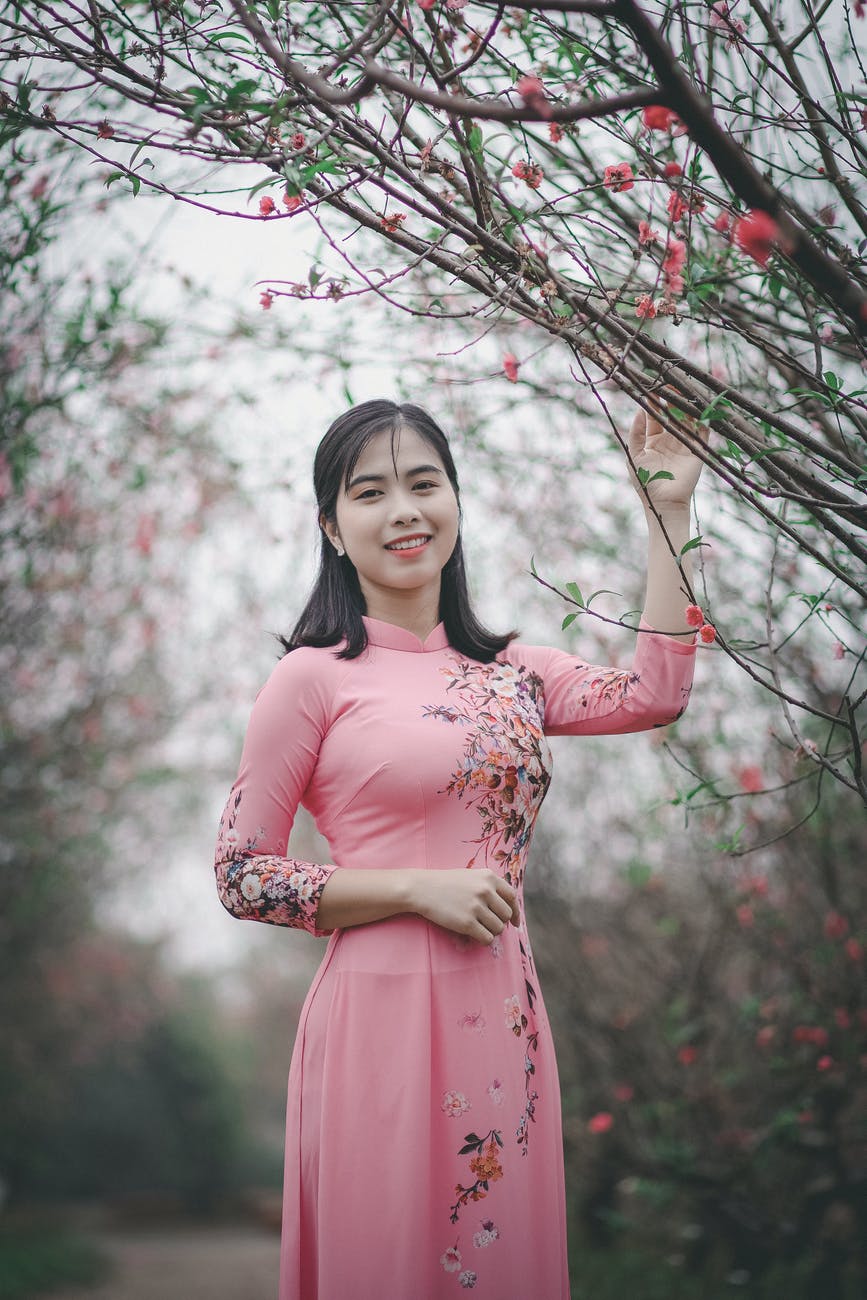
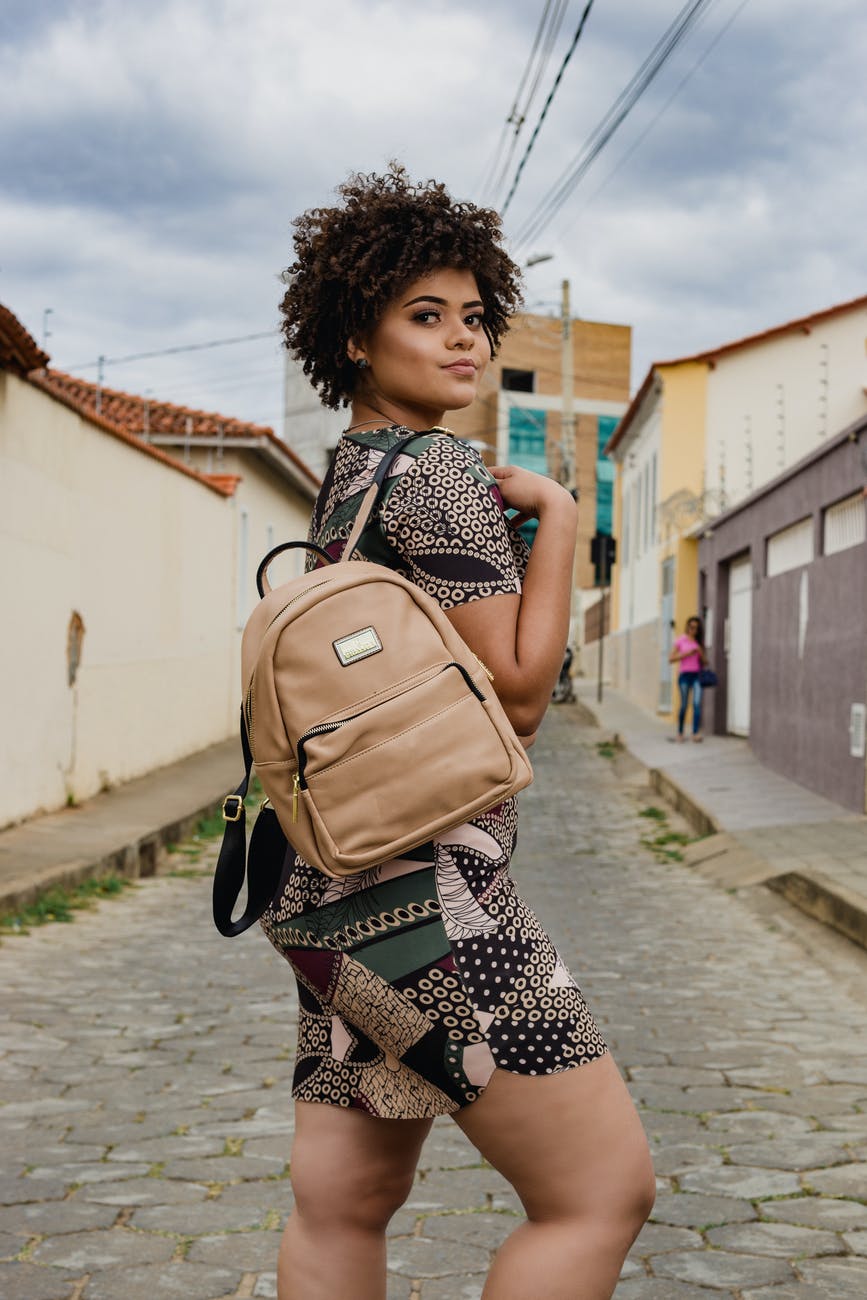
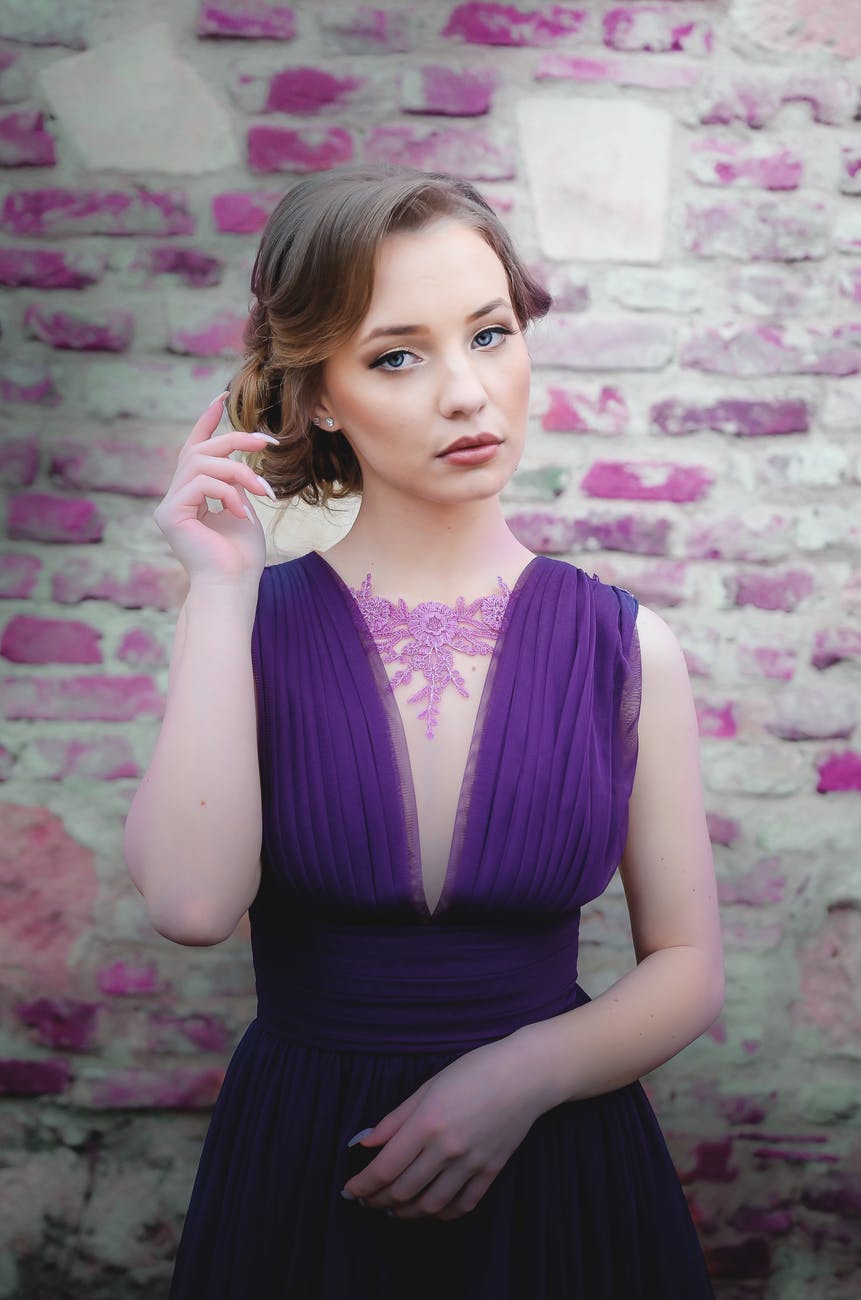
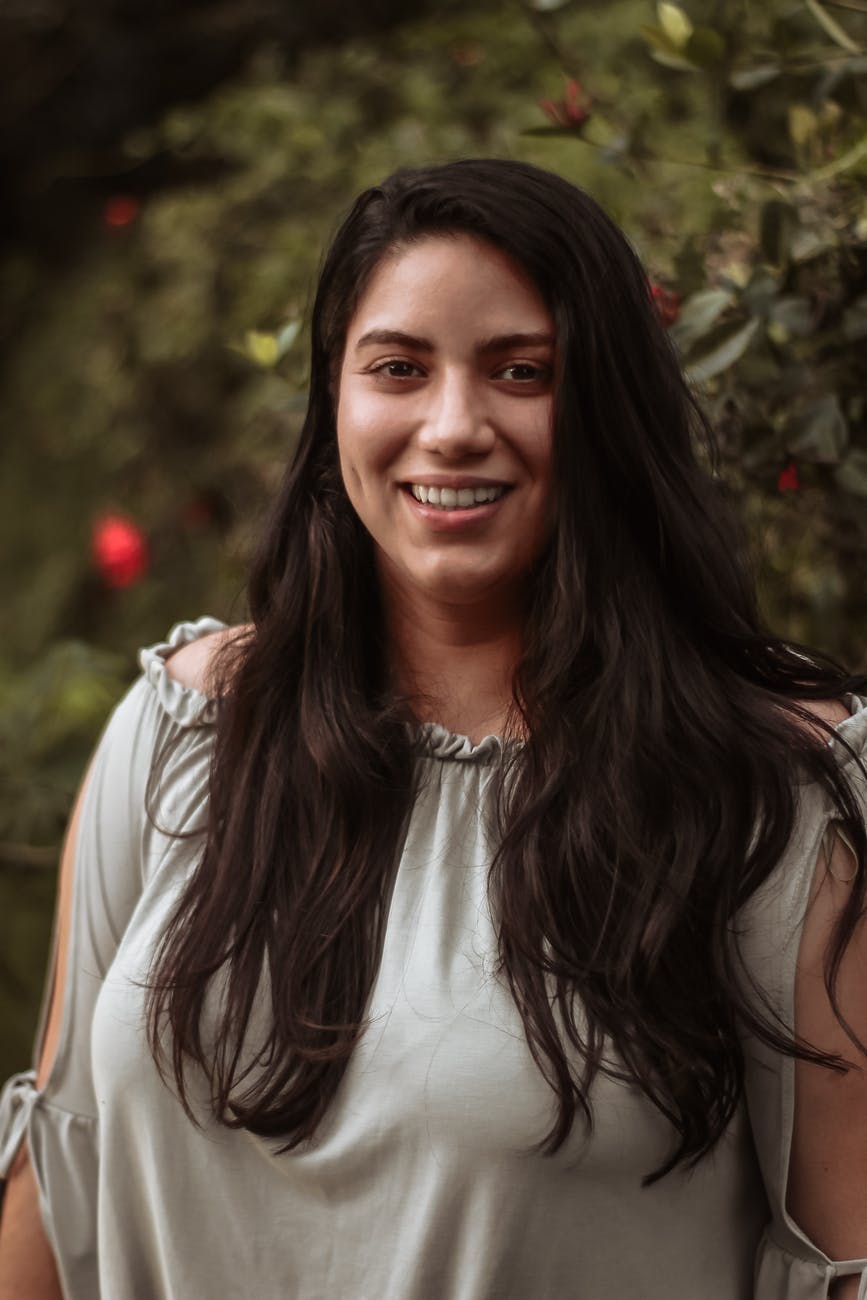
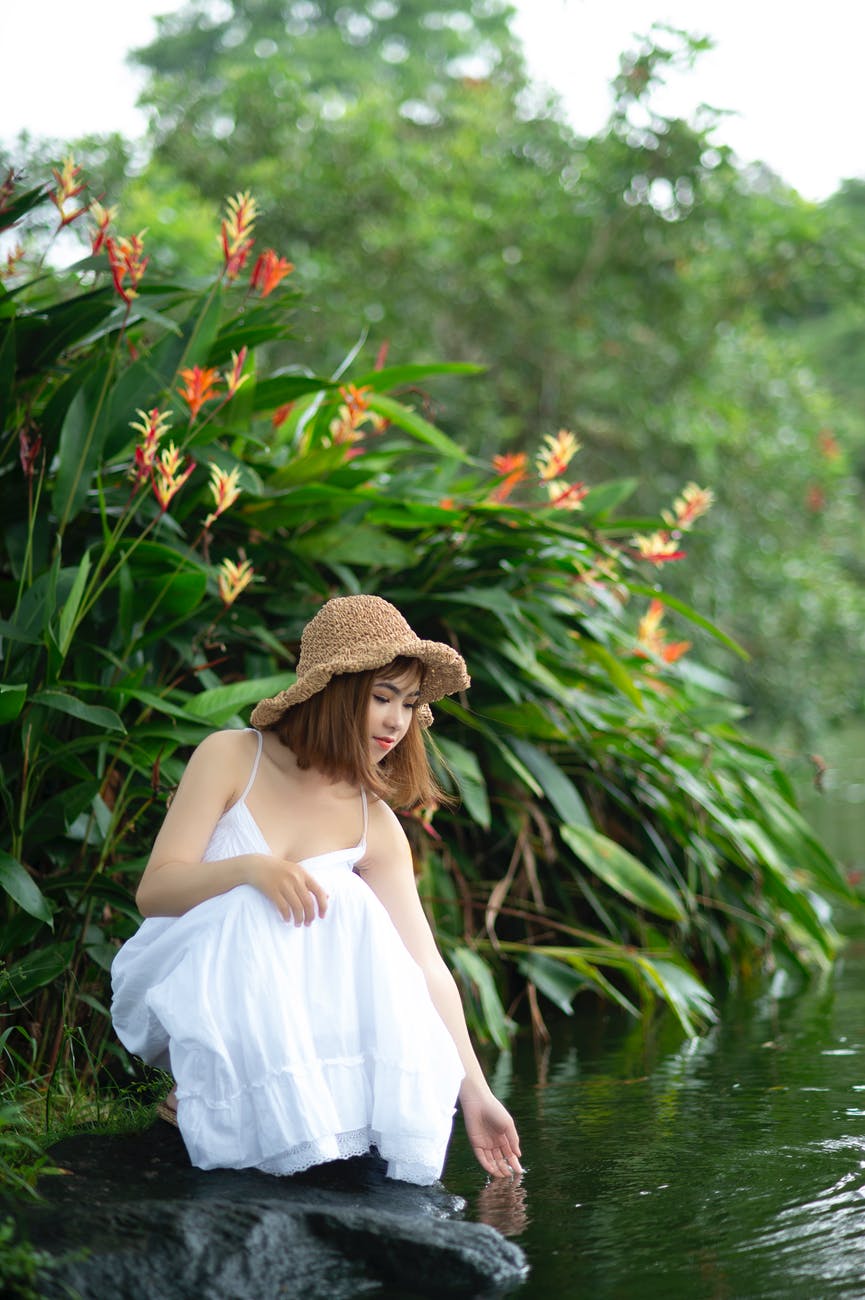
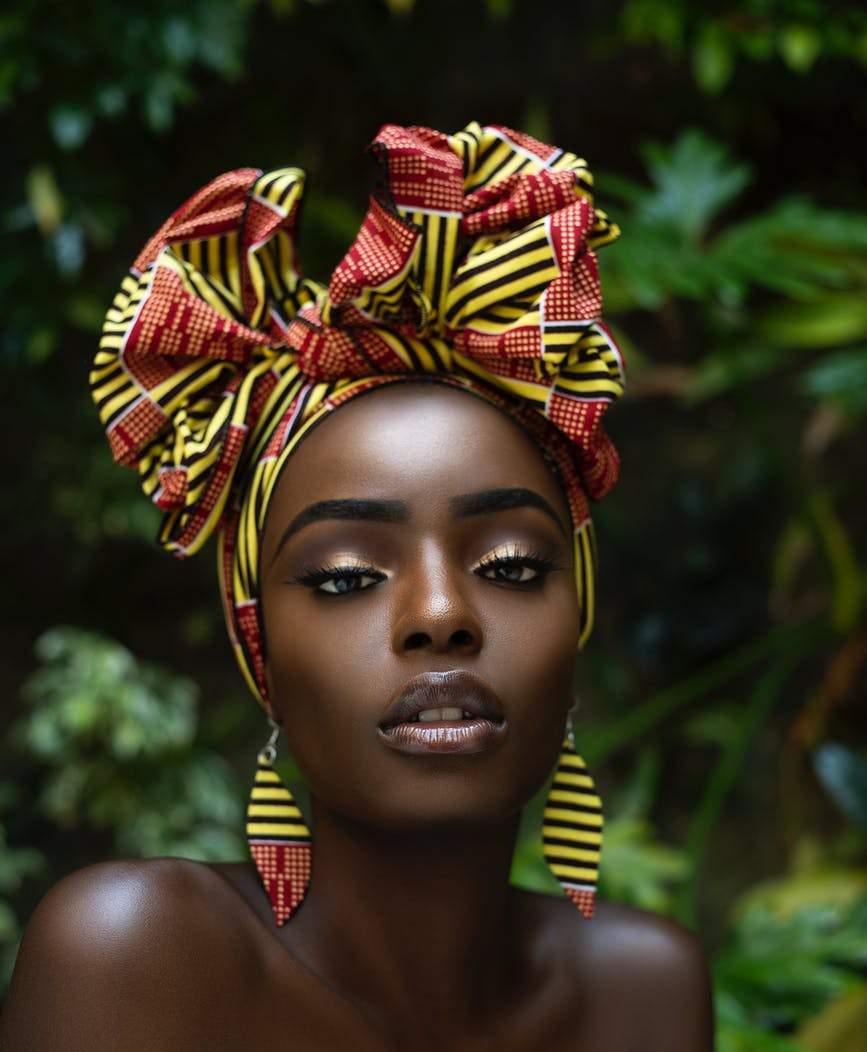
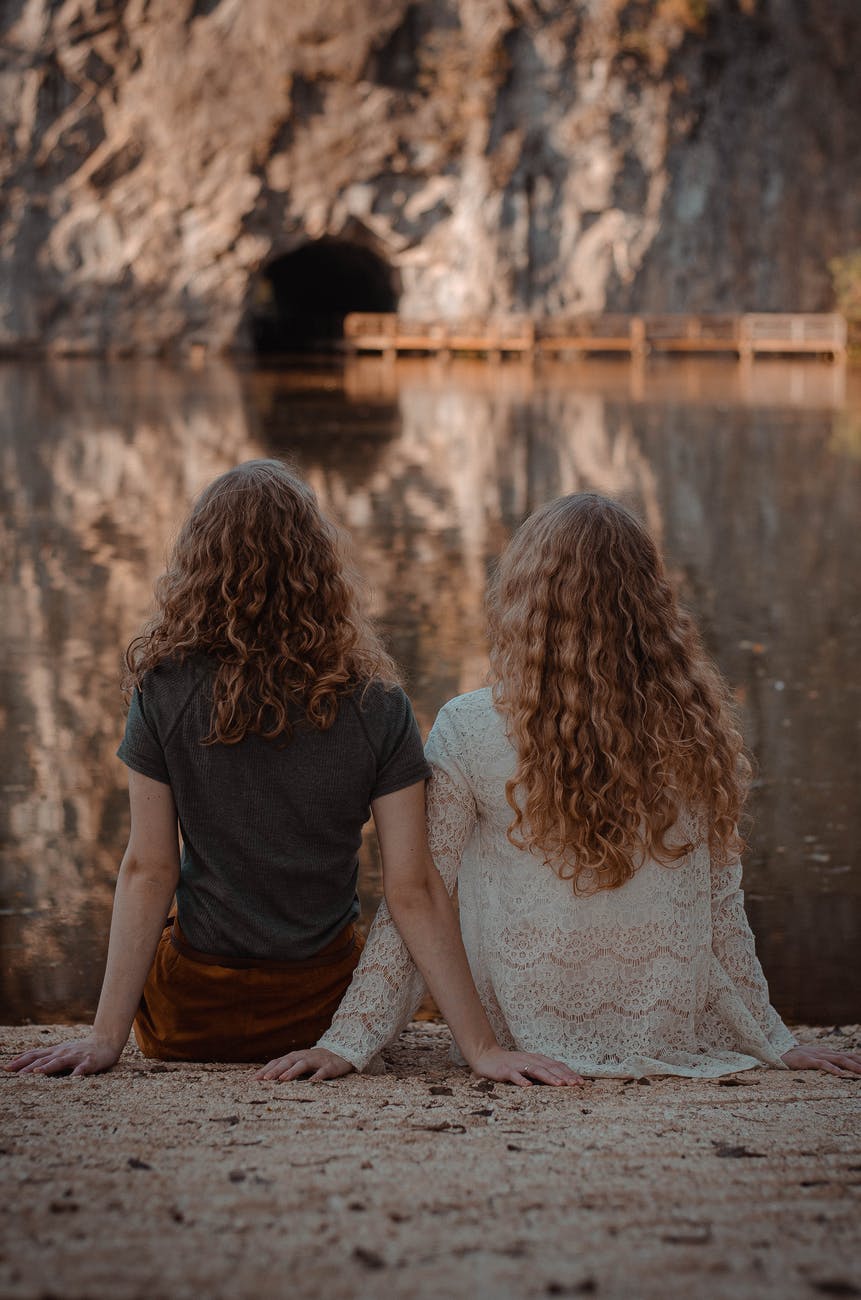
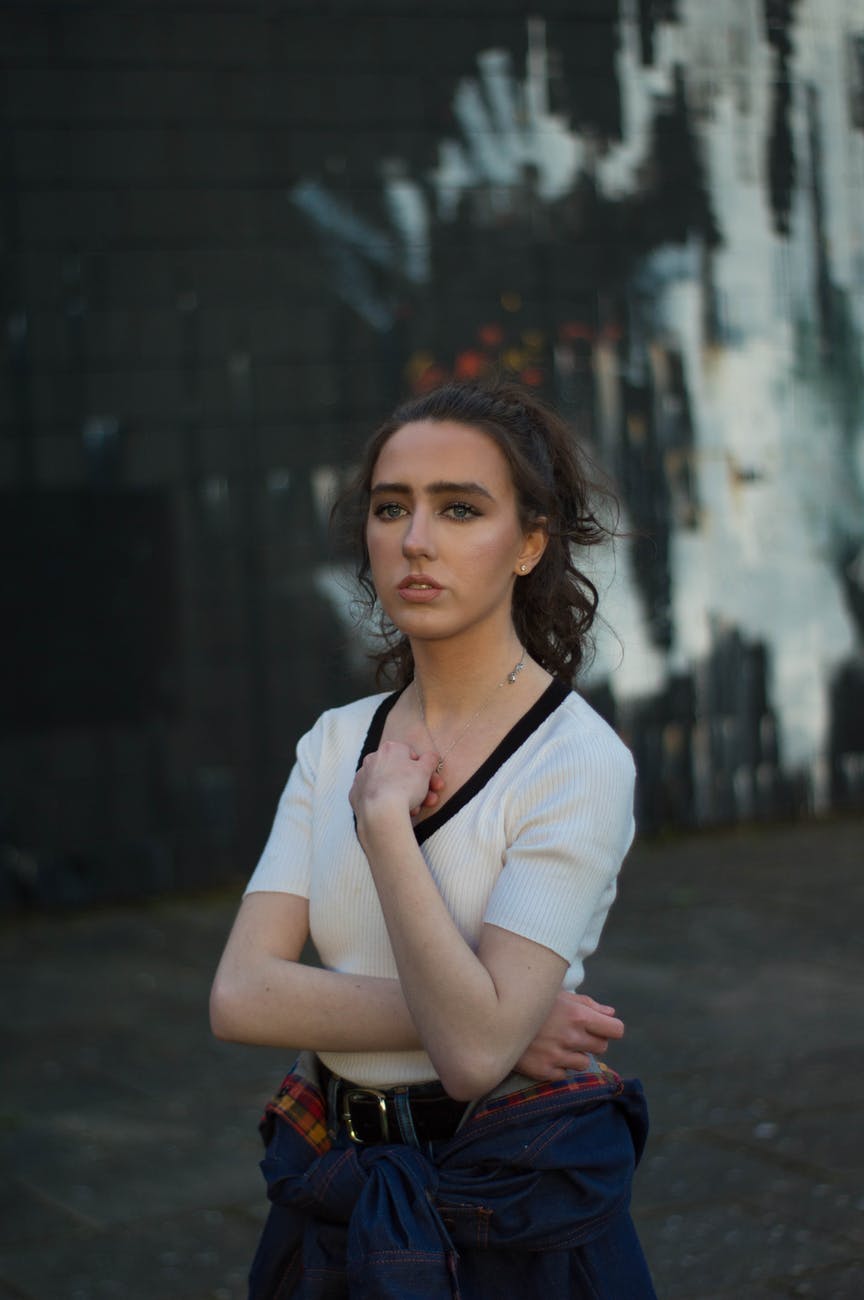
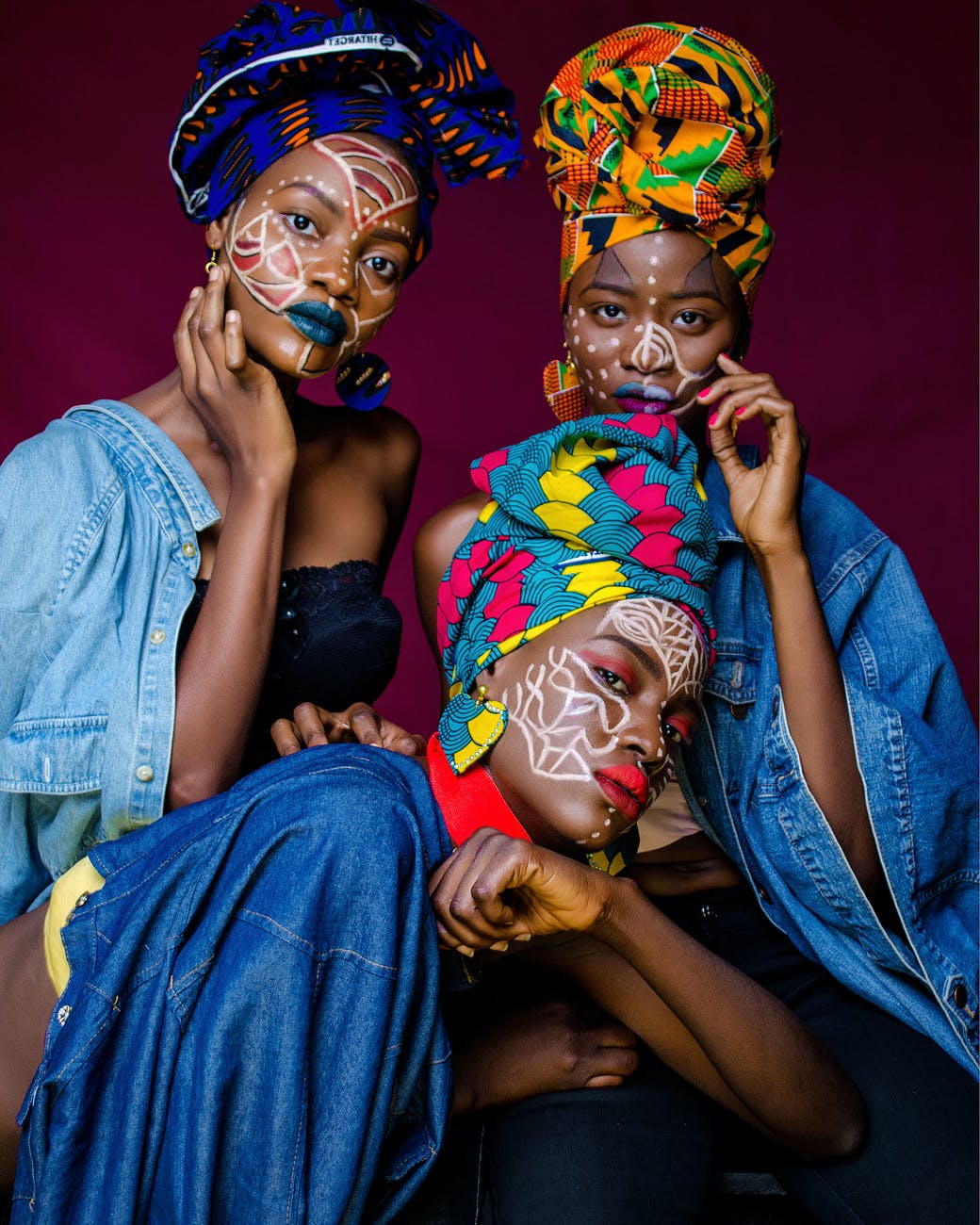
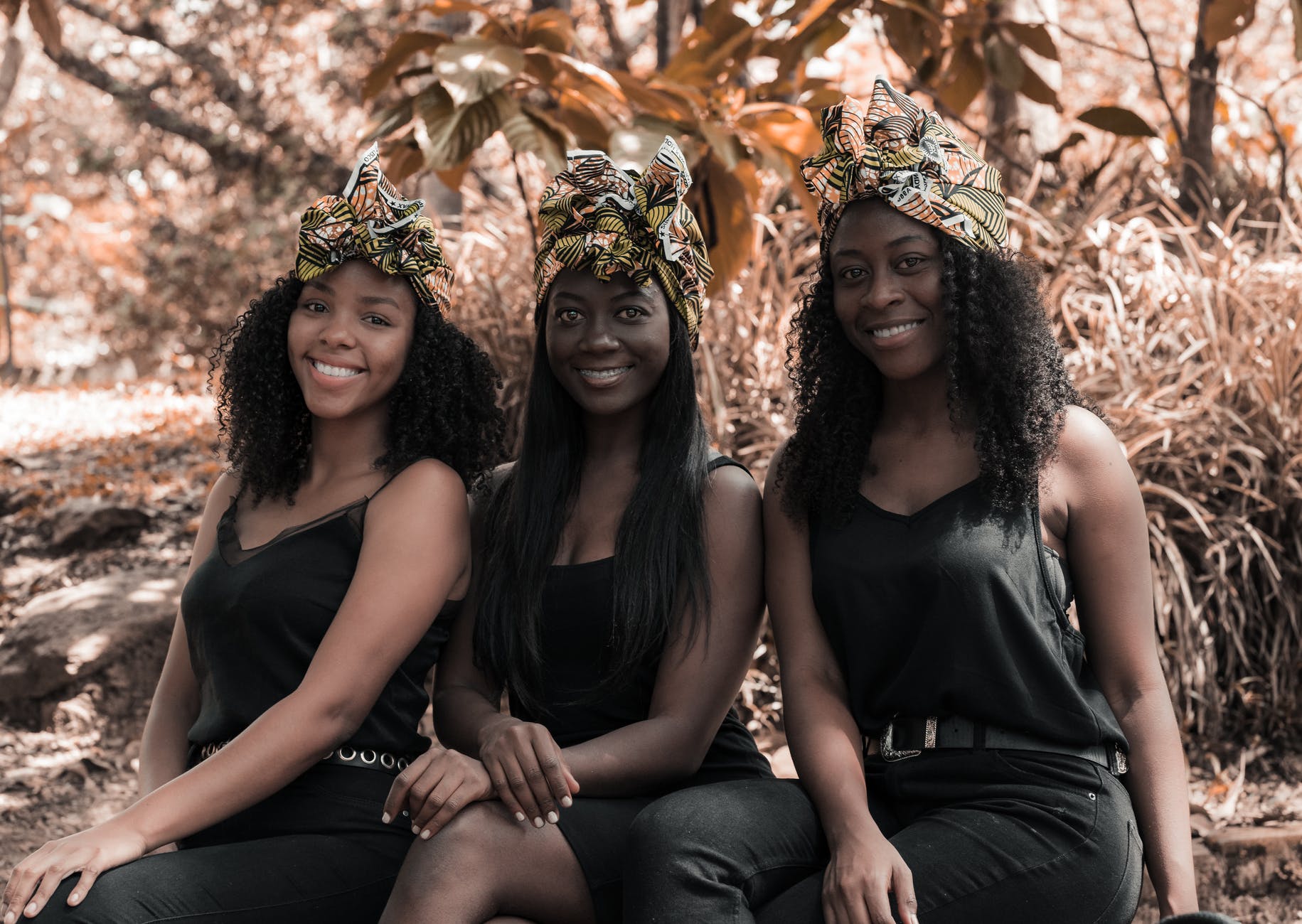
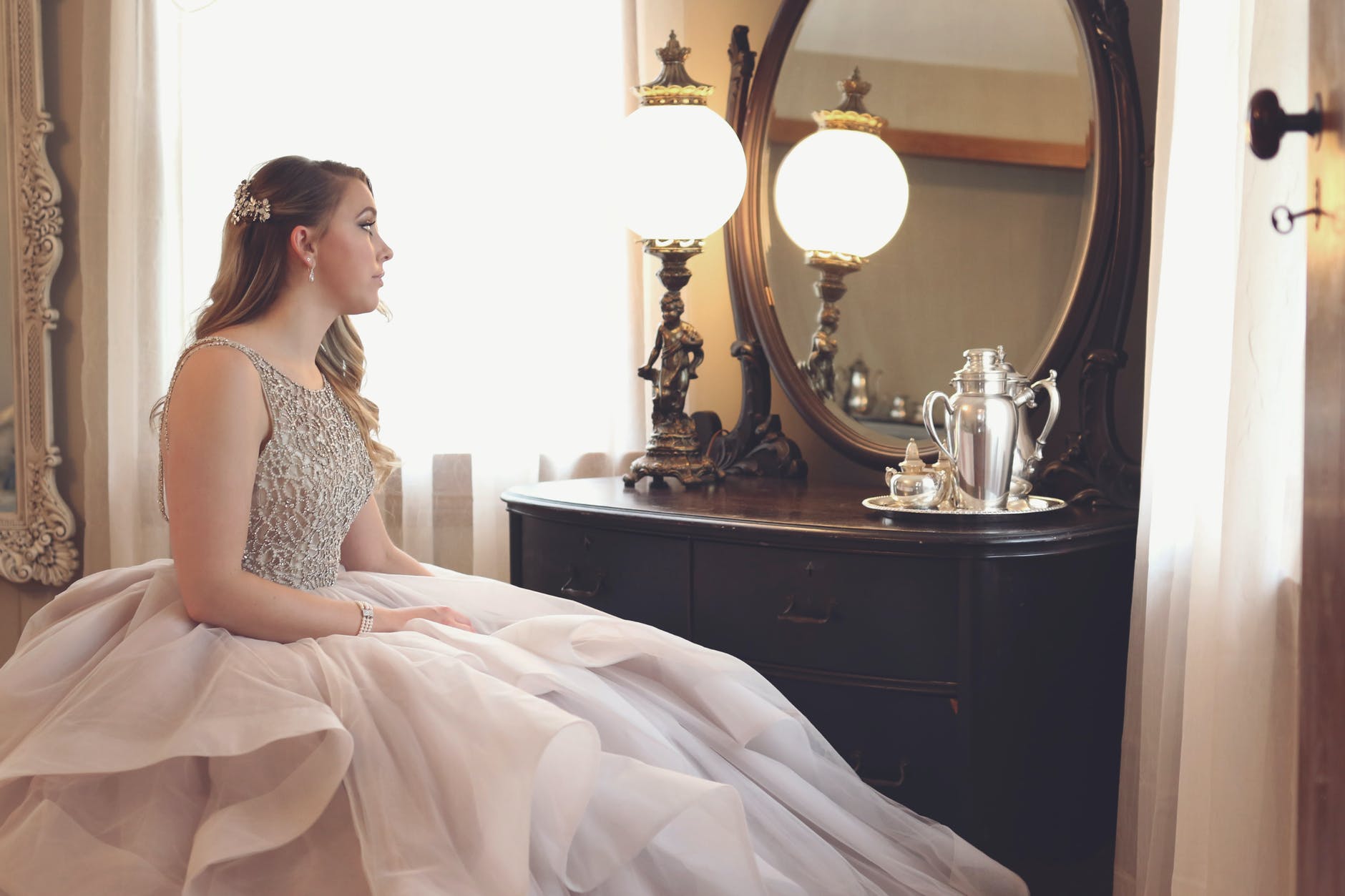
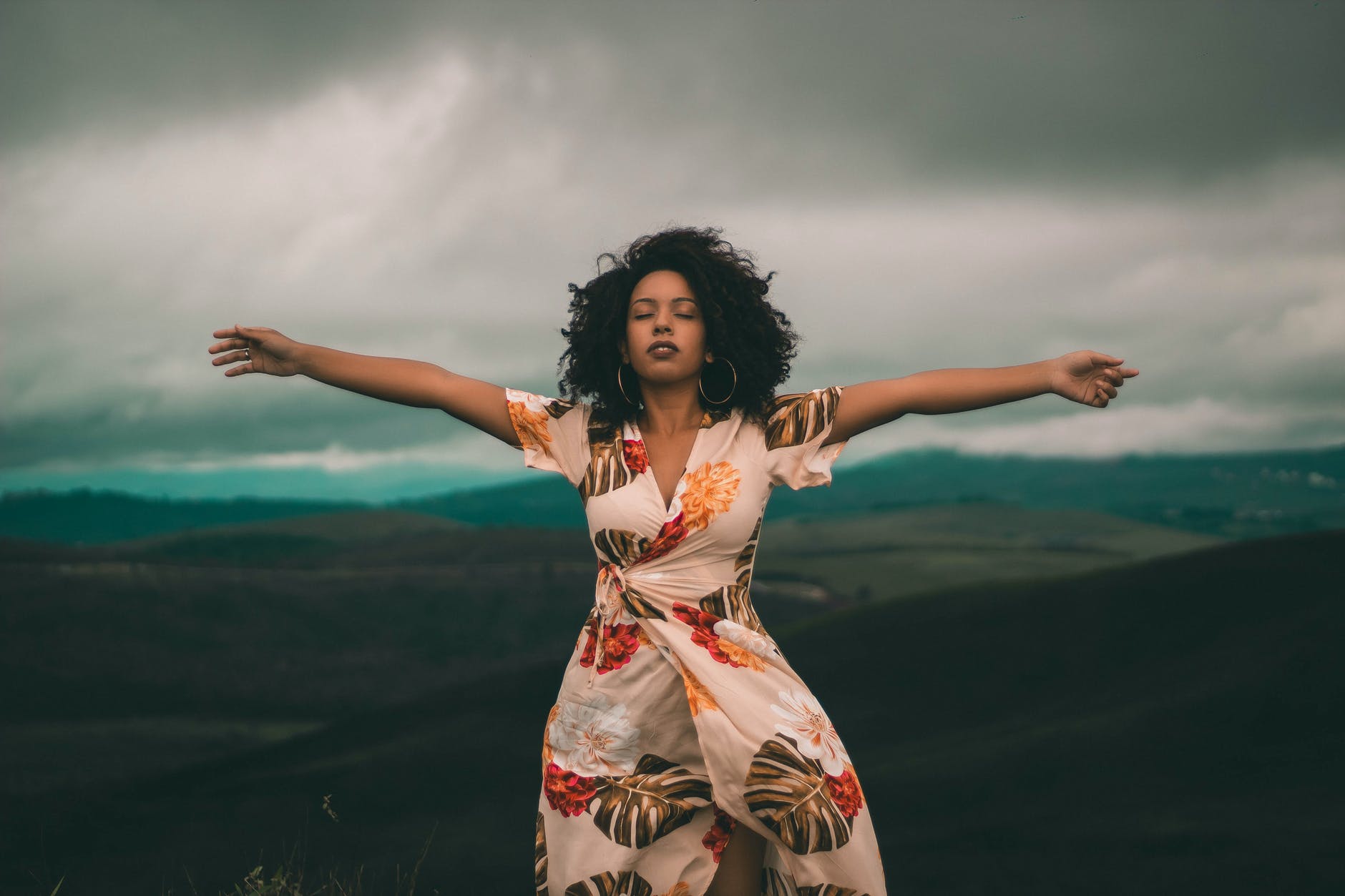
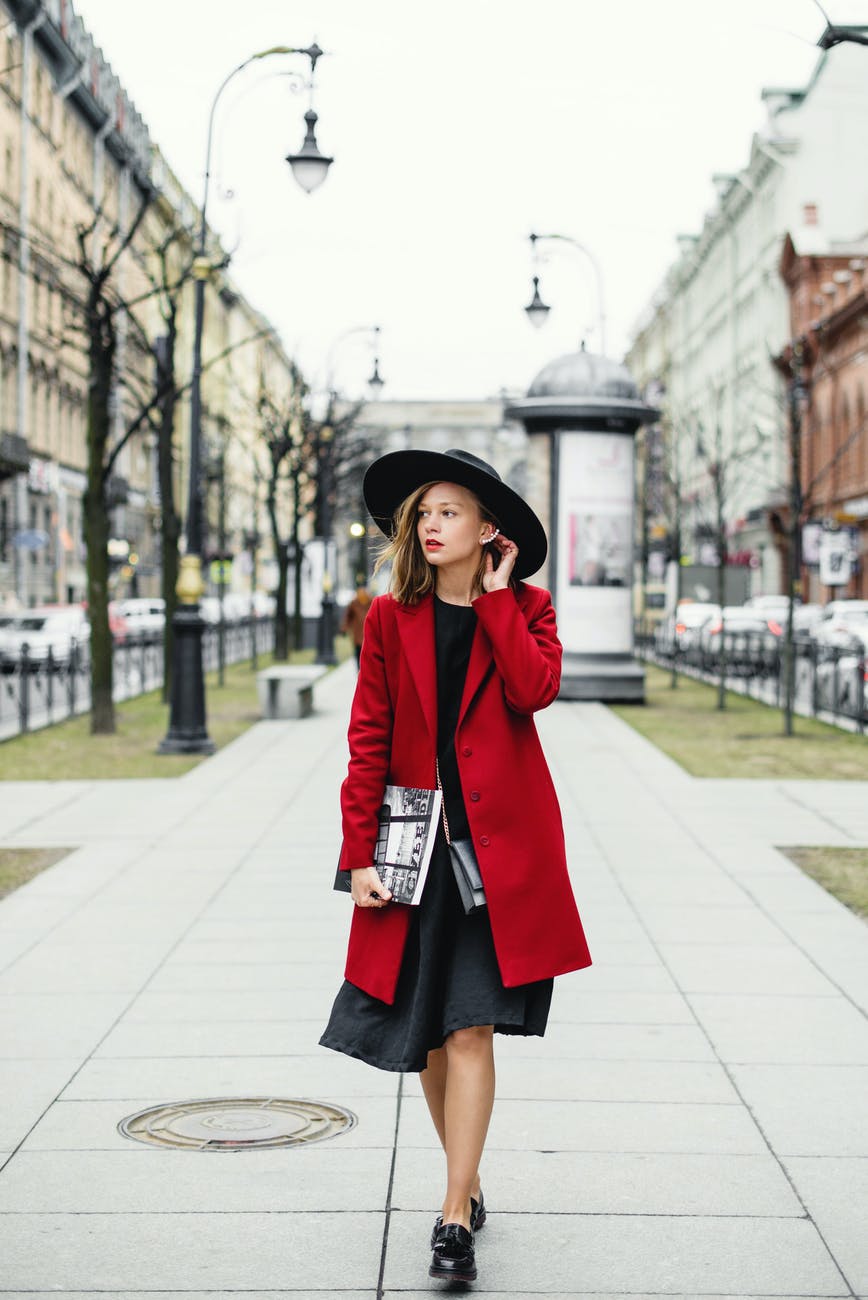
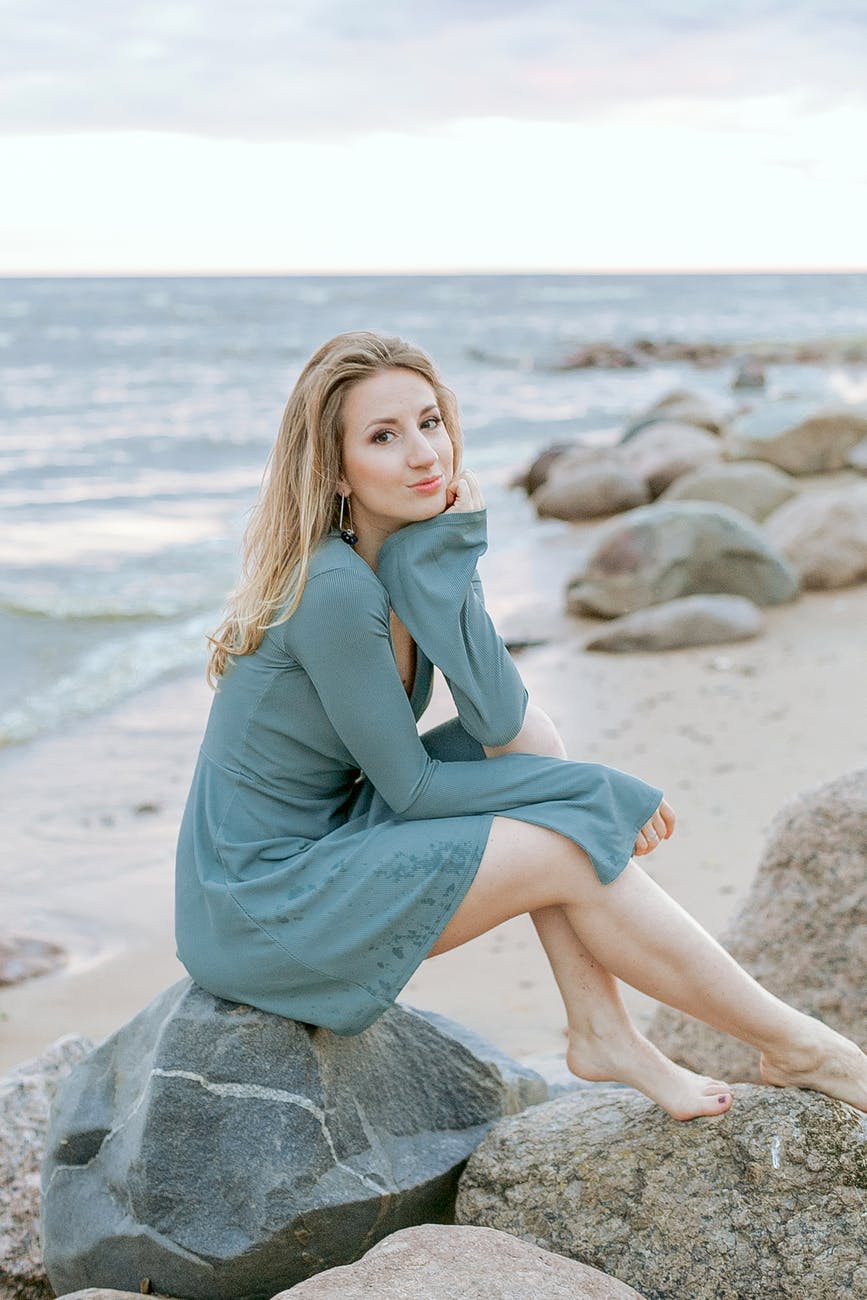
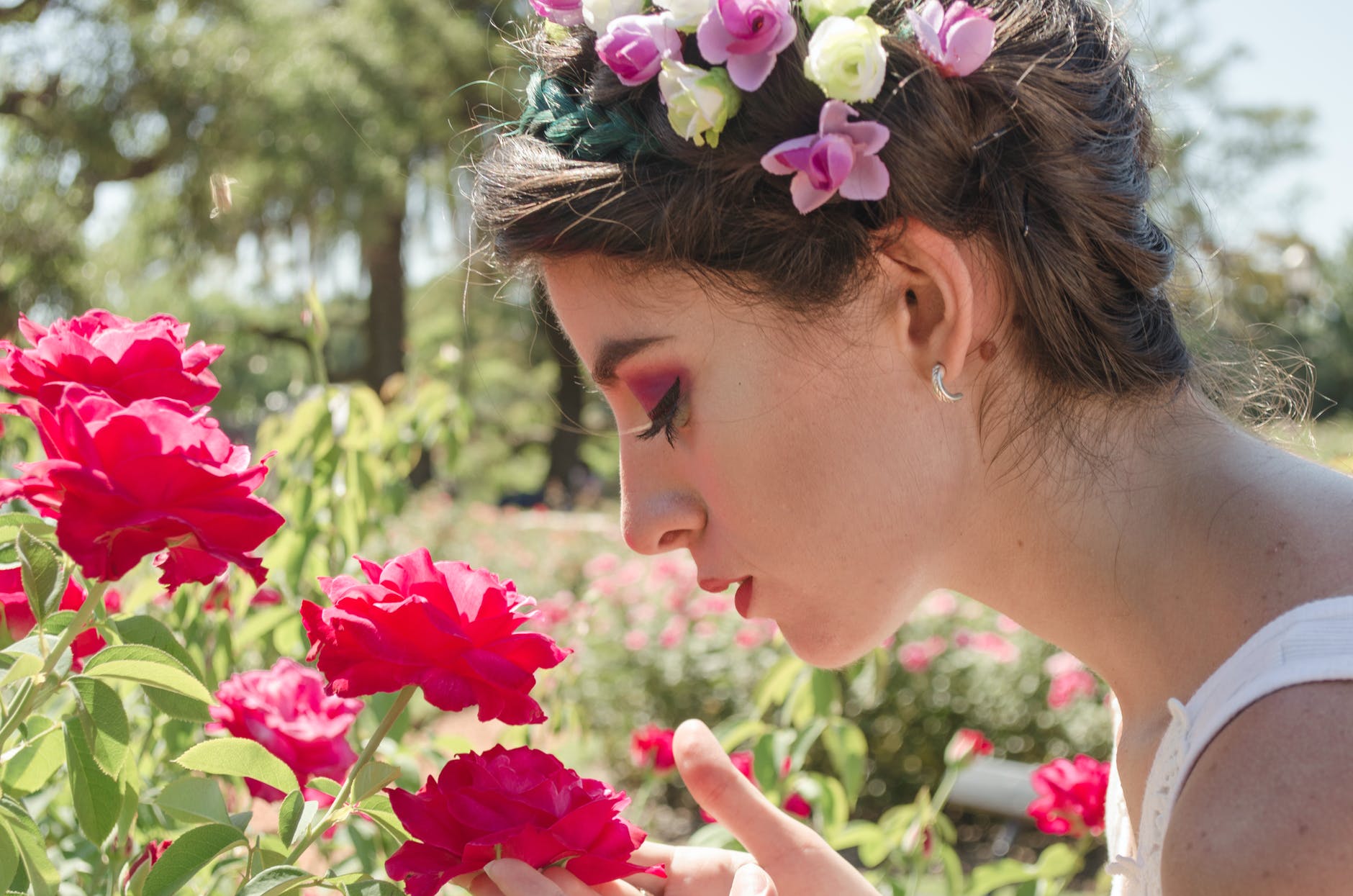
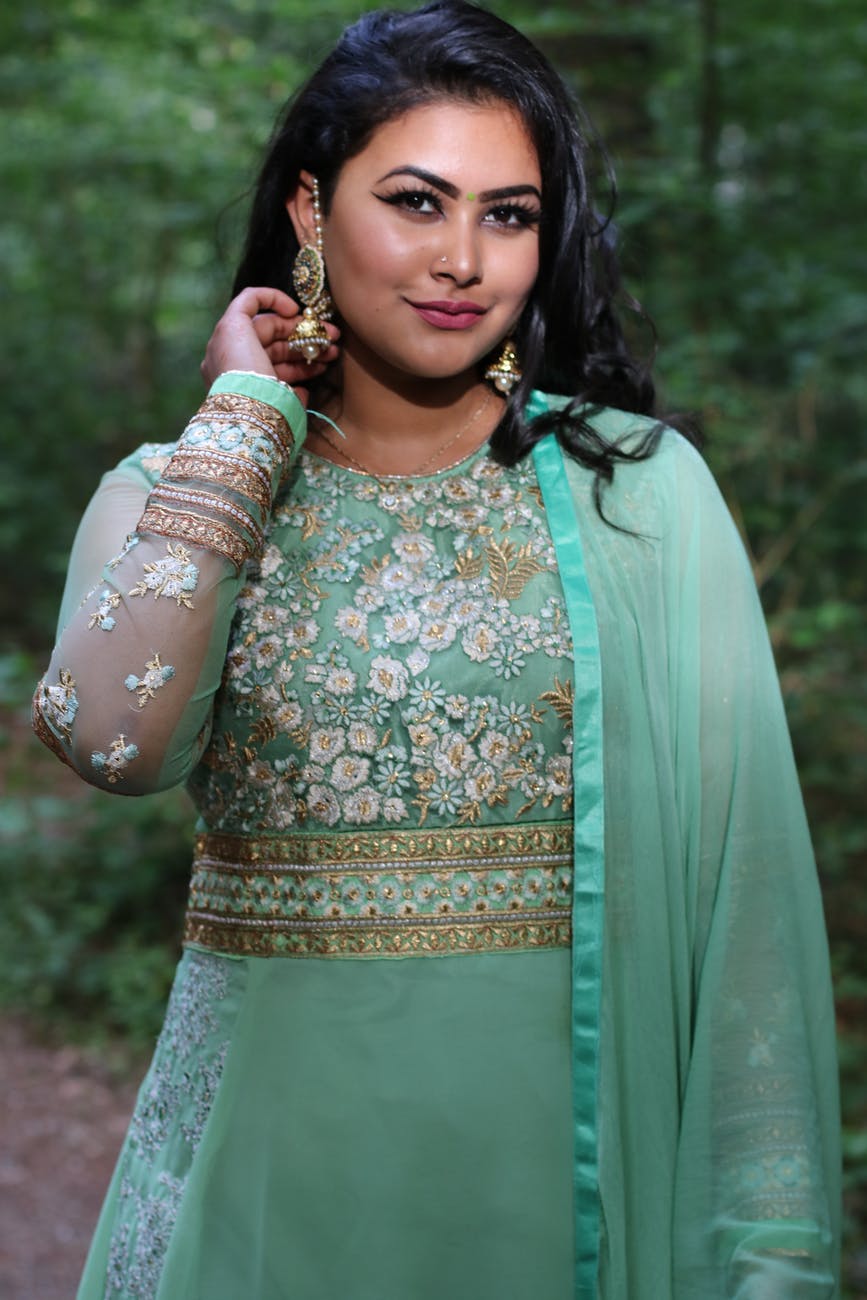
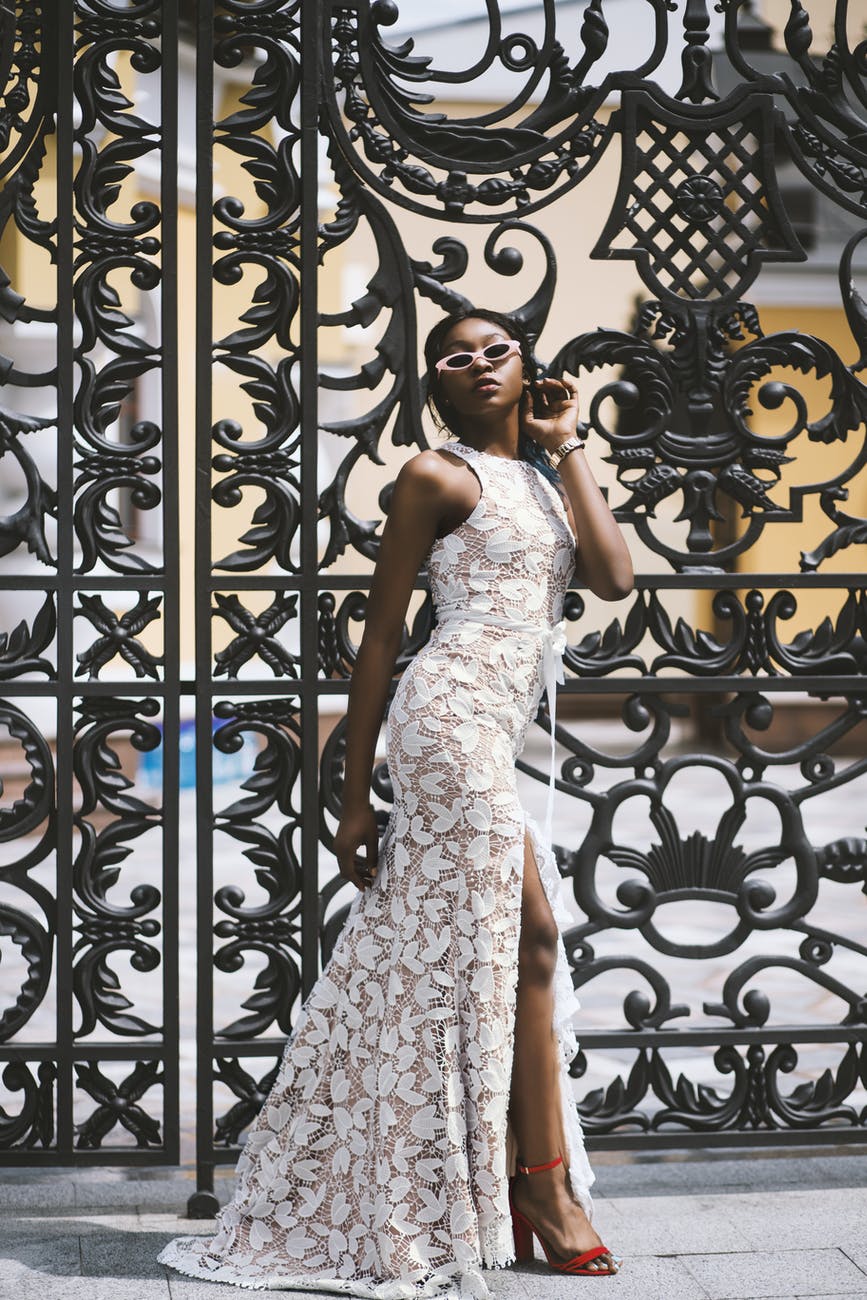
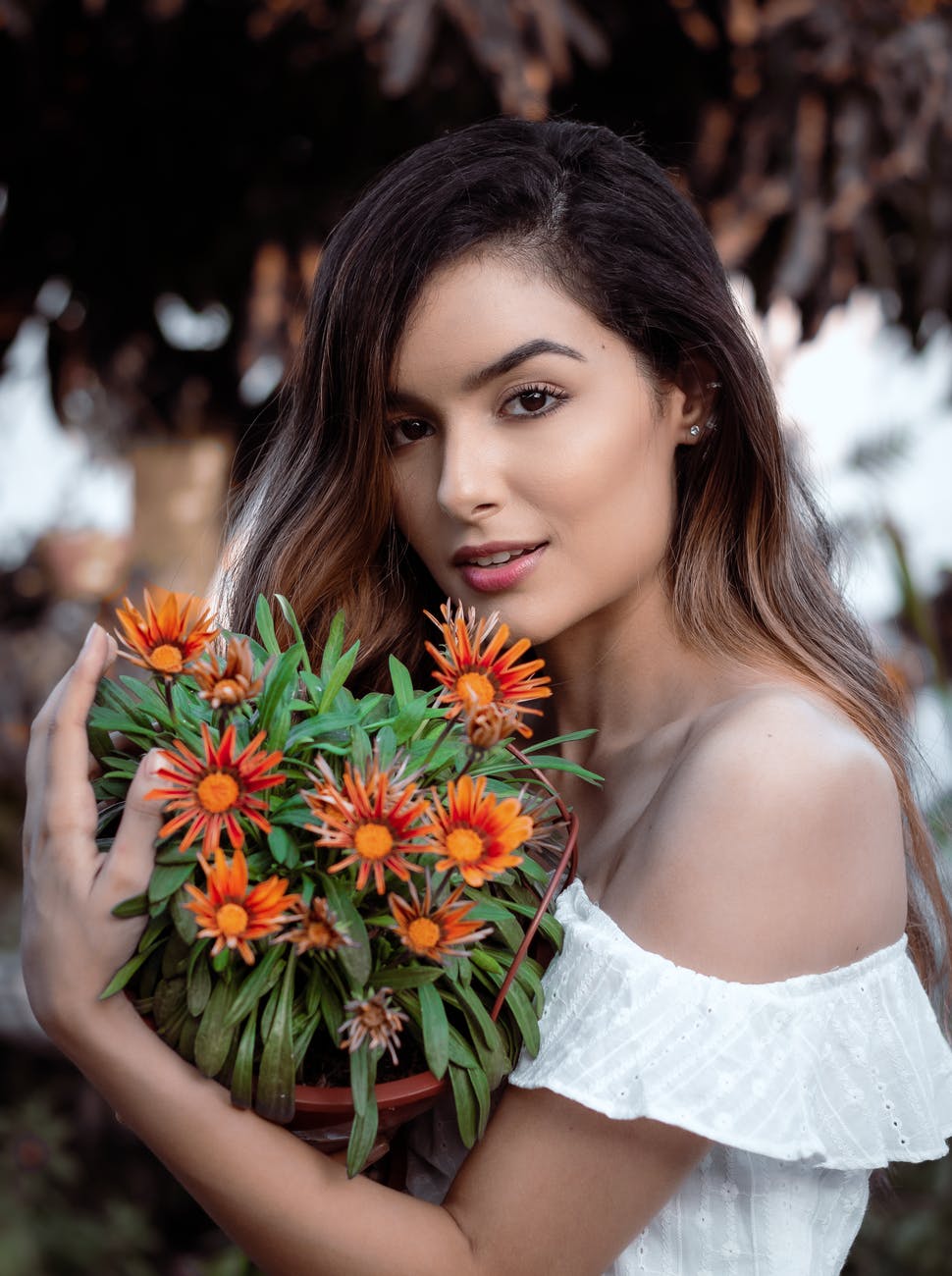
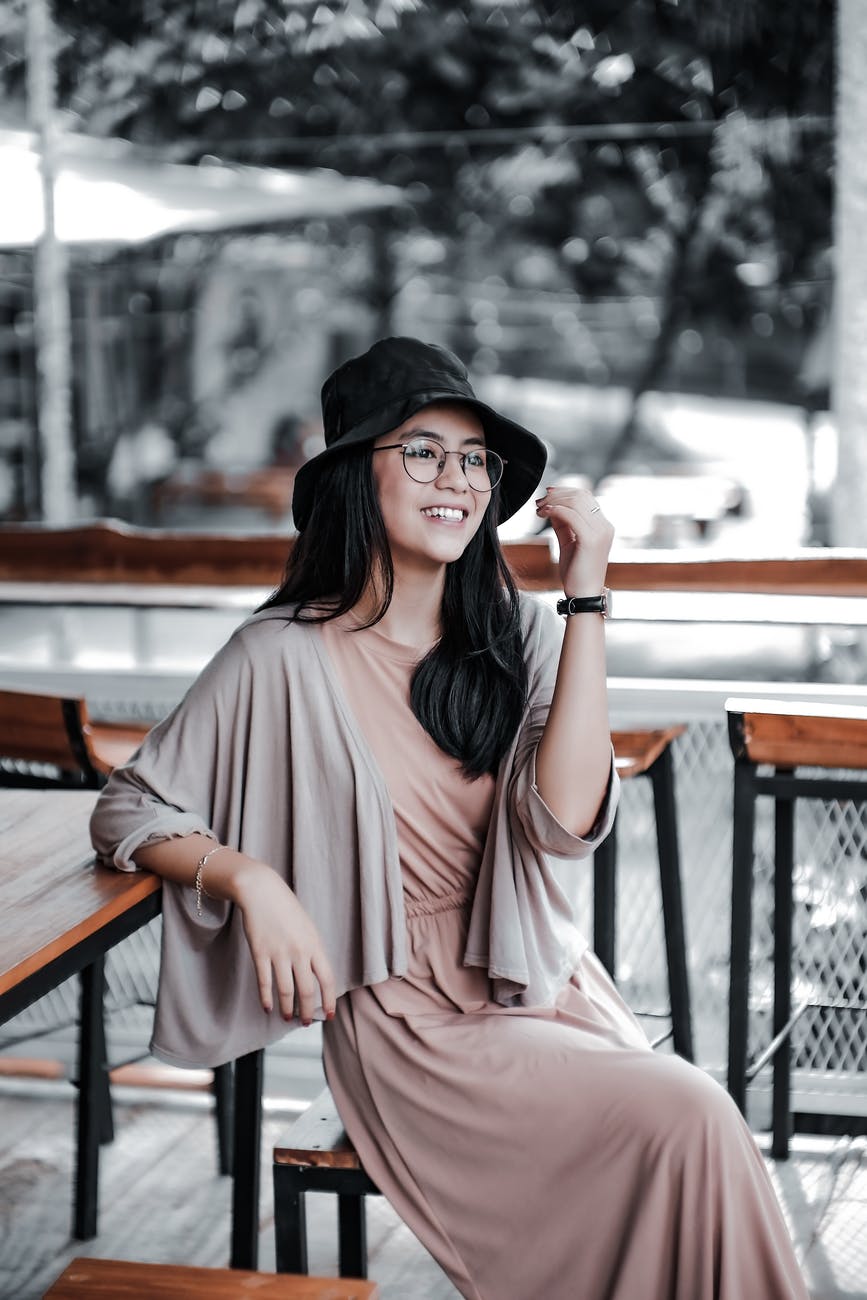
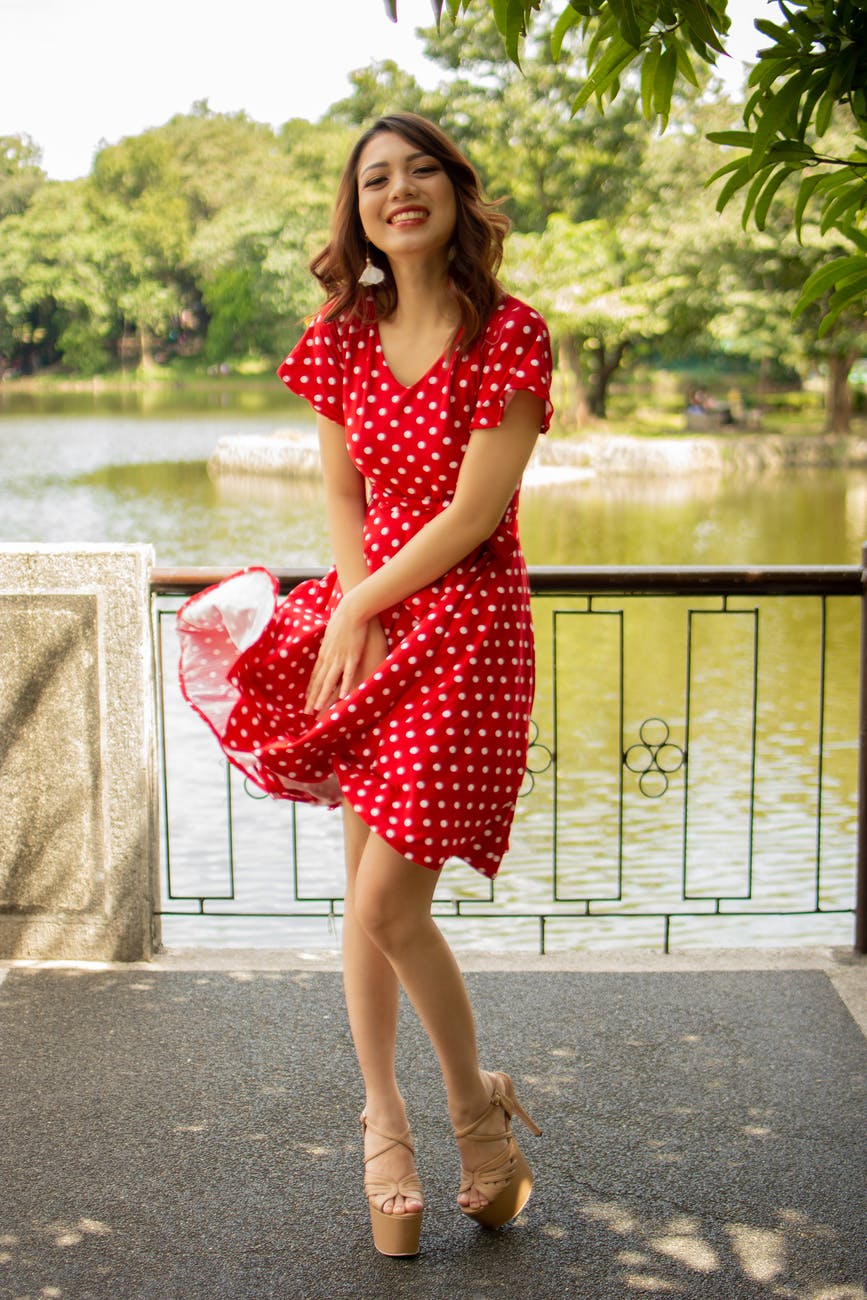
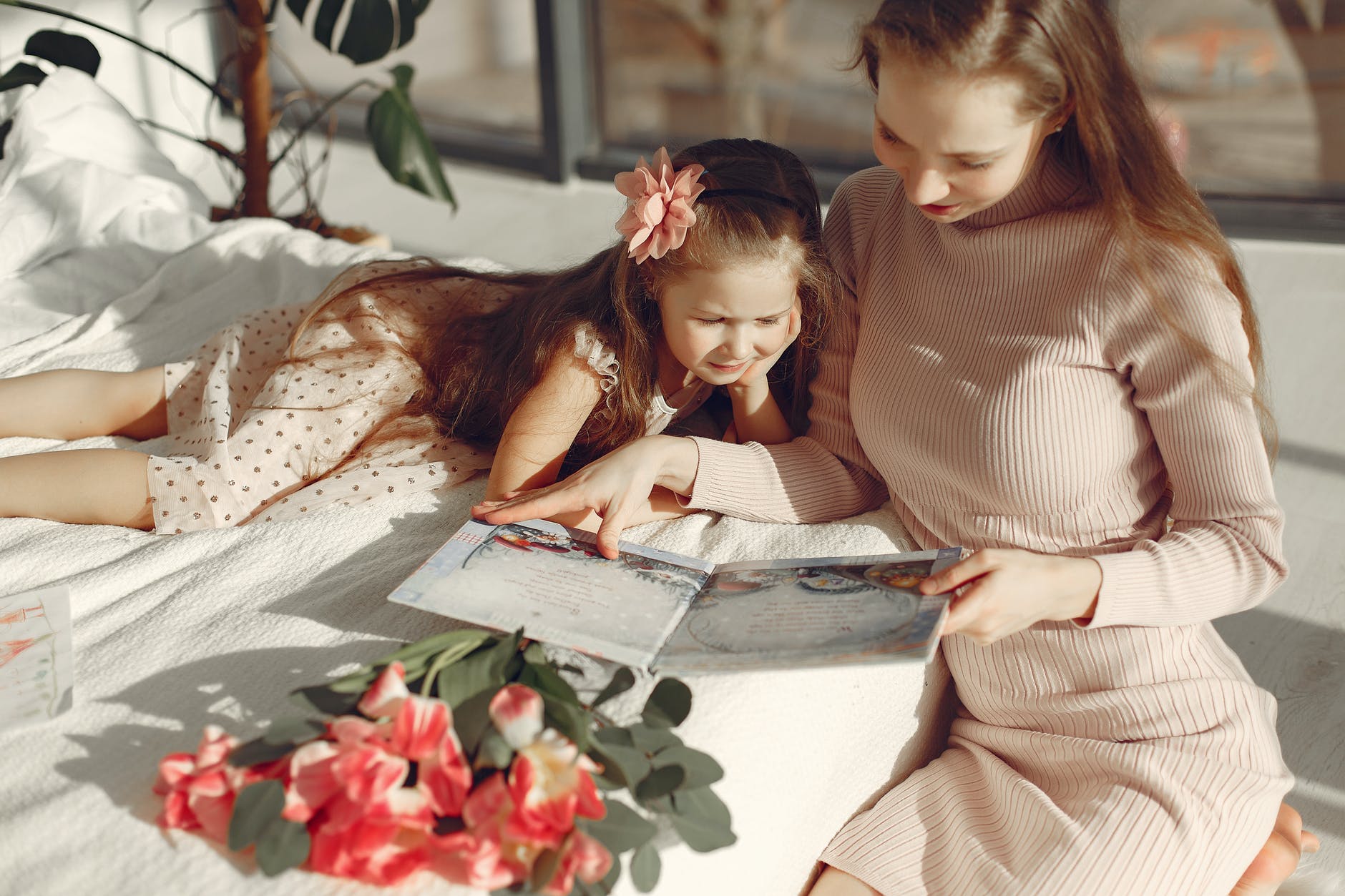
When I search the free photo library for images to include in my blog articles, I always come across so many beautiful photographs. I never get the chance to use most of these. I thought I would share some here instead, to act as style inspiration. Absorbing beauty can help us recognise what makes something beautiful and to then replicate that in bringing together our own outfits. The following photographs are also a celebration of women and femininity. Depending on your internet, you may have to be patient while they load as I’ve shared a lot of images. I hope you enjoy!
Which photographs do you most feel drawn to? Do you recognise any themes in femininity? Have a beautiful and inspired day, my sisters around the world!
‘Beyond being true to oneself, many of one’s social obligations are met simply by making others feel at ease… A ready smile is an easy and excellent first defence in almost all awkward situations.’
Fleur Britton
Debrett’s Etiquette for Girls by Fleur Britton was first printed in London in 2006. Published under the long-standing name of Debrett’s, it was an attempt by the organisation (best known for their listing of Peerage and Baronetage since 1769) to rebrand themselves for the twenty-first century, and is a more controversial etiquette book. Aimed at young women aged 16-30, Debrett’s Etiquette for Girls garnered interest outside that demographic as well. It feels noticeably different to the other two etiquette books I’ve reviewed recently. Rather than putting an emphasis on cultivating the inner qualities of politeness, etiquette is presented as an arguably shallower set of social skills that can help the reader get ahead in life. Parts of Debrett’s Etiquette for Girls reflect the changing morals of Western society – certain chapters would have been unthinkable just a few decades earlier.
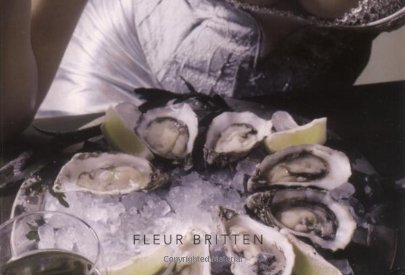
The book has large glossy photos that depict glamorous yet elusive ‘girls about town’ – never quite showing their eyes or whole faces, and offering only glimpses of a lifestyle. These are coupled with long paragraphs of small text. Topics discussed include: social graces, image management, dining (including how to eat fancy seafood and handle fine wines), day to night events (ranging from formal dinners to night clubs and the gym), special occasions (from polo matches, yachts, and private jets to festivals, hotels, and meeting royalty or celebrities), ‘Man Management’ (the largest chapter in the book – which advises on meeting the parents and engagements as well as blind dates and one-night stands), hospitality (whether country guests, drinks parties, or flatmates), face to face interactions, written communications, gossip, ‘bitchiness’, office politics, and some ‘Golden Rules’ of etiquette.
As can be seen by listing some of the topics, Debrett’s Etiquette for Girls is a thoroughly modern etiquette book in ways both good and bad, depending on your opinions. It’s focus is on aspiring to a specific lifestyle of high society glamour, and is clearly aimed at relatively well-to-do city girls who want office careers, enjoy partying, and have no problem with society’s casual attitude to dating. Just to make it clear, I’m not making a value judgement either way on that. I’m just noting the contrast to other etiquette books. Debrett’s Etiquette for Girls exists within a twenty-first-century realm of visual merchandising and personal brands. There are definitely things I’m taking from the book, but I think it’s important to keep a critical distance and remember that the lifestyle it’s trying to sell does not have to be the ultimate dream for everyone. What I do appreciate is that the book is at least conscious of the double-standards girls must negotiate in the modern day. There is uncertainty while the rules are changing in the midst of tensions about misogyny, feminism, chivalry, and an equality that still has its limitations. Because of this, Debrett’s Etiquette for Girls calls itself ‘a modern survival manual’ and claims that ‘etiquette has re-entered the zeitgeist.’
‘Manners make life more bearable. They are there to conceal our selfish, childish instincts.’


















































 Feminine Finishing School