Feminine Style Inspiration

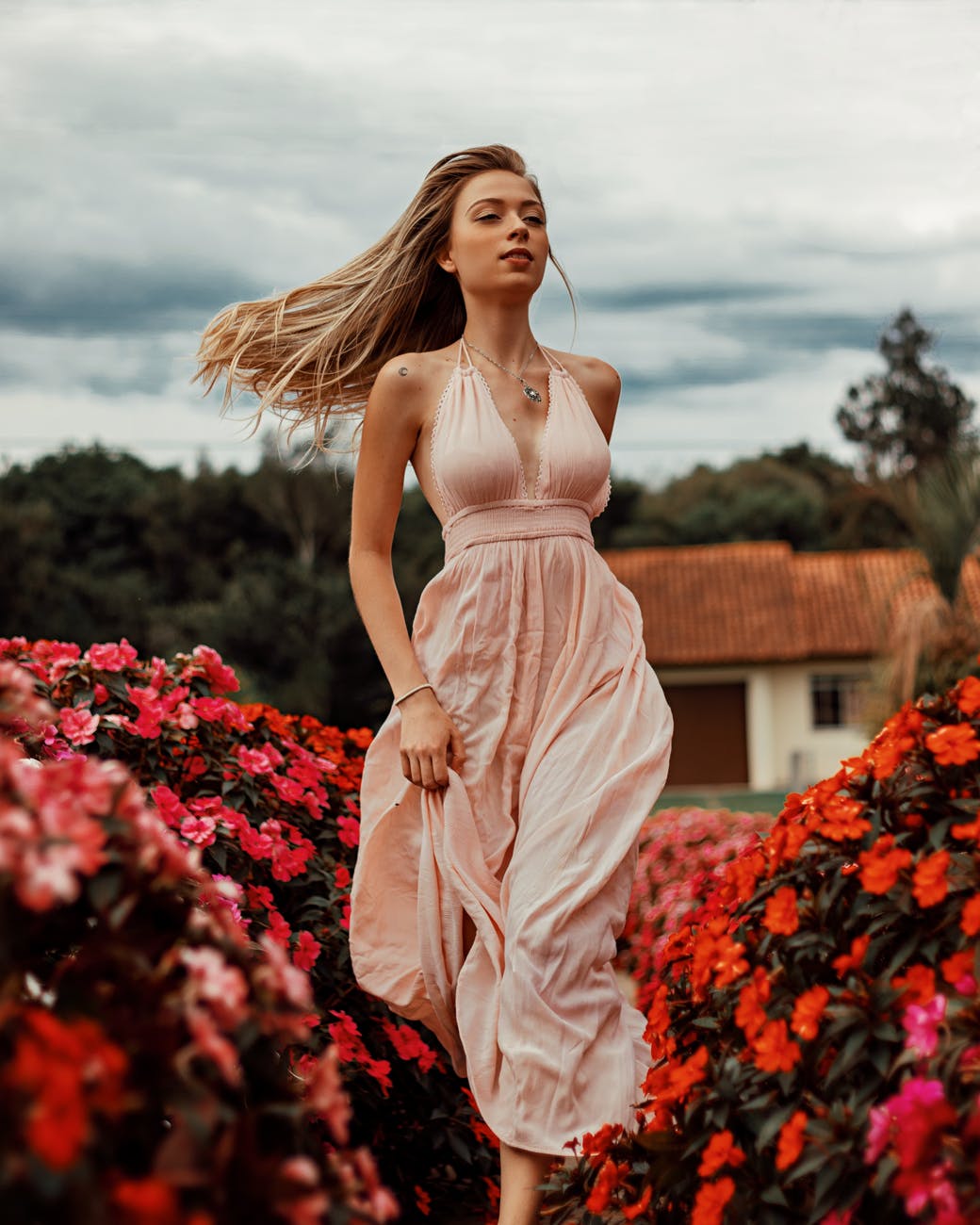
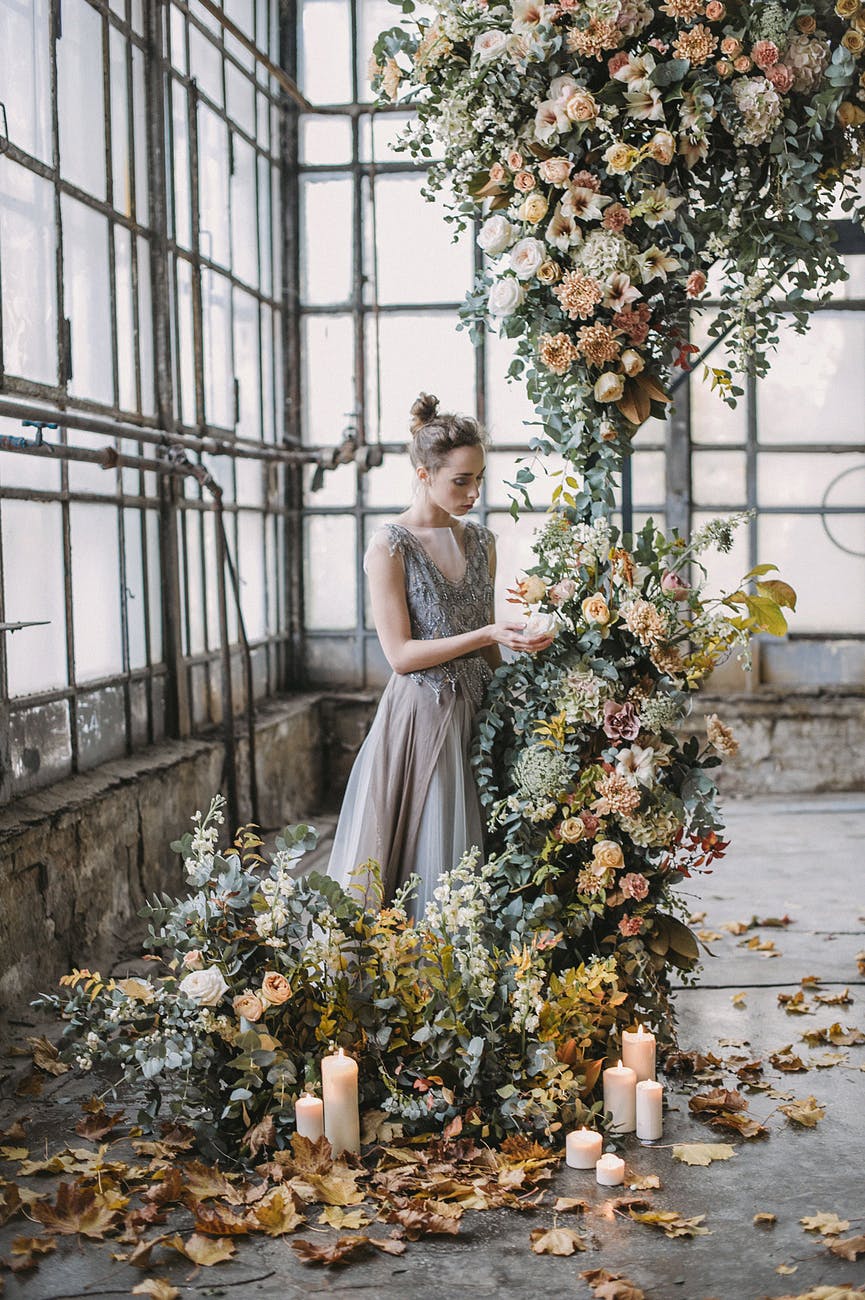
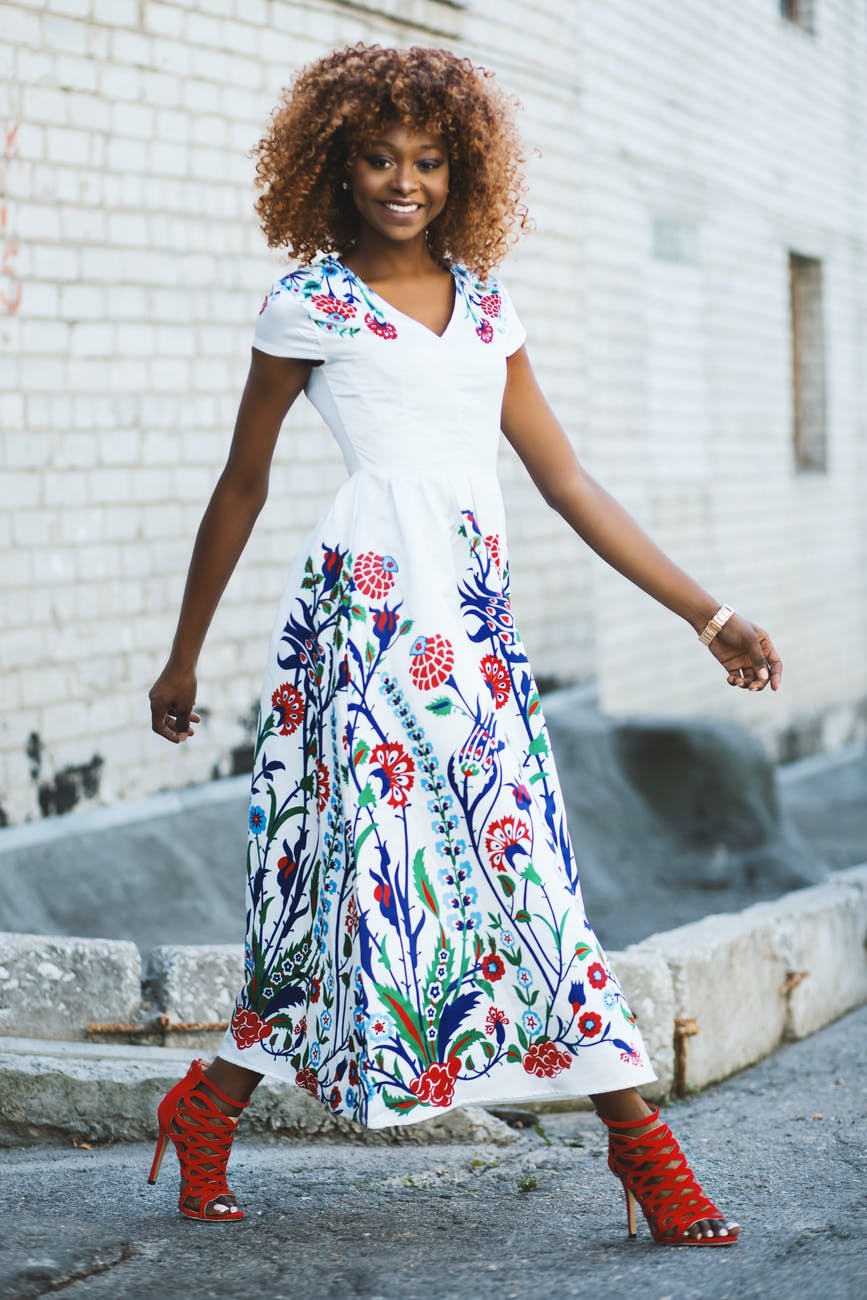
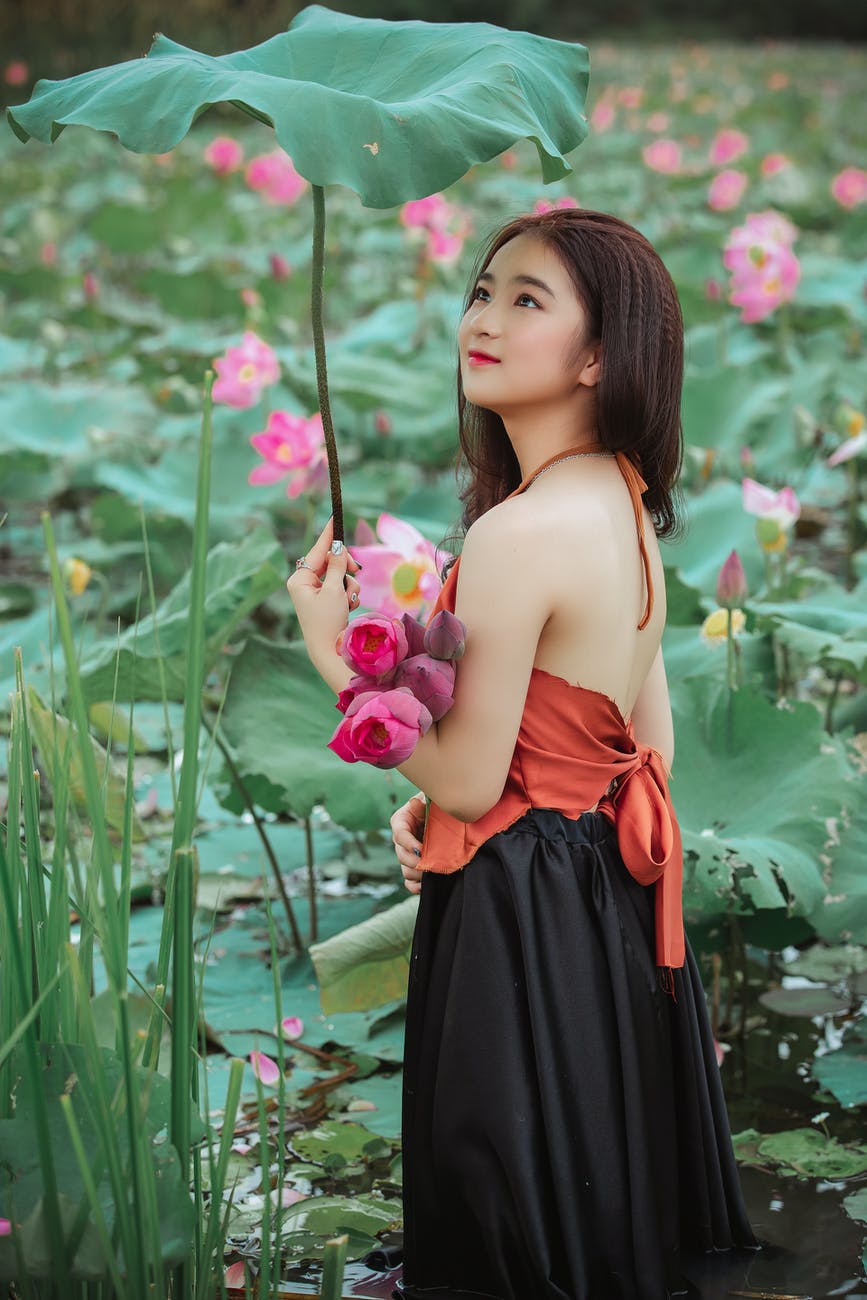
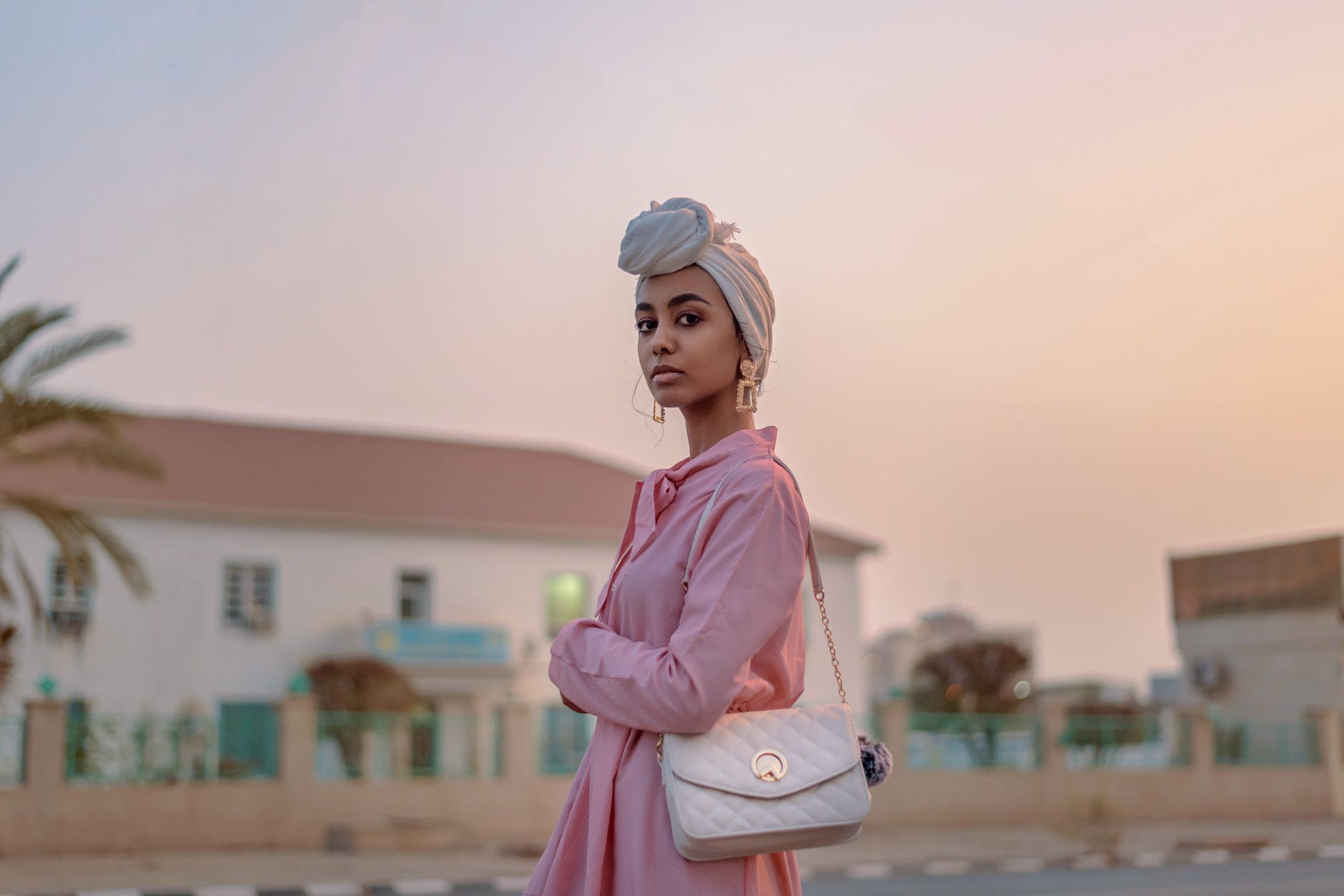
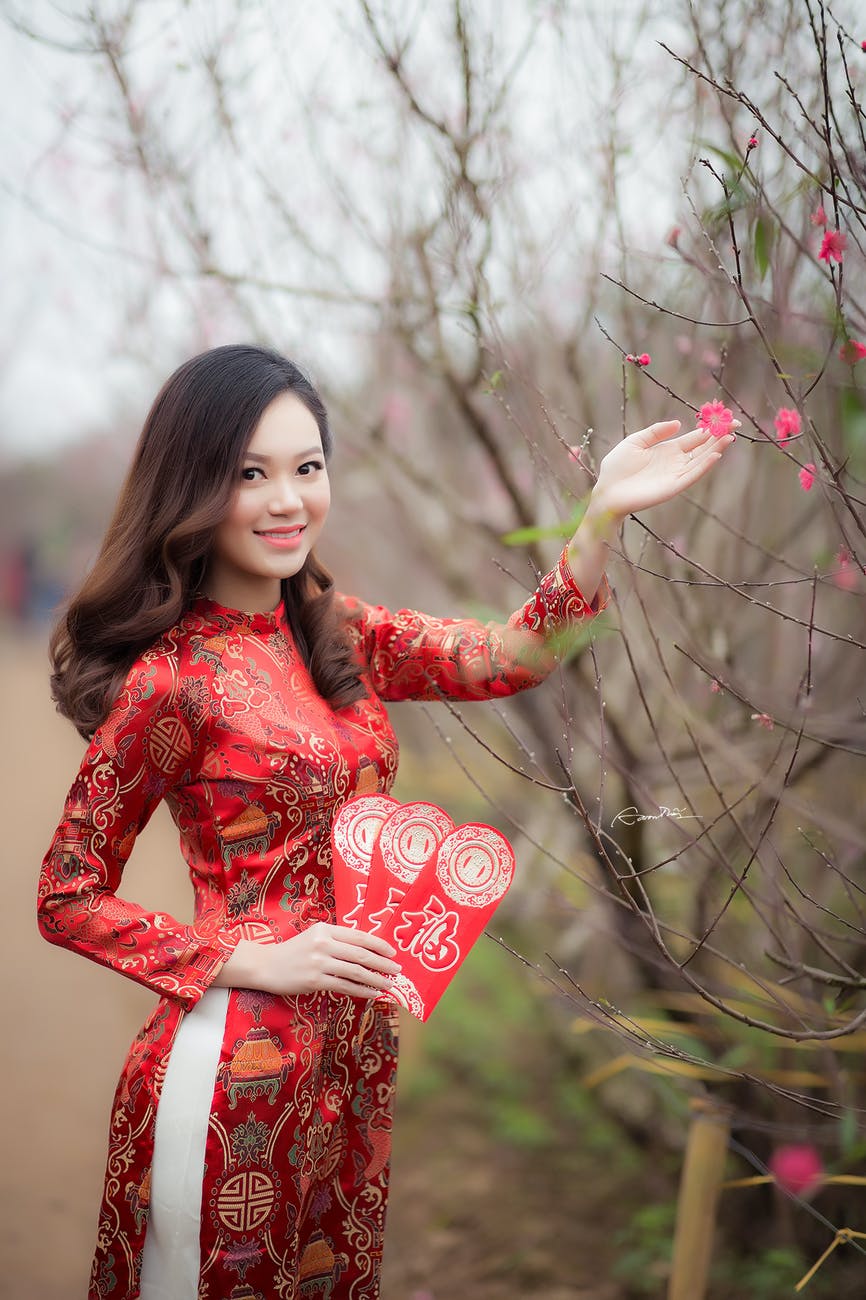
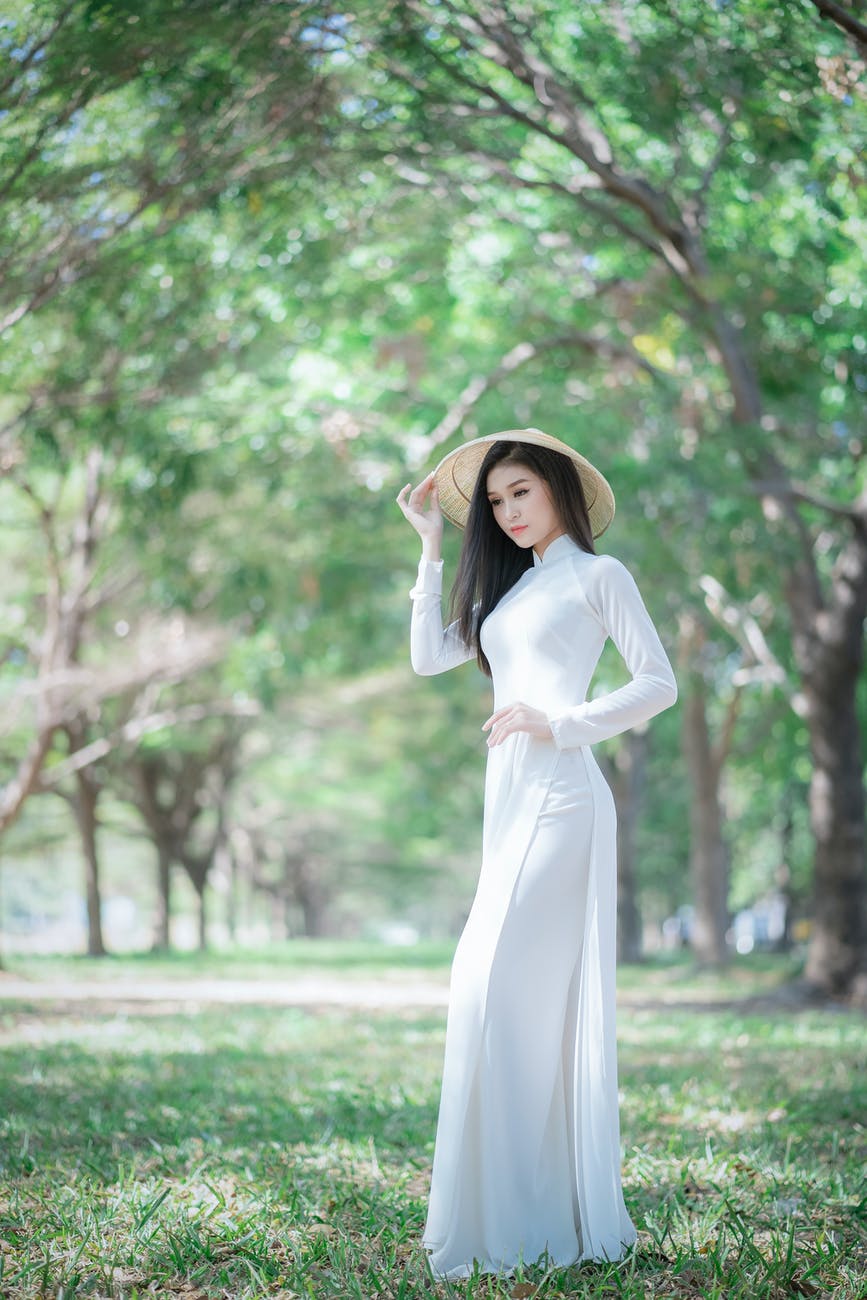
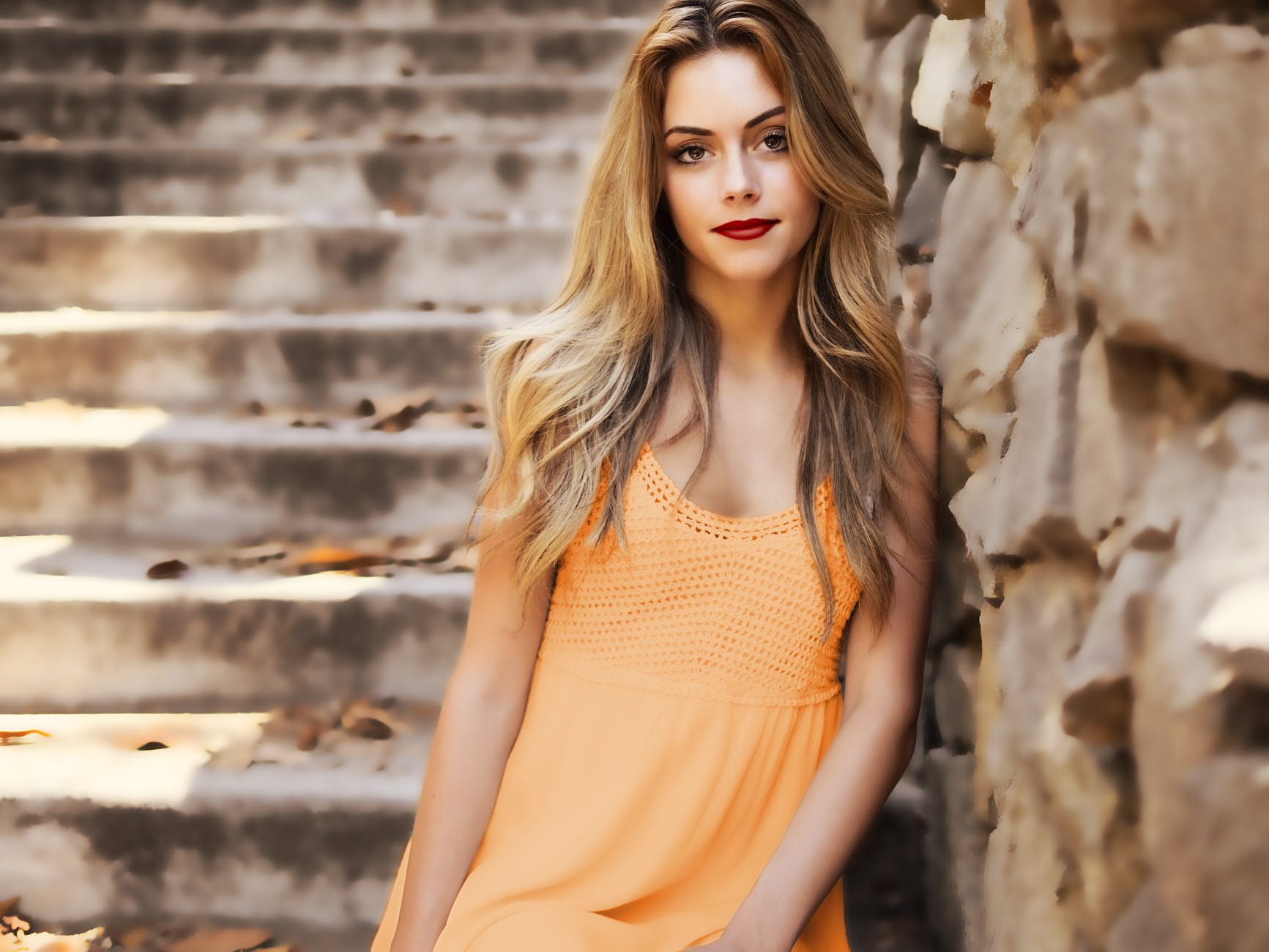
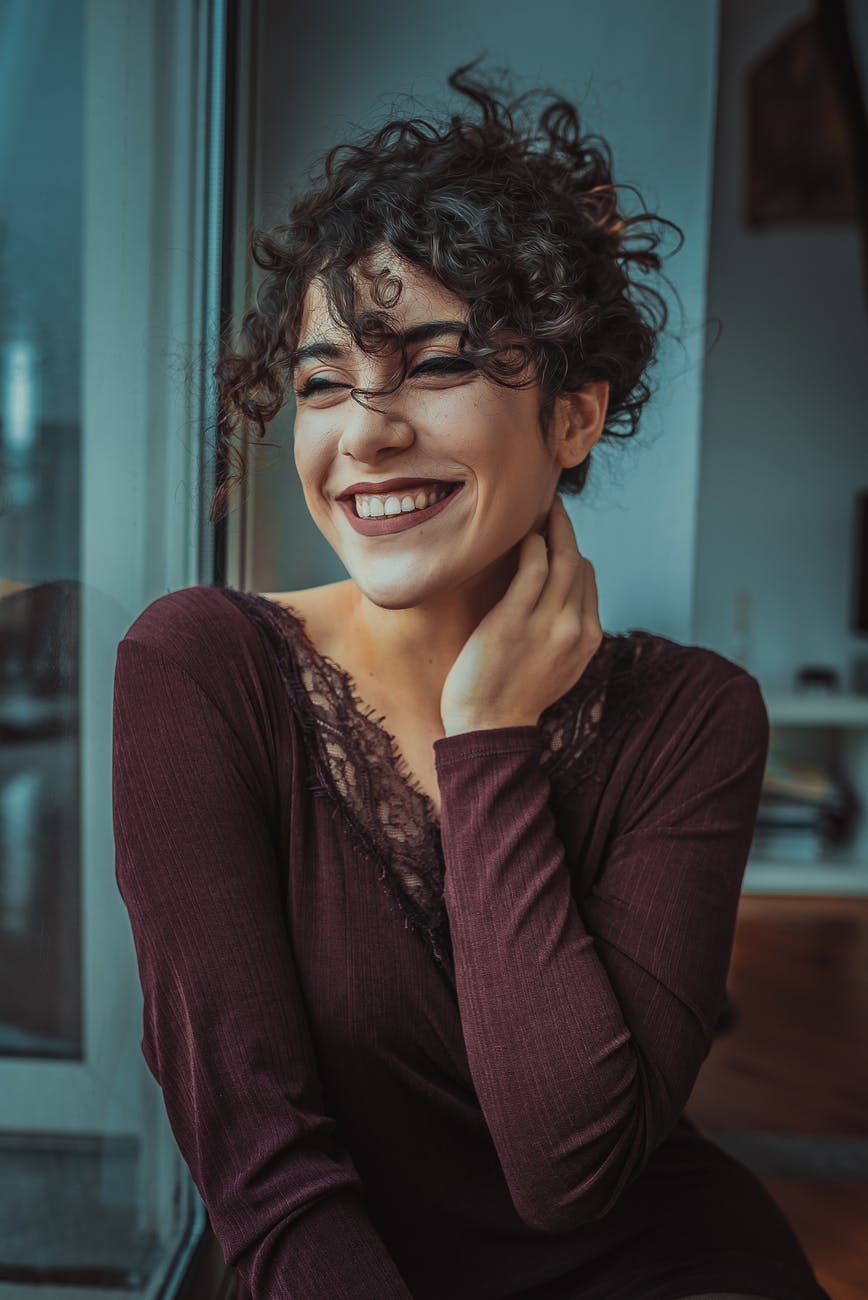
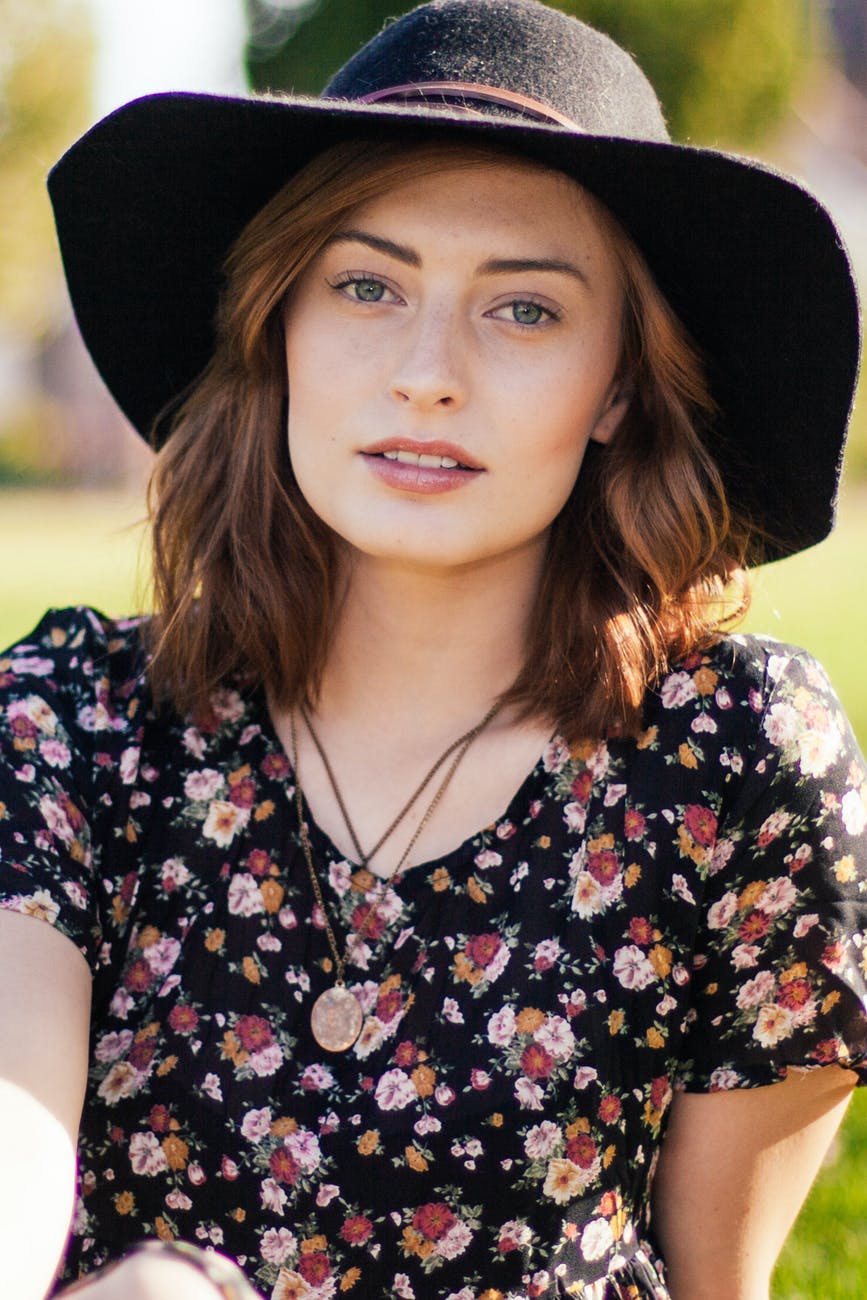
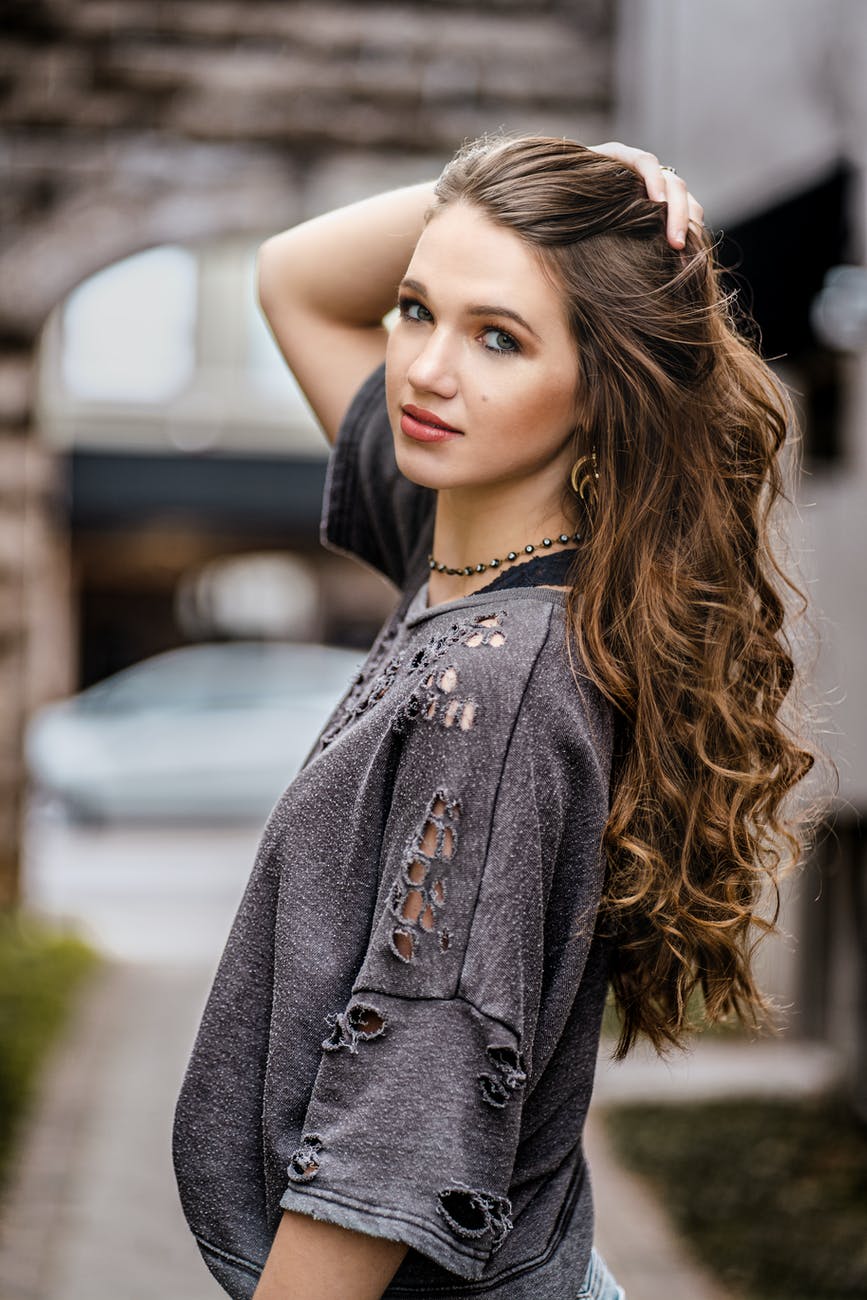
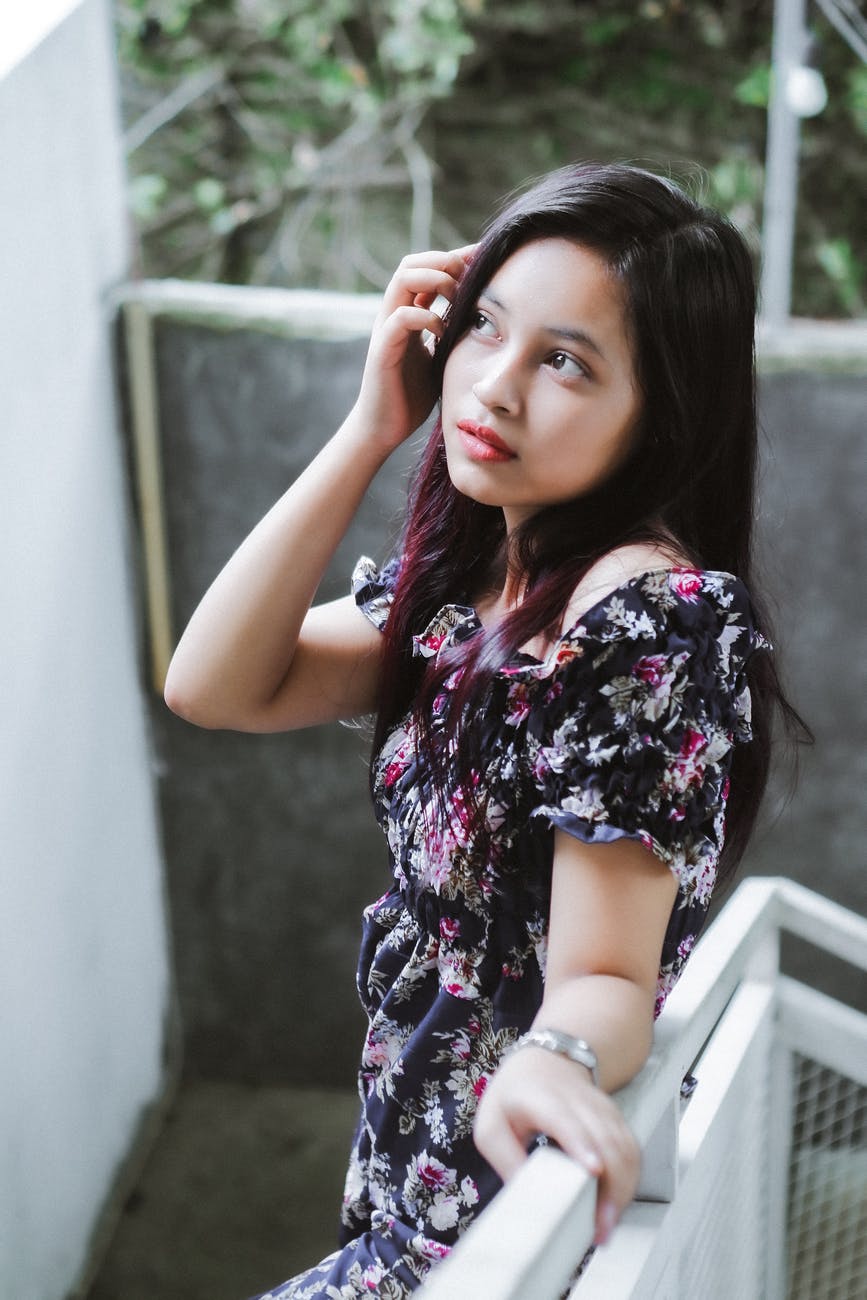
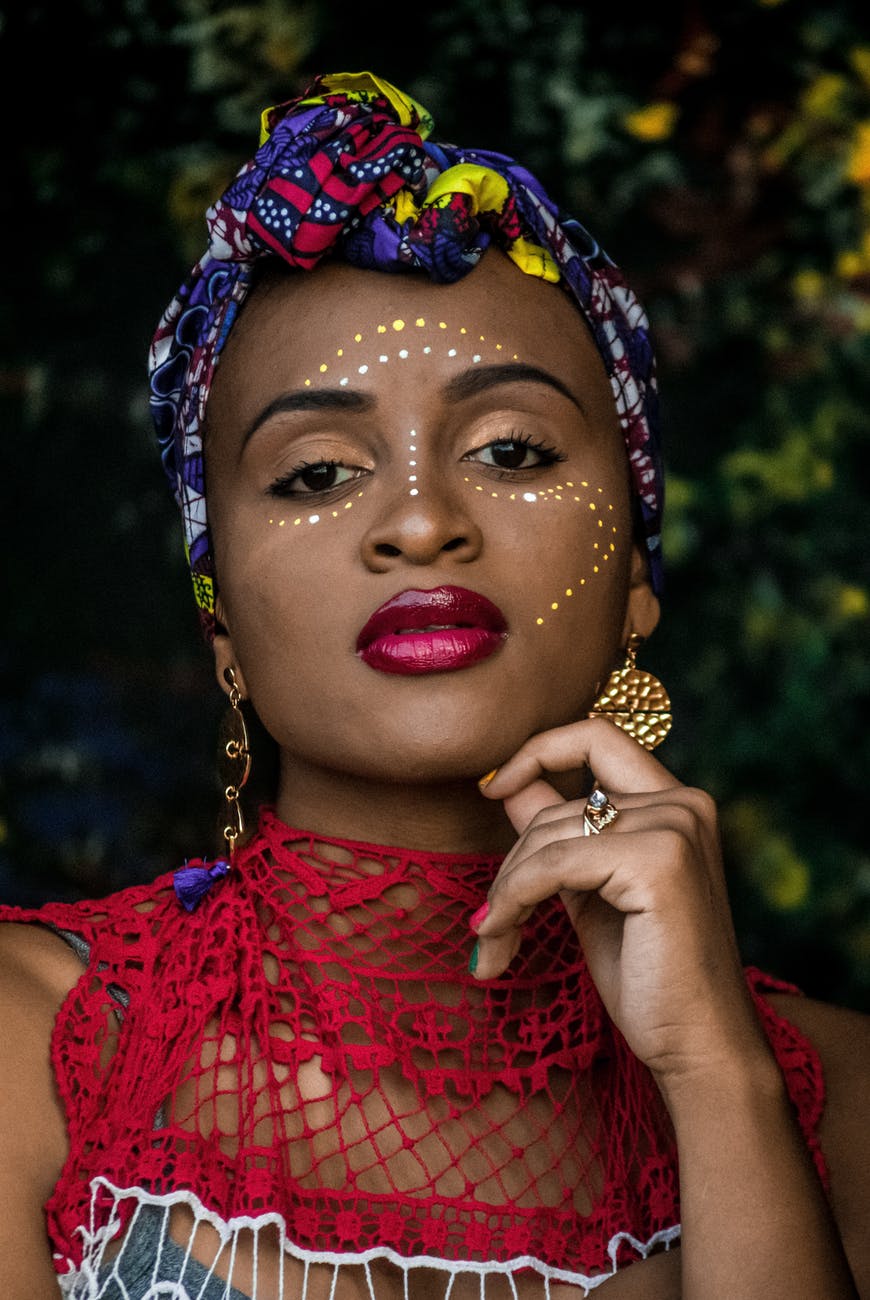
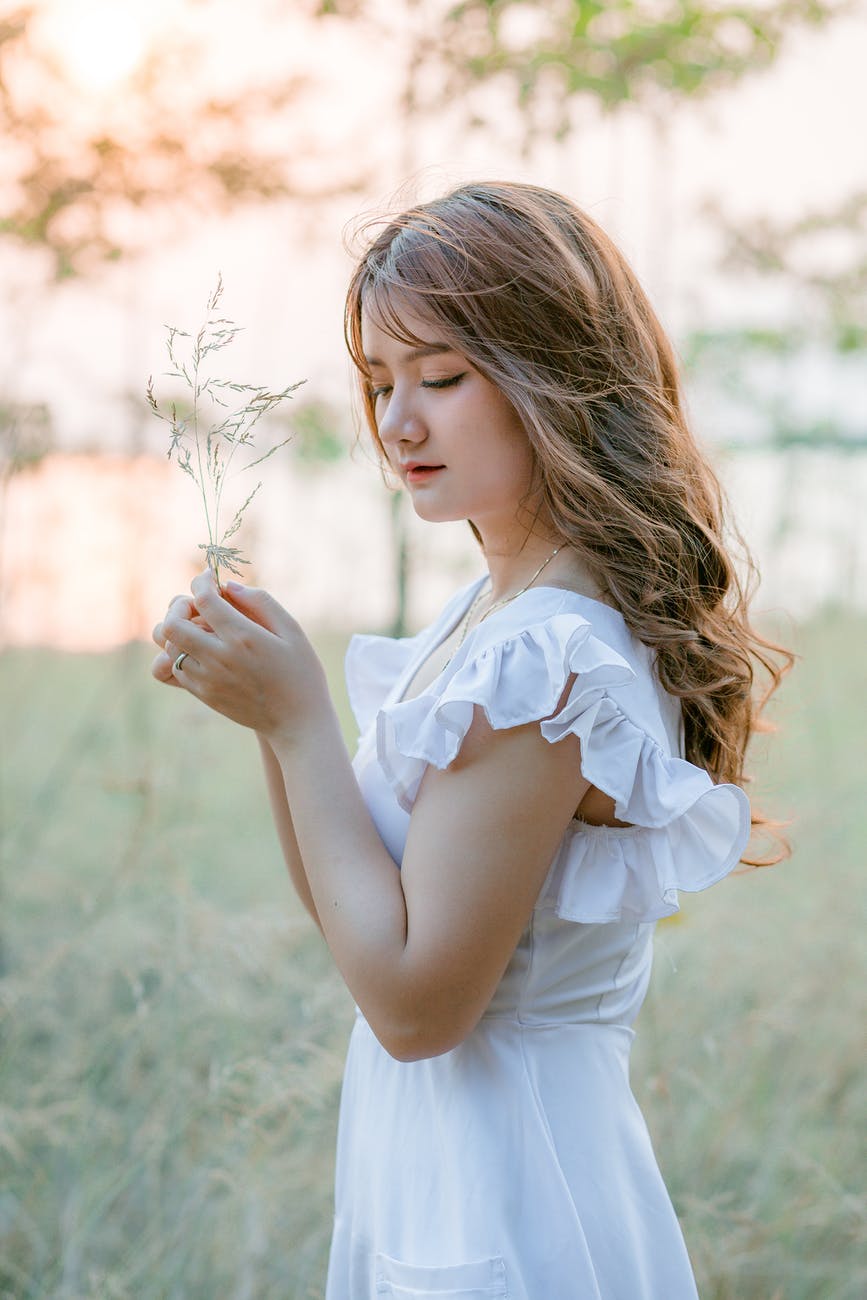
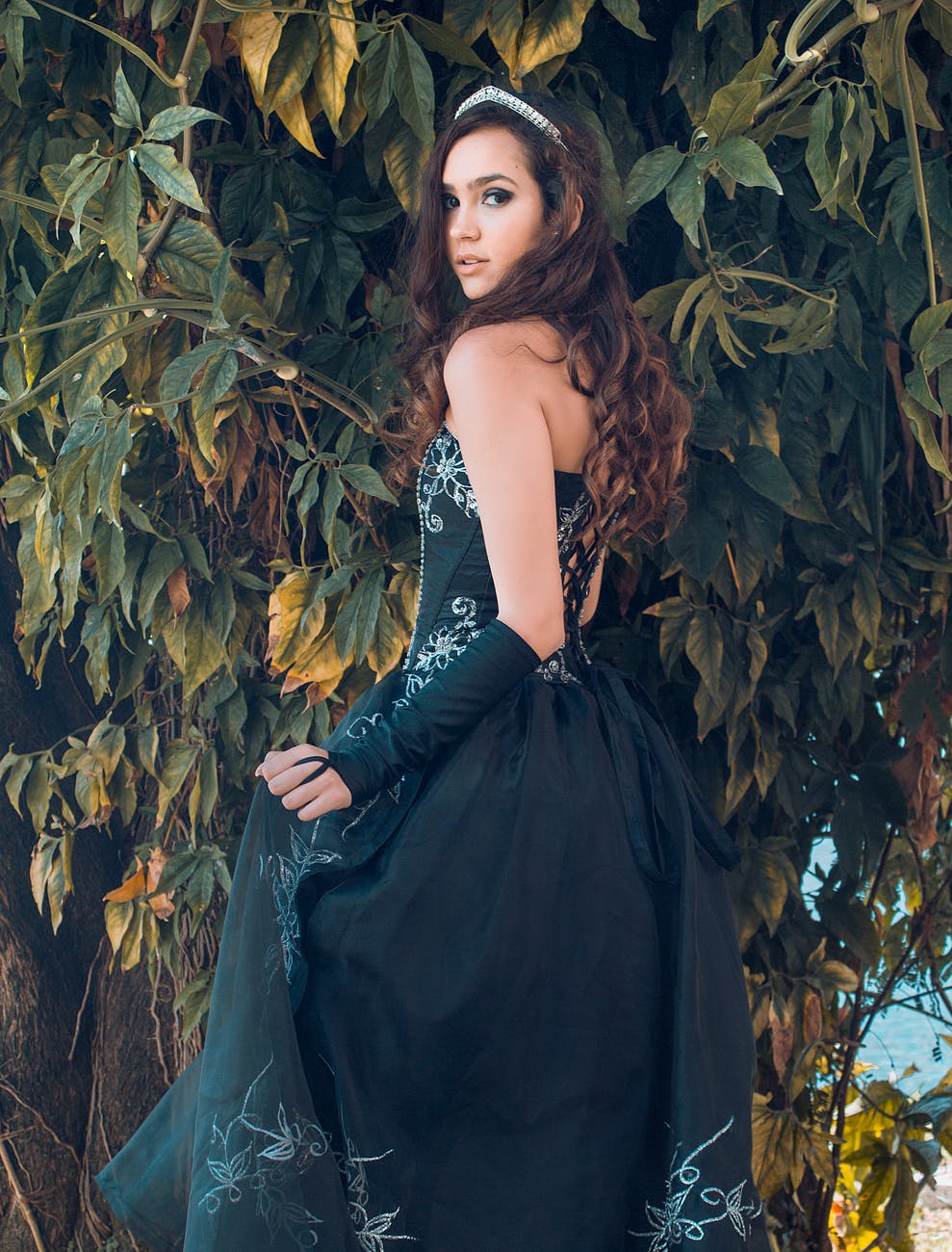
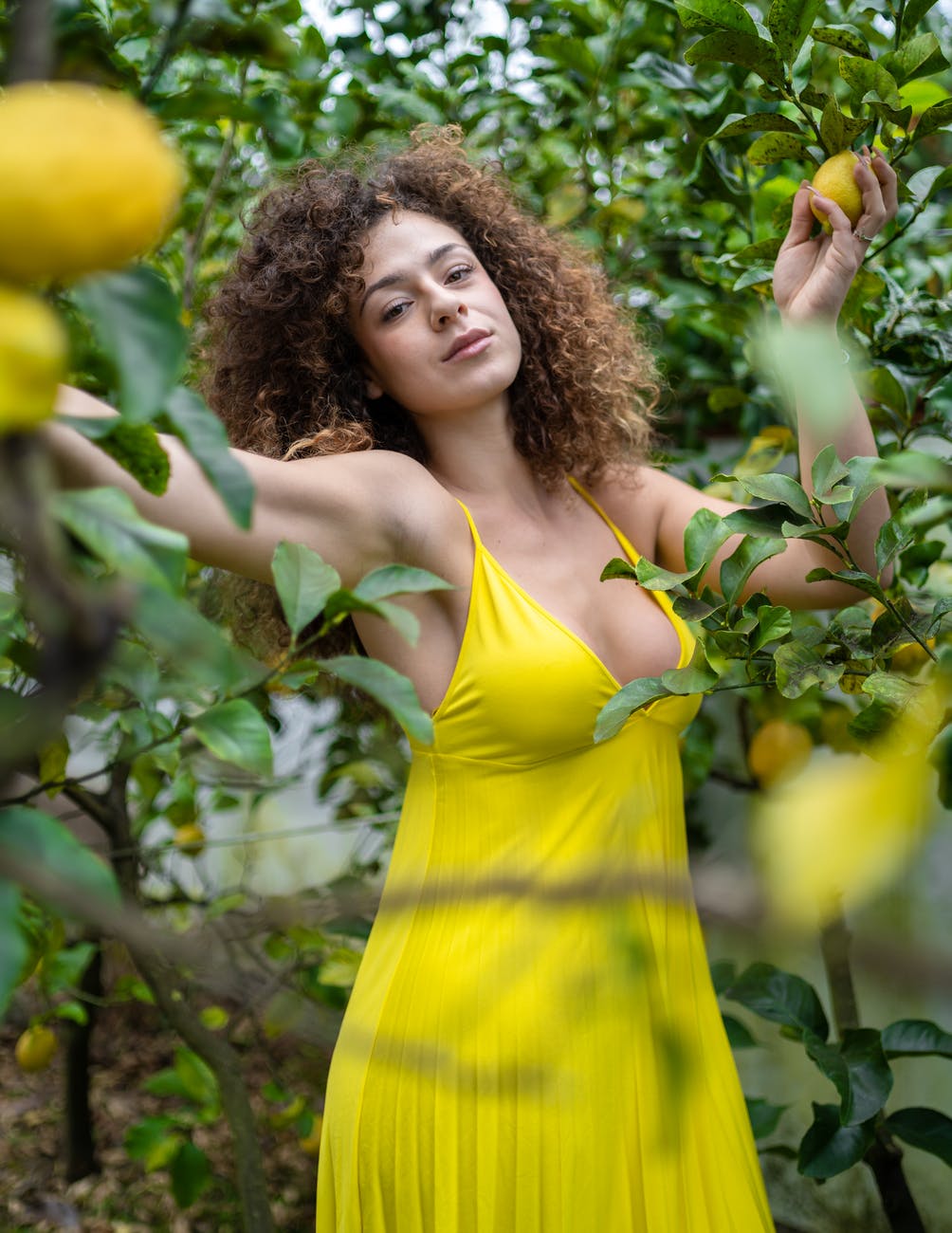
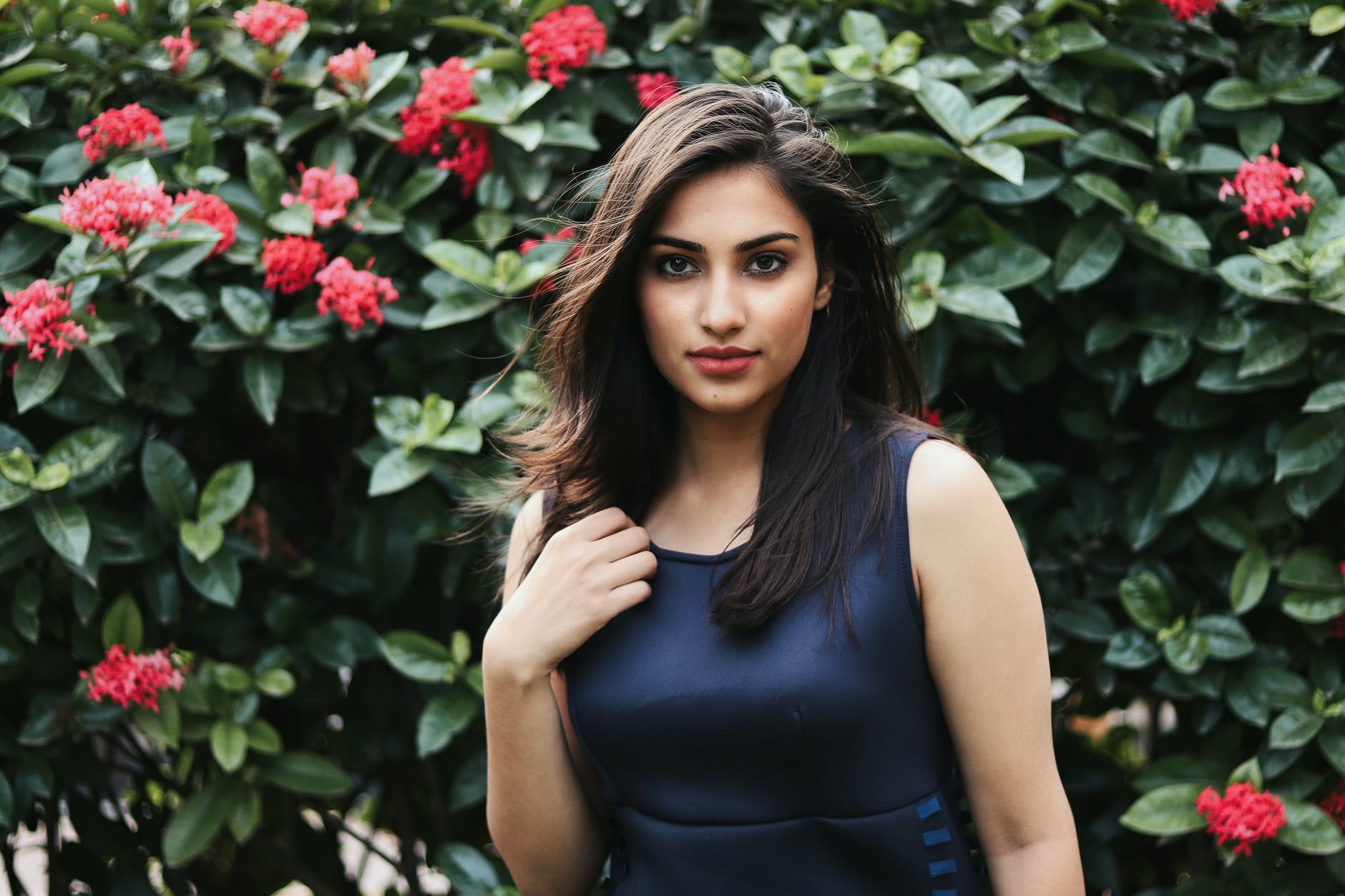
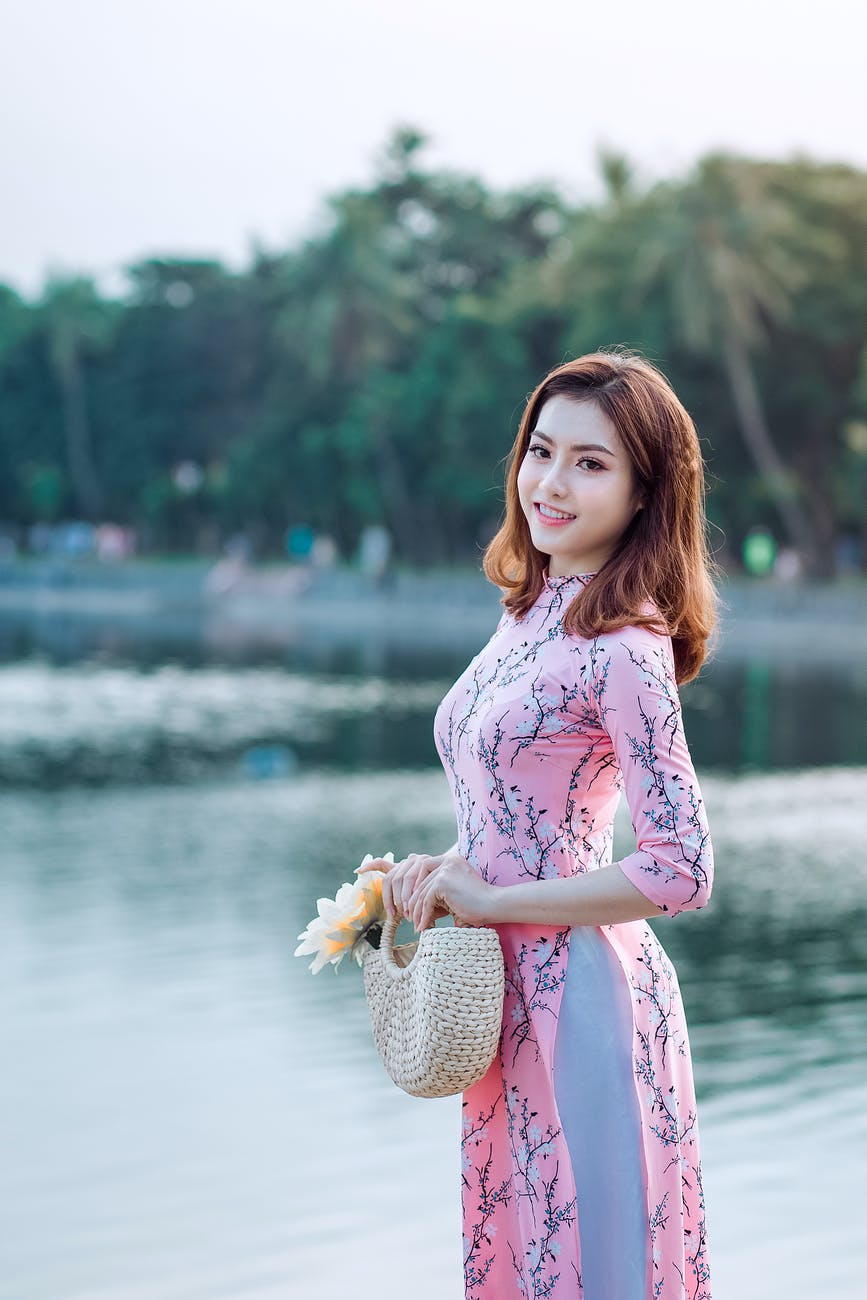
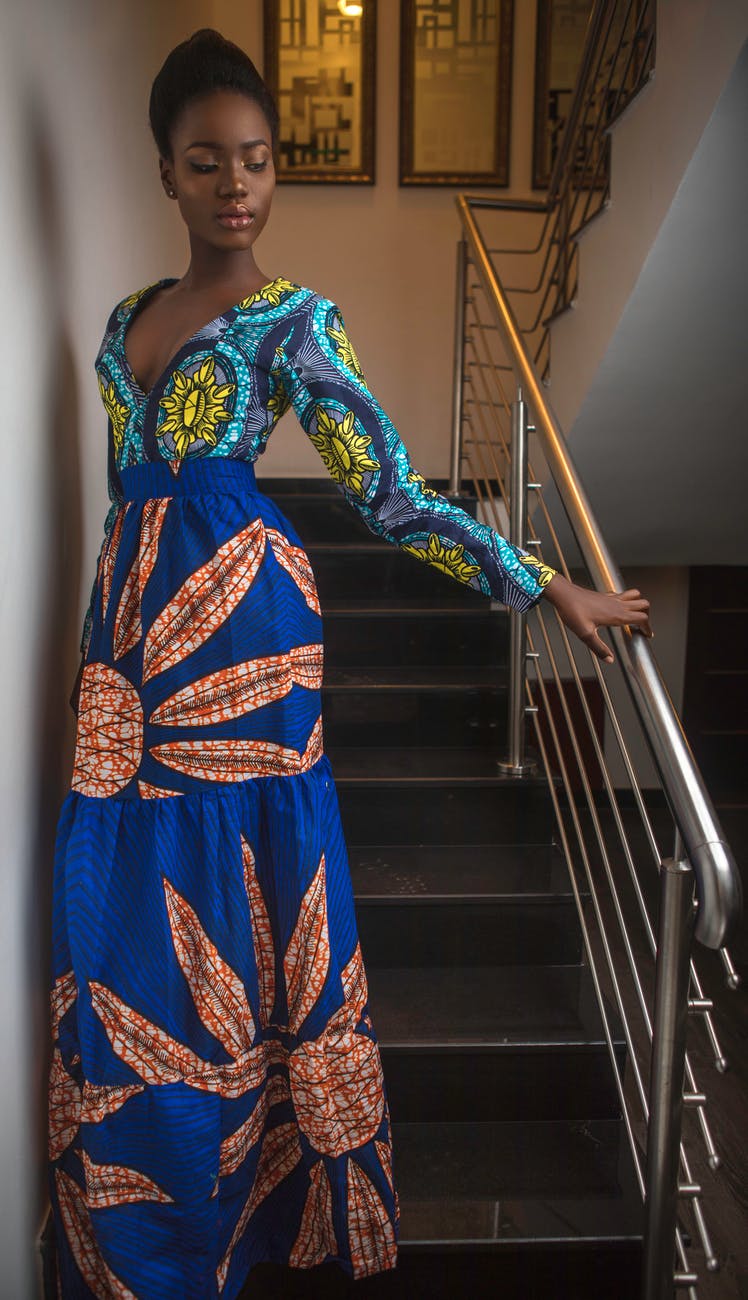
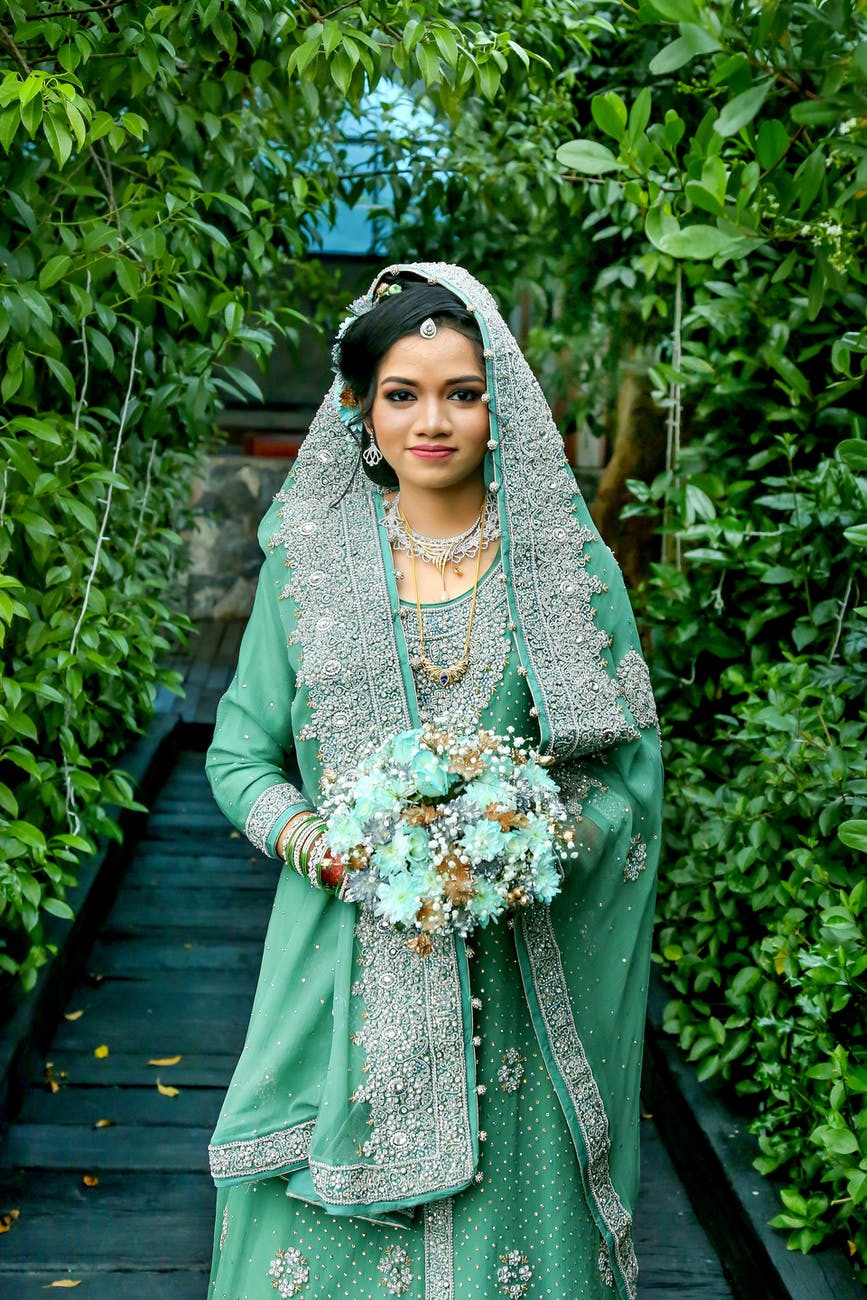
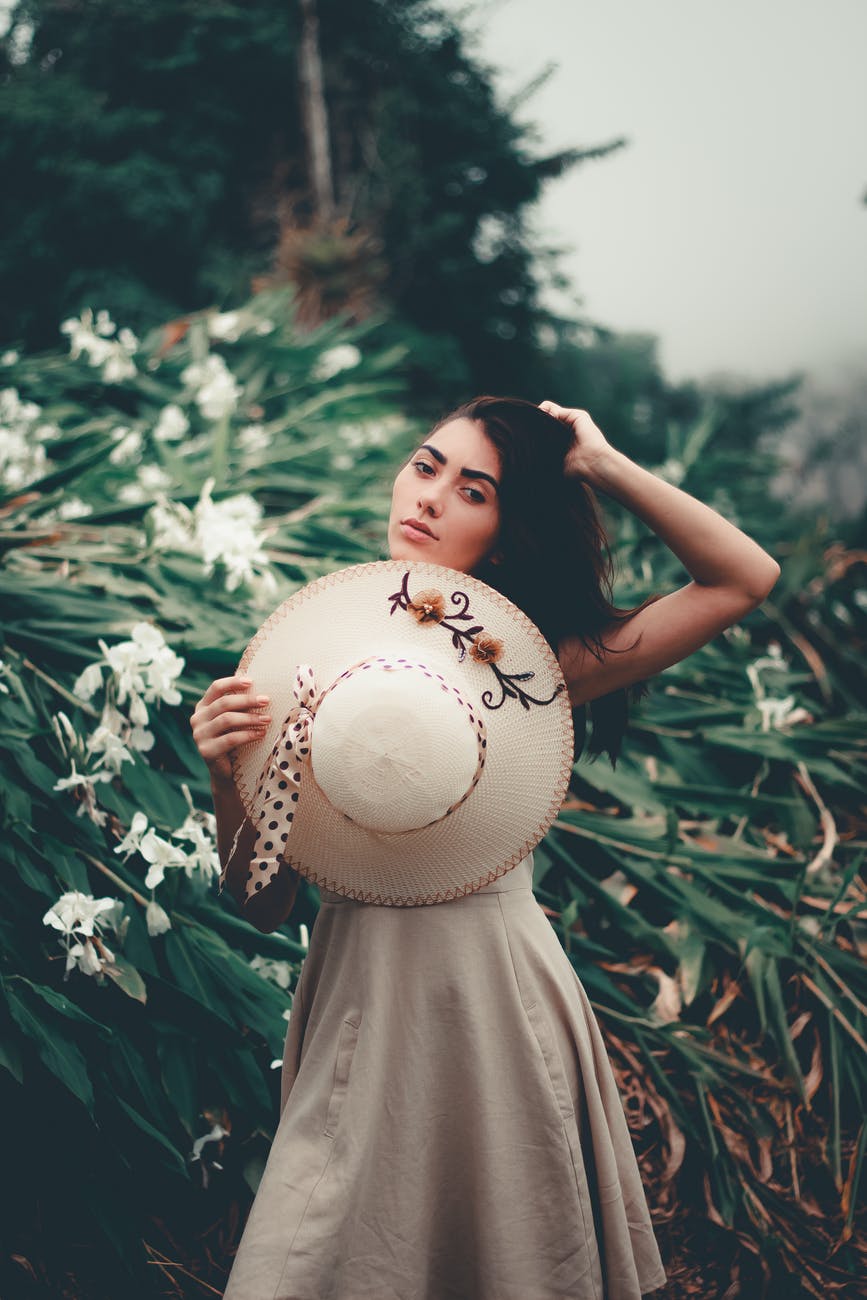
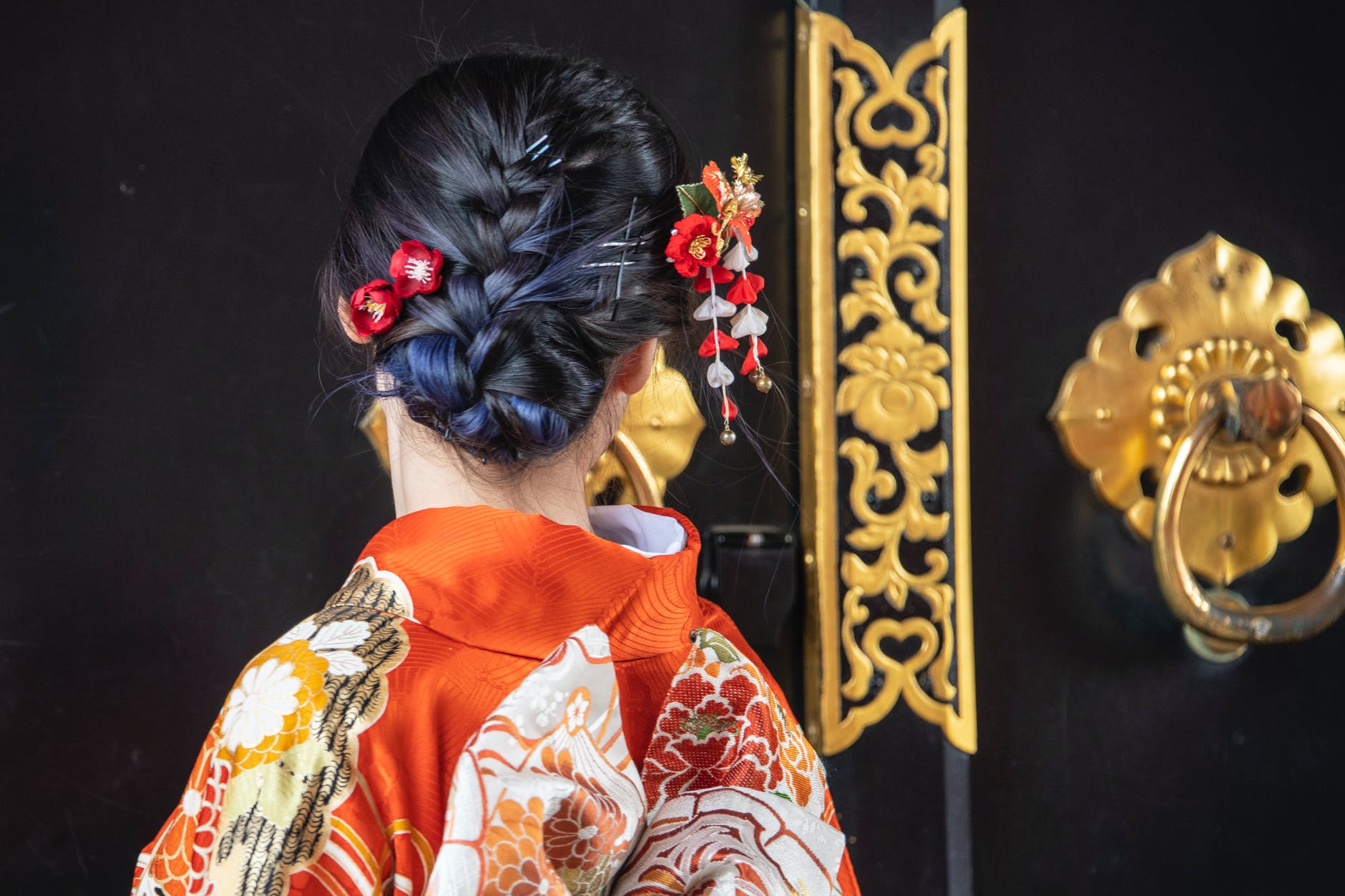
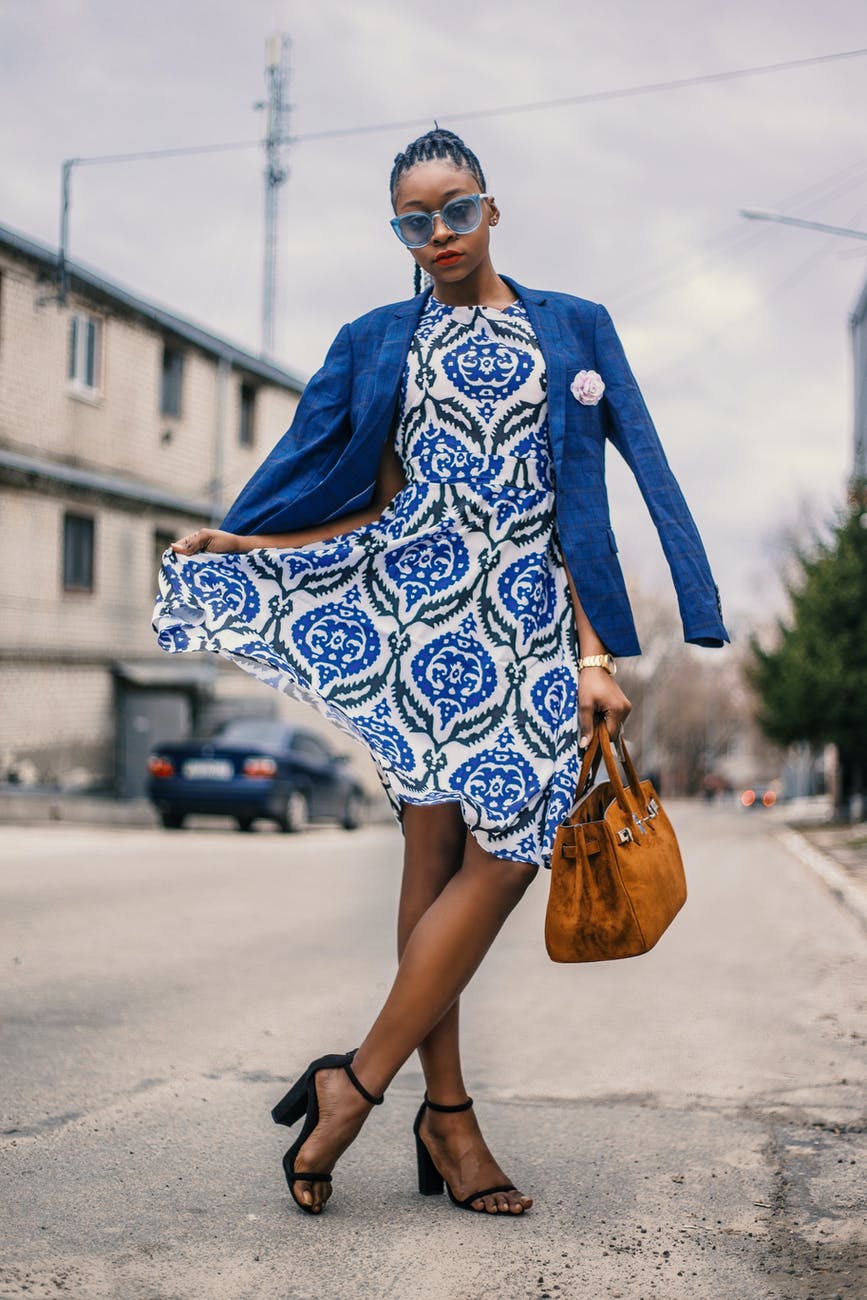
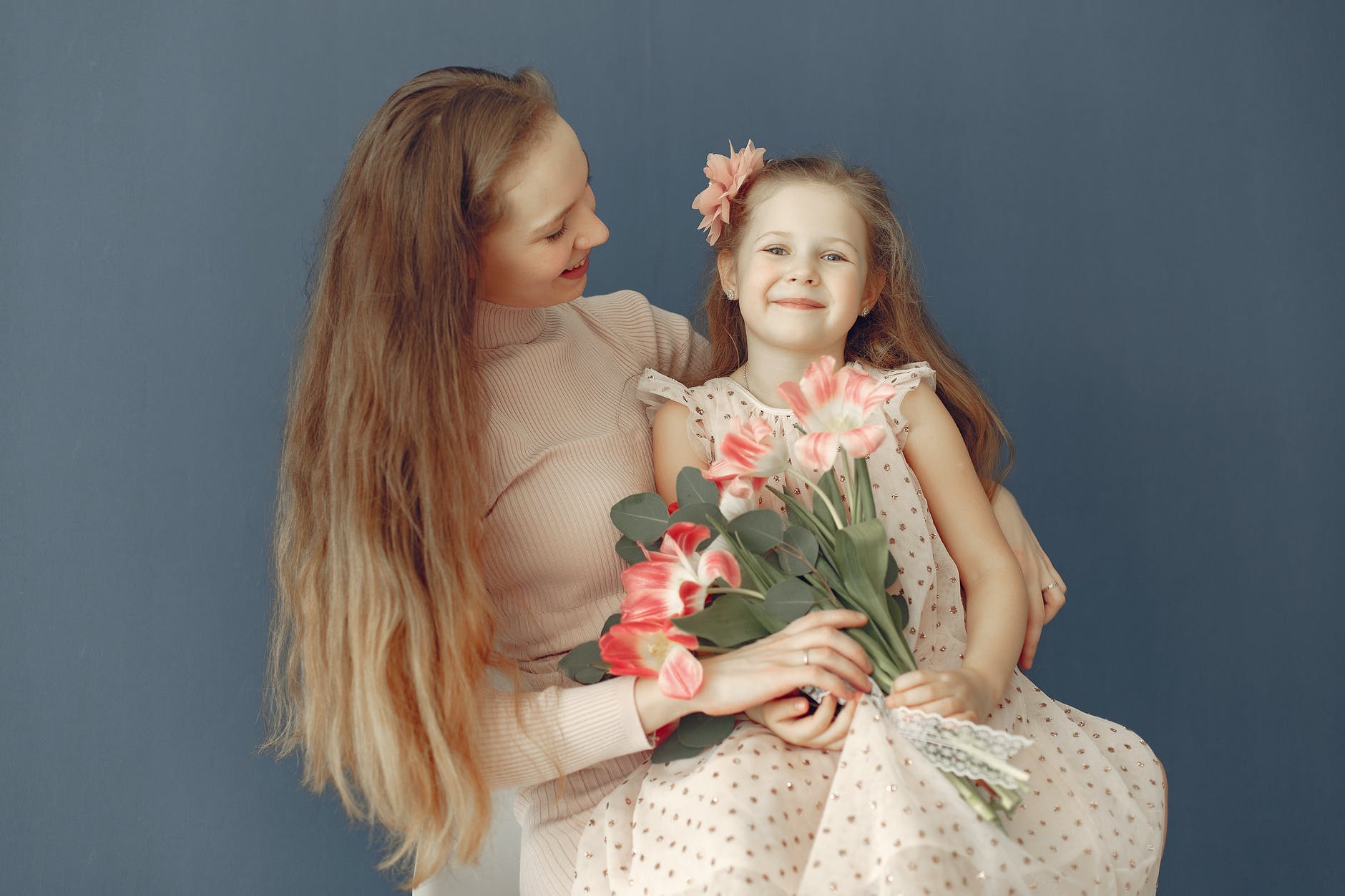
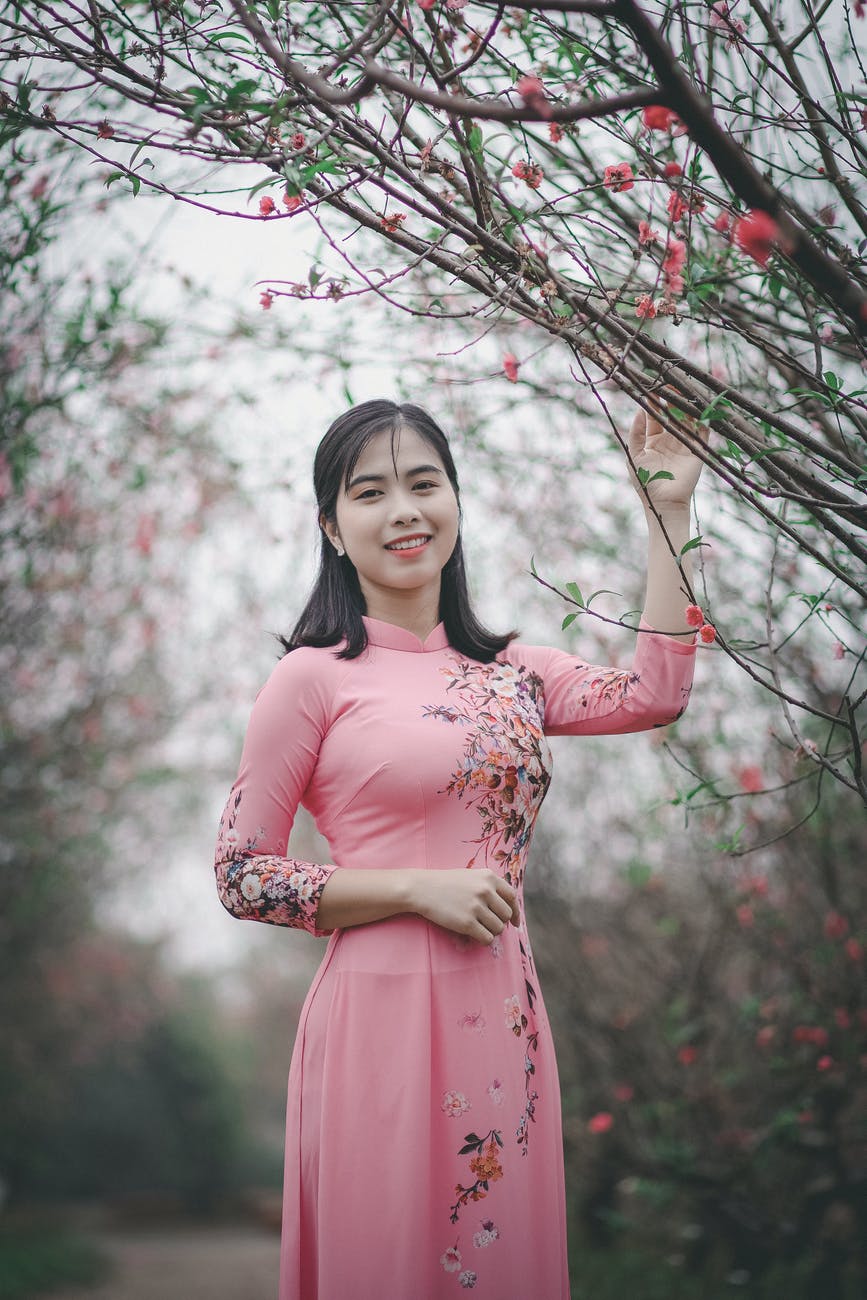
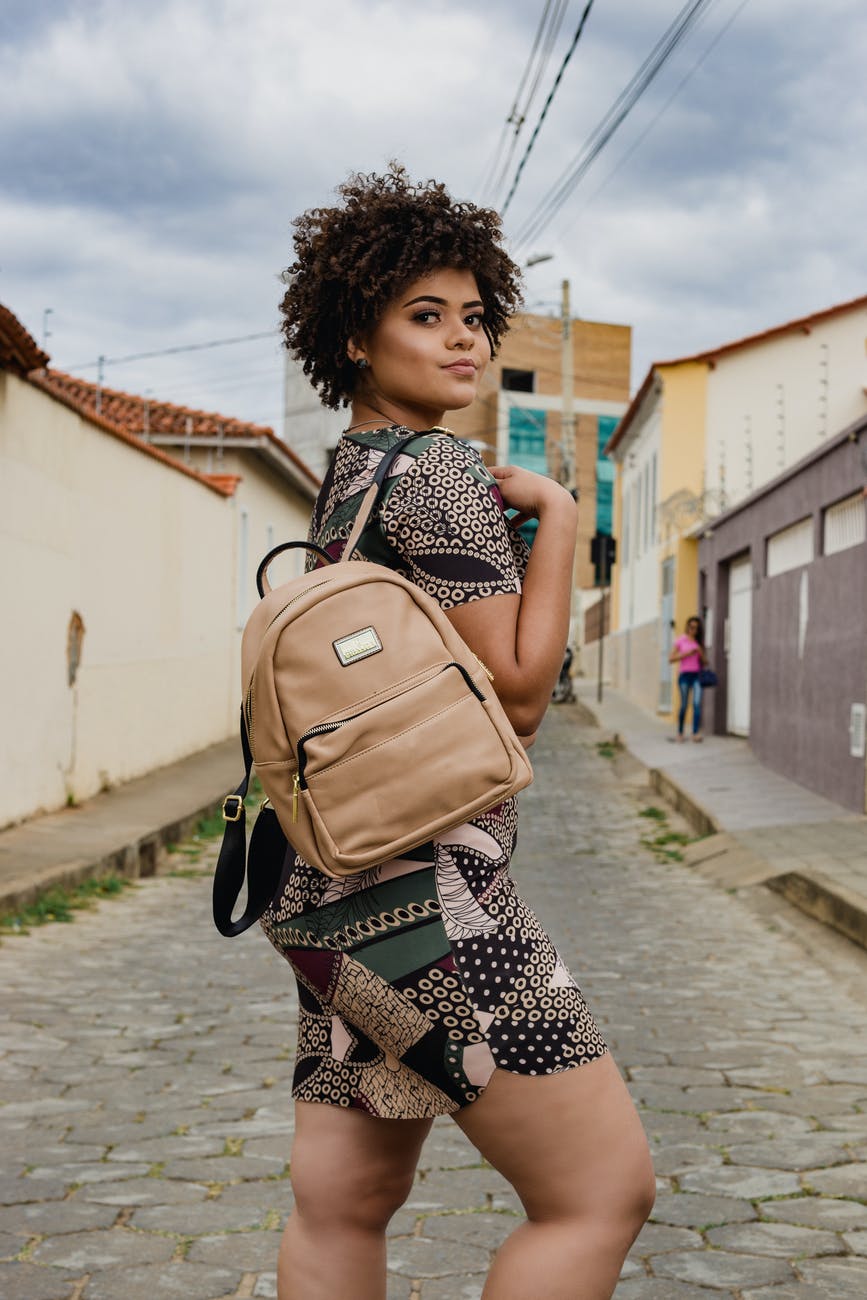
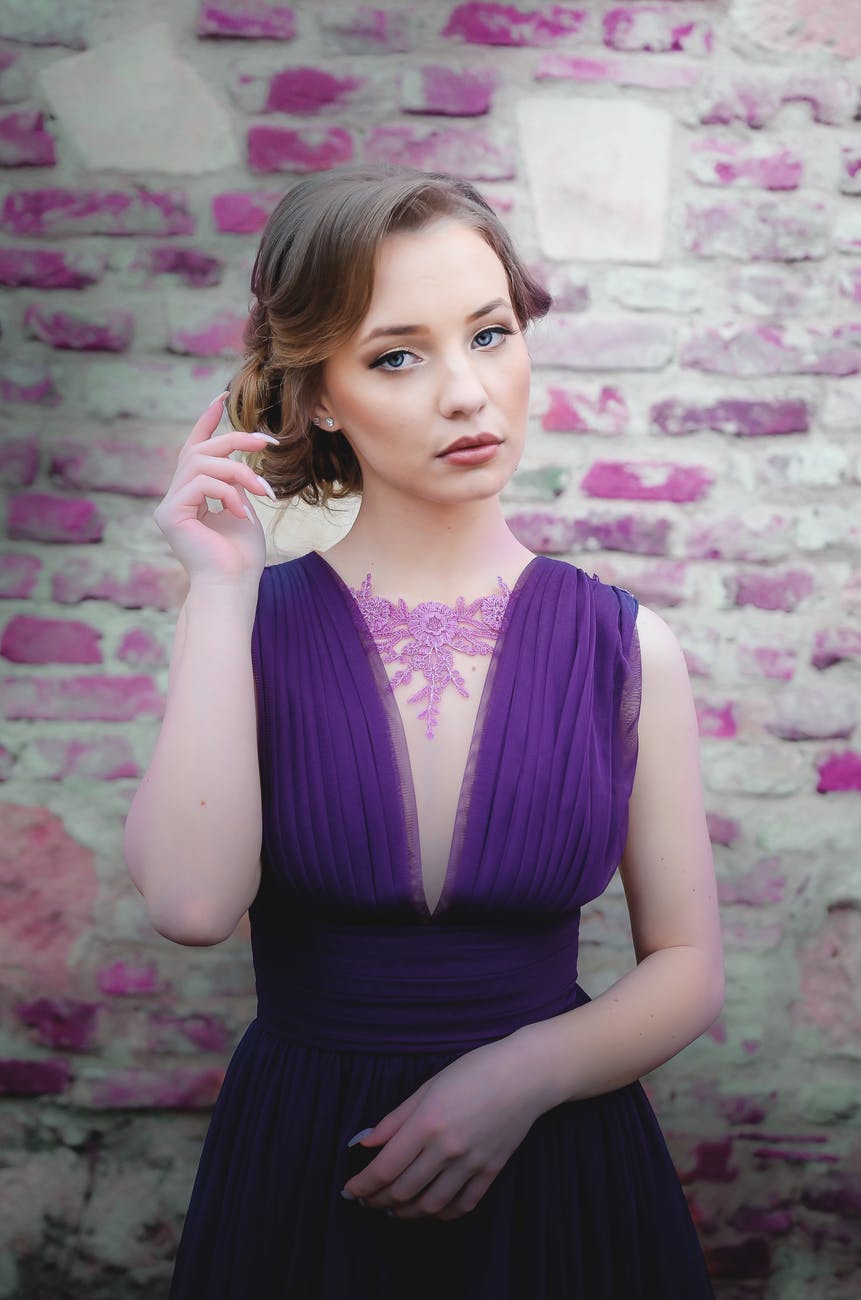
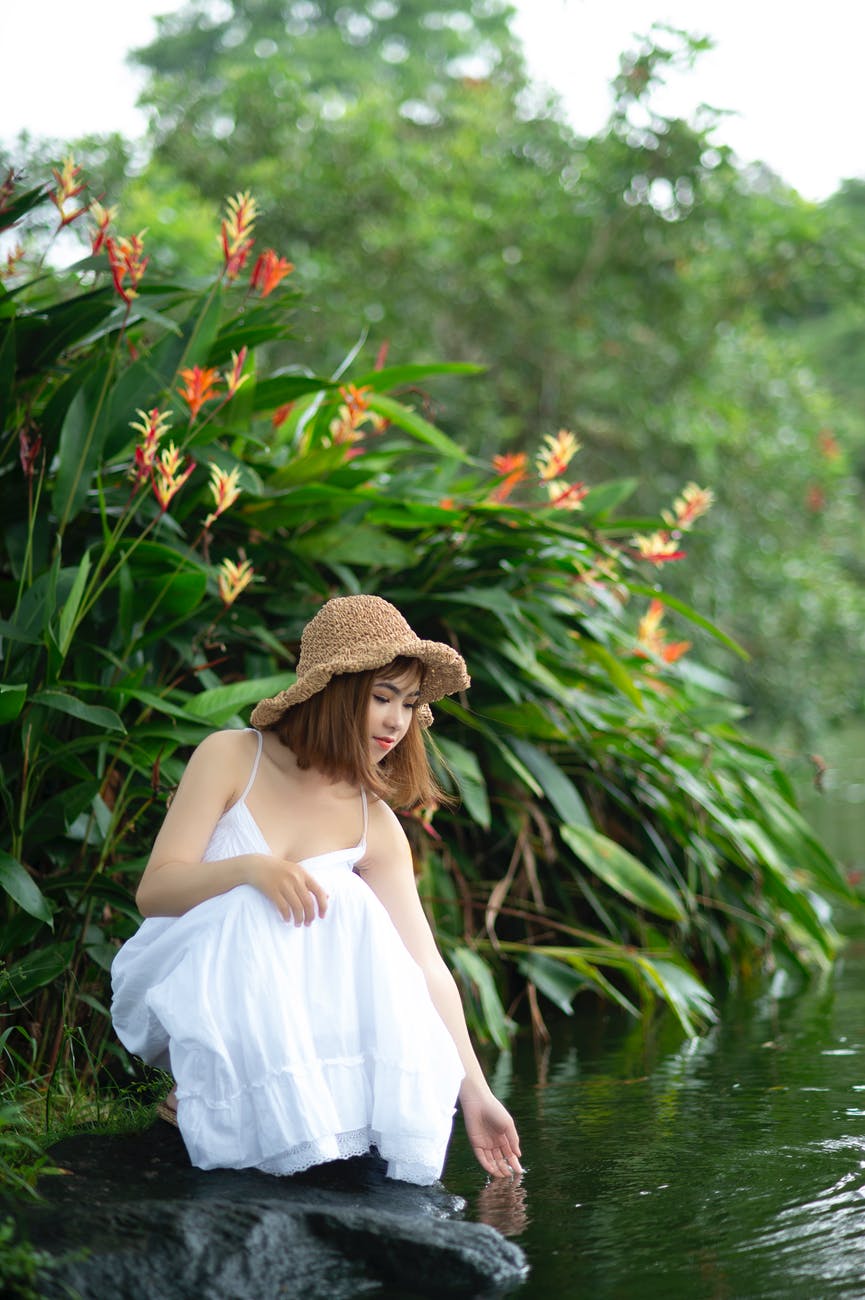
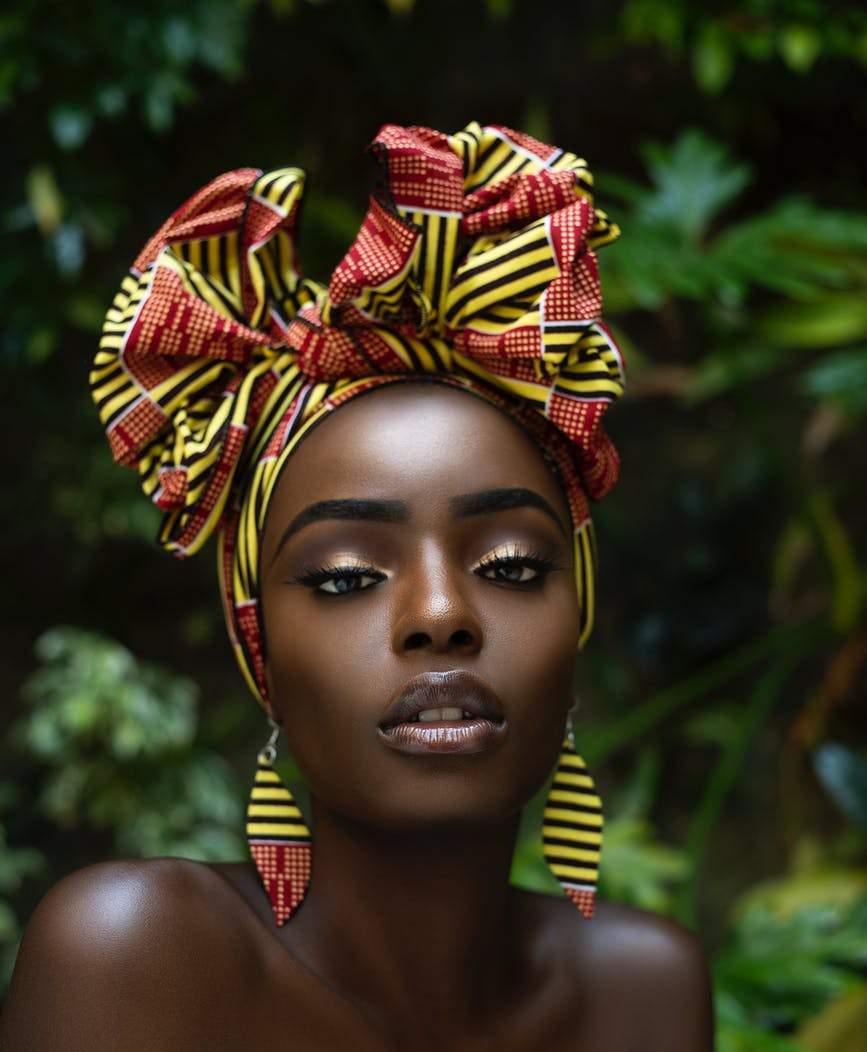
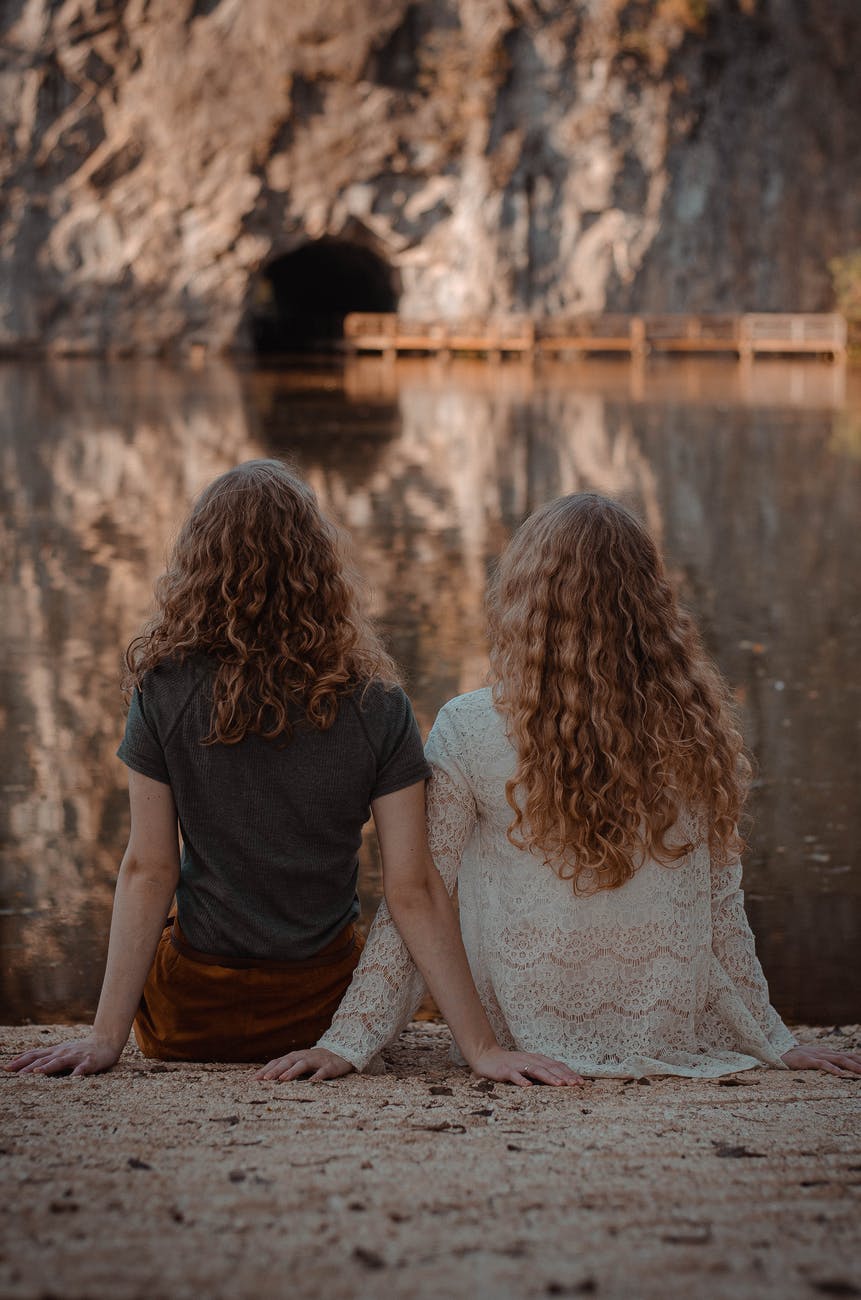
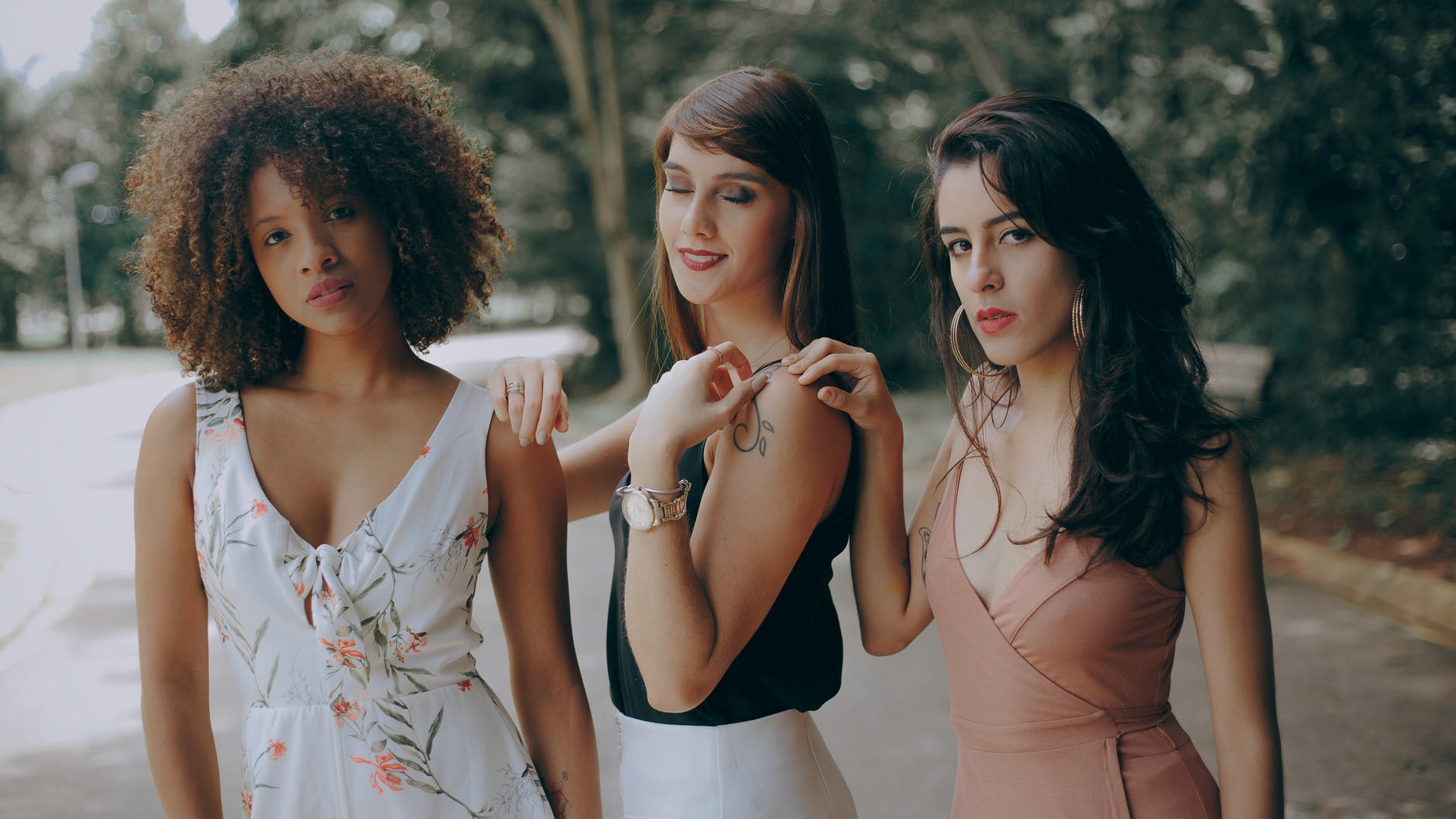
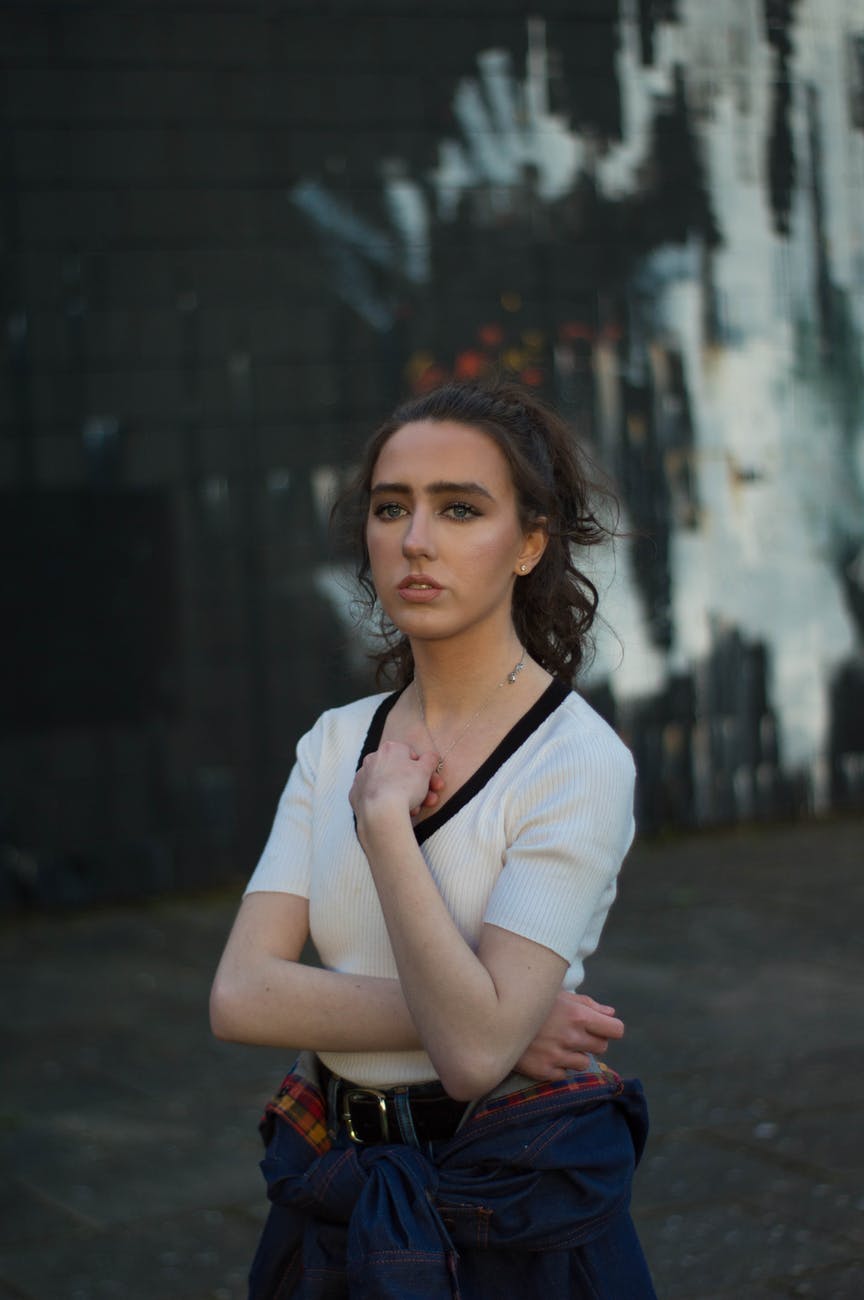
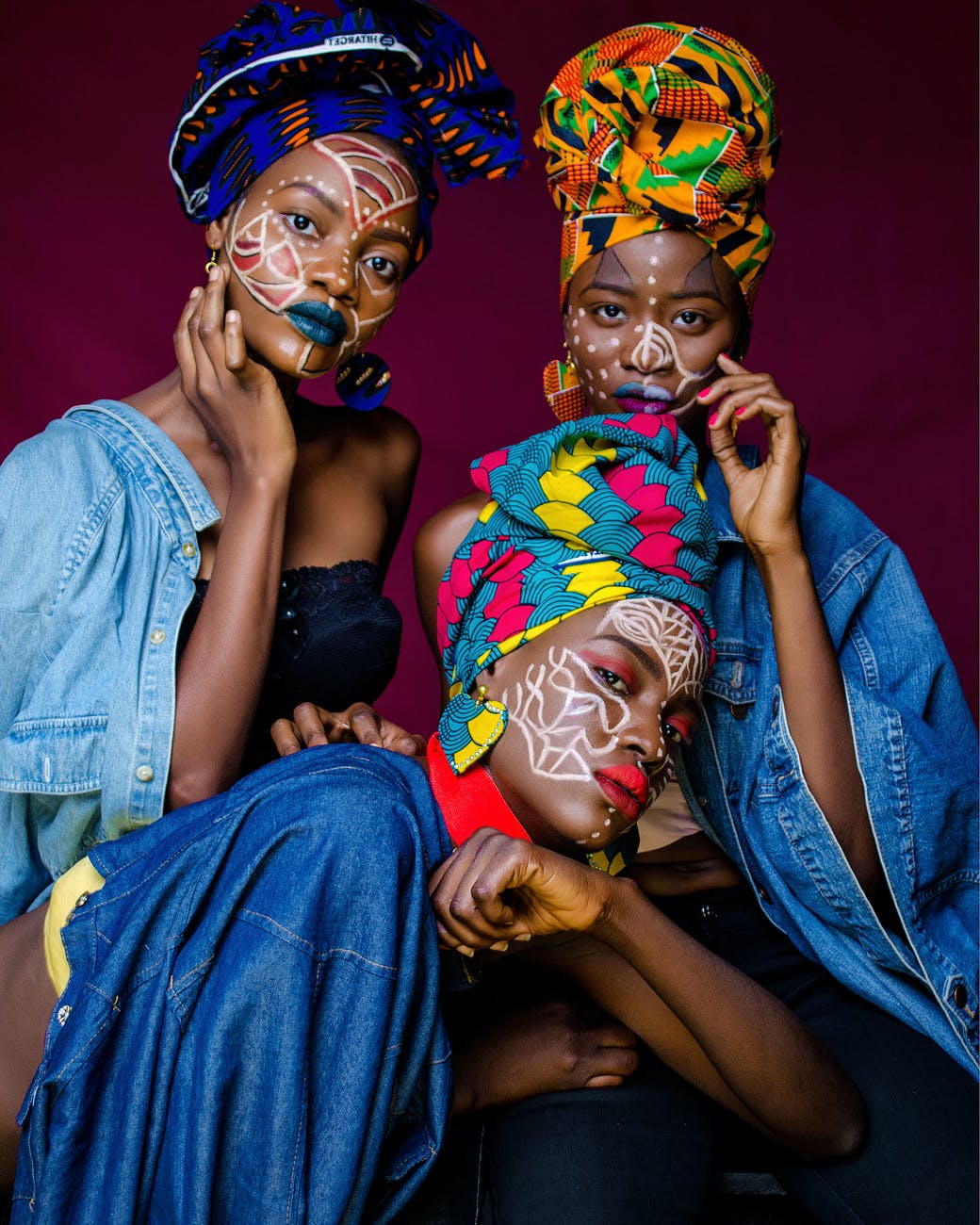
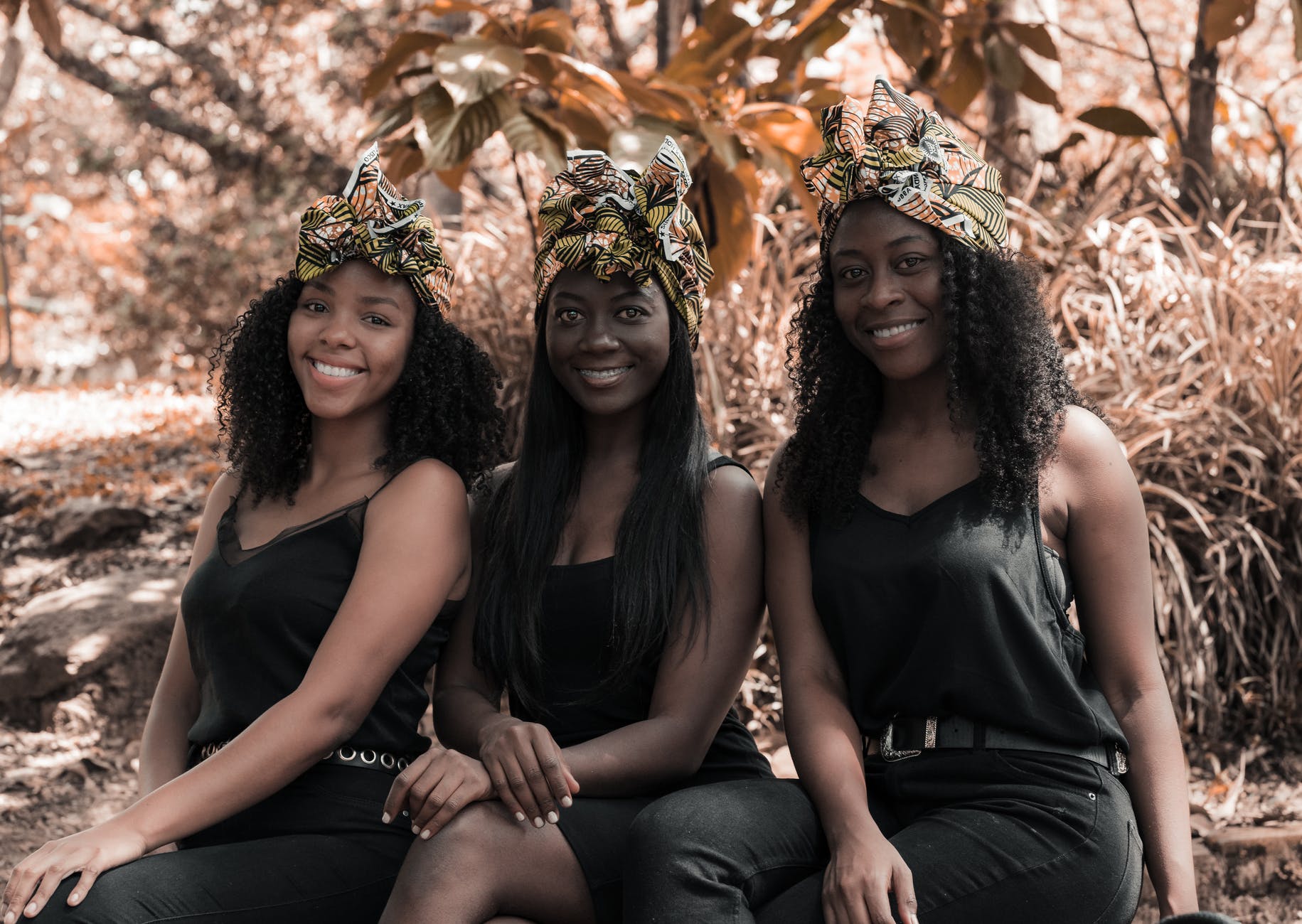
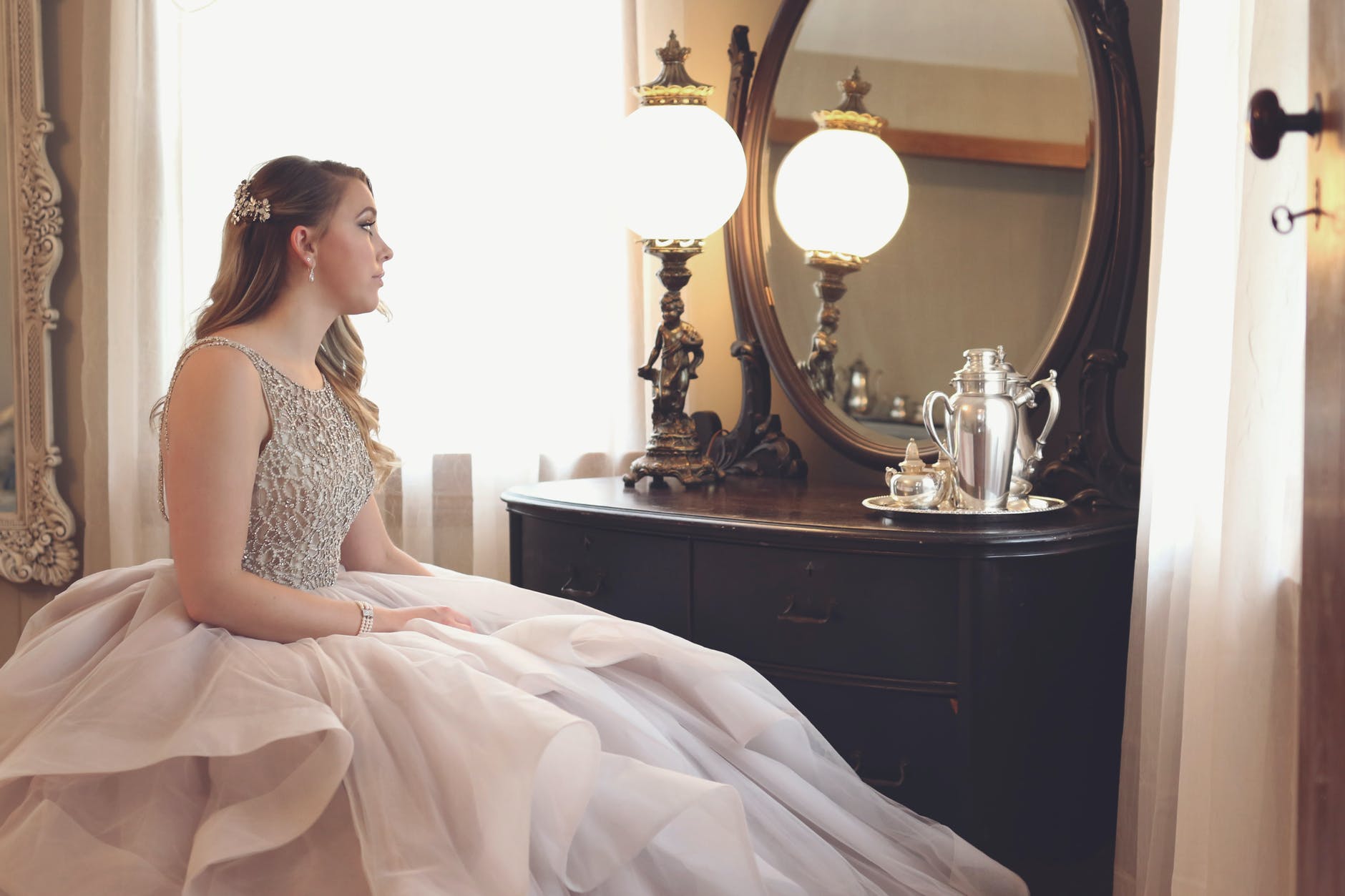
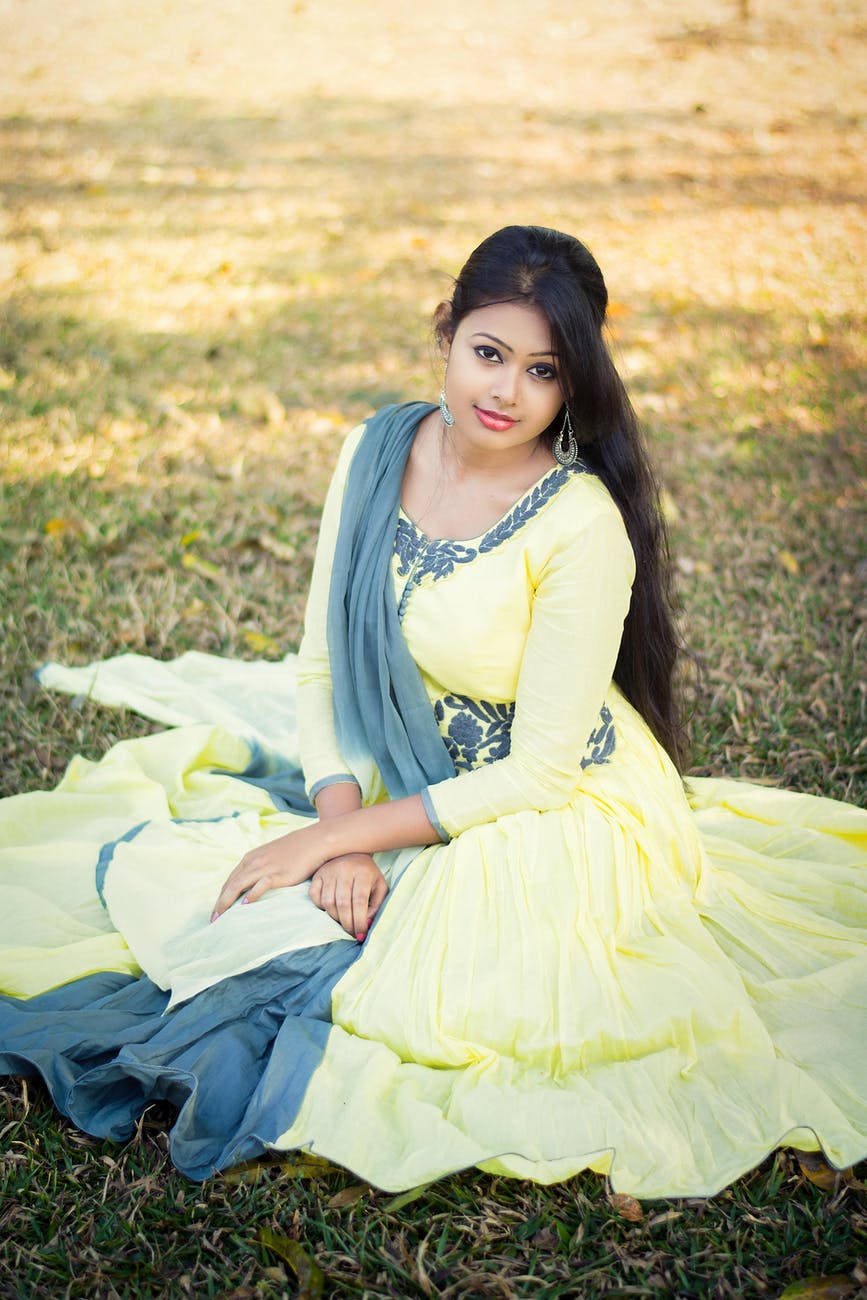
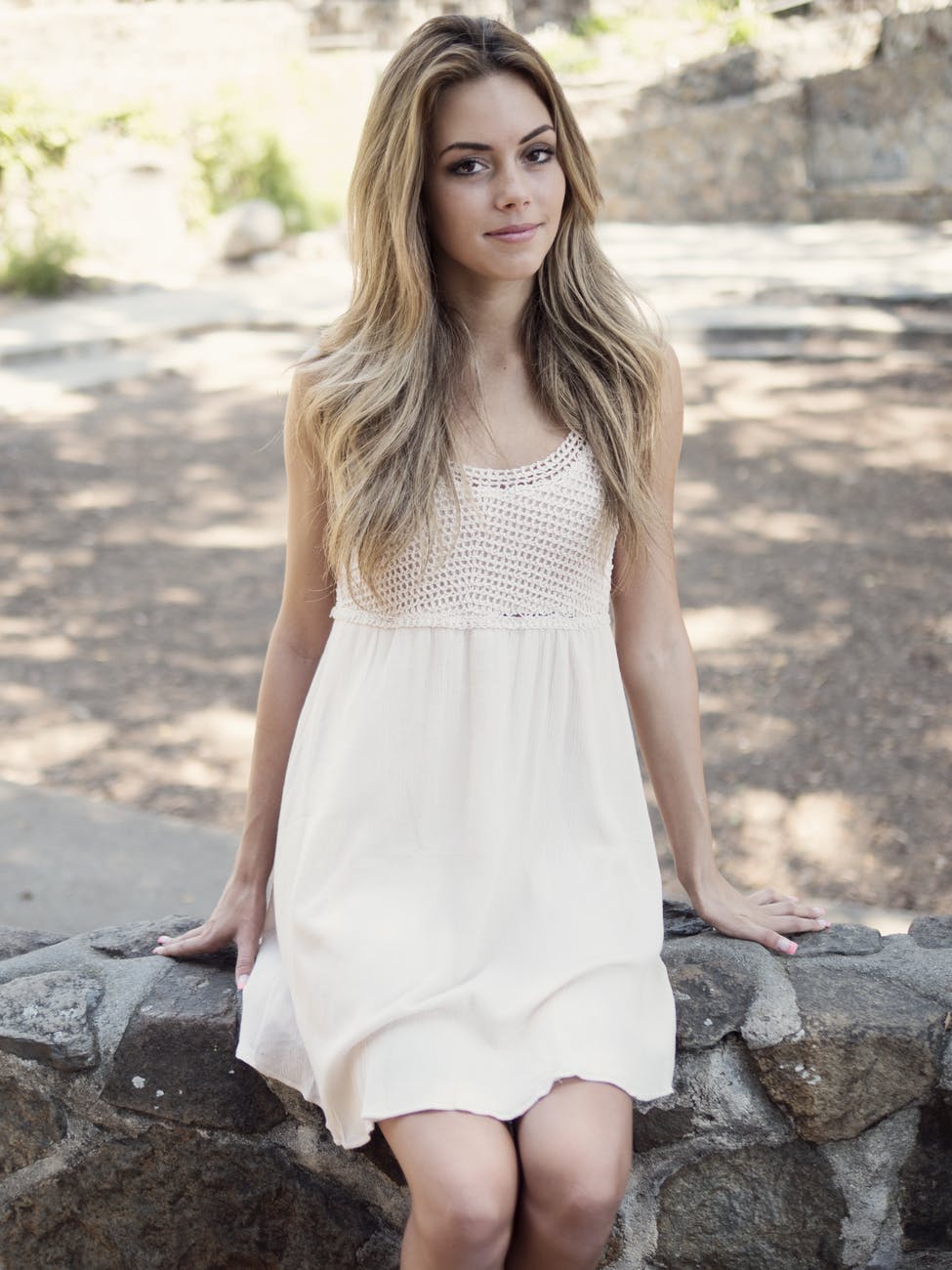
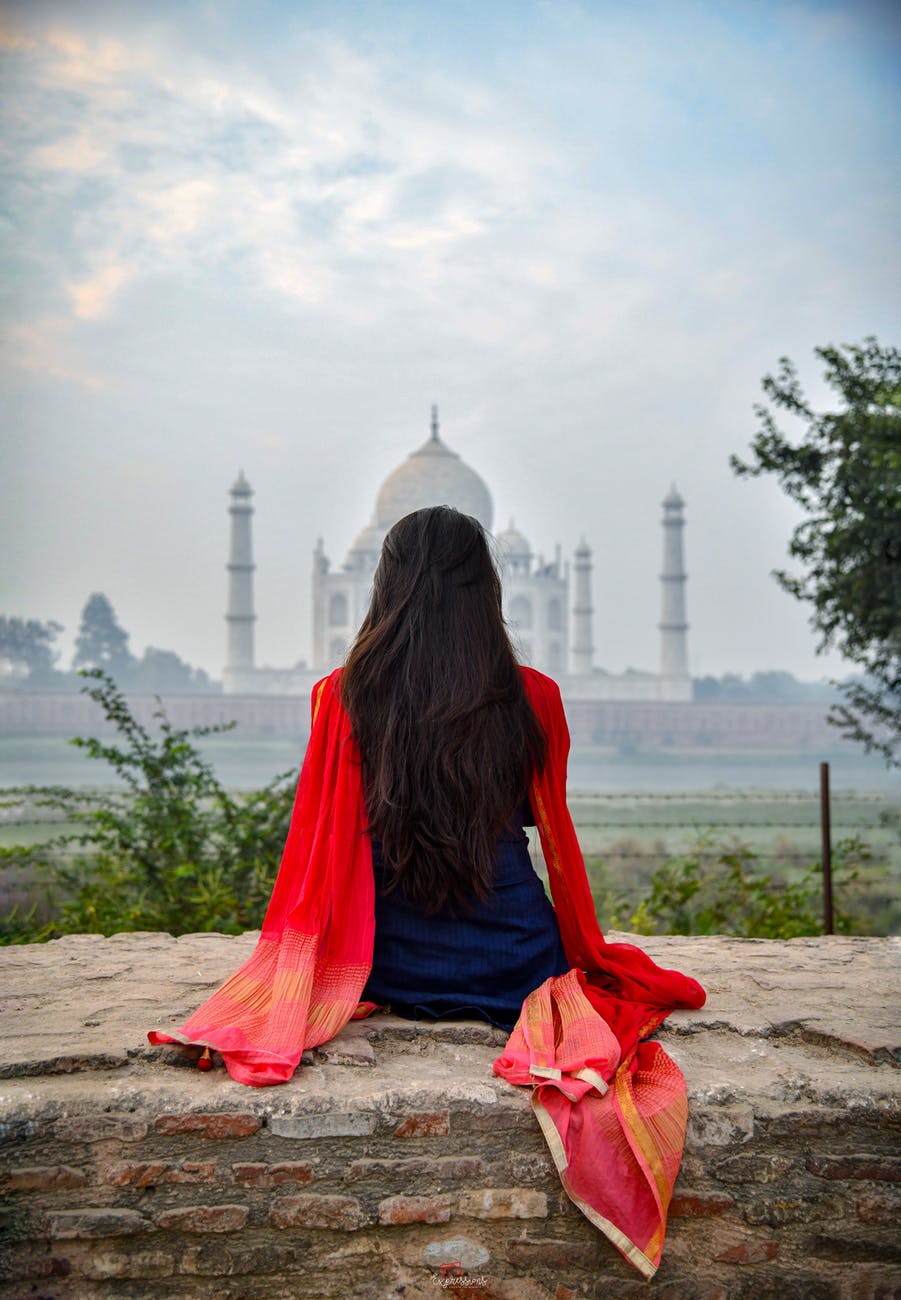
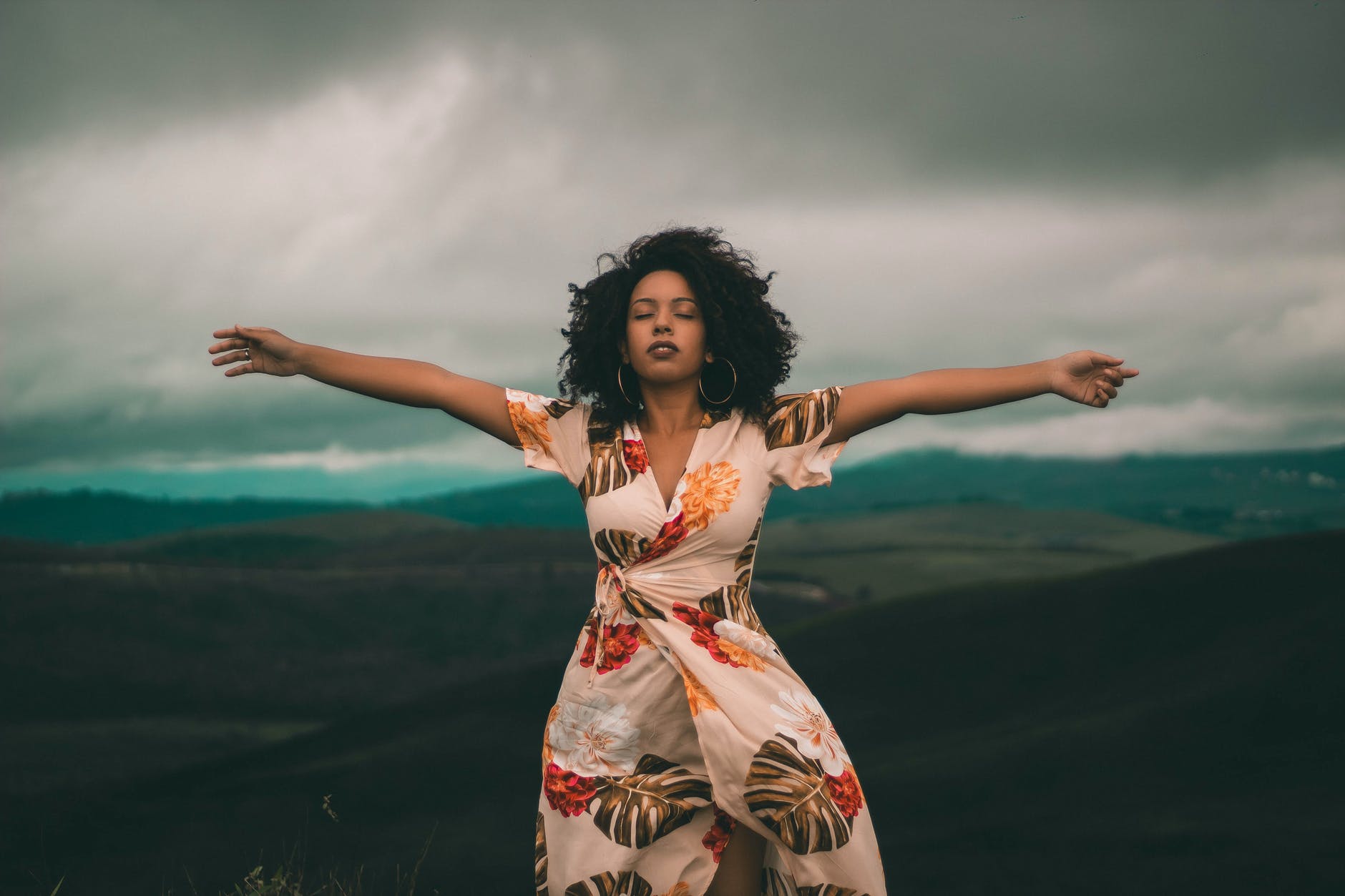
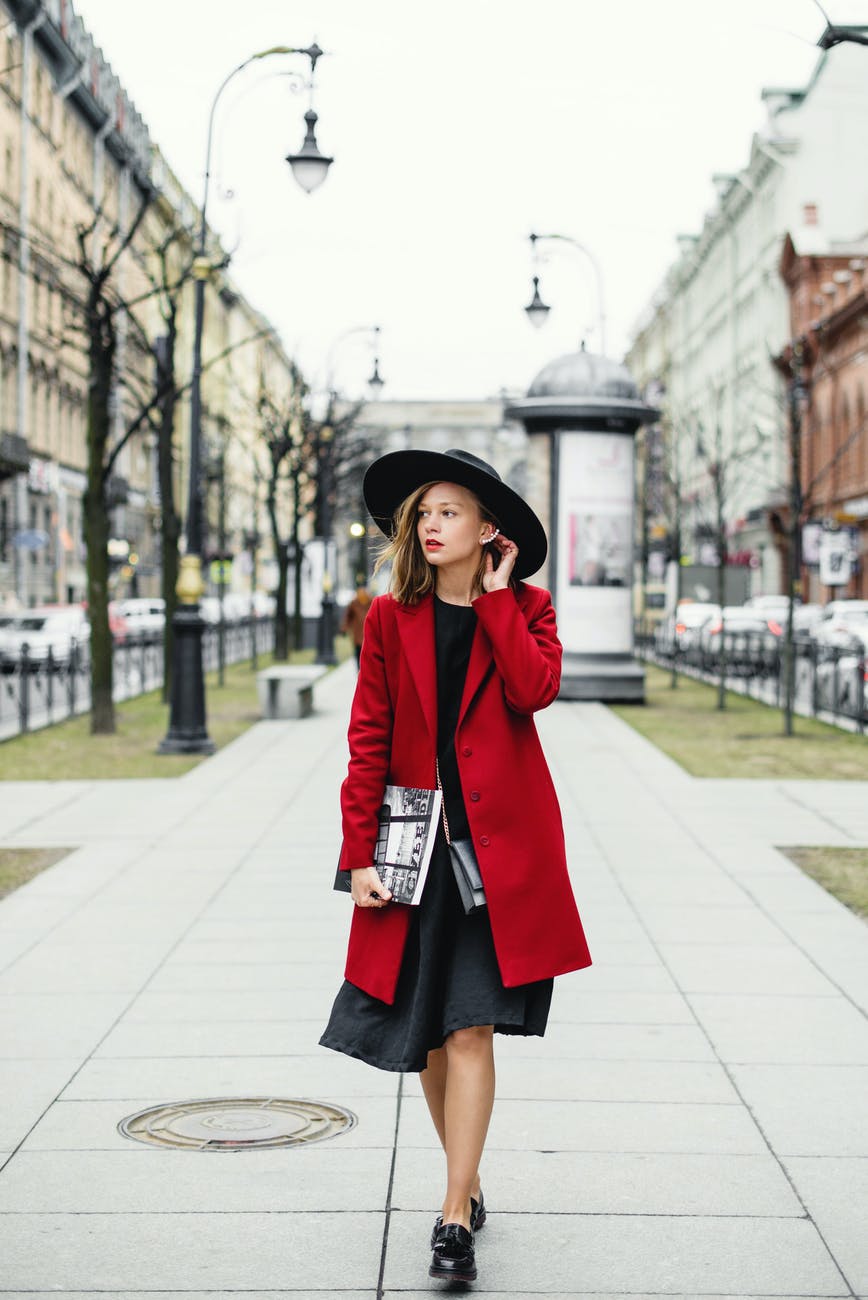
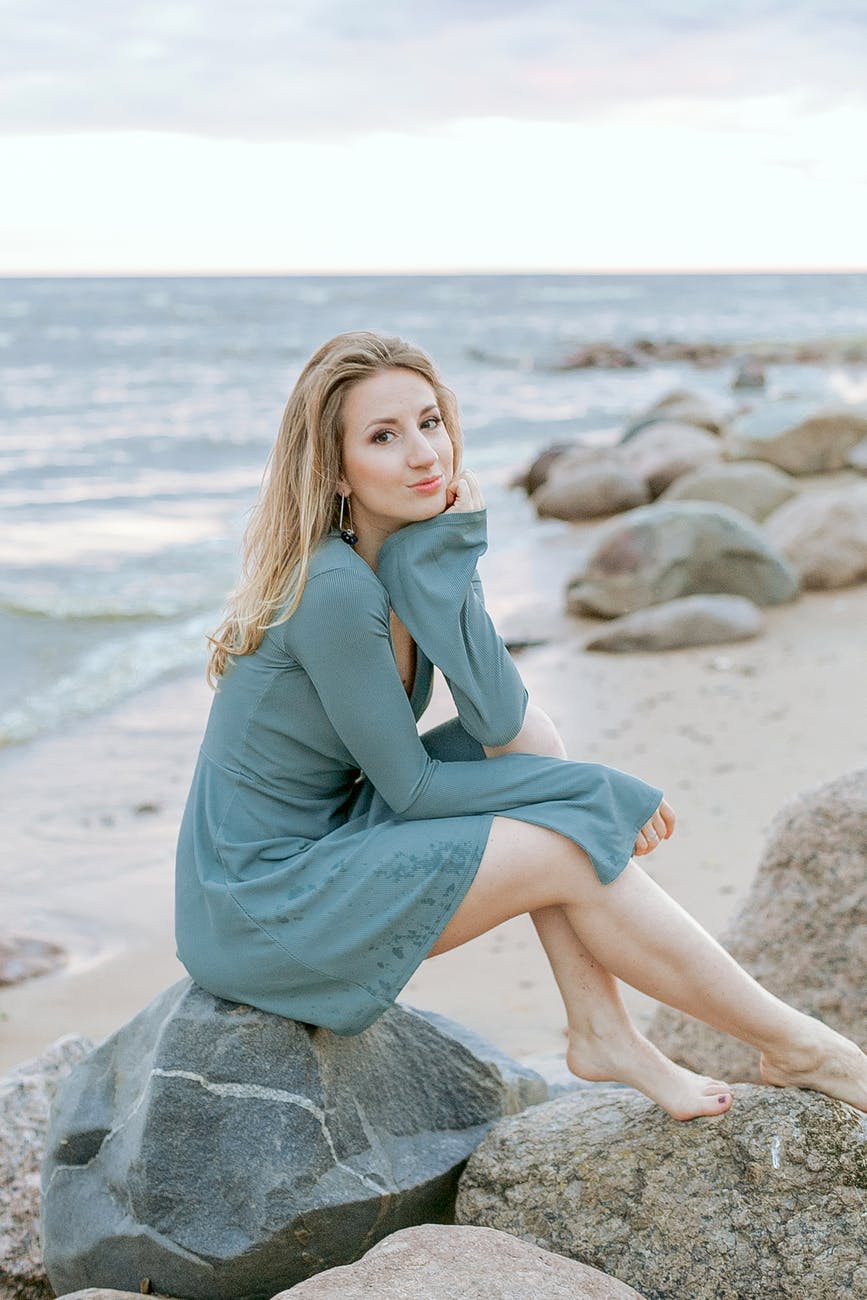
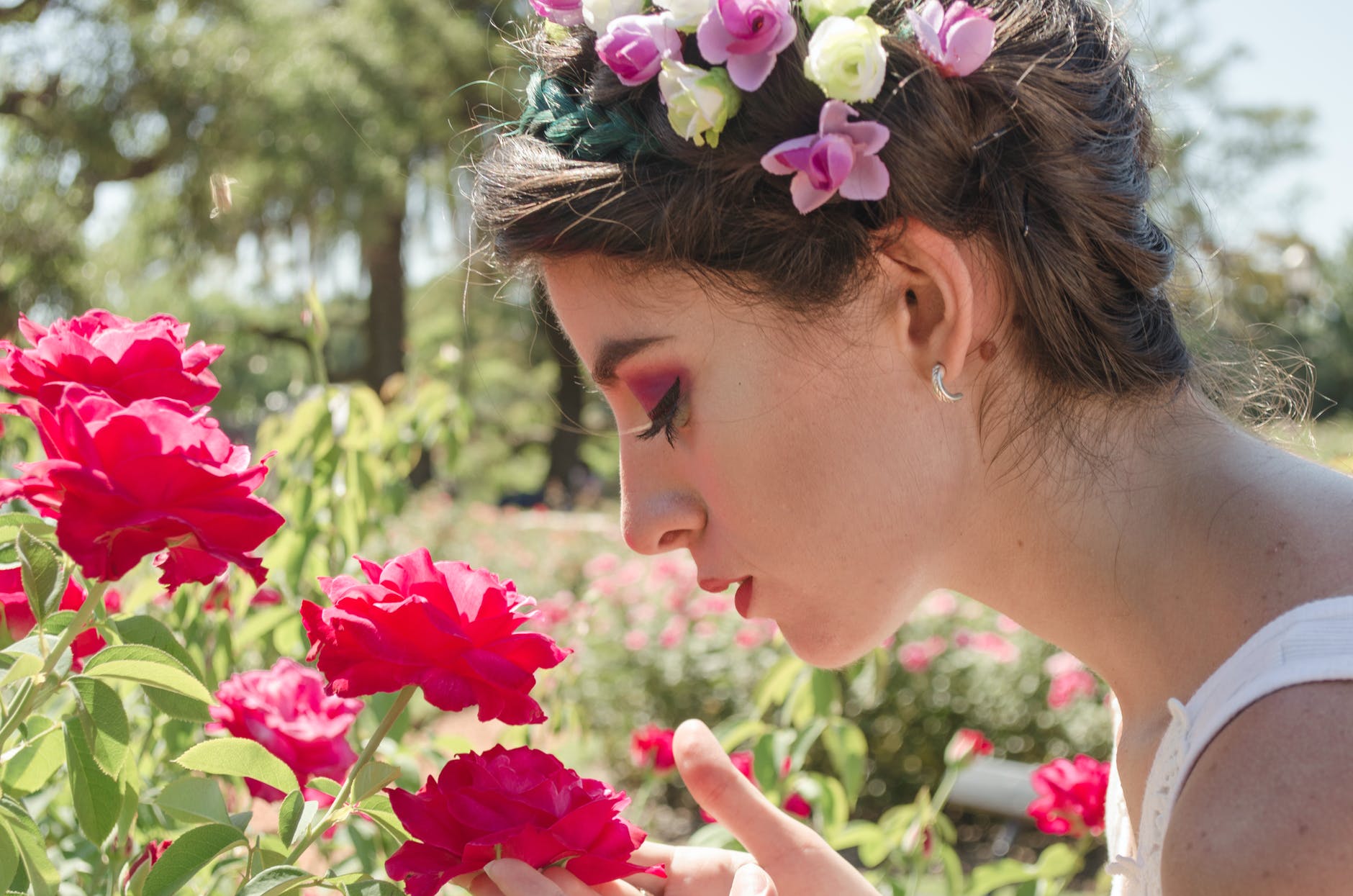
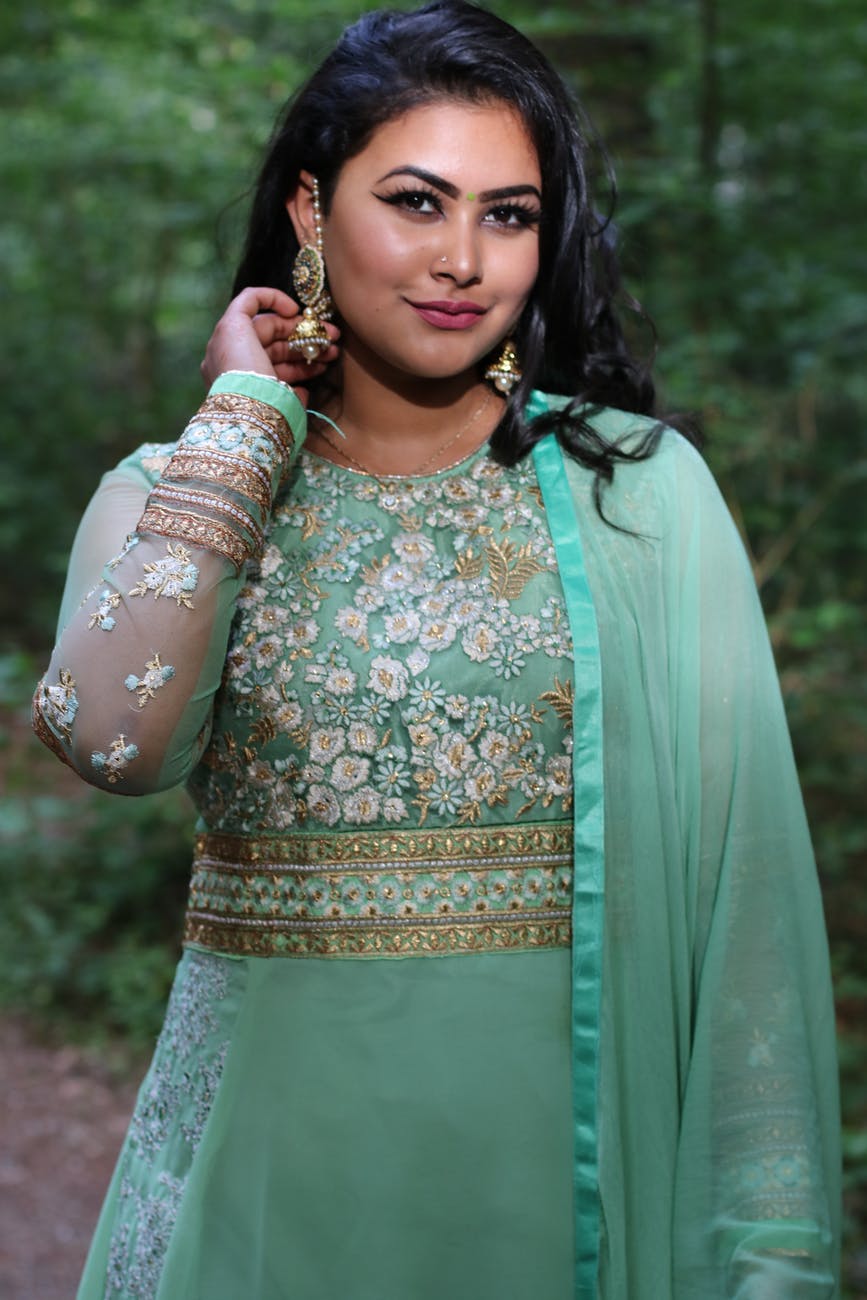
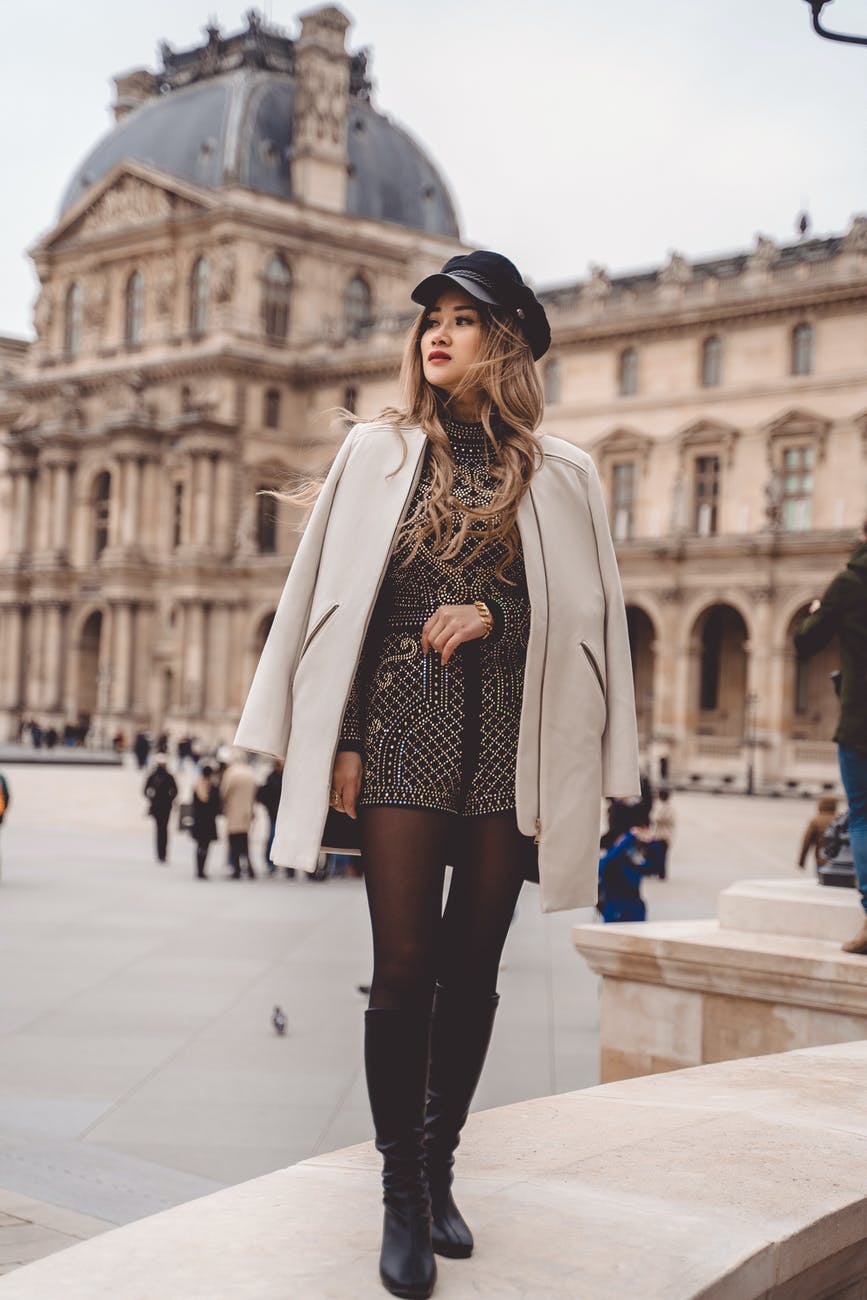
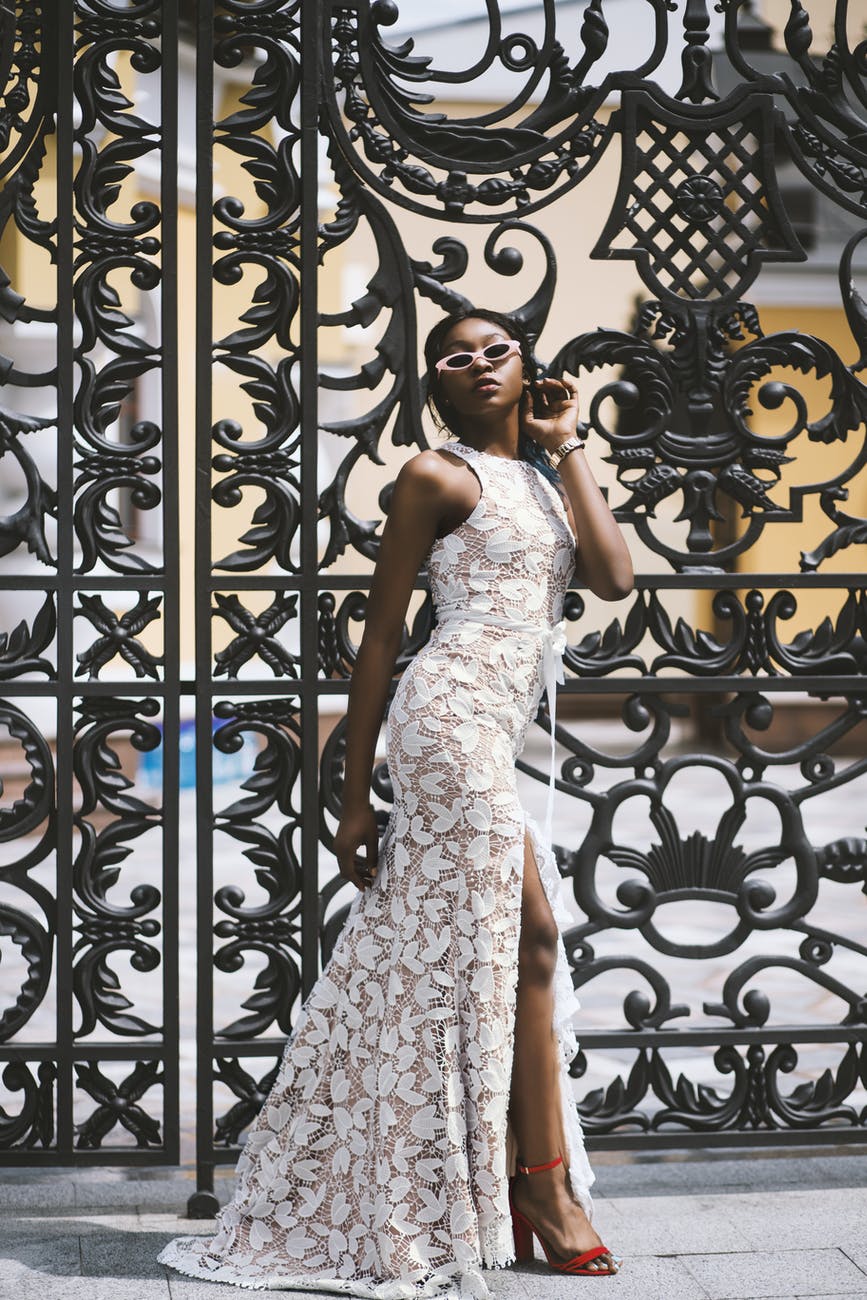
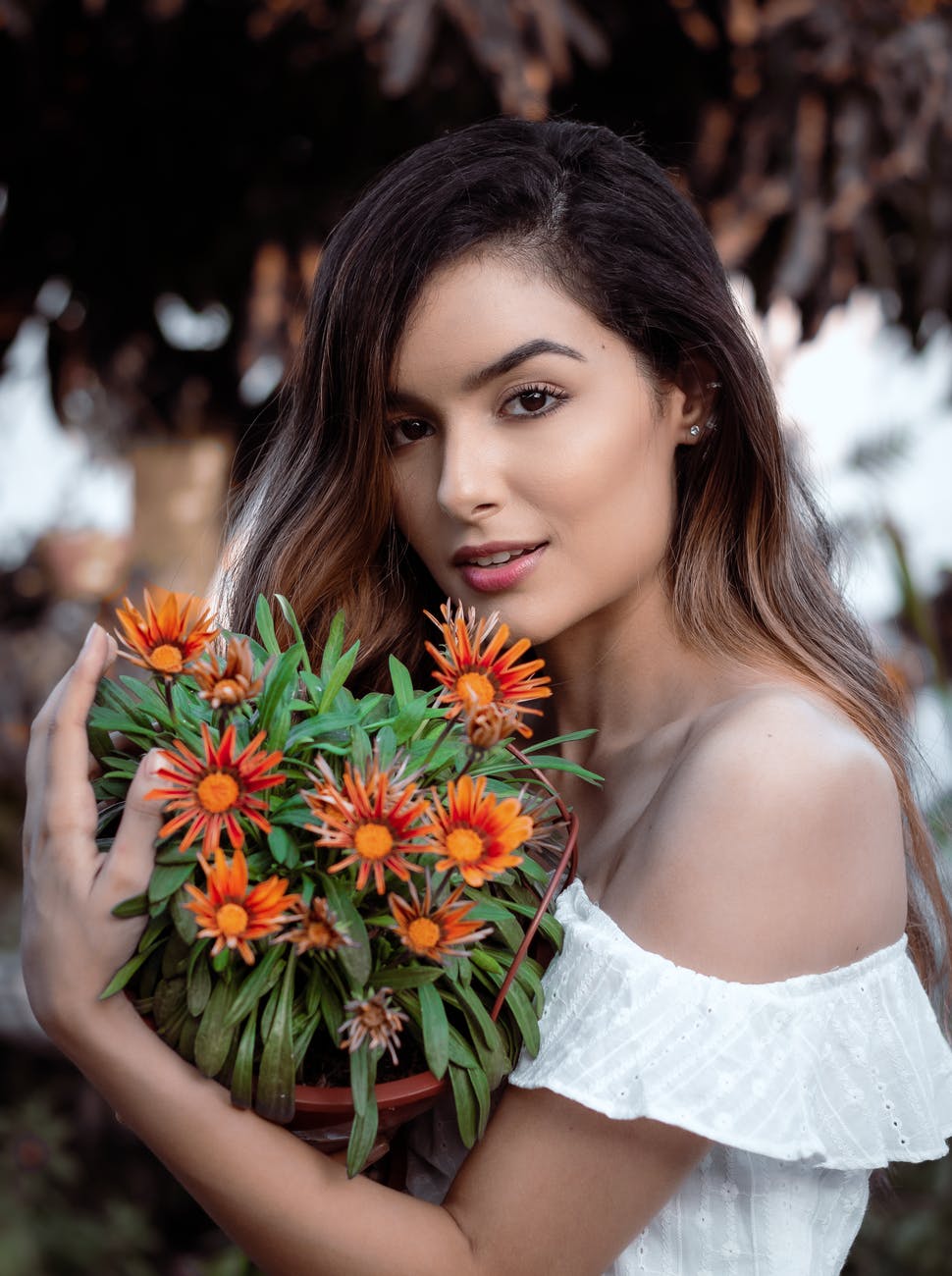
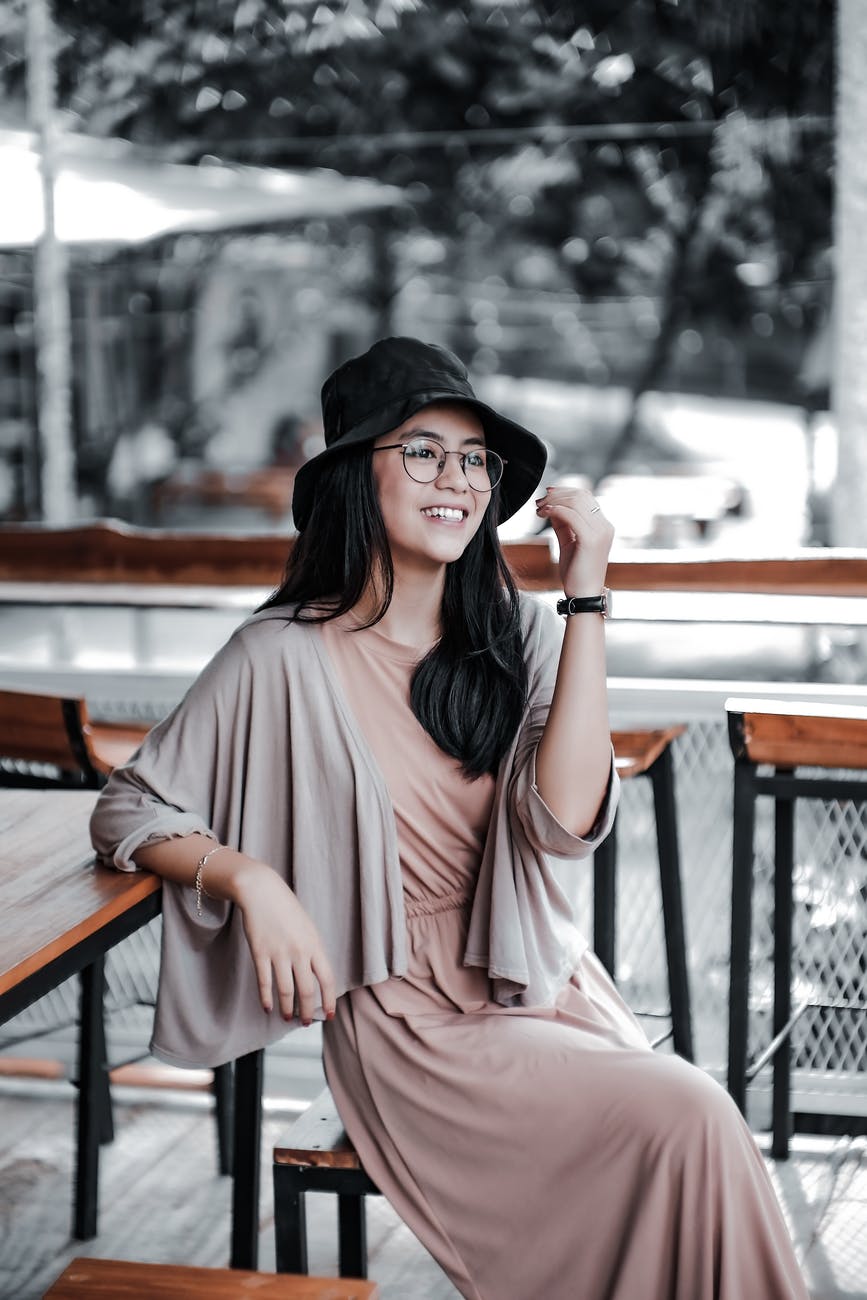
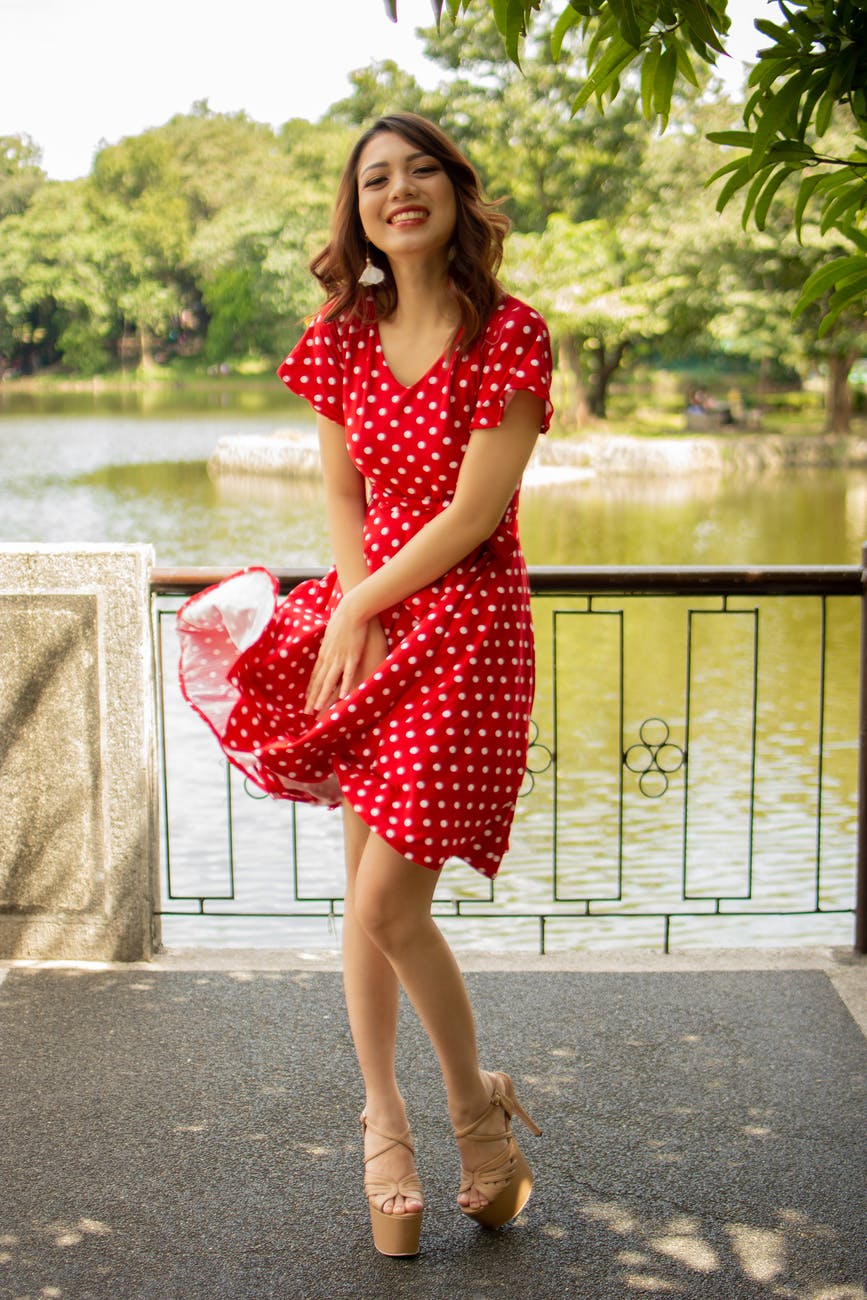
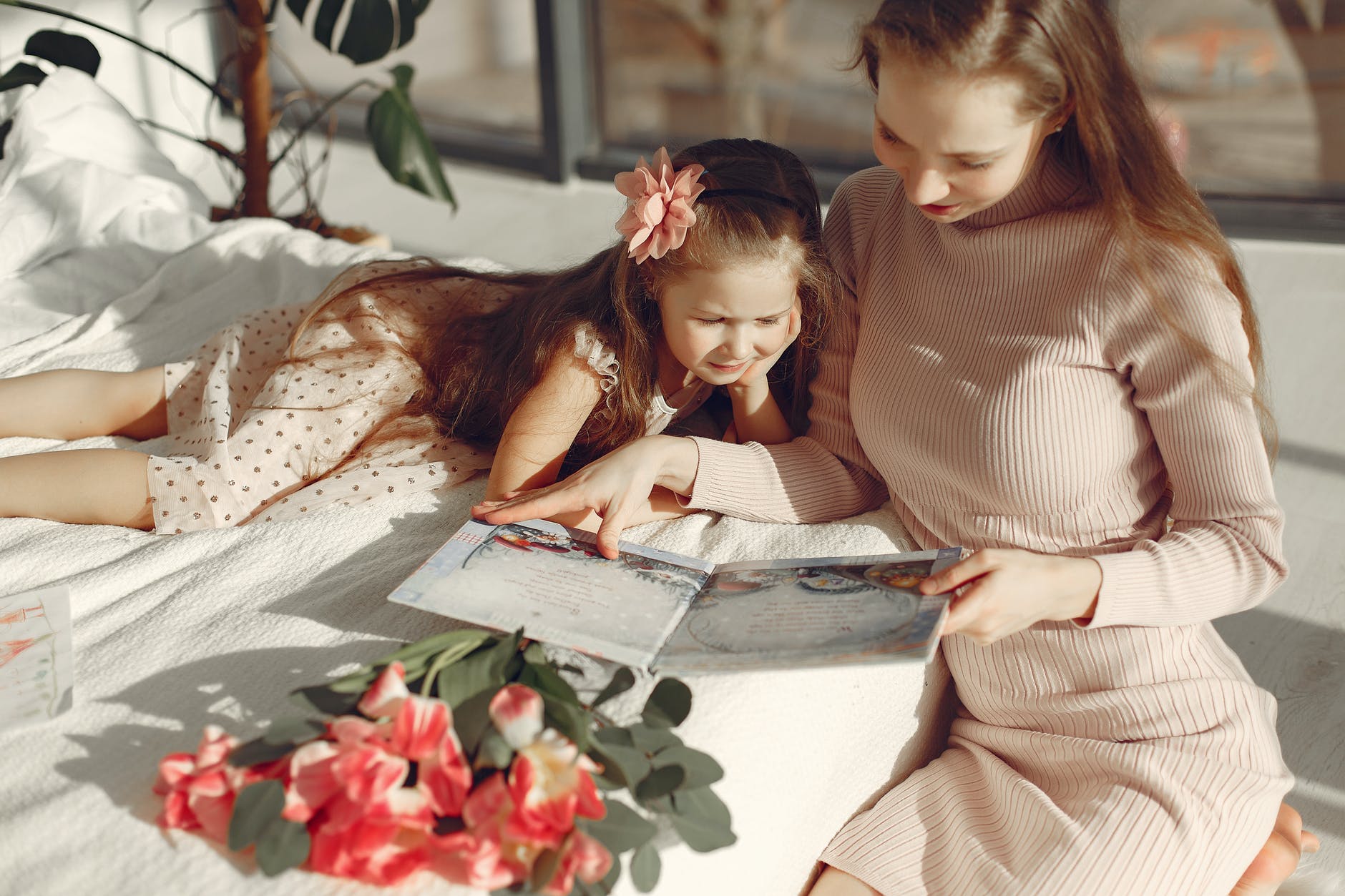
When I search the free photo library for images to include in my blog articles, I always come across so many beautiful photographs. I never get the chance to use most of these. I thought I would share some here instead, to act as style inspiration. Absorbing beauty can help us recognise what makes something beautiful and to then replicate that in bringing together our own outfits. The following photographs are also a celebration of women and femininity. Depending on your internet, you may have to be patient while they load as I’ve shared a lot of images. I hope you enjoy!

Which photographs do you most feel drawn to? Do you recognise any themes in femininity? Have a beautiful and inspired day, my sisters around the world!

German Style Secrets

Germany isn’t known for being a centre of fashion in the way that France and Italy are, yet it still has its own distinct style. I find it interesting to use style as a lens through which to look at a culture. What is sought for in beauty reveals something about the underlying values shaping that culture. A generalisation, maybe, but starting with stereotypes can lead to more subtlety later.

Previously a collection of many small kingdoms and dukedoms, Germany wasn’t united as a single country until 1871. Later divided again in the aftermath of the Second World War, it was once more reunified with the fall of the Berlin Wall in 1989. It was a decade later around the year 2000 that Berlin began to establish itself in the international fashion scene, and the Berlin Fashion Week was first held in 2007. Germany’s history had caused many setbacks to its fashion development. For example, when the Nazis had been in power they had destroyed many clothing stores because most of those had been run by Jewish people. This had long-term implications for German fashion, which its industry is still trying to recover from.

Nowadays German style is relaxed and casual, yet also well put together. They have plain good style, and tend to be practical with no fuss to get things done efficiently. German style puts an emphasis on being honest, minimalist, authentic, and natural.

‘Berlin’s entire creative fashion industry, once so heavily Jewish-dominated, was destroyed. The effects of that destruction remain to this day, more than 70 years later. In trying to resume its place at the pinnacle of the fashion world, Berlin design companies are now struggling to find new talent.’

Dina Gold

German women tend to wear more natural, earthy, sober colours. Colours such as brown, khaki, black, and grey are popular. They usually don’t strive to stand out. The Germans are egalitarian and strongly value their privacy, so they tend to be more reserved than other cultures. When they do use other colours, they prefer softer natural shades rather than very bright ones.

German style focuses on functional quality with plain good style and elegant lines. Their outfits are well-put-together and organised, yet very relaxed and casual. German style is practical, comfortable, and simple, with attention paid to being thrifty and sustainable. High-waisted jeans are common as are other pragmatic pieces such as trainers.
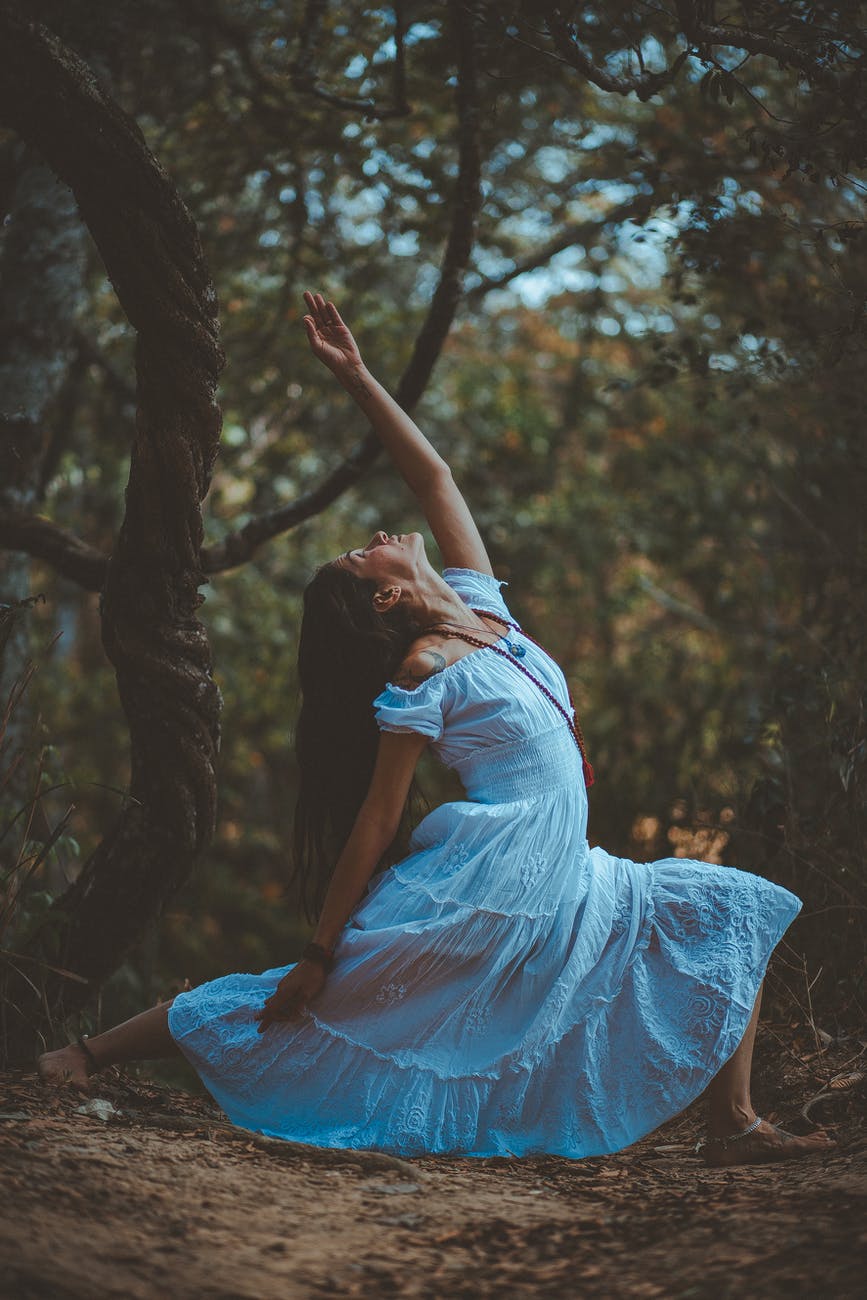
Layers are popular in winter, combining different textures whilst keeping warm. Quality leather boots and big scarves are also widely seen.

If you want to dress like a German woman or blend in like a local whilst visiting Germany, three words to bear in mind are: practical, earthy, relaxed.

Learn More

Italian Style Secrets

Italian fashion gained influence and popularity among powerful families across Europe during the Renaissance of the fifteenth and sixteenth centuries. The Renaissance originated in Italy and marked a transition from the Middle Ages to the modern period in Europe. Italian fashion during this era took pride in being extravagant and expensive, but then declined in the seventeenth century when French fashion became more popular.

Italy was united as a single country in 1861 and the influences of culture, art, history, and fashion contributed towards the building of a united national identity. The Italian fashion scene was influenced by modern designers such as Prada in 1913, Gucci in 1921, Armani in 1975, Versace in 1978, and Dolce & Gabbana in 1985. These high status brands became popular among those who could afford them, especially celebrities, but they also influenced Italian style in general. After the Second World War, Italian style regained worldwide popularity during the 1950s and 1960s, and Milan become recognised as an international fashion capital.

For a generalised comparison, whereas French women aim to look effortlessly elegant, Italian women embrace a more dramatic glamour. The Italian style of bella figura is glamorous, subtly sensual, confident, classy, and yet slightly edgy as well.

‘What is the fatal charm of Italy? What do we find there that can be found nowhere else? I believe it is a certain permission to be human, which other places, other countries, lost long ago.’

Erica Jong

Italian women take pride in standing out and put effort into looking good. They make sure their outfits are well put together and groomed, with good quality fabrics and design. They tend to wear clothes that are well-fitting and tailored enough emphasise their curves, but without being too tight or having too much bling. Stylish Italian women stay classy yet subtly sensual by balancing their outfits to not show too much skin. Some parts of Italy can be quite traditional and it tends to be more conservative than other cultures, such as America for example.

Italian women tend to be stylish yet understated in their approach, often with just one statement piece in outfit. More subdued, darker colours (such as black) are popular in Milan and the north of Italy, whereas bolder, brighter colours (such as a bright red jacket) tend to be worn in southern Italy. A good general guide is to wear complementary colours then add a pop of a brighter colour to the outfit.

Accessories are generally popular amongst Italian women, with a pair of stylish sunglasses being a bonus. They choose smart, often coordinating, shoes and handbags to bring their outfit together. Quality leather shoes, sandals, or boots are the most common go-to choice depending on time of year. Comfort is also very important in Italian women’s choice of shoes because Italy is filled with beautiful, old, cobbled streets and they don’t want to twist an ankle!

In autumn and winter, the Italians keep warm and combine different textures with multiple layers and long scarves. Leather jackets, long elegant coats, or faux fur are also frequently seen, and Italian women tend to choose coloured trousers rather than always wearing blue jeans.

Perhaps the key to the stereotypical Italian style is its attitude of confidence. Italian women dress with drama, flair, class, exuberance, and confidence in their own bodies and femininity. They enjoy statement pieces and glamour, yet tend to be more traditional in sticking to what they know works rather than being the first to make all the creative risks.

If you want to dress like an Italian woman or blend in like a local whilst visiting Italy, three words to bear in mind are: glamorous, classy, flair.

Learn More

French Style Secrets

France has been renowned as a centre of fashion since the time of Louis XIV, who was known as ‘the Sun King’. During his reign in the 1670s, fashion prints began to be distributed around Europe to publicise French achievements. The extravagant styles of the French royal court contributed towards the French Revolution of 1789, after which the fashion became more simplified and inspired by Ancient Greece and Rome. France later renewed its dominance in haute couture between 1860-1960, when the first couturier houses and fashion press were set up in Paris.

During the twentieth century, French fashion was influenced by new French designers such as Coco Chanel, who in 1925 promoted a simple elegance with items such as the little black dress and Breton striped tops. After the end of the Second World War and France’s liberation from Nazi invasion, French fashion returned to prominence again with designers such as Christian Dior in 1947, Givenchy in 1952, Coco Chanel’s return to Paris in 1952, and Yves Saint Laurent who expanded mass manufacturing and marketing from 1966. Nowadays Paris is still referred to by many as ‘the world’s fashion capital’.

Today, the Parisian chic style is described as sophisticated and elegant, classy yet nonchalant, polished but ultimately effortless. It’s a beautiful style that is popular with many in France, yet I feel like there’s also a particularly American, mythologised concept of the ‘French Girl’. The stereotype’s been turned into a marketing ploy, overrun with clichéd phrases such as French women having a certain ‘je ne sais quoi‘ – a saying so overused that for some reason I find it almost grating. We need to remember that there is an element of myth or stereotype to the Parisian chic style, but that said, there is something to be learnt from looking to the customs of other cultures.

I interpreted all of this to mean that a Parisian woman does not see fashion as the ultimate expression of herself but rather as complementary to her mind, her talents, her opinions, and therefore it doesn’t need to be outlandish.

Lindsey Tramuta

The Parisian chic style is based on being elegant and well-groomed, whilst embracing your ‘imperfections’ with confidence. It is about timeless style rather than fast fashion, so looks to long-lasting classic pieces instead of fleeting trends. Many items are inter-generational because they believe that good style isn’t limited by age. Heirloom jewellery with sentimental value may be inherited from mothers or grandmothers, and French women tend to invest in quality over quantity. They may have relatively few items of clothing compared to some other cultures, but those they do have will last and are well-integrated with the rest of their wardrobe, allowing more outfit combinations.

French women usually prefer neutral colours such as navy, black, white, grey, denim blue, and beige. The overall impression is one of harmony, balance, and refined simplicity. It’s polished and well put together, with coordinating colours and well-fitting clean lines. Any bright colours or patterns will be balanced out with more neutral items in the rest of the outfit so that nothing clashes and its not too busy. Stick to just two or maybe three colours and no more than one patterned piece at a time.

Parisian chic is a classy standard for all occasions, as French women will tend to make only minor alterations instead of dressing up or down in the way that some other cultures (such as the British) do when going out in the evening. French women have a higher base standard of being well-groomed and harmoniously-dressed all the time but are then relaxed or nonchalant about it, coming across as effortless because it’s become their norm.

What makes Parisian chic style stand out is the attention paid to little details that make a subtle difference. These often give a slight twist and cool edge to an otherwise simple ensemble. This could be combining different textures in a neutral-coloured outfit, or adding a pop of bright colour such as red with accessories, or choosing items with subtle detailing that makes them a slight twist on a classic piece. Style is shown in noticing and paying attention to the details, rather than striving to stand out in some outlandish pattern or garish colour.

If you want to dress like a French woman or blend in like a local whilst visiting France, three words to bear in mind are: sophisticated, effortless, detailing.

Learn More:

Decoding Dress Codes

I thought today we’d talk about dress codes. Although usually only formal invitations state a dress code, all occasions have some expected level of appropriate dress. Most of the time we intuitively recognise these, but it can still be tricky to know what to wear. Understanding what the different levels of formality are and what they each require can be helpful. This knowledge is a framework to judge what level of formality is expected. There is some fluidity within levels and most forms of dress can be amalgamated into it as the equivalent of some level in the scale.

The formality levels of Western dress codes are:

  1. White Tie
  2. Black Tie
  3. Morning Dress
  4. Lounge Suits / ‘Formal Business’
  5. ‘Formal’ Smart Casual / ‘Business Casual’
  6. ‘Informal’ Smart Casual
  7. Casual
  8. ‘Old Clothes’

Expectations for men’s clothing are generally quite clear cut, especially at the most formal levels, where it’s strictly defined. Ladies’ clothing, by comparison, is open to wider interpretation. This is more challenging but also gives greater creativity and variety – as can be seen at white and black tie events, when the dress code allows the ladies to stand out in their beautiful bright gowns against the monotone uniformity of the gentlemen.

White Tie

White tie is the most formal of Western dress codes and is rarely seen nowadays. ‘White tie’ will always be stated on the invitation and it is only worn in the evening, after 6pm. It is reserved for only the most formal occasions. White tie may be worn at certain royal ceremonies, state banquets, high society balls, and livery dinners. It may also be called ‘full evening dress.’

Gentlemen: black single-breasted tailcoat; black trousers; white shirt with wing collar; low-cut white evening waistcoat; white bow tie (hence the name ‘white tie’); cufflinks; studs; black lace-up shoes; black socks; in winter a black overcoat and white silk scarf are optional.

Ladies: full-length formal evening dress or ballgown; dresses traditionally show décolletage; finest jewellery; tiaras may be worn by married women only; small evening bag; long evening gloves (which should be removed before eating); evening coat, cloak, or wrap.

Black Tie

Black tie is much more commonly seen than white tie, although it is still only worn for semi-formal evening events after 6pm. Black tie may be worn for public or private dinners, balls, parties, awards ceremonies, and high society events. Although referred to as ‘semi-formal’ (in comparison to the more formal white tie), these are still very formal events. Black tie may also be referred to as ‘dinner jackets’ or, in America, as ‘tuxedos.’

Gentlemen: black single-breasted dinner jacket; black trousers; white evening shirt with turned-down collar; cummerbunds or waistcoats are optional; black bow tie (hence the name ‘black tie’); studs; black lace-up shoes; black socks; a white handkerchief in the left breast pocket is traditional.

Ladies: long evening dress or cocktail dress; palazzo cut evening trousers may be an alternative option; voluminous dresses or very tight dresses are both inappropriate for sit-down dinners; sheer or black tights; fine jewellery; evening bag; evening coat.

Morning Dress

Morning dress is the daytime equivalent of white tie, for formal events starting before 6pm. It may be worn at some official functions, weddings, formal daytime events, and social season events such as the horse races. Morning dress is no longer commonly worn, so the events that it is worn for are special occasions.

Gentlemen: black or grey single-breasted morning coat; grey or grey and black-striped trousers; white or light-coloured shirt with a white turned-down collar; waistcoat; tie; cufflinks; a tie pin is optional; smart black shoes; a grey or black top hat is worn at certain events; a handkerchief in the left breast pocket and an understated buttonhole are optional.

Ladies: smart day dress or skirt; dresses should be modest and shoulders should be covered; a tailored jacket, shrug, or shawl are optional in summer; daytime jewellery; shoes should be day- rather than evening-style (i.e. not too high heels); tights; hats or fascinators.

Lounge Suits / ‘Formal Business’

Traditionally lounge suits were considered ‘informal’, however nowadays it’s common for it to be the most formal level of clothing that the average person wears. It can be worn during both daytime and evening for most business events, as well as many social events such as dinners, lunches, receptions, christenings, weddings, and funerals. The term ‘lounge suit’ is used on invitations, whilst in conversation it is generally referred to as a ‘business suit’ or ‘dark suit.’

Gentlemen: dark single-breasted jacket; dark trousers; white or light-coloured shirt with turned-down collar; a single- or double-breasted waistcoat is optional (this is the difference between a three-piece or two-piece suit); belts should not be worn with a waistcoat; tie; smart shoes.

Ladies: smart day dress or skirt or trouser suit; dresses should be below the knee; shoulders should be covered; jacket or coat; daytime bag; for evening events, a smart dress or cocktail dress with an evening bag; if necessary, the same dress can be worn for day and evening, with a jacket removed and accessories added in the evening.

‘Formal’ Smart Casual / ‘Business Casual’

Smart casual is a rather vague term as far as formality of dress code goes. There is often an unspoken division between the more formal ‘smart casual’ and its more informal variant. An intuitive judgement will likely need to be made on this from what type of event it is for. Generally if it is a business situation, the more formal variant will be called for.

Gentlemen: jacket or blazer; flannels or needlecord trousers or chinos (not jeans); shirt with a collar; a jumper or sweater is optional if it’s cold; smart shoes; ties shouldn’t be required.

Ladies: smart day dress or skirt or trousers; jacket or possibly a cardigan; smart shoes; smart accessories optional; avoid high heels or suits; avoid denim.

‘Informal’ Smart Casual

One of the main differences from the more ‘formal’ smart casual is that ‘informal’ smart casual allows the wearing of denim. However, this denim must be smart and in good quality – no ripped jeans please! It is one level more dressed up than what you may usually wear around home, and should have the effect of looking relaxed yet polished. You want to look like you have made some effort!

Gentlemen: smart dark-coloured jeans; polo shirt or equivalent (not a collar-less t-shirt); generally informal but smart and clean and tidy.

Ladies: denim allowed but it must be immaculate and dark-coloured; nice top; flats rather than heels; not too dressy but well put-together and made an effort.

Casual

Casual wear most likely forms your everyday go-to outfits. It is comprised of anything not suitable for more formal dress codes. This may include t-shirts or shorts, for example, but just because it’s casual doesn’t mean it can’t be pretty. With a little forethought and planning of your outfits, perhaps the coordinating of accessories, you can still look elegant and well put-together.

‘Old Clothes’

Now this category isn’t included in any clothing scales I can find, but I think it’s helpful to recognise that there’s a level below casual. ‘Old clothes’ are things that you loved but which are now worn out. They don’t look too smart anymore, so you should avoid wearing them out in public, but they can be convenient for tasks at home. ‘Old clothes’ are what you can wear while gardening, decorating, or doing other such messy work when you don’t want to ruin your nicer clothes. The important thing is to recognise when items of clothing should be downgraded to this level, rather than allowing them to downgrade your whole style.