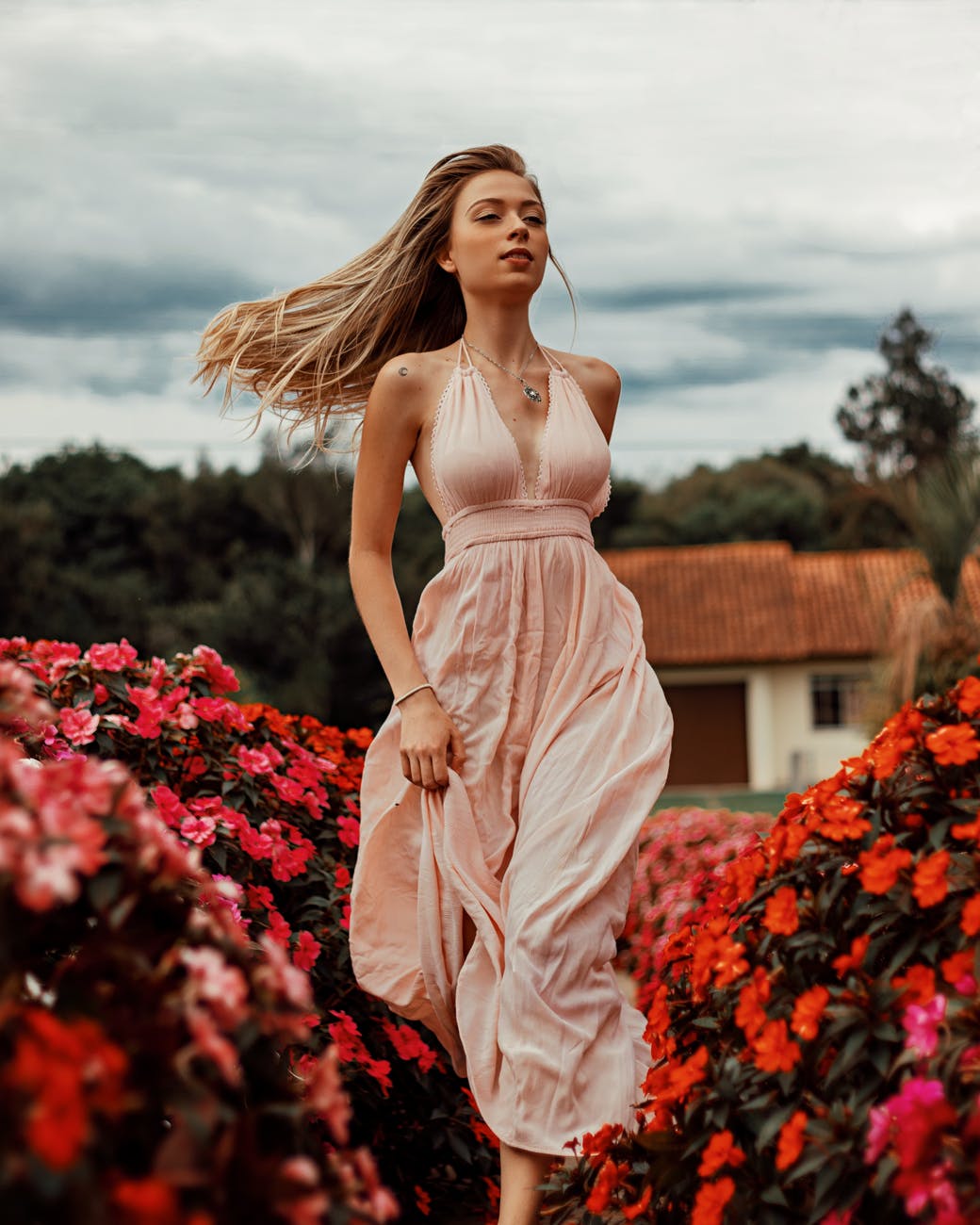
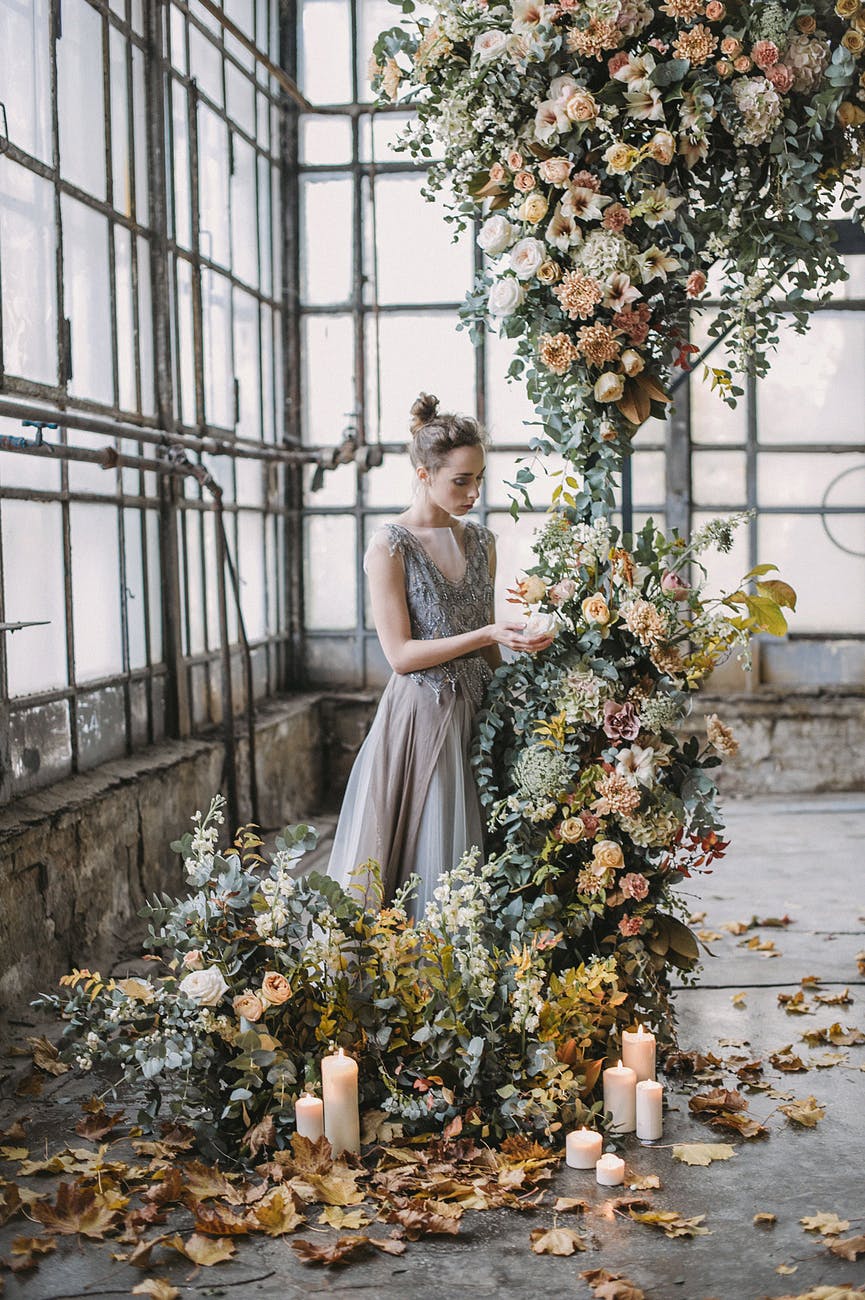
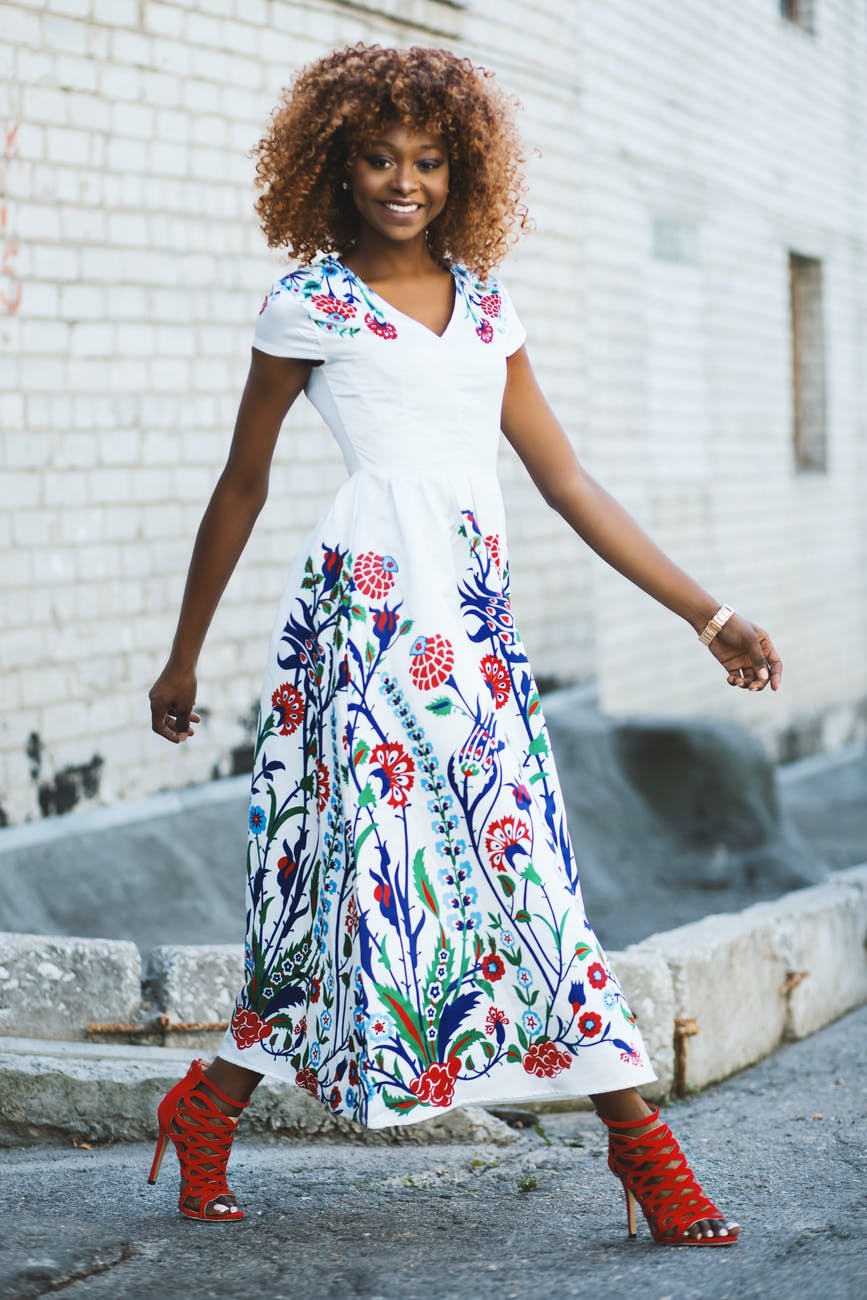
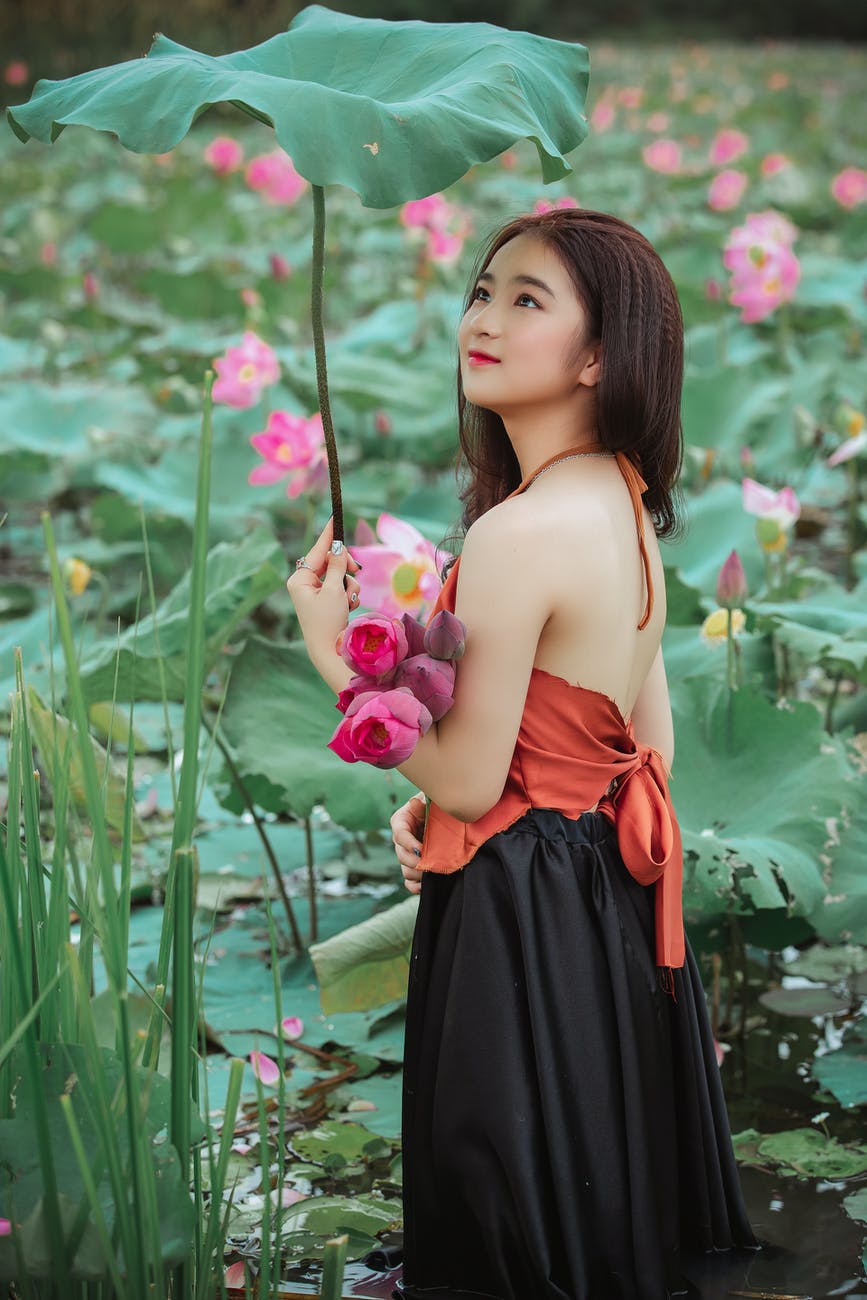
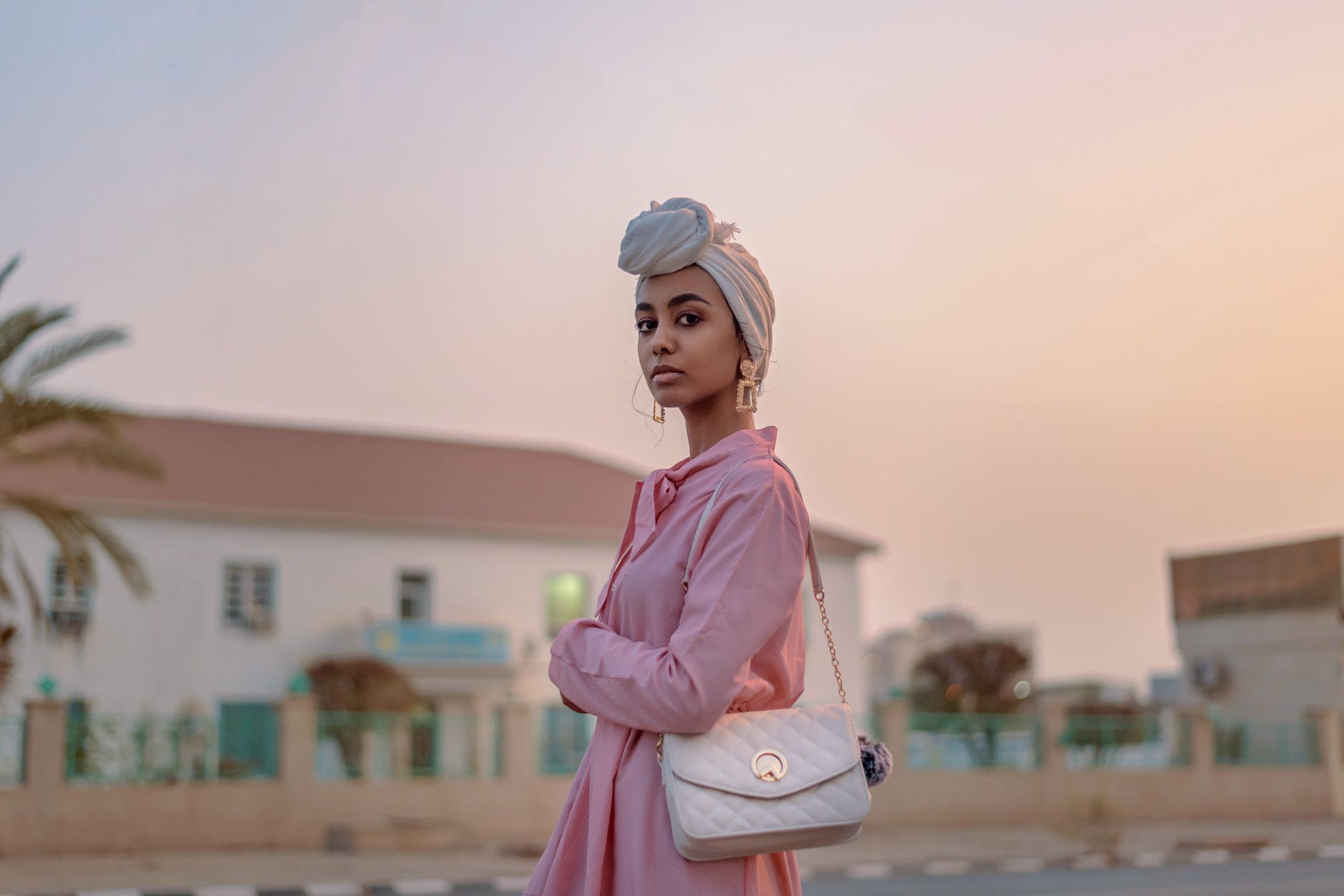
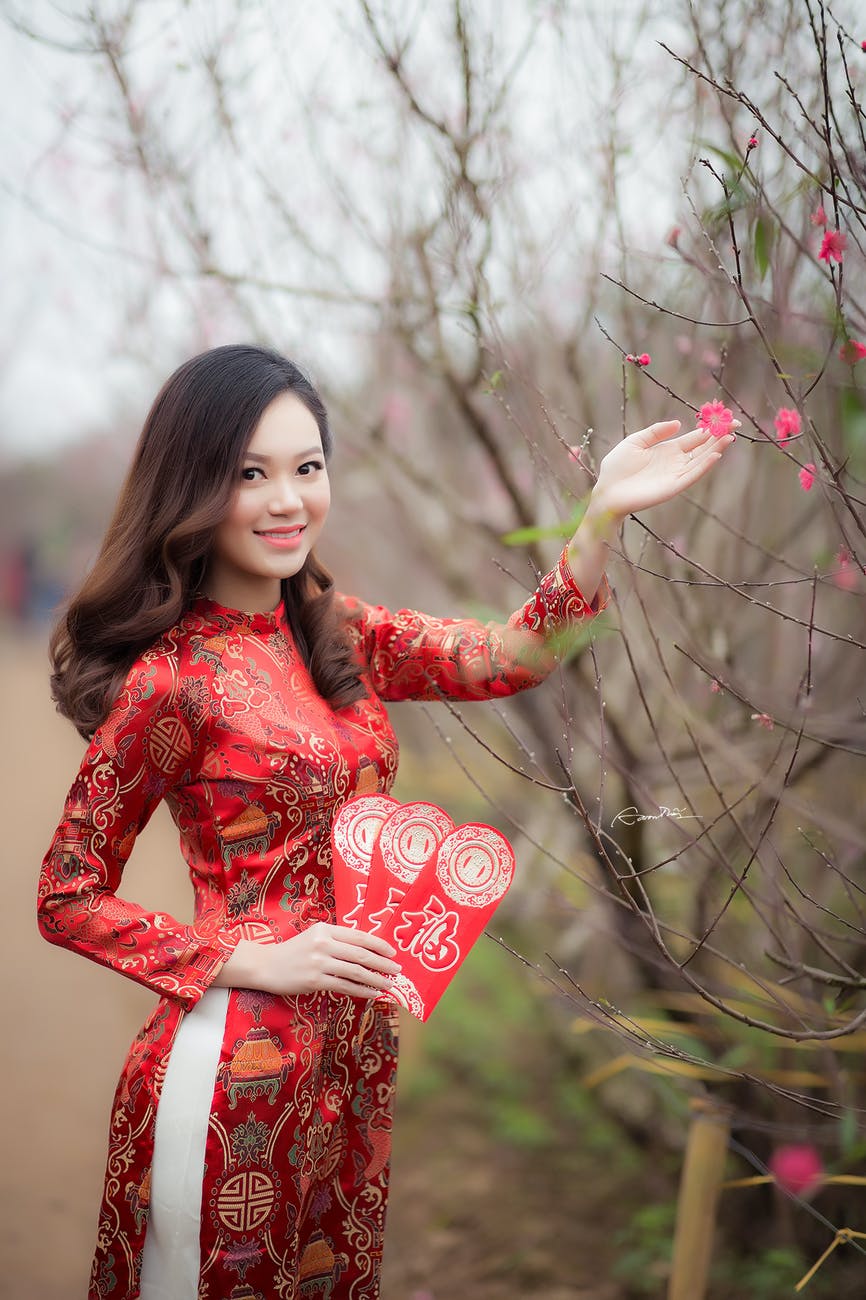
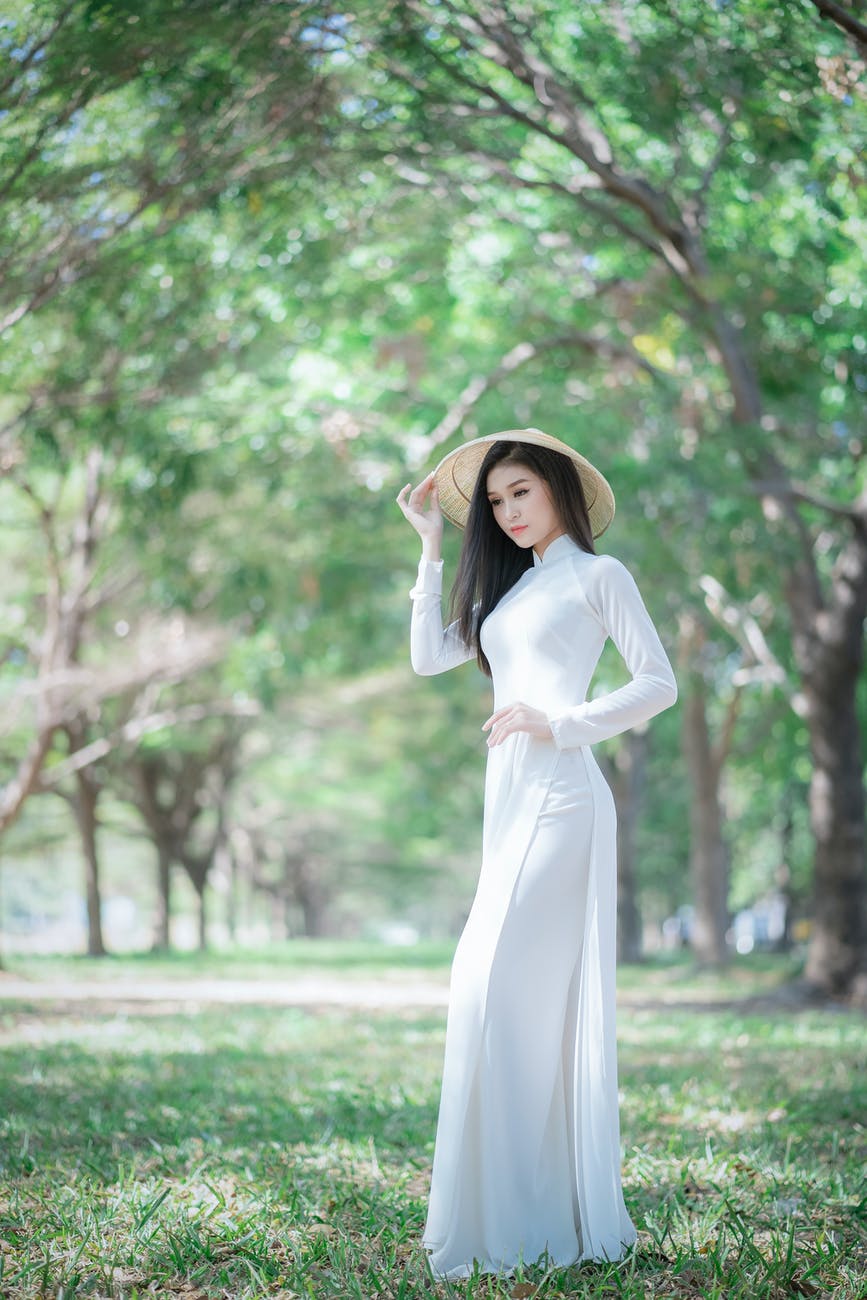
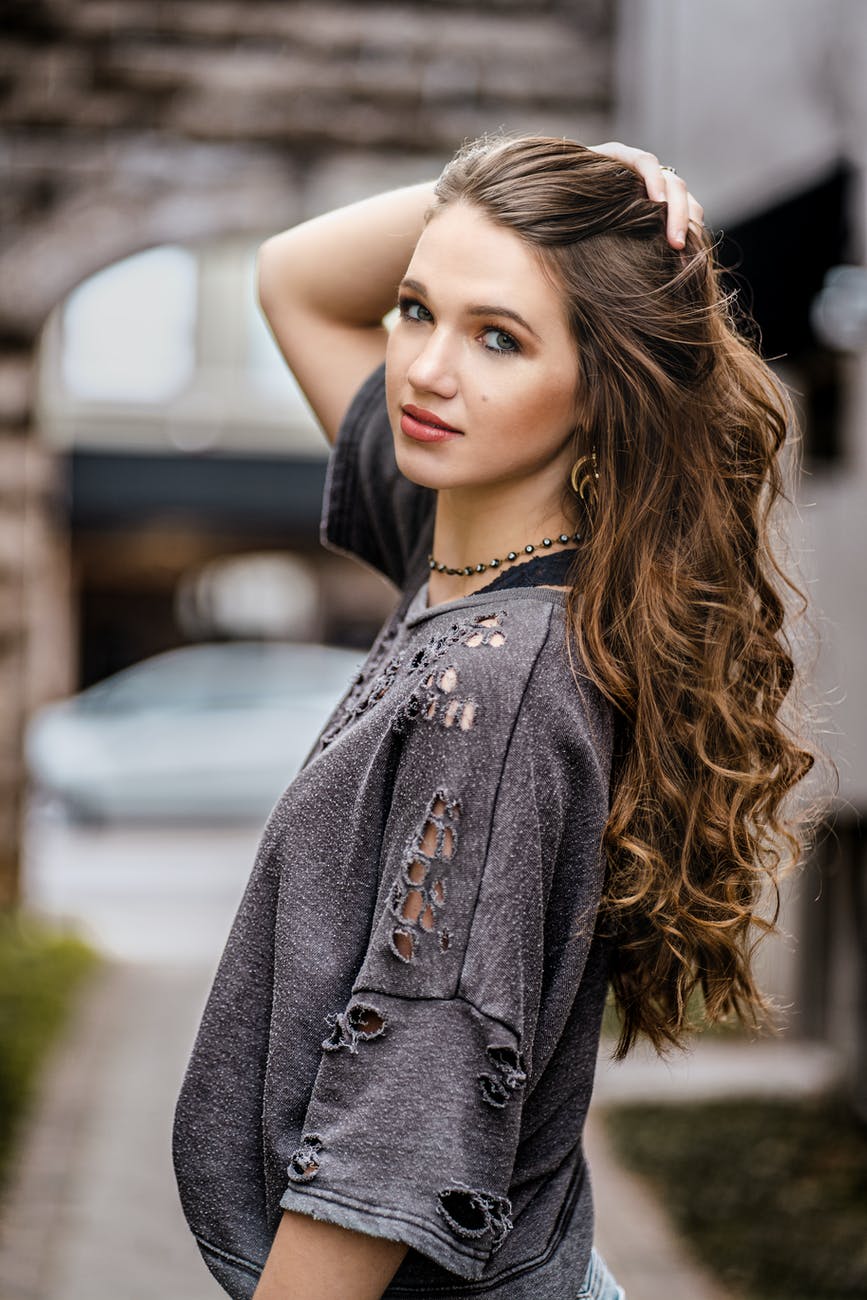
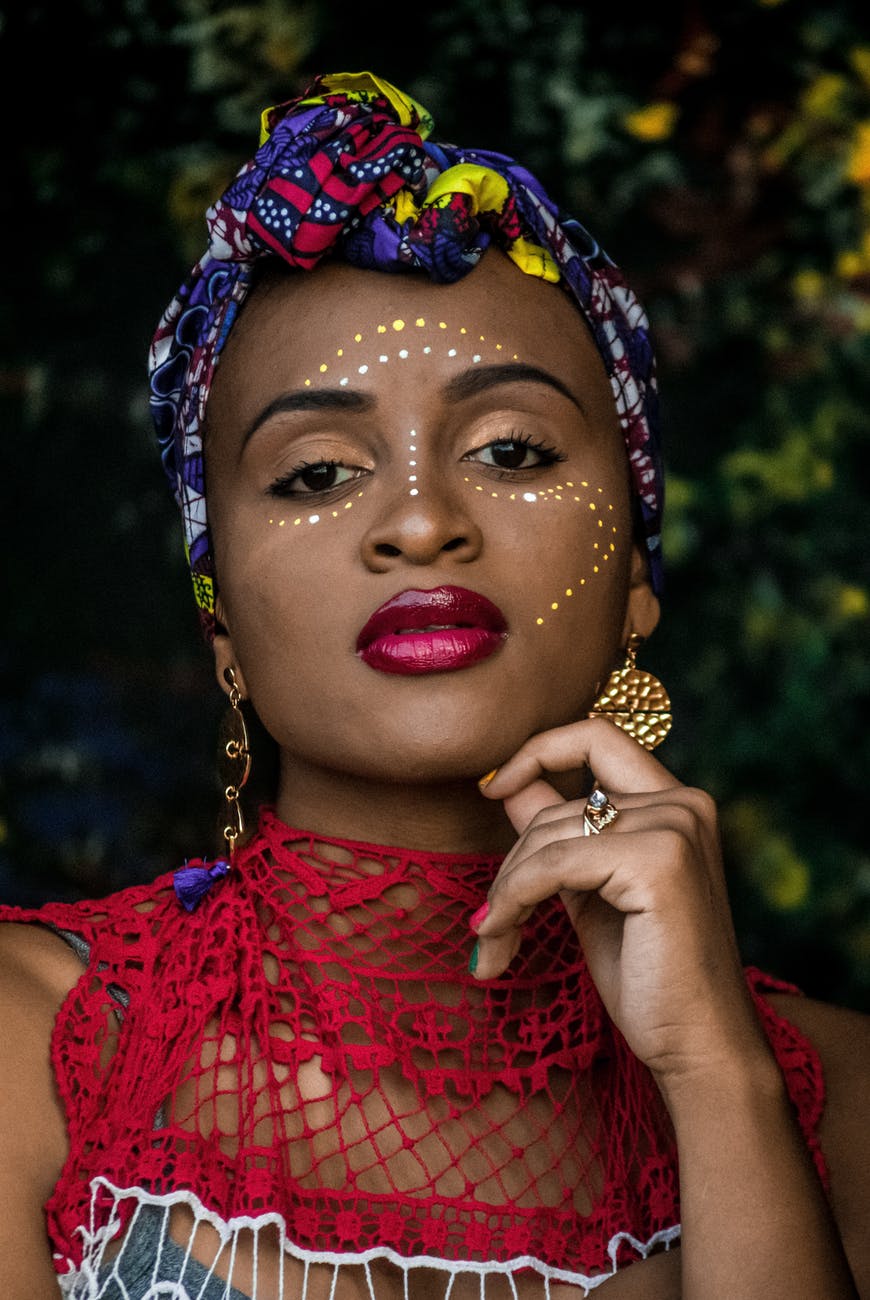
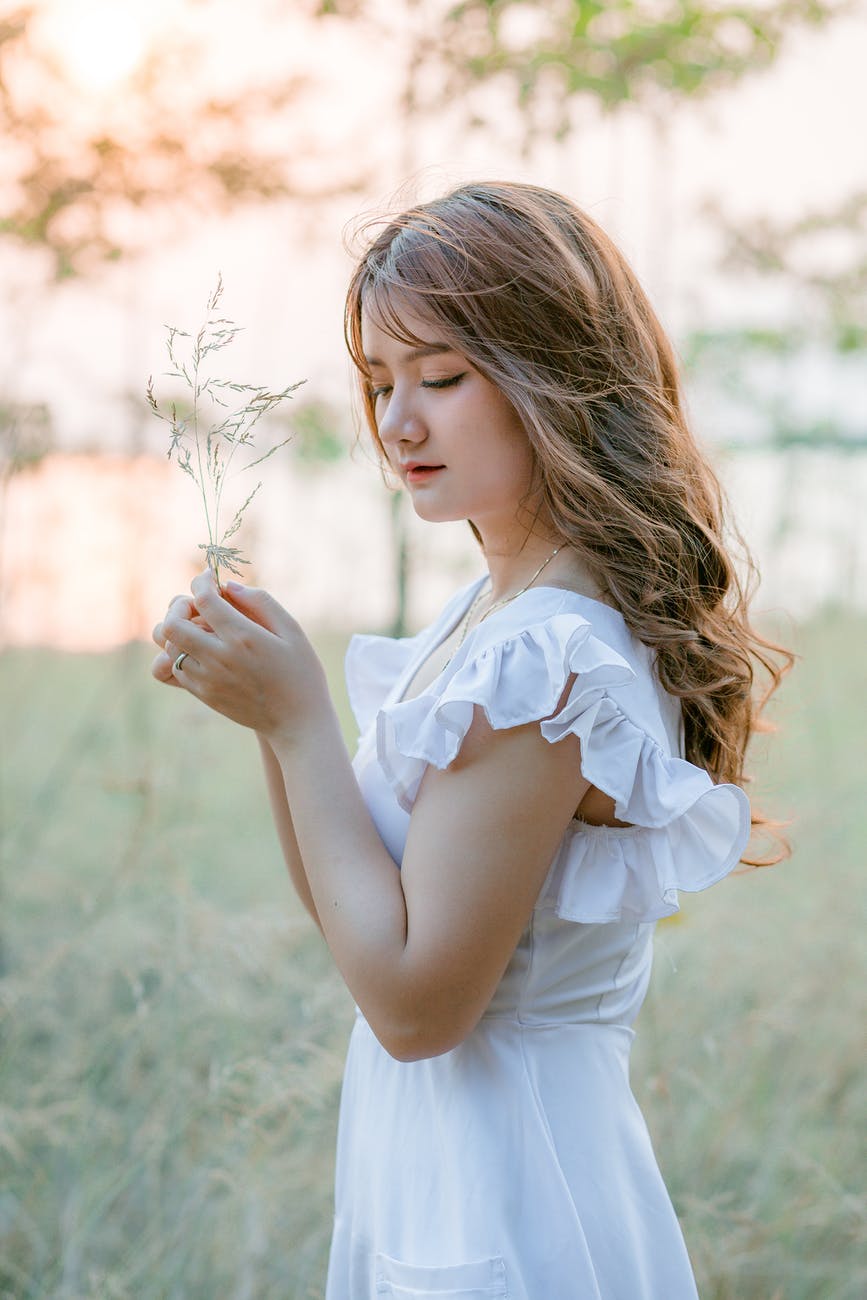
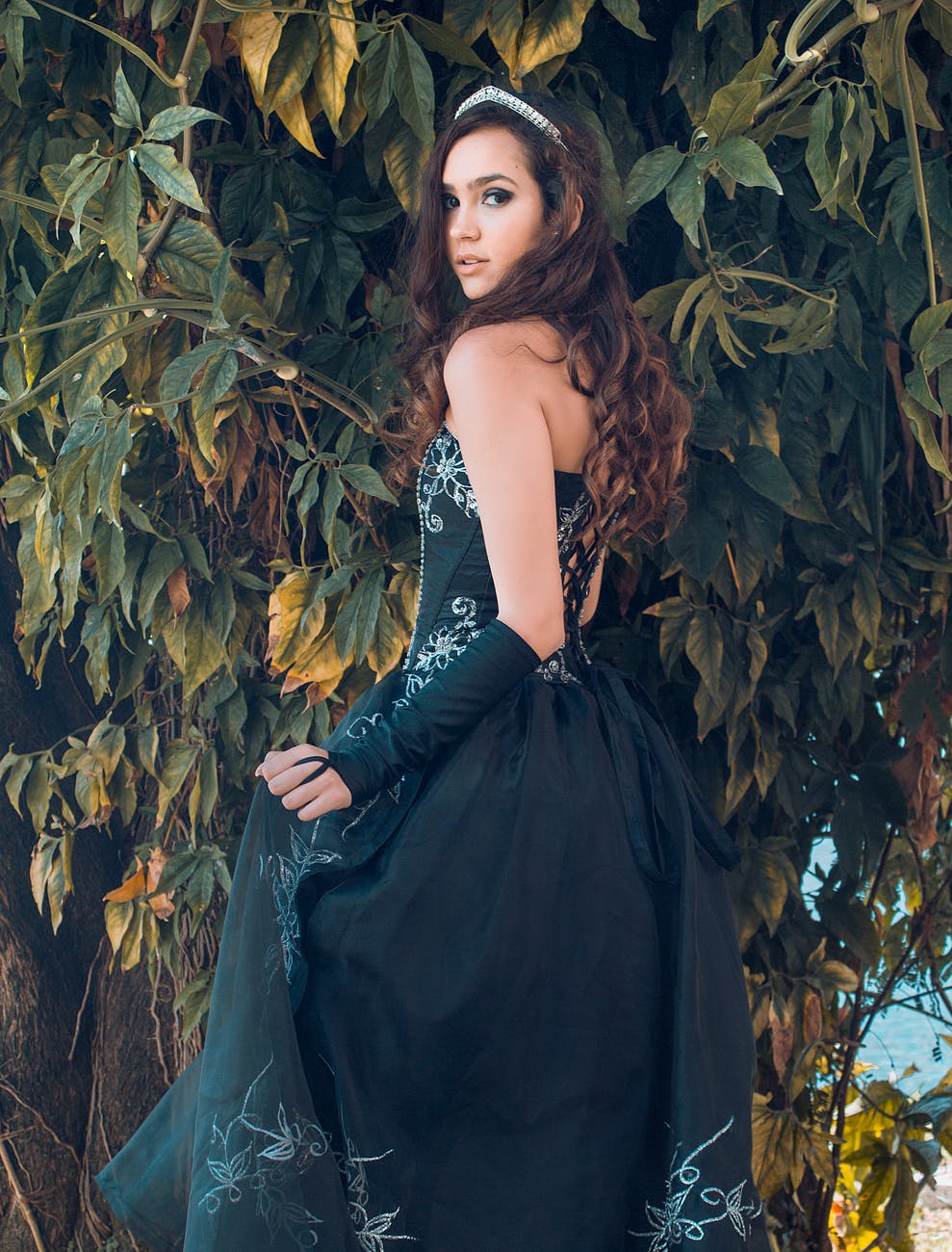
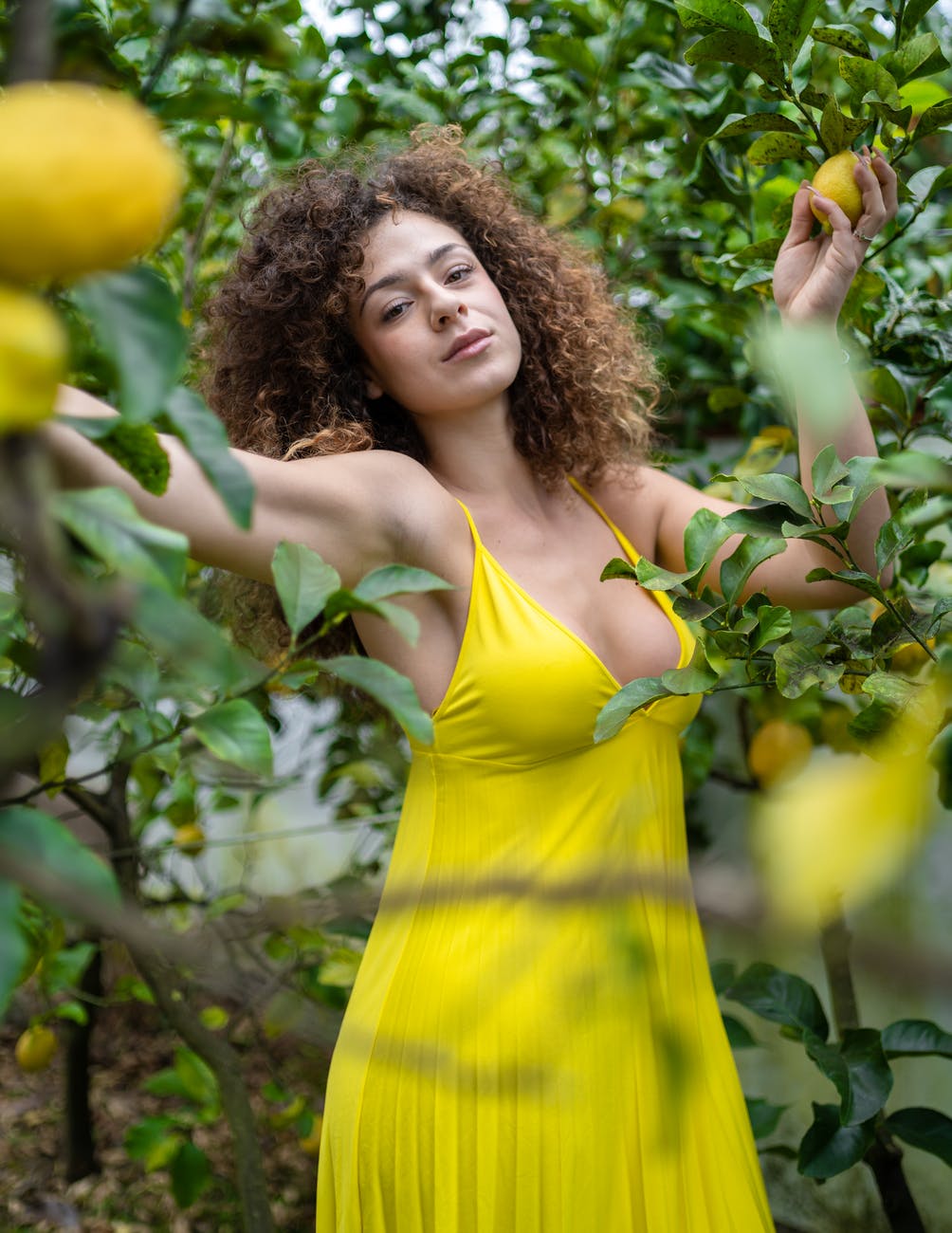
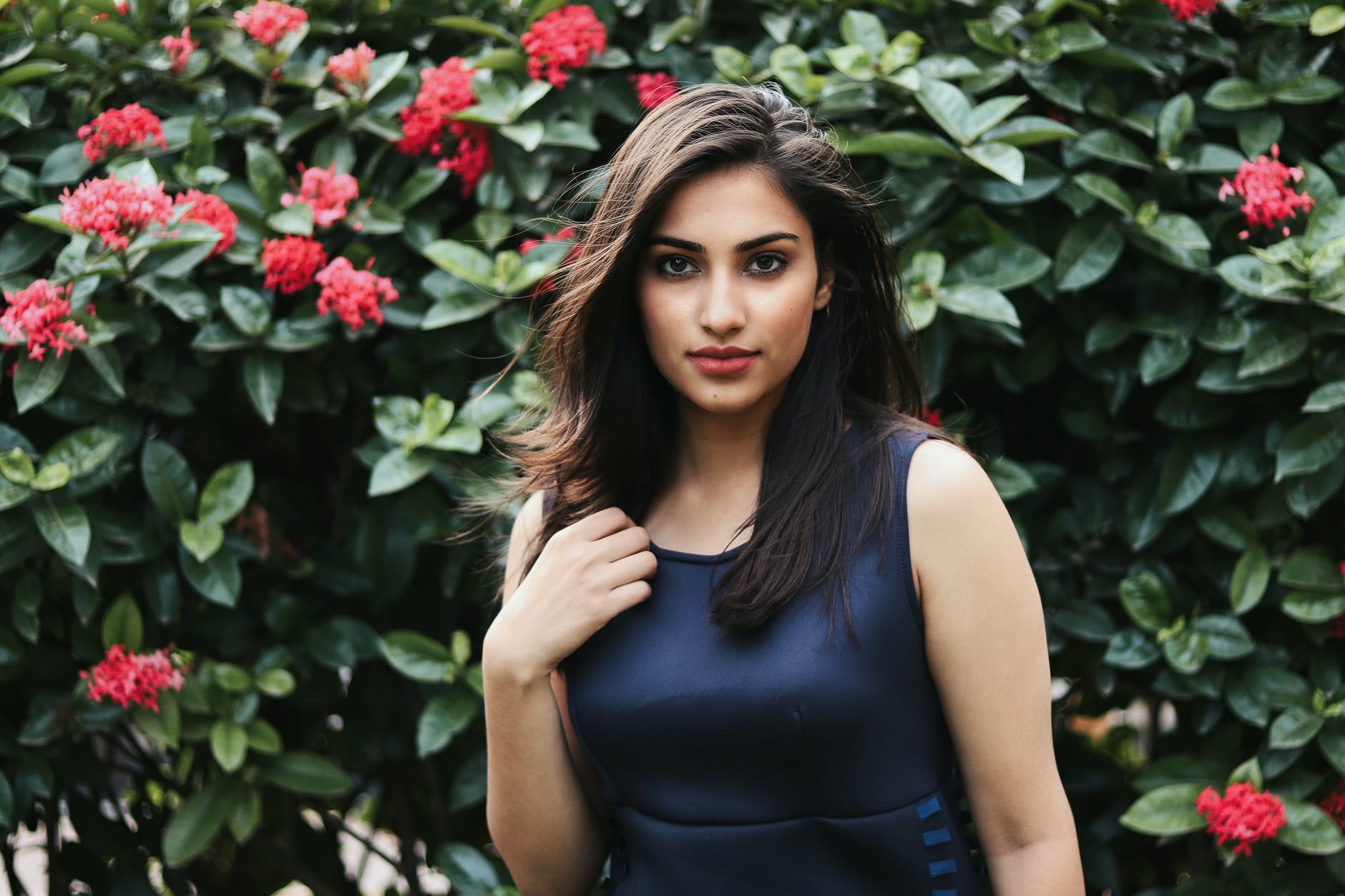
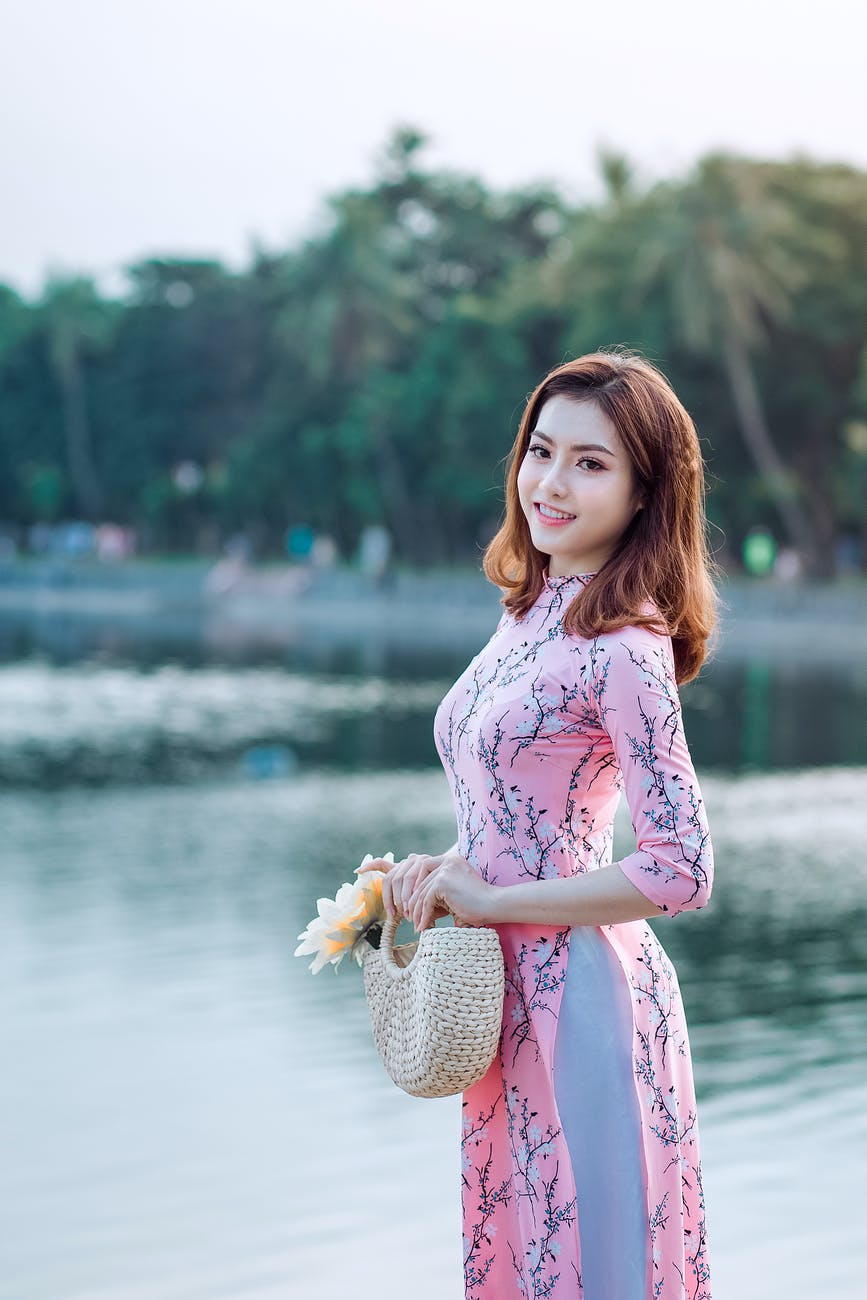
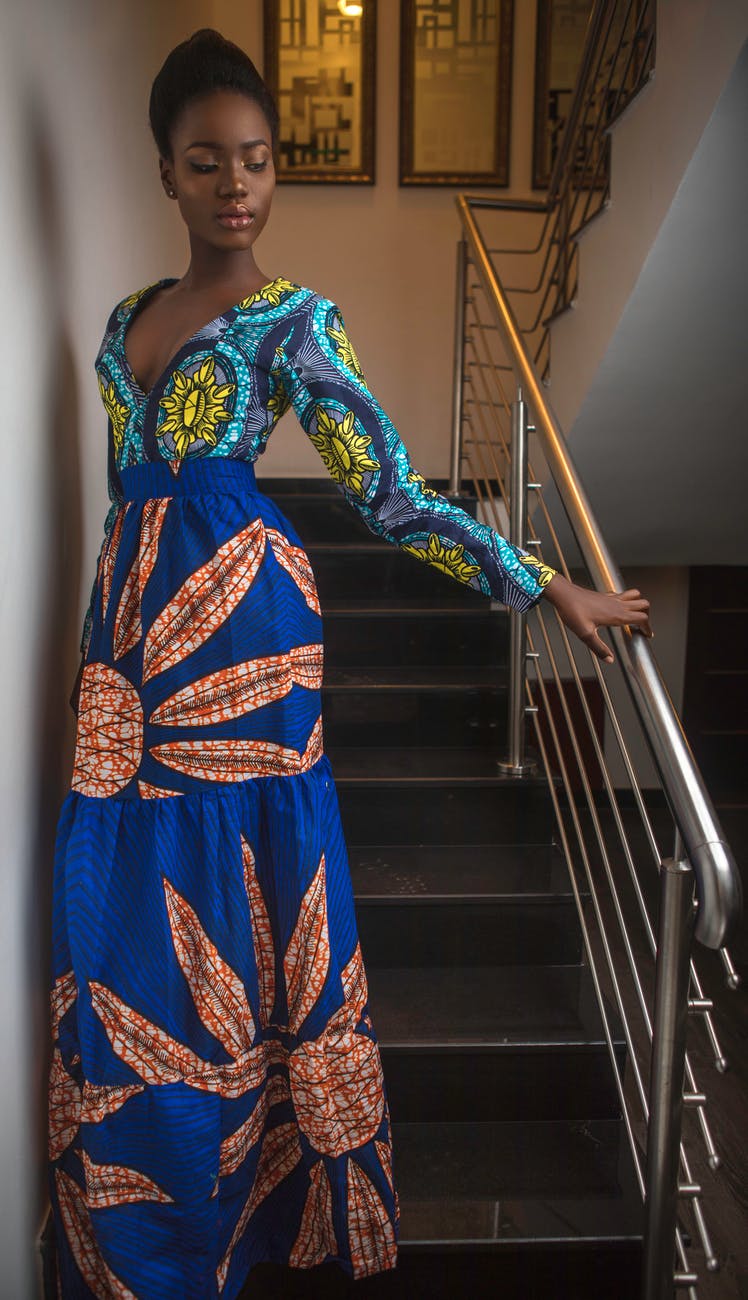
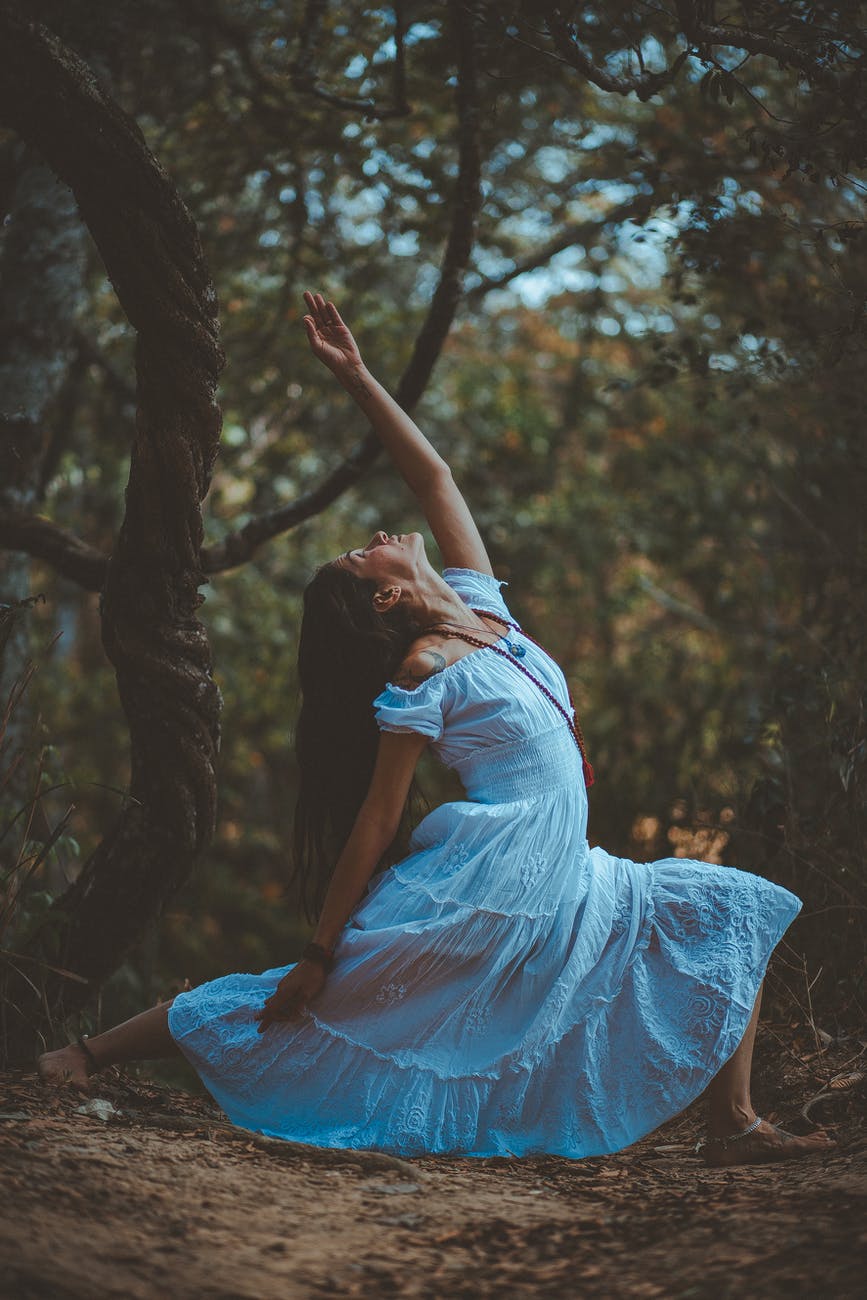
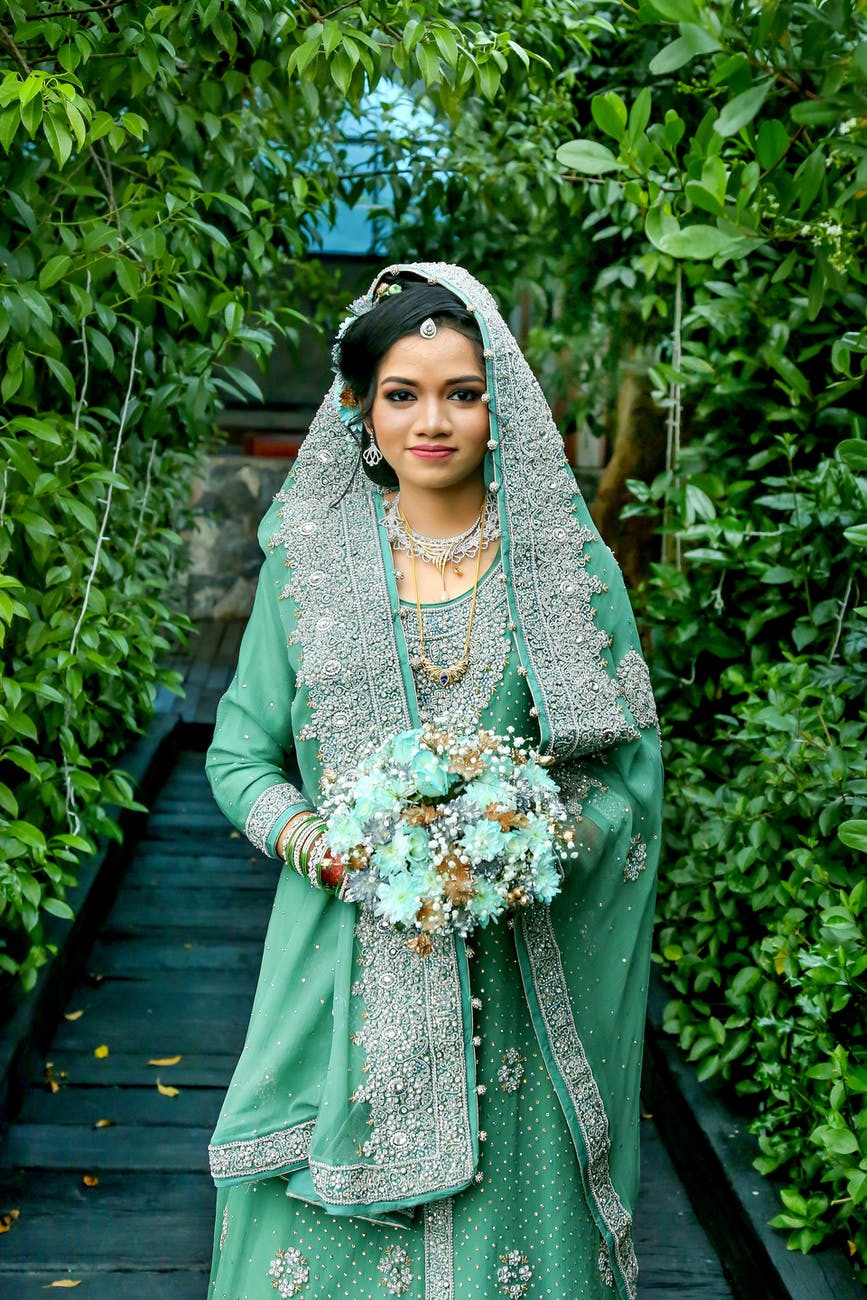
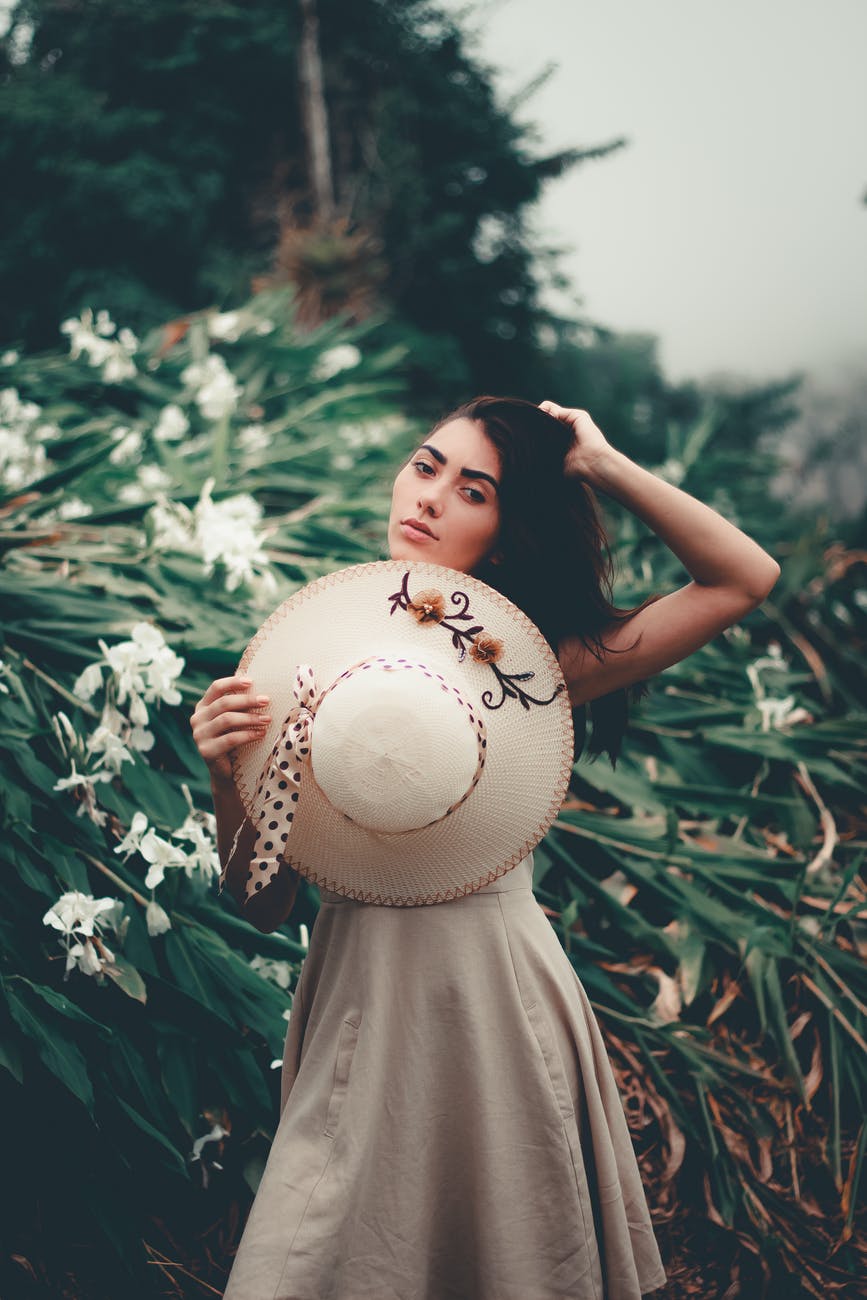
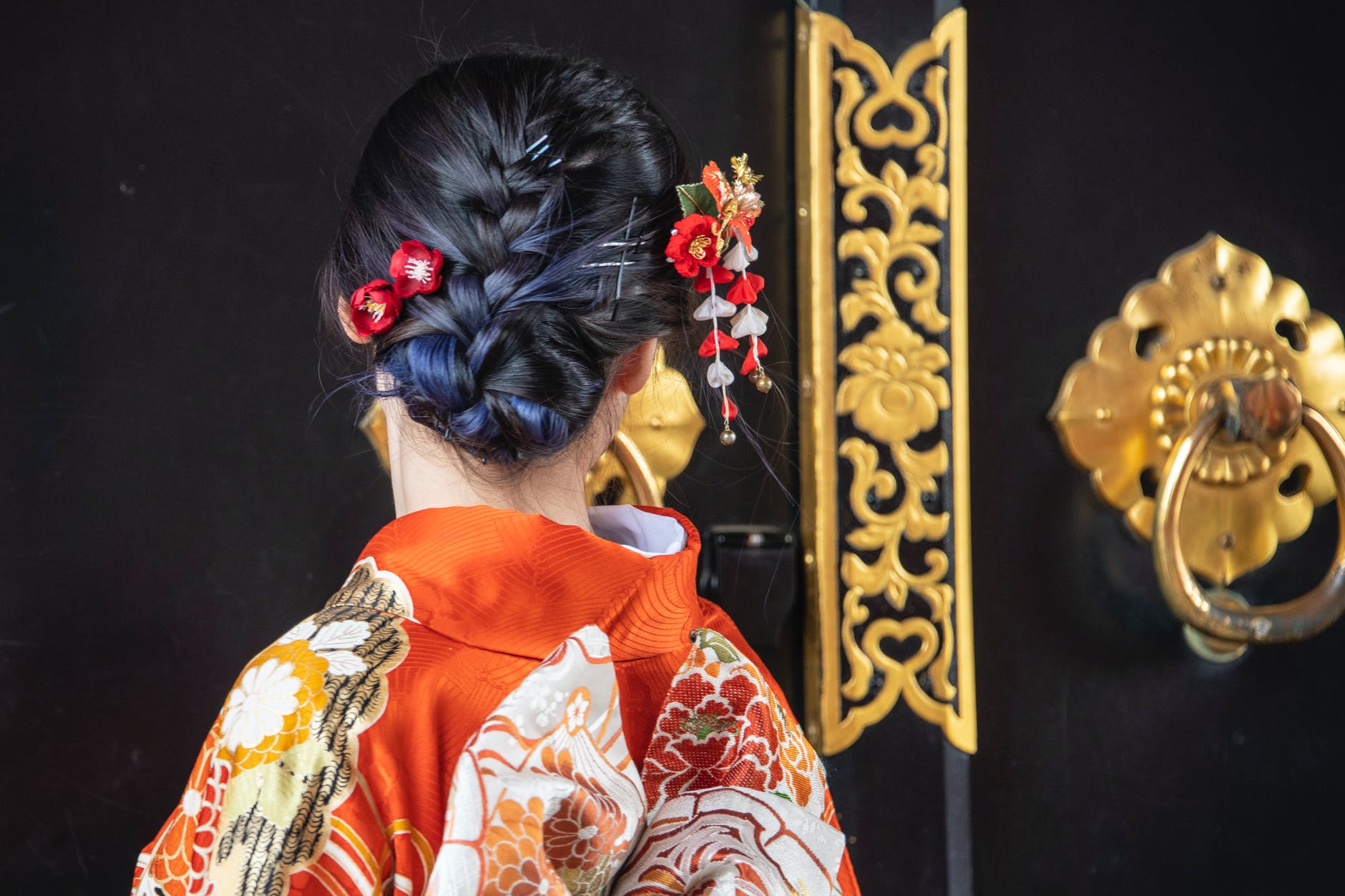
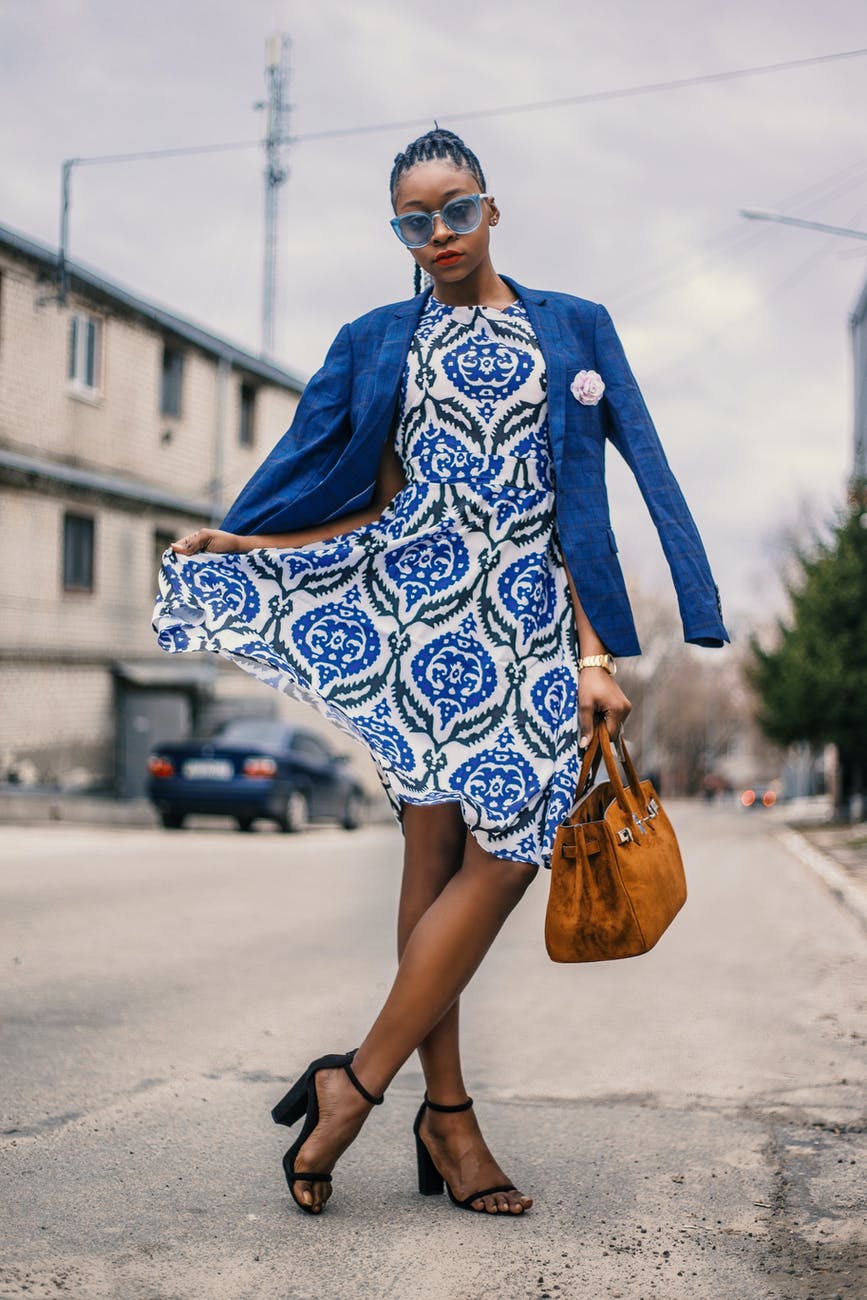
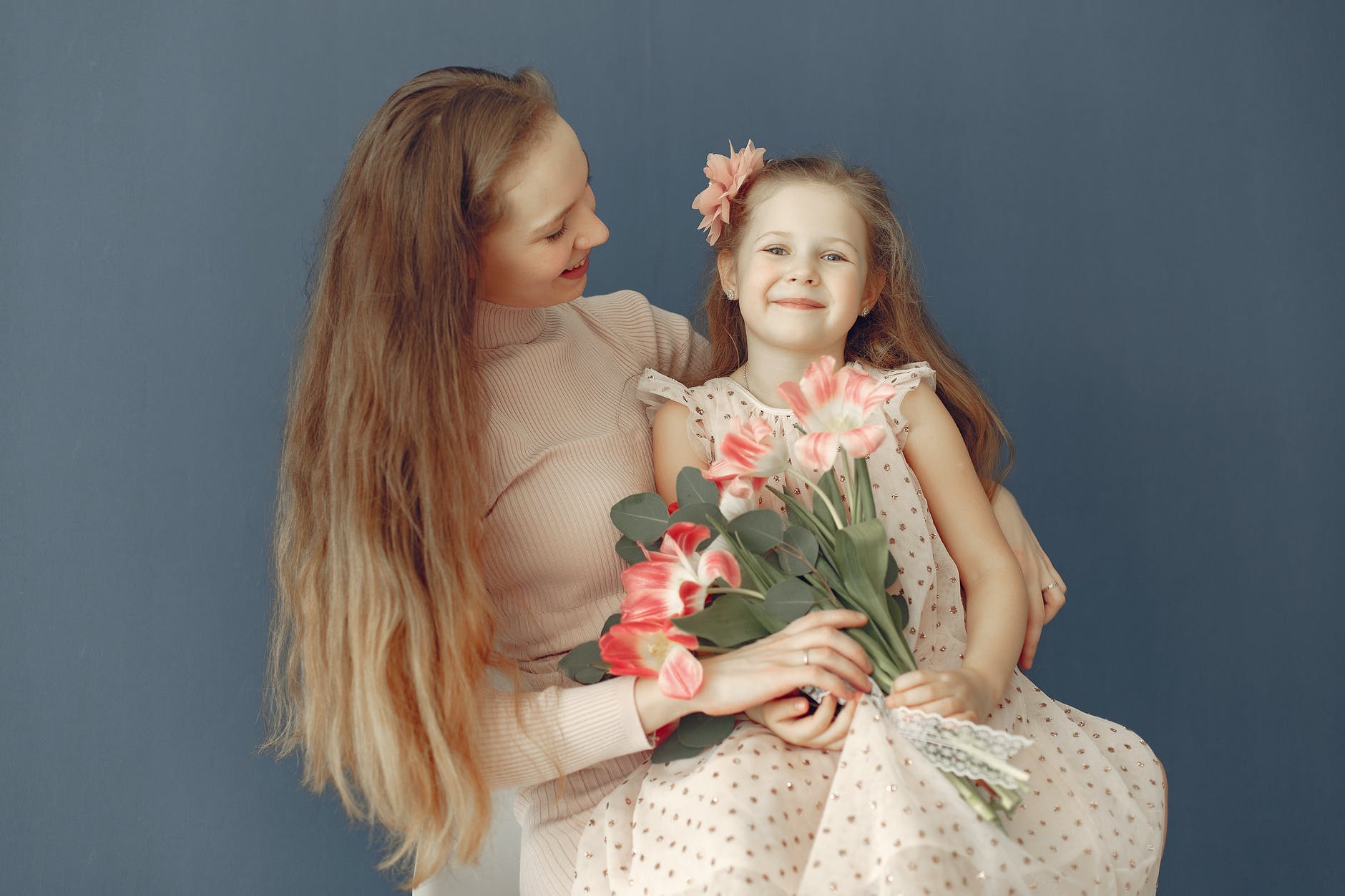
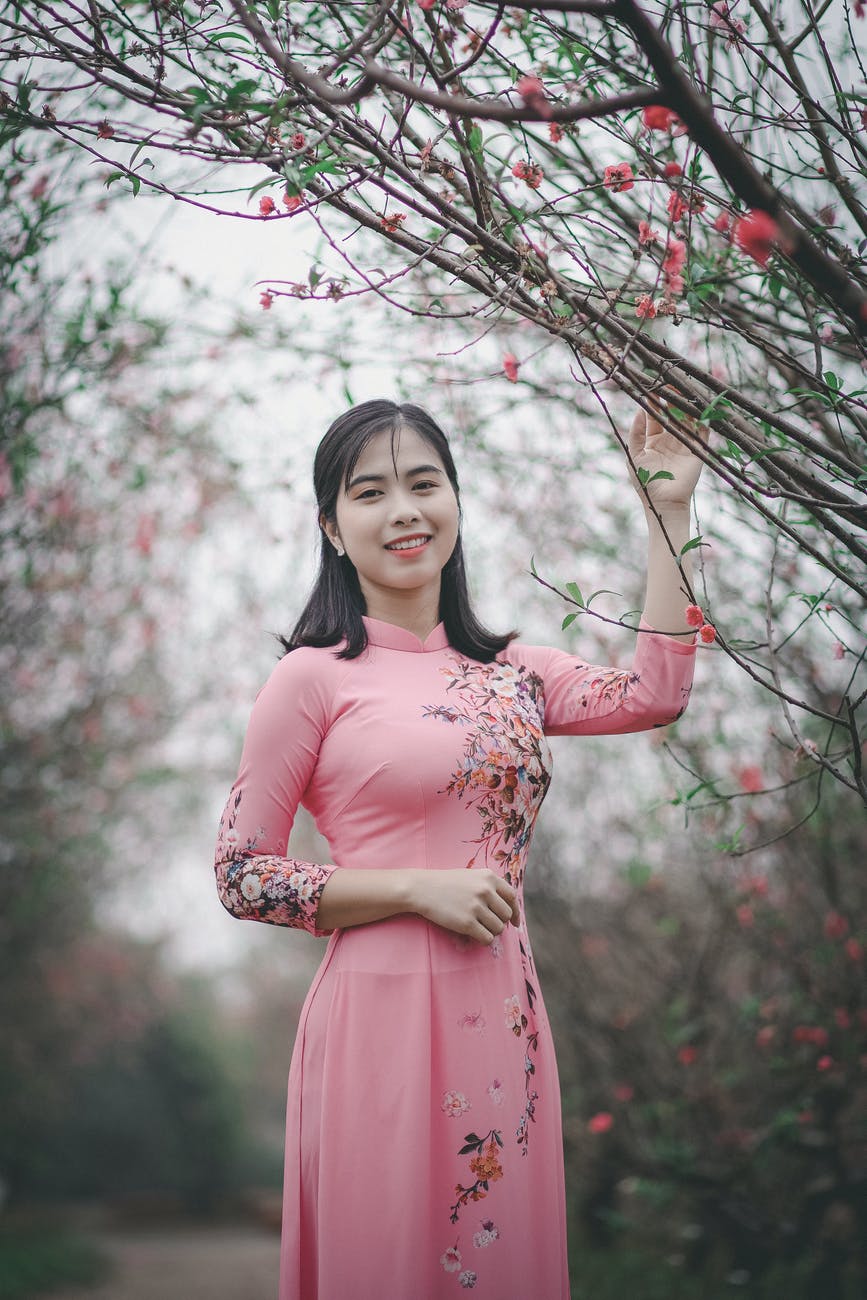
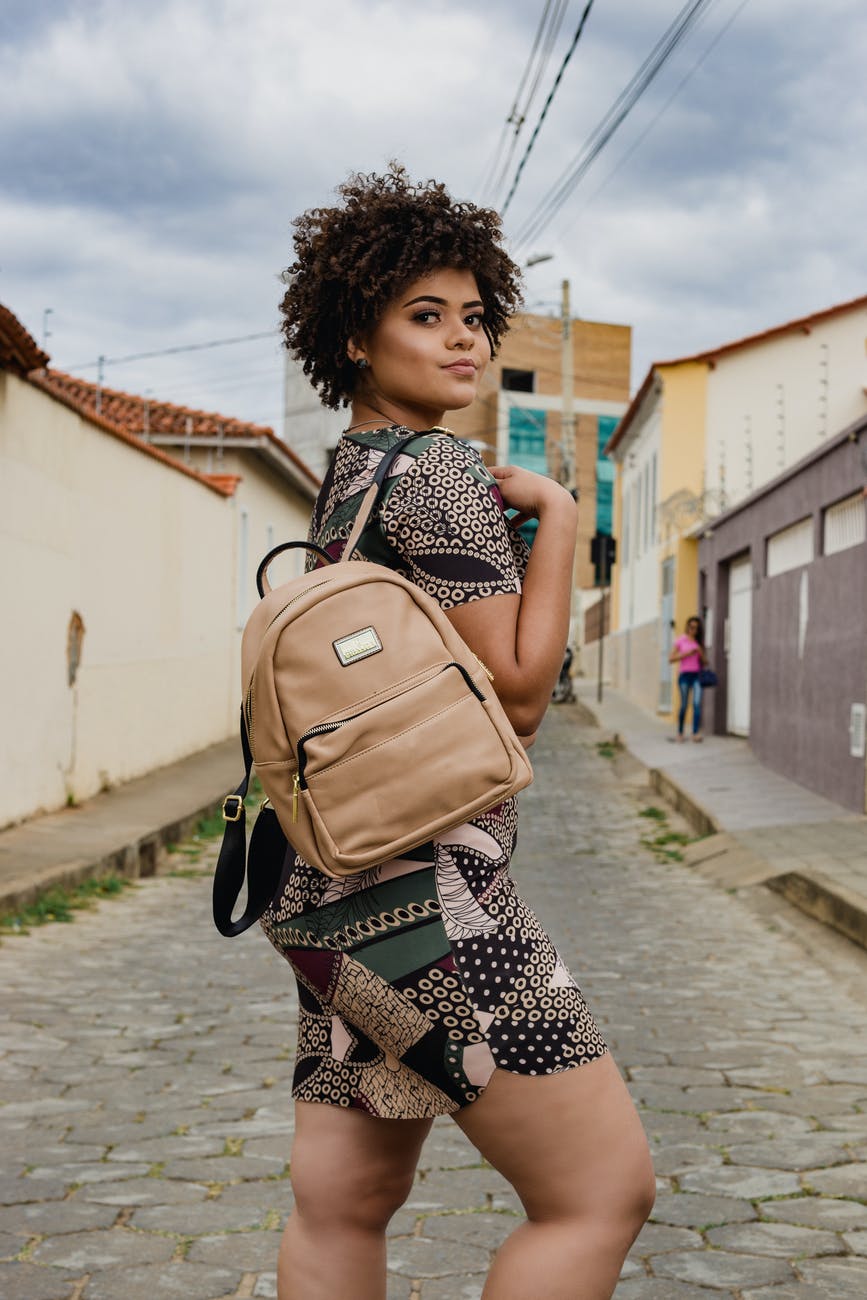
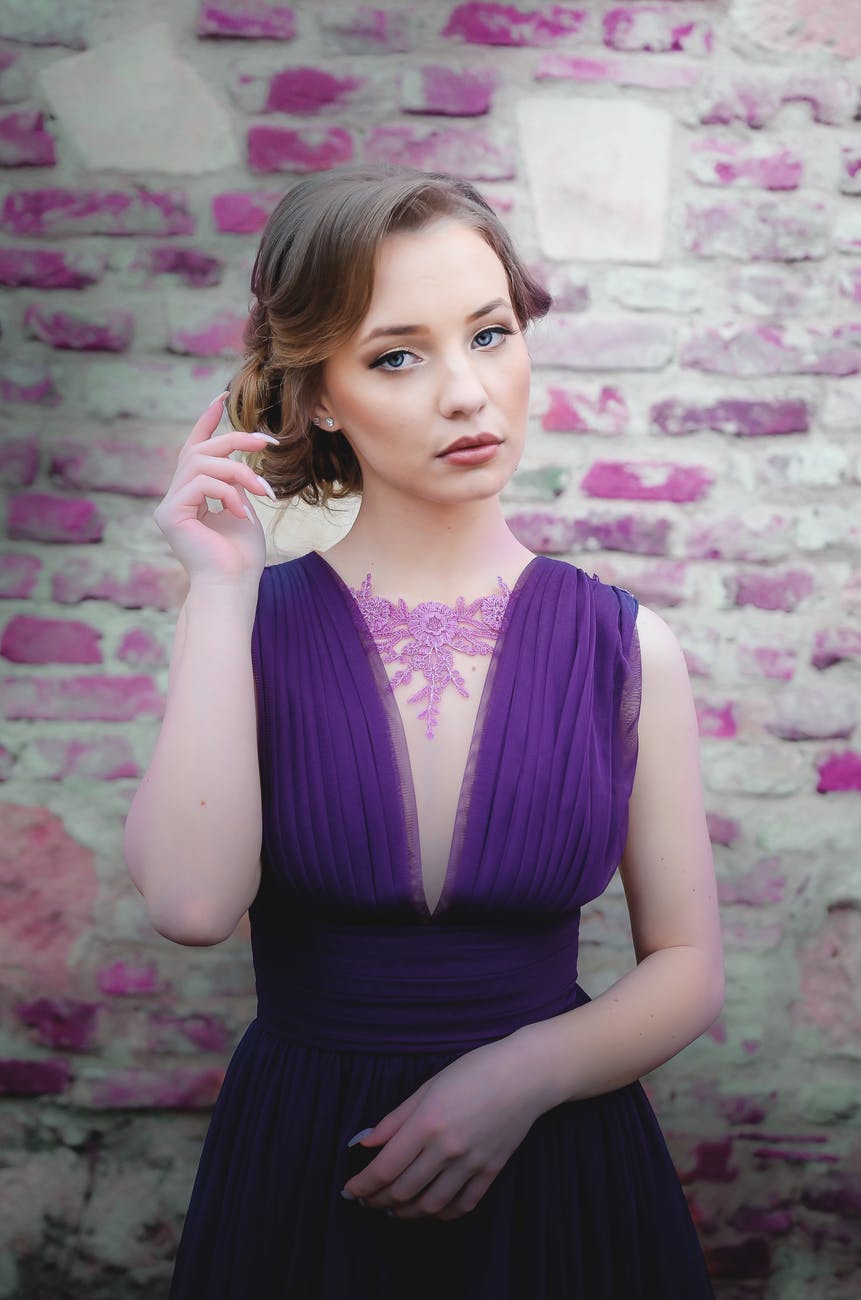
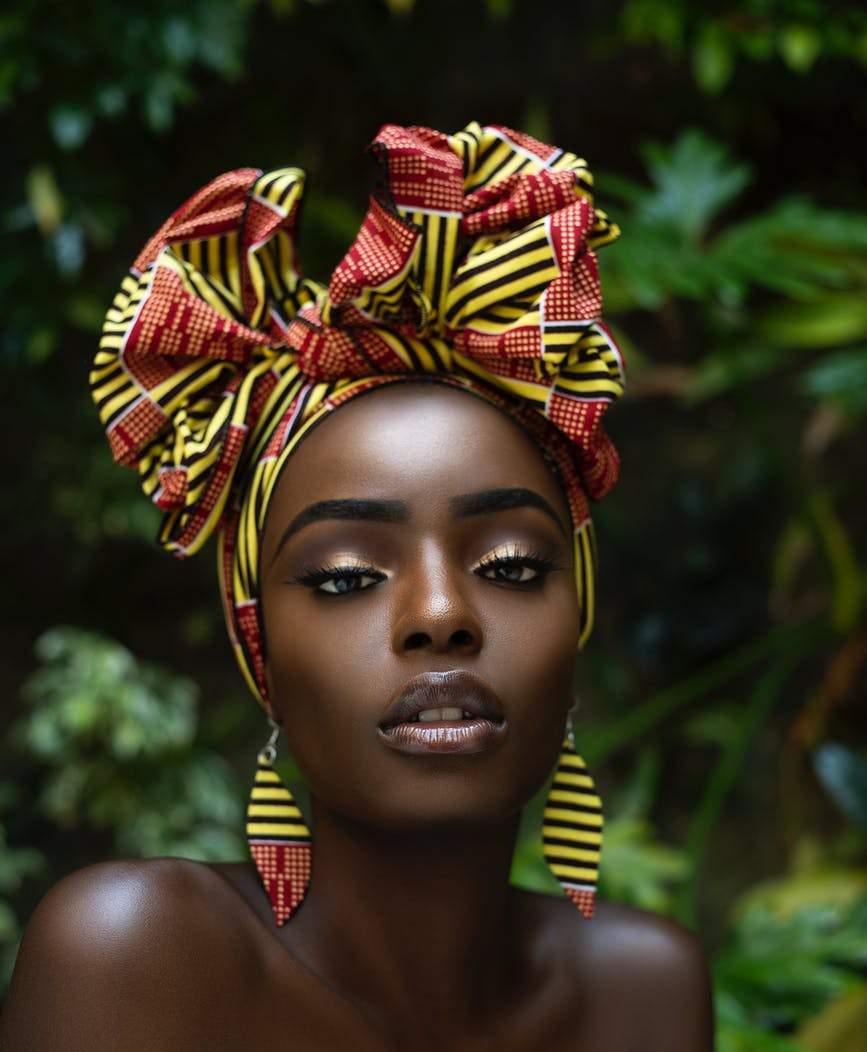
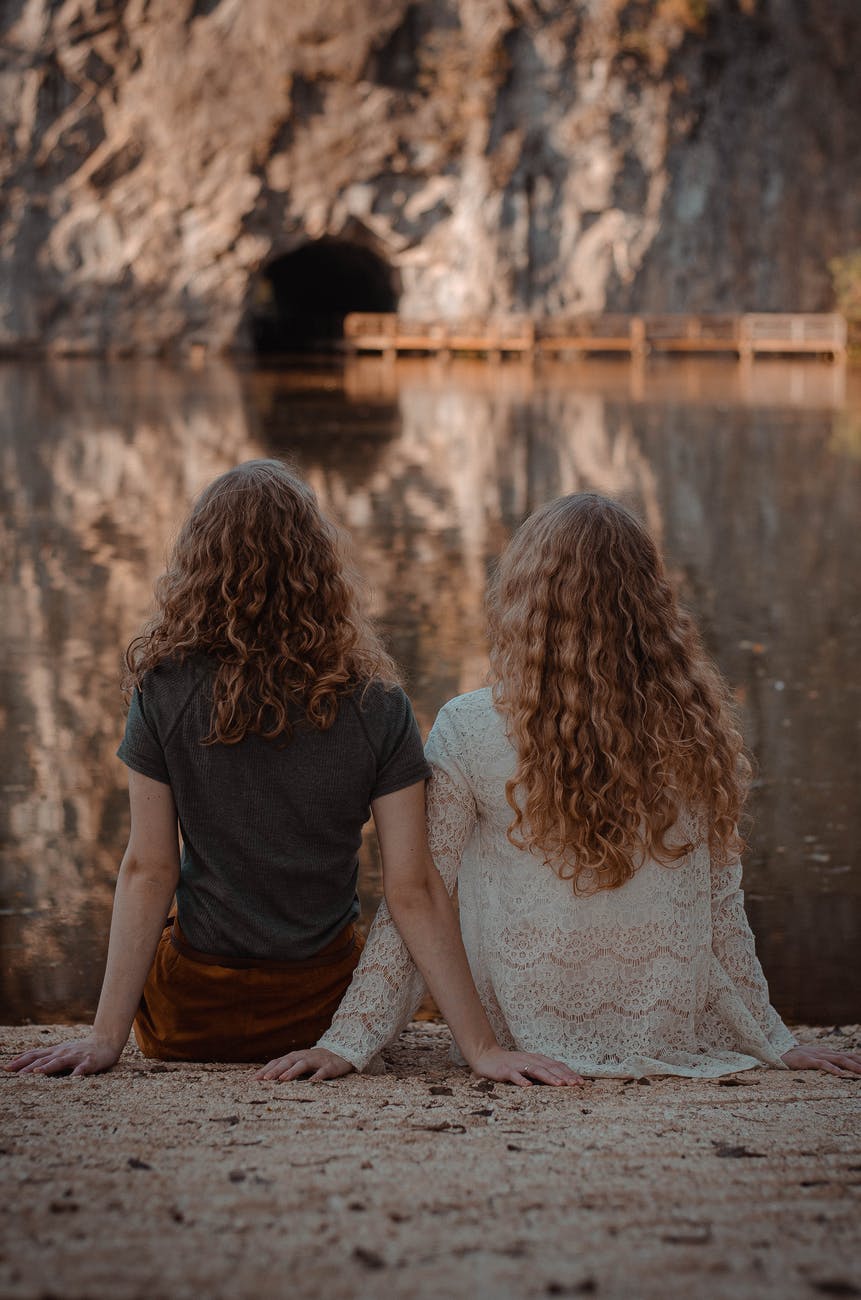
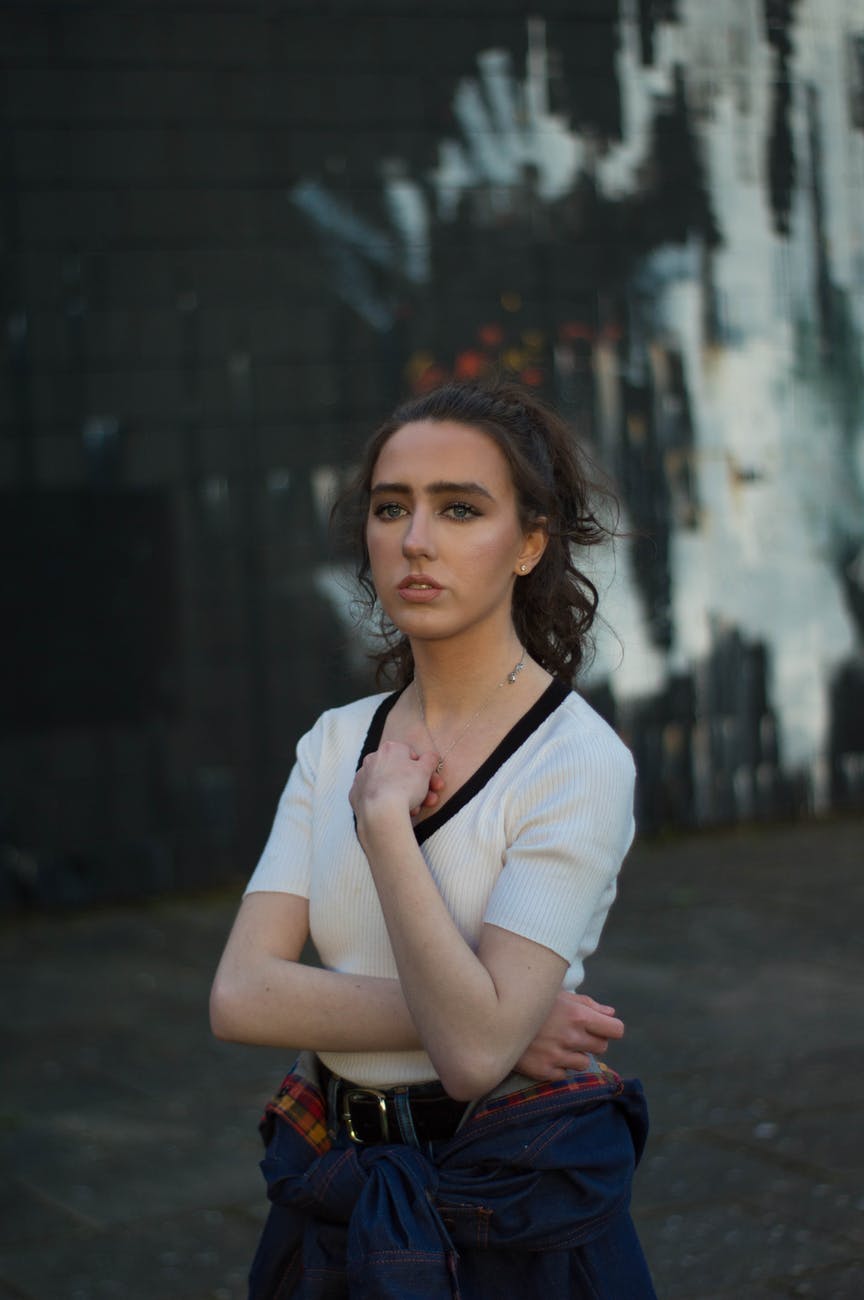
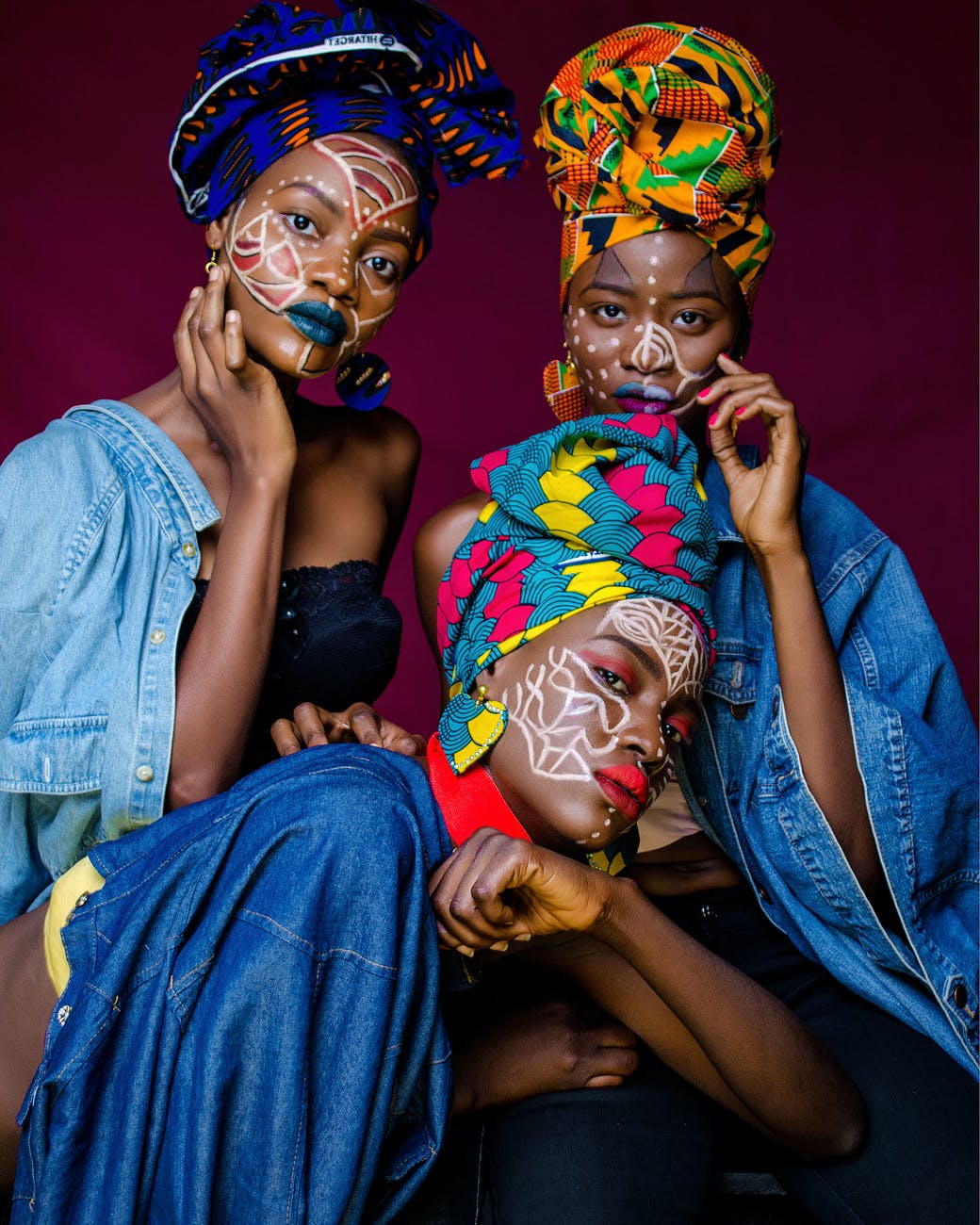
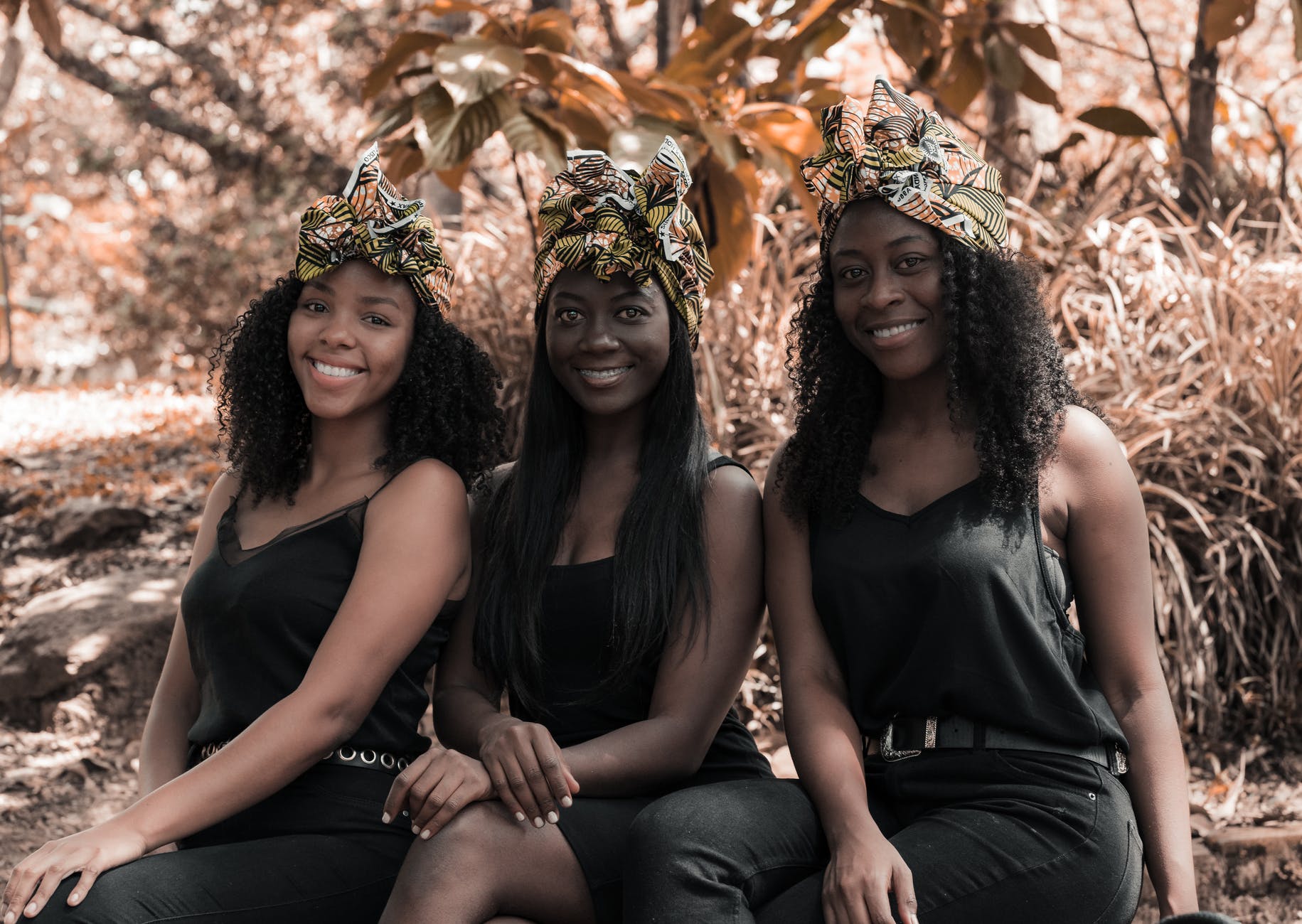
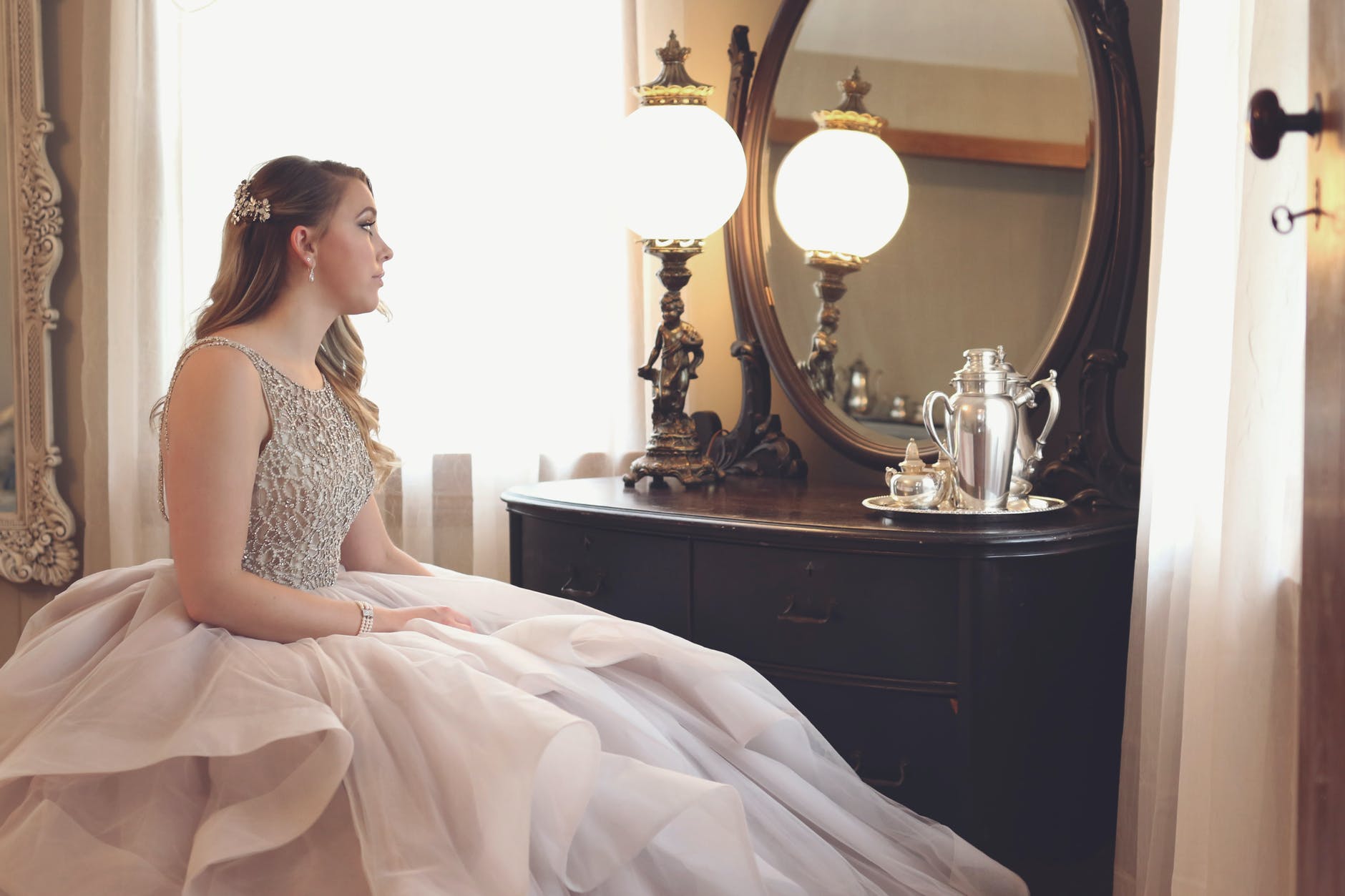
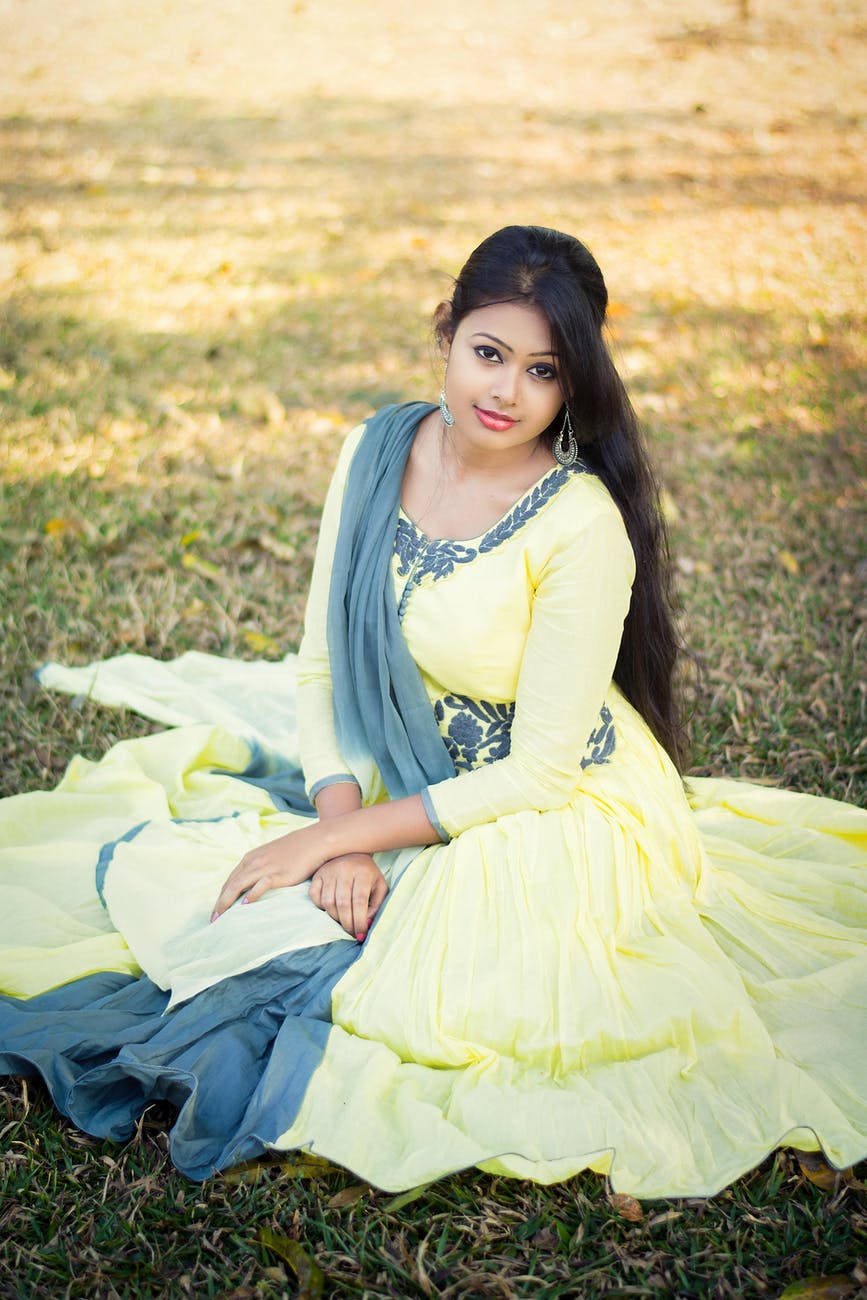
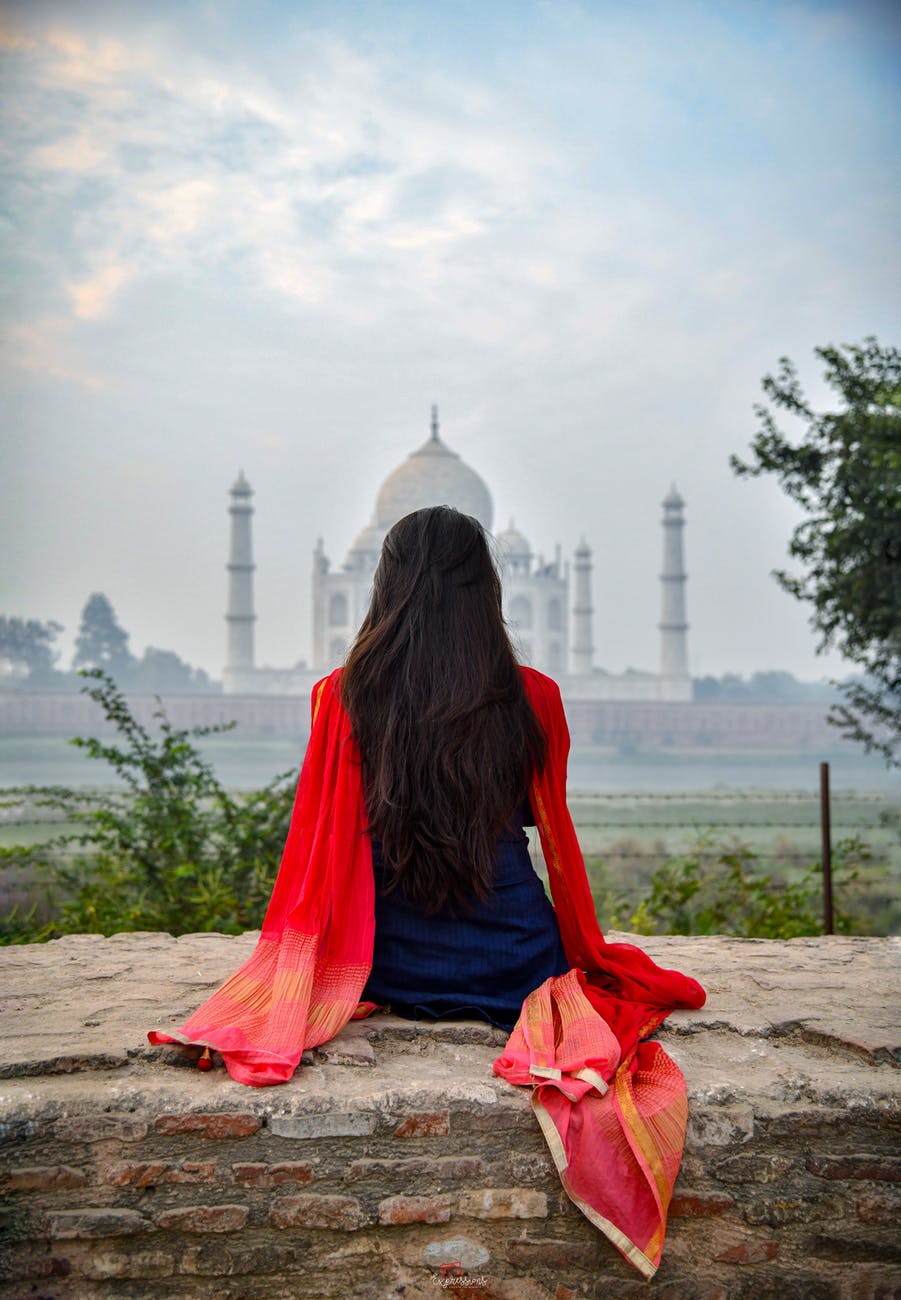
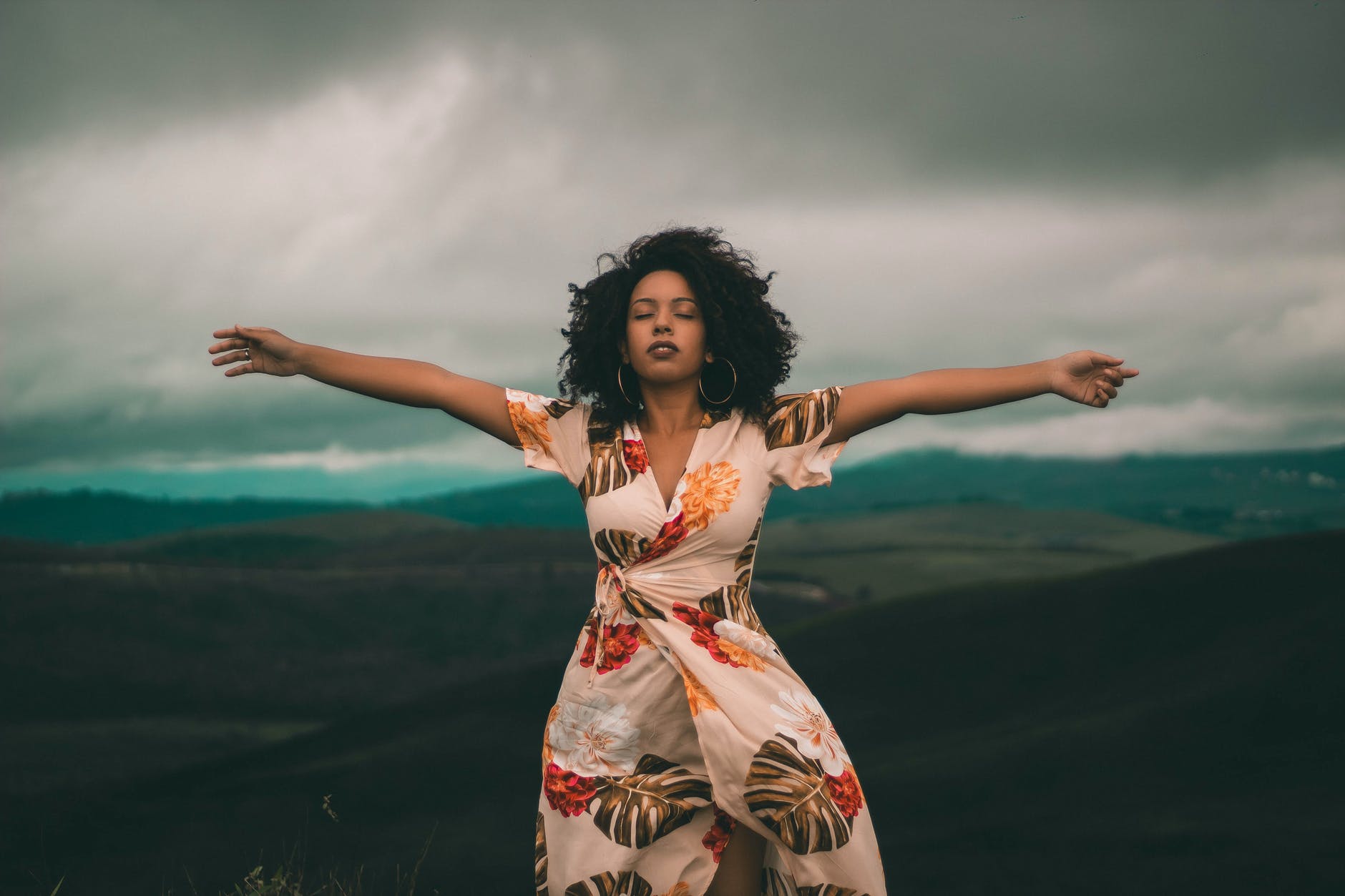
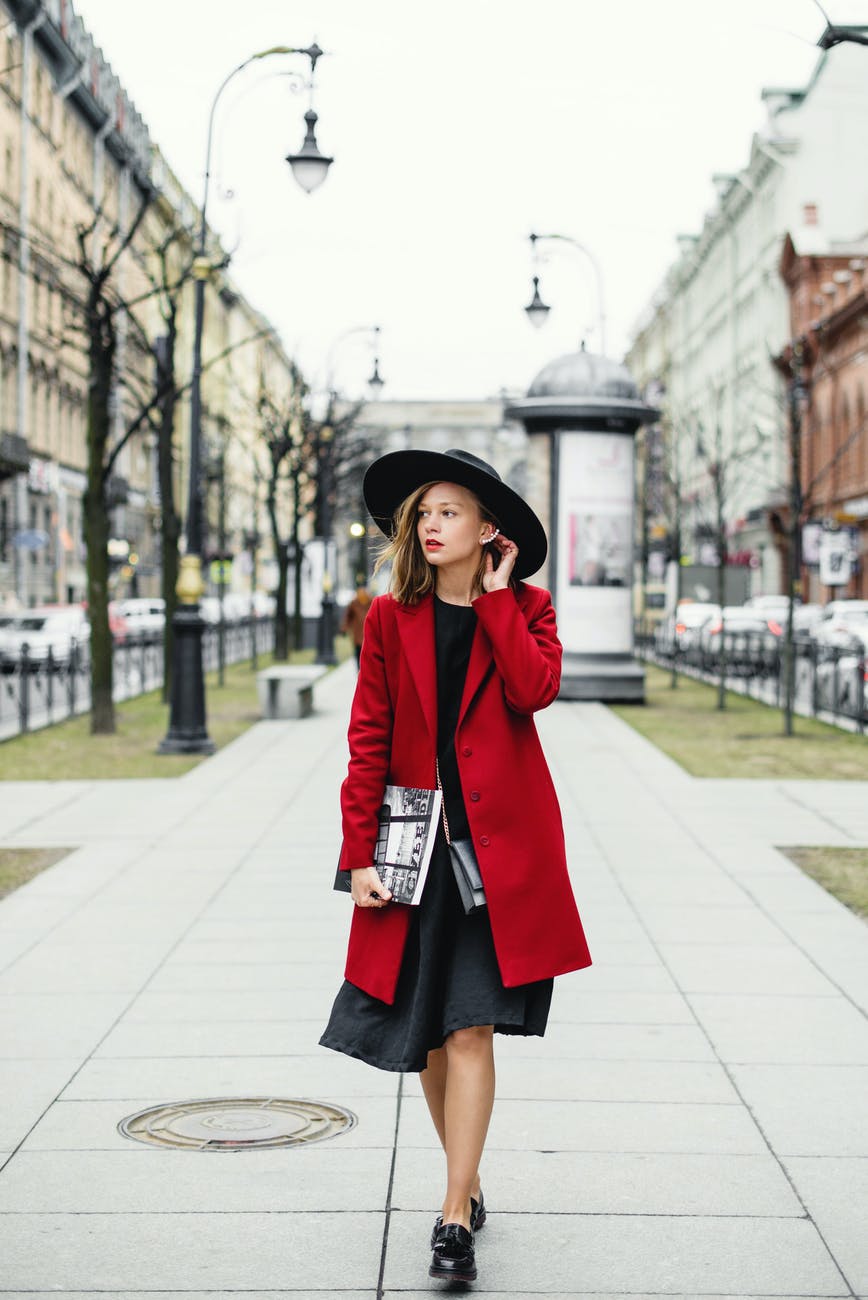
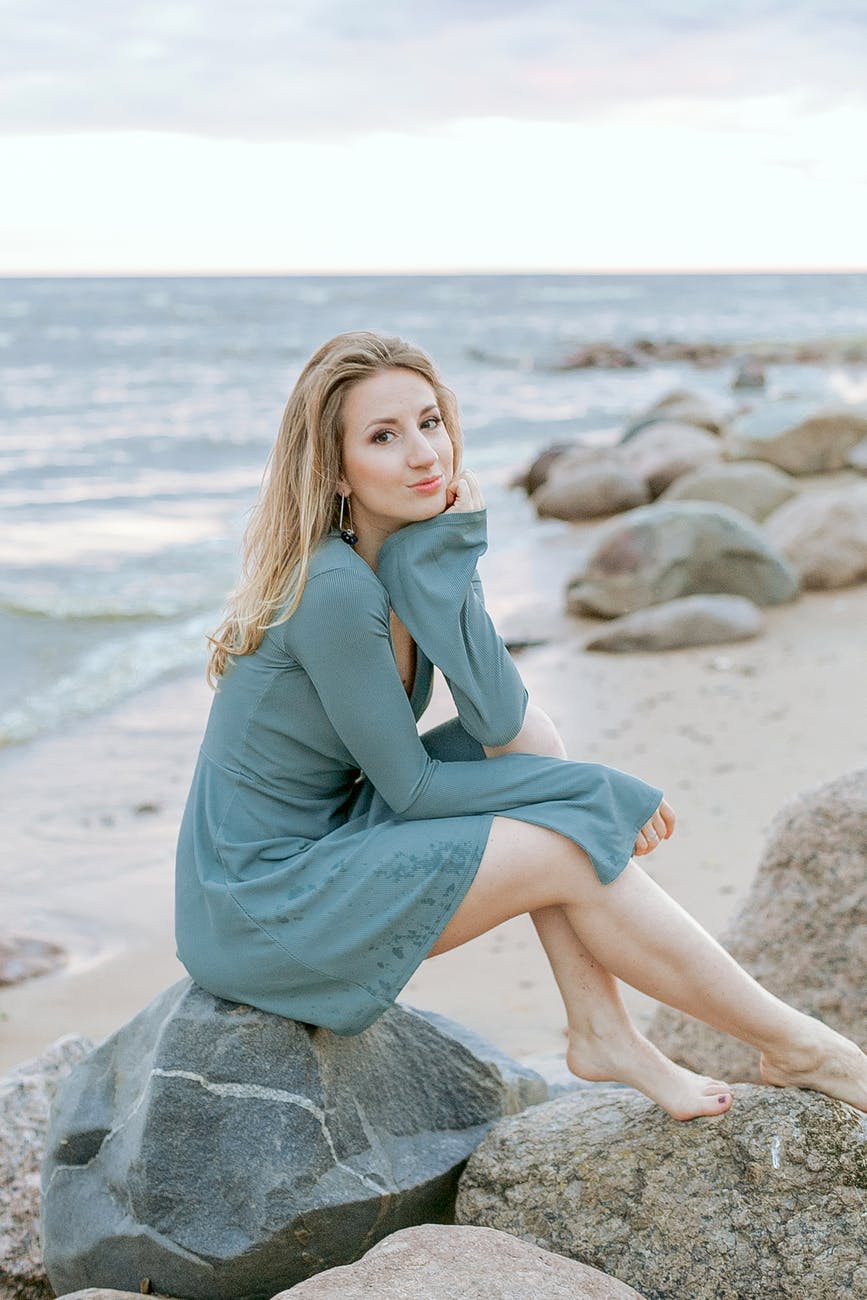
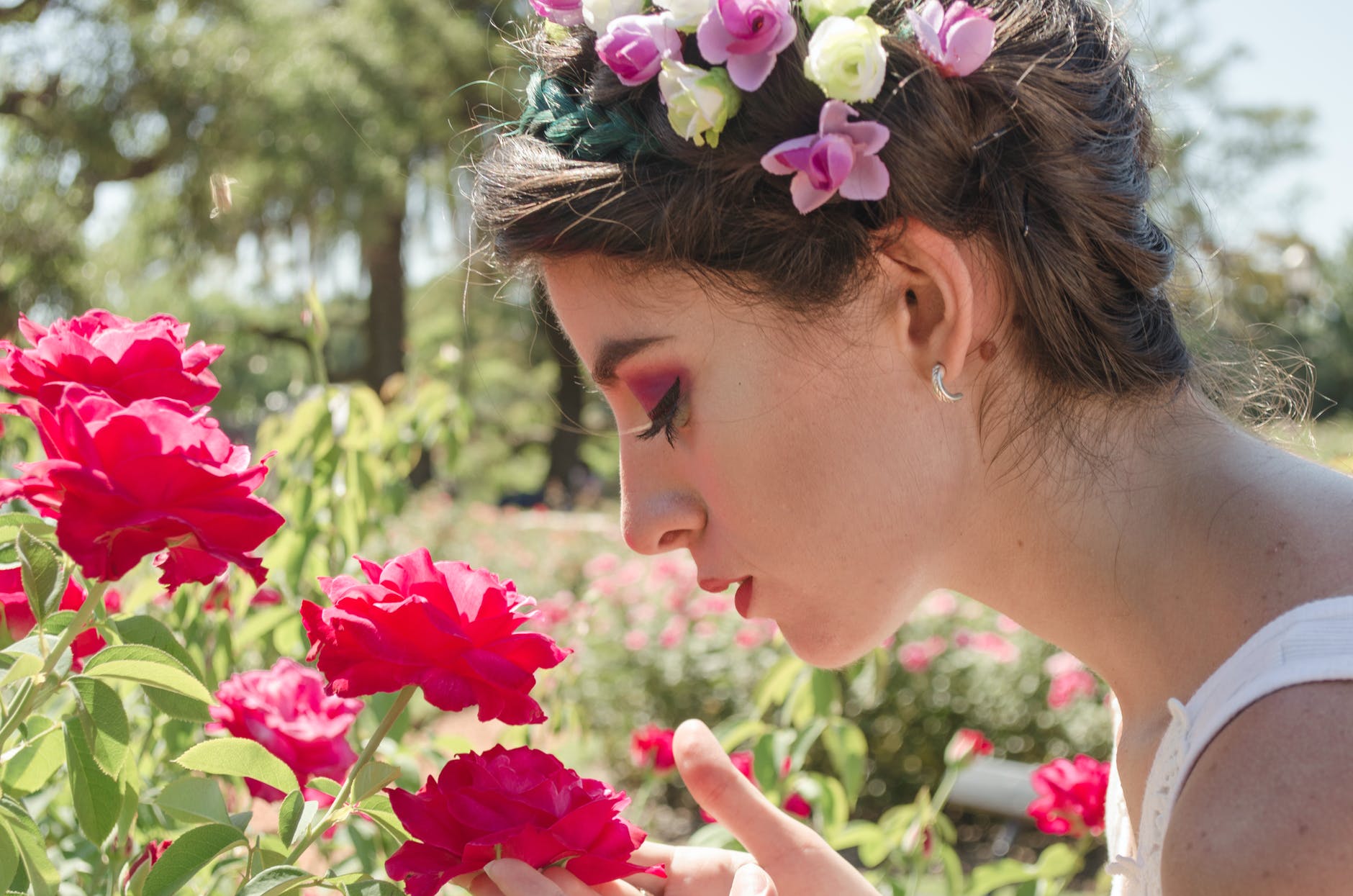
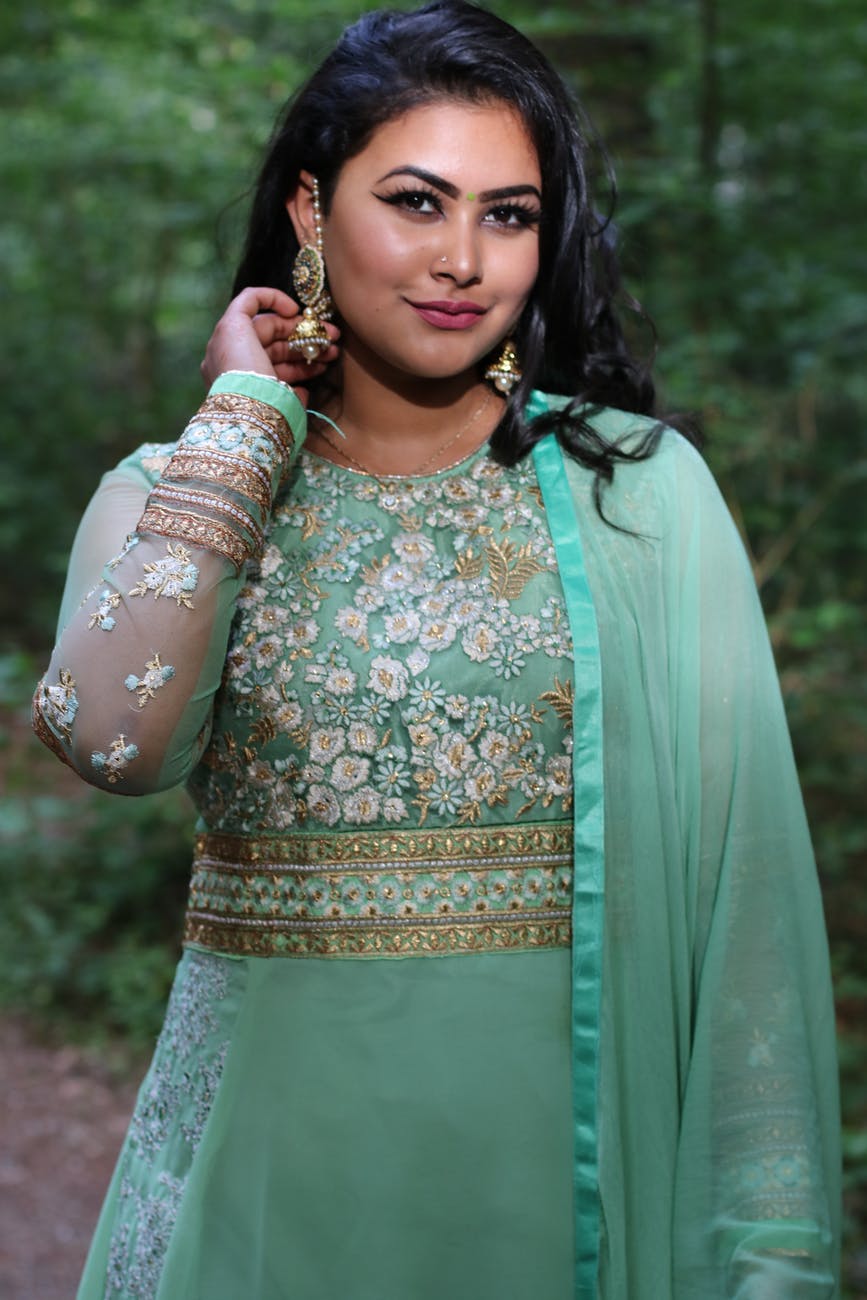
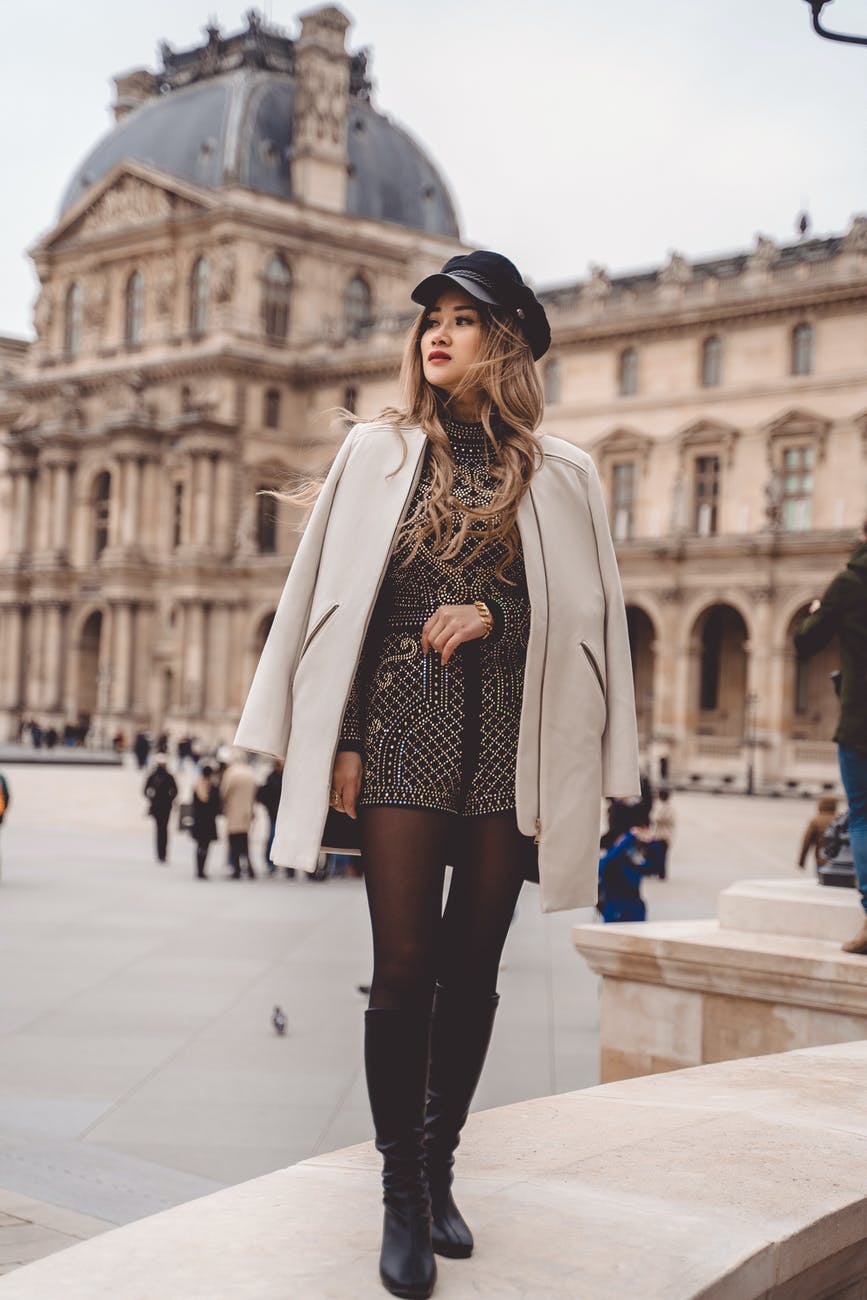
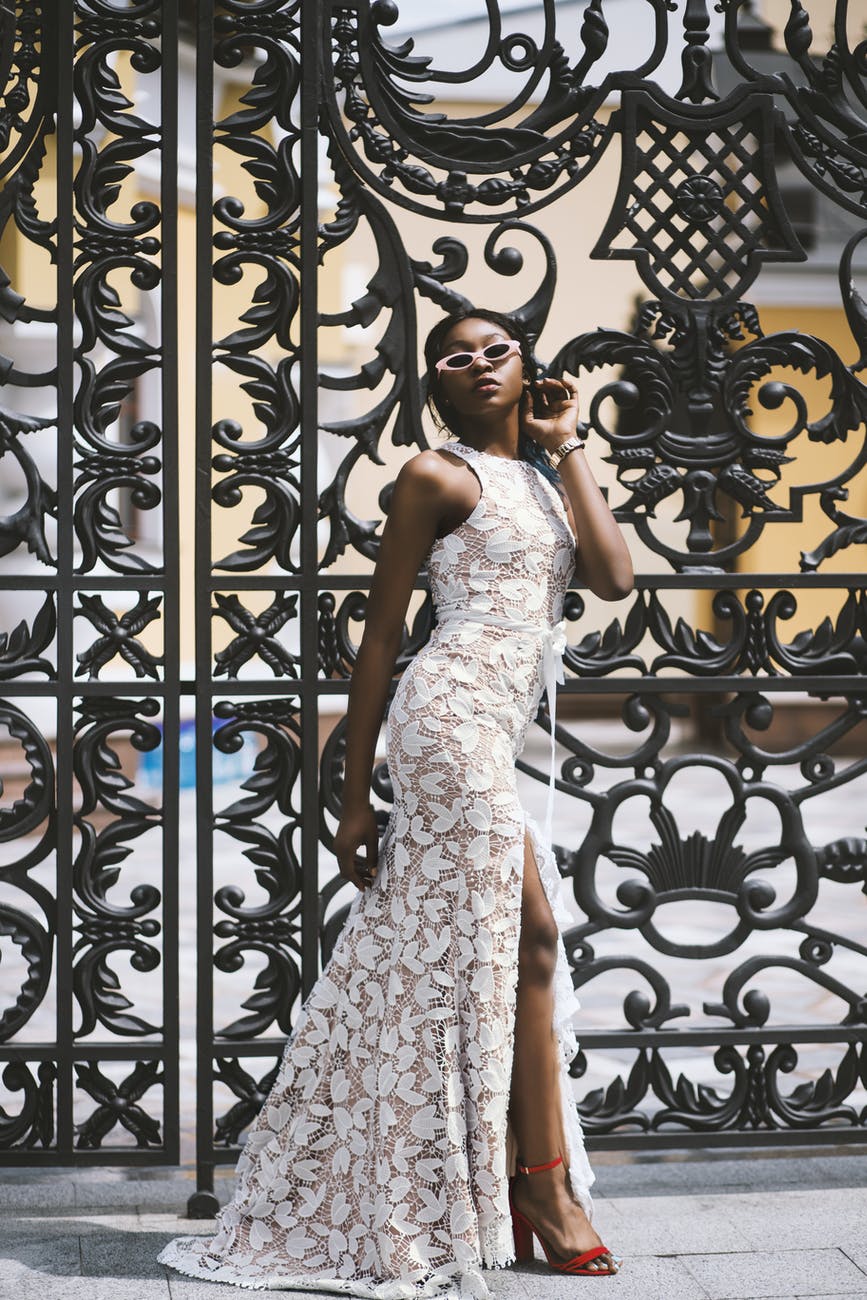
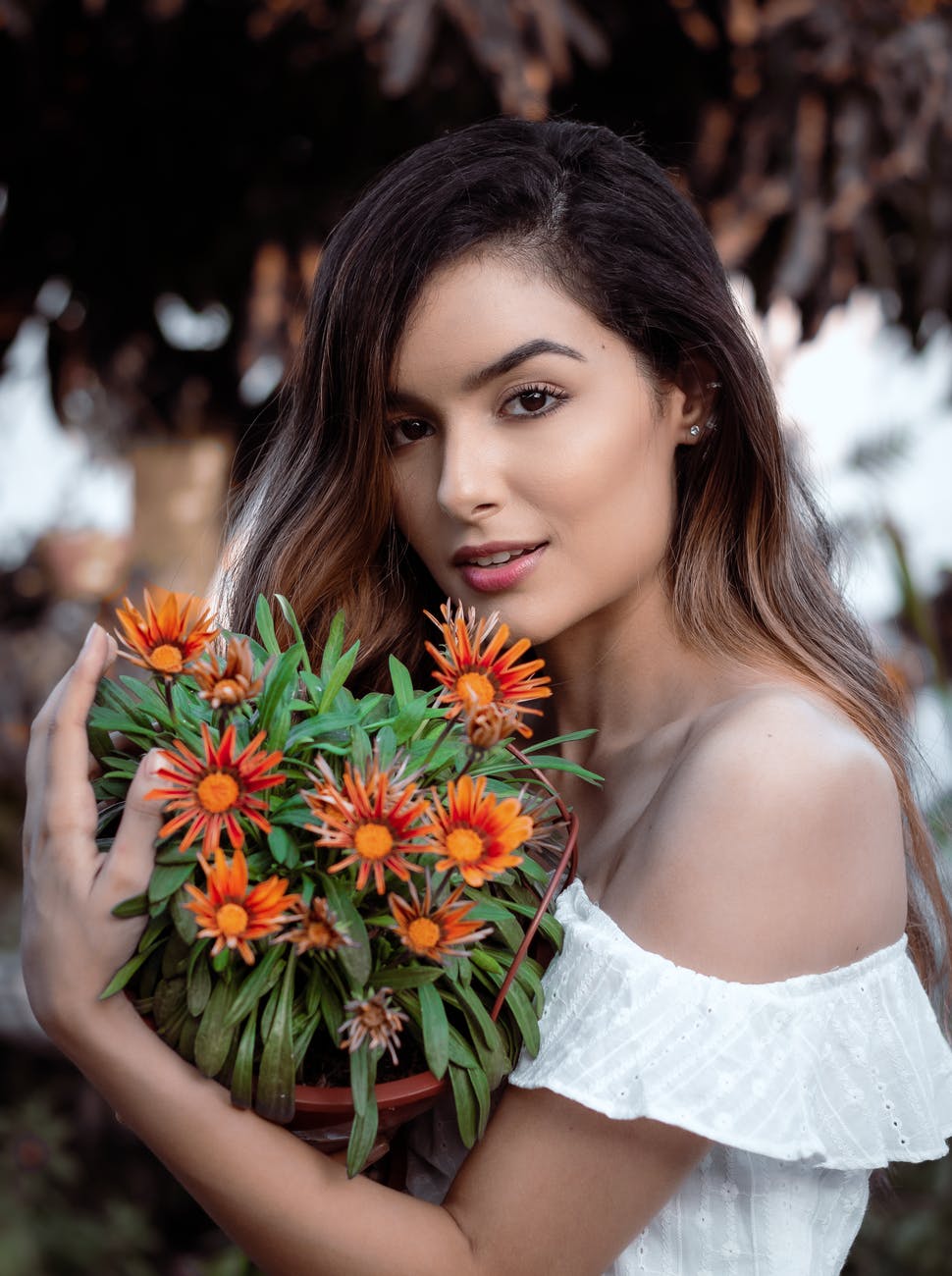
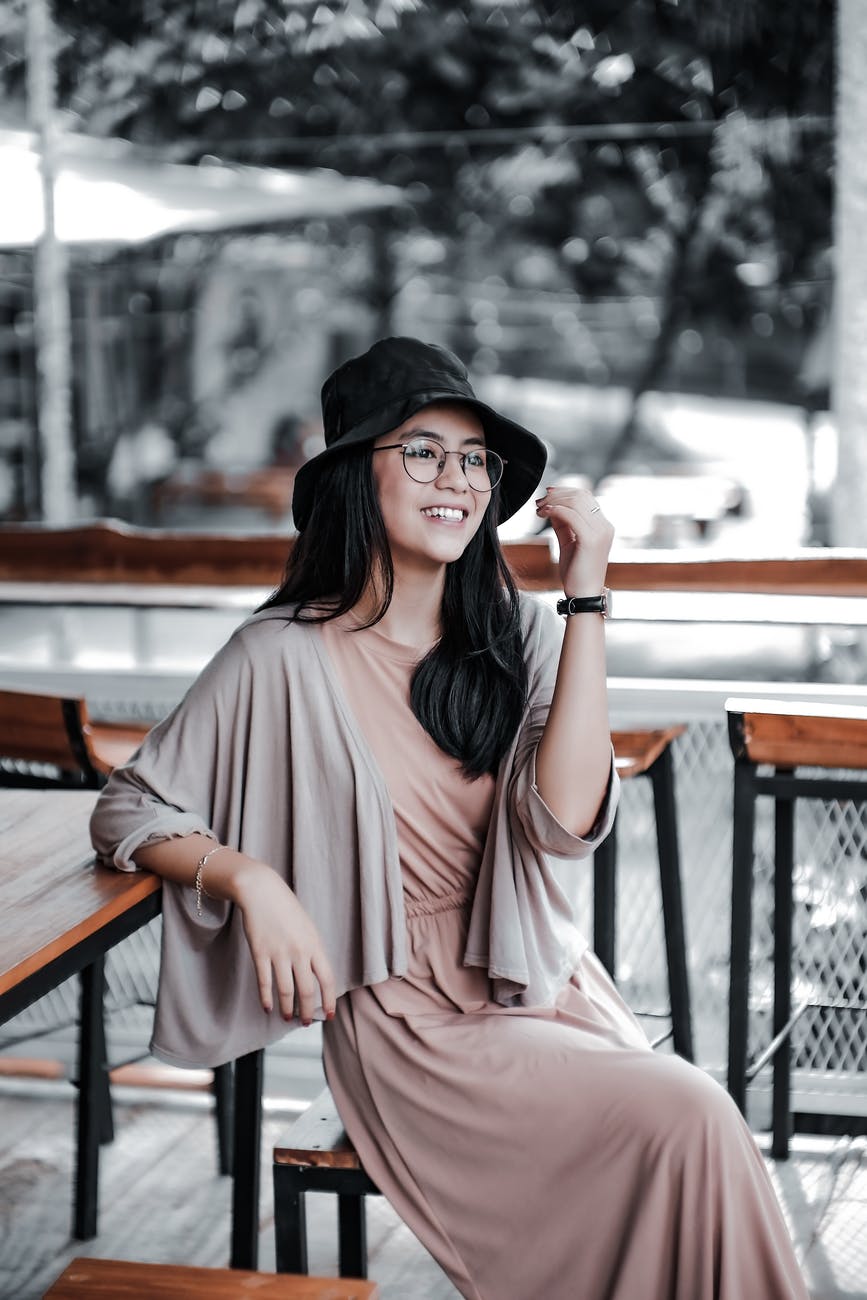
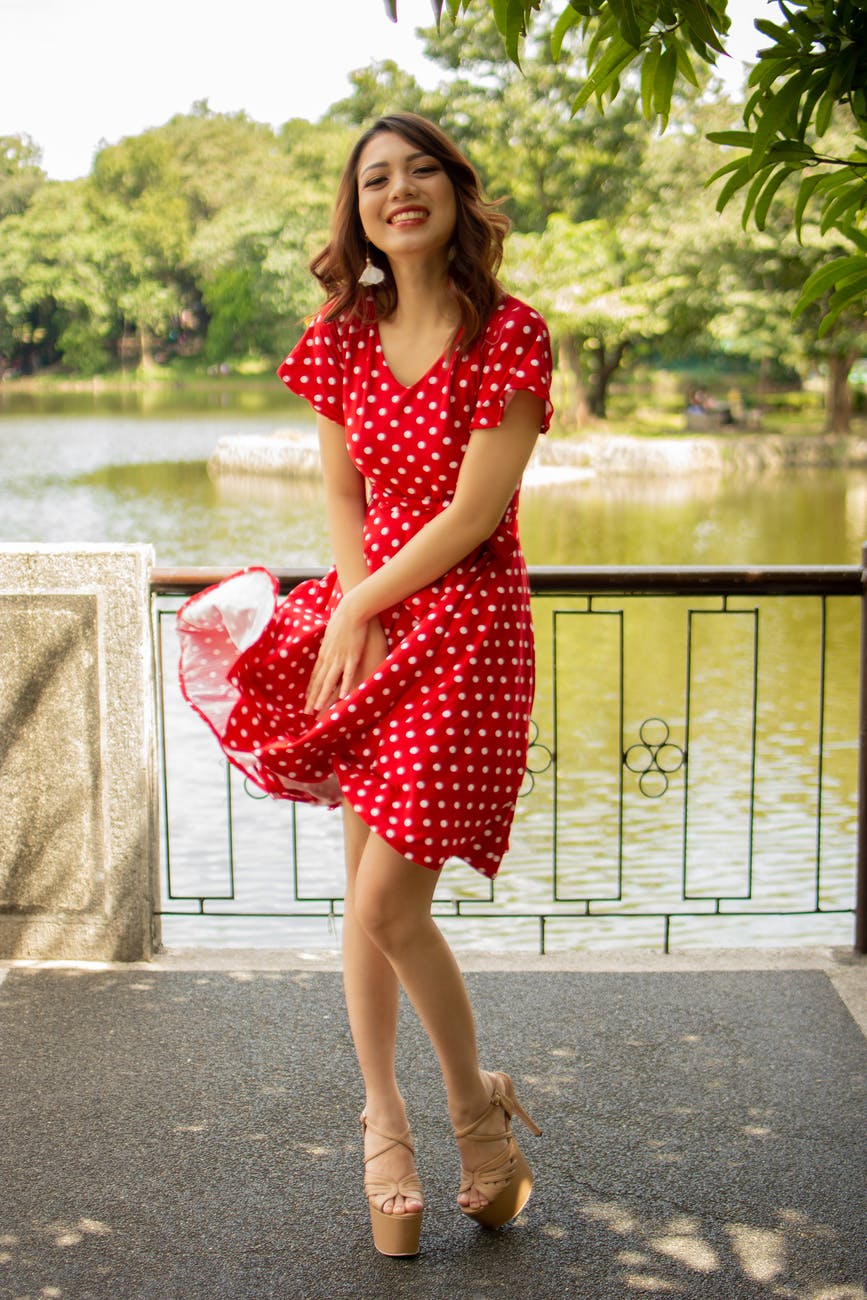
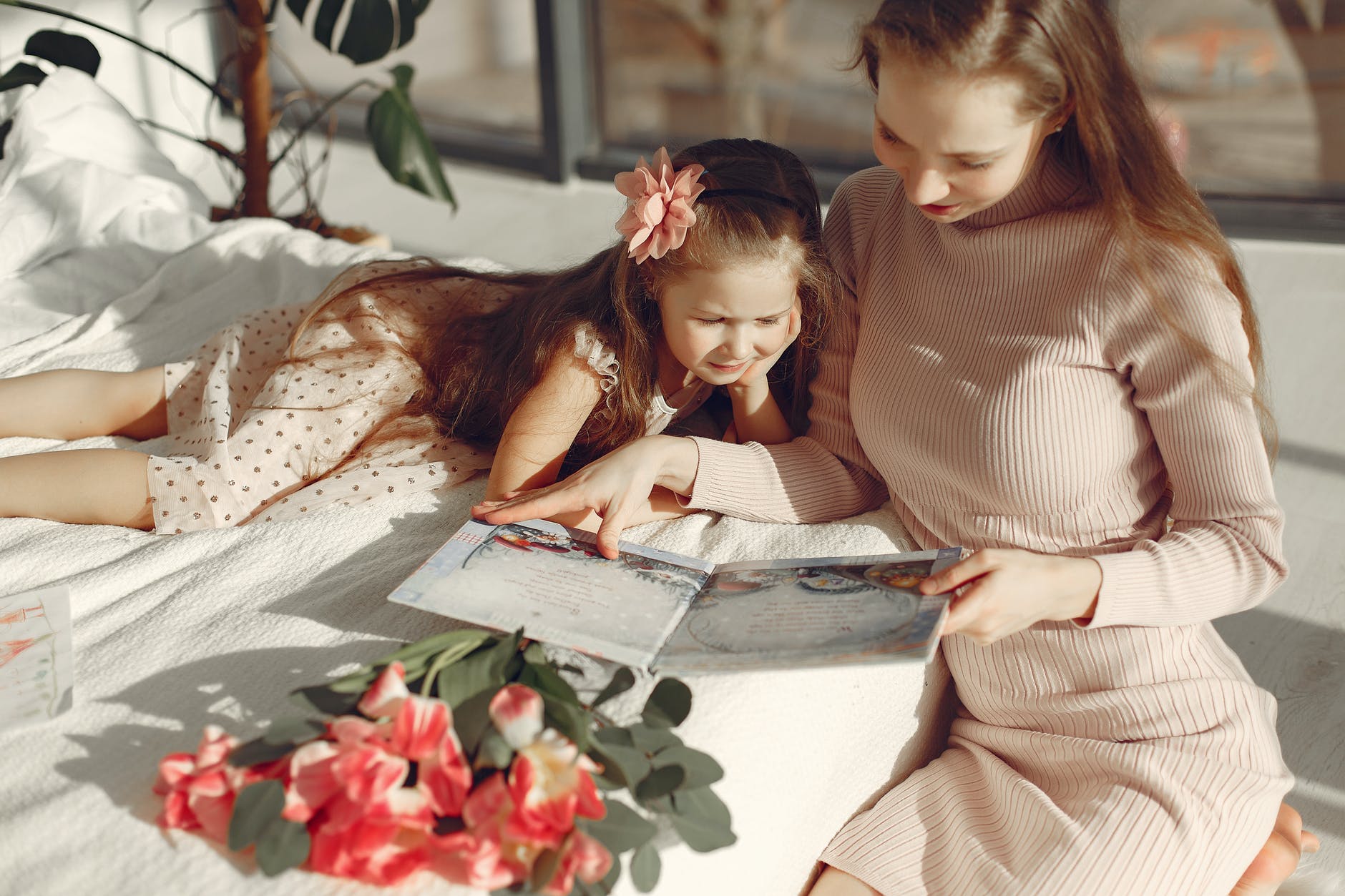
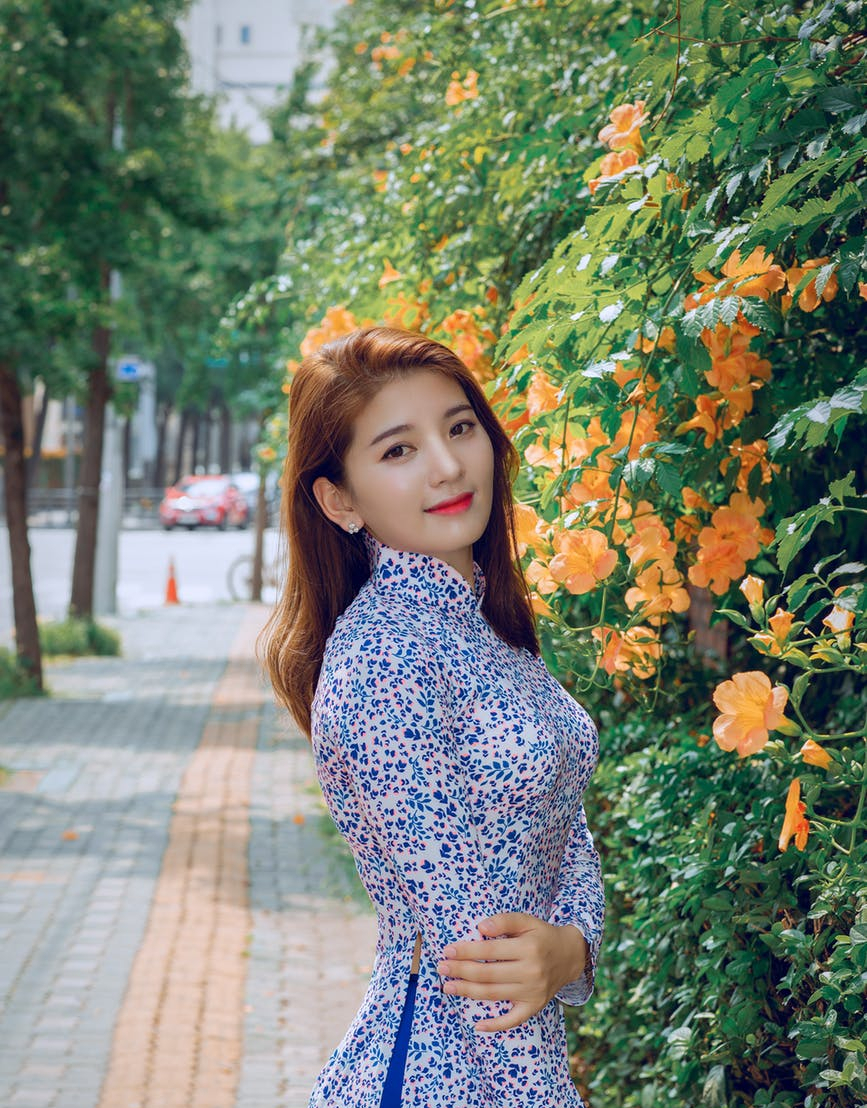
When I search the free photo library for images to include in my blog articles, I always come across so many beautiful photographs. I never get the chance to use most of these. I thought I would share some here instead, to act as style inspiration. Absorbing beauty can help us recognise what makes something beautiful and to then replicate that in bringing together our own outfits. The following photographs are also a celebration of women and femininity. Depending on your internet, you may have to be patient while they load as I’ve shared a lot of images. I hope you enjoy!
Which photographs do you most feel drawn to? Do you recognise any themes in femininity? Have a beautiful and inspired day, my sisters around the world!
Germany isn’t known for being a centre of fashion in the way that France and Italy are, yet it still has its own distinct style. I find it interesting to use style as a lens through which to look at a culture. What is sought for in beauty reveals something about the underlying values shaping that culture. A generalisation, maybe, but starting with stereotypes can lead to more subtlety later.
Previously a collection of many small kingdoms and dukedoms, Germany wasn’t united as a single country until 1871. Later divided again in the aftermath of the Second World War, it was once more reunified with the fall of the Berlin Wall in 1989. It was a decade later around the year 2000 that Berlin began to establish itself in the international fashion scene, and the Berlin Fashion Week was first held in 2007. Germany’s history had caused many setbacks to its fashion development. For example, when the Nazis had been in power they had destroyed many clothing stores because most of those had been run by Jewish people. This had long-term implications for German fashion, which its industry is still trying to recover from.
Nowadays German style is relaxed and casual, yet also well put together. They have plain good style, and tend to be practical with no fuss to get things done efficiently. German style puts an emphasis on being honest, minimalist, authentic, and natural.
‘Berlin’s entire creative fashion industry, once so heavily Jewish-dominated, was destroyed. The effects of that destruction remain to this day, more than 70 years later. In trying to resume its place at the pinnacle of the fashion world, Berlin design companies are now struggling to find new talent.’
Dina Gold
German women tend to wear more natural, earthy, sober colours. Colours such as brown, khaki, black, and grey are popular. They usually don’t strive to stand out. The Germans are egalitarian and strongly value their privacy, so they tend to be more reserved than other cultures. When they do use other colours, they prefer softer natural shades rather than very bright ones.
German style focuses on functional quality with plain good style and elegant lines. Their outfits are well-put-together and organised, yet very relaxed and casual. German style is practical, comfortable, and simple, with attention paid to being thrifty and sustainable. High-waisted jeans are common as are other pragmatic pieces such as trainers.
Layers are popular in winter, combining different textures whilst keeping warm. Quality leather boots and big scarves are also widely seen.
If you want to dress like a German woman or blend in like a local whilst visiting Germany, three words to bear in mind are: practical, earthy, relaxed.
Italian fashion gained influence and popularity among powerful families across Europe during the Renaissance of the fifteenth and sixteenth centuries. The Renaissance originated in Italy and marked a transition from the Middle Ages to the modern period in Europe. Italian fashion during this era took pride in being extravagant and expensive, but then declined in the seventeenth century when French fashion became more popular.
Italy was united as a single country in 1861 and the influences of culture, art, history, and fashion contributed towards the building of a united national identity. The Italian fashion scene was influenced by modern designers such as Prada in 1913, Gucci in 1921, Armani in 1975, Versace in 1978, and Dolce & Gabbana in 1985. These high status brands became popular among those who could afford them, especially celebrities, but they also influenced Italian style in general. After the Second World War, Italian style regained worldwide popularity during the 1950s and 1960s, and Milan become recognised as an international fashion capital.
For a generalised comparison, whereas French women aim to look effortlessly elegant, Italian women embrace a more dramatic glamour. The Italian style of bellafigura is glamorous, subtly sensual, confident, classy, and yet slightly edgy as well.
‘What is the fatal charm of Italy? What do we find there that can be found nowhere else? I believe it is a certain permission to be human, which other places, other countries, lost long ago.’
Erica Jong
Italian women take pride in standing out and put effort into looking good. They make sure their outfits are well put together and groomed, with good quality fabrics and design. They tend to wear clothes that are well-fitting and tailored enough emphasise their curves, but without being too tight or having too much bling. Stylish Italian women stay classy yet subtly sensual by balancing their outfits to not show too much skin. Some parts of Italy can be quite traditional and it tends to be more conservative than other cultures, such as America for example.
Italian women tend to be stylish yet understated in their approach, often with just one statement piece in outfit. More subdued, darker colours (such as black) are popular in Milan and the north of Italy, whereas bolder, brighter colours (such as a bright red jacket) tend to be worn in southern Italy. A good general guide is to wear complementary colours then add a pop of a brighter colour to the outfit.
Accessories are generally popular amongst Italian women, with a pair of stylish sunglasses being a bonus. They choose smart, often coordinating, shoes and handbags to bring their outfit together. Quality leather shoes, sandals, or boots are the most common go-to choice depending on time of year. Comfort is also very important in Italian women’s choice of shoes because Italy is filled with beautiful, old, cobbled streets and they don’t want to twist an ankle!
In autumn and winter, the Italians keep warm and combine different textures with multiple layers and long scarves. Leather jackets, long elegant coats, or faux fur are also frequently seen, and Italian women tend to choose coloured trousers rather than always wearing blue jeans.
Perhaps the key to the stereotypical Italian style is its attitude of confidence. Italian women dress with drama, flair, class, exuberance, and confidence in their own bodies and femininity. They enjoy statement pieces and glamour, yet tend to be more traditional in sticking to what they know works rather than being the first to make all the creative risks.
If you want to dress like an Italian woman or blend in like a local whilst visiting Italy, three words to bear in mind are: glamorous, classy, flair.
France has been renowned as a centre of fashion since the time of Louis XIV, who was known as ‘the Sun King’. During his reign in the 1670s, fashion prints began to be distributed around Europe to publicise French achievements. The extravagant styles of the French royal court contributed towards the French Revolution of 1789, after which the fashion became more simplified and inspired by Ancient Greece and Rome. France later renewed its dominance in haute couture between 1860-1960, when the first couturier houses and fashion press were set up in Paris.
During the twentieth century, French fashion was influenced by new French designers such as Coco Chanel, who in 1925 promoted a simple elegance with items such as the little black dress and Breton striped tops. After the end of the Second World War and France’s liberation from Nazi invasion, French fashion returned to prominence again with designers such as Christian Dior in 1947, Givenchy in 1952, Coco Chanel’s return to Paris in 1952, and Yves Saint Laurent who expanded mass manufacturing and marketing from 1966. Nowadays Paris is still referred to by many as ‘the world’s fashion capital’.
Today, the Parisian chic style is described as sophisticated and elegant, classy yet nonchalant, polished but ultimately effortless. It’s a beautiful style that is popular with many in France, yet I feel like there’s also a particularly American, mythologised concept of the ‘French Girl’. The stereotype’s been turned into a marketing ploy, overrun with clichéd phrases such as French women having a certain ‘je ne sais quoi‘ – a saying so overused that for some reason I find it almost grating. We need to remember that there is an element of myth or stereotype to the Parisian chic style, but that said, there is something to be learnt from looking to the customs of other cultures.
I interpreted all of this to mean that a Parisian woman does not see fashion as the ultimate expression of herself but rather as complementary to her mind, her talents, her opinions, and therefore it doesn’t need to be outlandish.
Lindsey Tramuta
The Parisian chic style is based on being elegant and well-groomed, whilst embracing your ‘imperfections’ with confidence. It is about timeless style rather than fast fashion, so looks to long-lasting classic pieces instead of fleeting trends. Many items are inter-generational because they believe that good style isn’t limited by age. Heirloom jewellery with sentimental value may be inherited from mothers or grandmothers, and French women tend to invest in quality over quantity. They may have relatively few items of clothing compared to some other cultures, but those they do have will last and are well-integrated with the rest of their wardrobe, allowing more outfit combinations.
French women usually prefer neutral colours such as navy, black, white, grey, denim blue, and beige. The overall impression is one of harmony, balance, and refined simplicity. It’s polished and well put together, with coordinating colours and well-fitting clean lines. Any bright colours or patterns will be balanced out with more neutral items in the rest of the outfit so that nothing clashes and its not too busy. Stick to just two or maybe three colours and no more than one patterned piece at a time.
Parisian chic is a classy standard for all occasions, as French women will tend to make only minor alterations instead of dressing up or down in the way that some other cultures (such as the British) do when going out in the evening. French women have a higher base standard of being well-groomed and harmoniously-dressed all the time but are then relaxed or nonchalant about it, coming across as effortless because it’s become their norm.
What makes Parisian chic style stand out is the attention paid to little details that make a subtle difference. These often give a slight twist and cool edge to an otherwise simple ensemble. This could be combining different textures in a neutral-coloured outfit, or adding a pop of bright colour such as red with accessories, or choosing items with subtle detailing that makes them a slight twist on a classic piece. Style is shown in noticing and paying attention to the details, rather than striving to stand out in some outlandish pattern or garish colour.
If you want to dress like a French woman or blend in like a local whilst visiting France, three words to bear in mind are: sophisticated, effortless, detailing.
‘Bodies… are born beautiful, but it’s the way we stand and sit that misshapes them.’
Clover Stroud
Good posture is important. It means using your body as it was designed to be used. Proper posture is beneficial for your health because it helps to train your body away from distorted positions that could cause issues such as backache later on in life. Aside from the health concerns, posture radically impacts your appearance – both in terms of beauty and as body language. Your posture communicates how you feel about yourself and is arguably the single easiest thing to change to instantly appear more beautiful and more confident. What’s more, it doesn’t need to cost anything.
Traditionally good posture was taught in finishing schools as part of lessons on deportment. They recognised that deportment, or knowing how to move and hold yourself with elegant grace, was subtle yet important in contributing towards success in life. These days we spend so much time hunched over computer or phone screens that many of us seem to have forgotten this. Bad posture has become so normal that sometimes we don’t even recognise what’s wrong. I hope this guide will help.
Head & Neck
Keep your head up and your neck straight, with your ears in line with your shoulders. Look forwards in the direction you are going instead of letting your neck hunch forwards as if you’re constantly bending over a phone screen. Keep your chin up and level, with your head straight. You want neither for your nose to be snootily in the air nor for your head to be bent down in shame. If you rest your index finger vertically against the front of your neck, it will help check your chin is in the correct position. Imagine you are wearing a crown. You want your posture to be regal. Traditionally this has been practised in finishing schools by balancing a book on the head to make sure the head is straight and movements are graceful.
Shoulders & Arms
Roll your shoulders back and down, so that it opens up your chest. Make sure your shoulders aren’t hunched up like they’re trying to curl up in a foetal position. A trick is to check that your thumbs are pointing forwards instead of inwards towards your body, because because that automatically rotates your arms and shoulders back. However, make sure your body is relaxed and your shoulders aren’t stiff or forced into an extreme position.
Spine & Pelvis
Rotate your pelvis under you as if you were tucking your tail bone in. You want to keep your spine straight all the way through your back, from your neck through to your tail bone. Stretch your spine straight as tall as it goes. There should be a natural curve in your spine, but don’t intentionally arch your back (something many women tend to do when trying to improve their posture) because that will only lead to back ache long term as it’s not correct posture.
Stomach
Pull your stomach in and stay relaxed. The idea is not to worry about your weight, but to elongate the front of your body. Hold your body to its full height. You have value and should carry yourself in knowledge of that. Elegant posture doesn’t try to hide and isn’t ashamed to exist.
Legs & Knees
Stand with your weight evenly distributed across both feet. Keep your legs straight but with your knees relaxed. Good posture is neither stiff nor lazy, and should be relaxed yet regal. Deportment is something to practise everyday until it becomes second nature. It may take some time to break old habits, but your long-term health and beauty will benefit greatly from it.














































 Feminine Finishing School